



Key takeaways
- A showreel proves visual competence in minutes. It says nothing about research depth, so ask every shortlisted filmmaker how the facts in their films were sourced and verified.
- Strong documentary work makes an argument. It is not a sequence of attractive shots, and its pacing holds attention through ideas, not cutting speed alone.
- Sound, interview framing and the handling of archival material reveal more about craft than any drone shot or color grade.
- Scoring every reel on five criteria (research, structure, craft, cultural accuracy and format choice) lets you compare filmmakers on the same terms.
- Films for sensitive national occasions, such as a UNESCO nomination file, demand a higher bar than promotional work. The reel should show the filmmaker knows the difference.
What a Showreel Actually Proves, and What It Doesn't
At Sedrah Stories, we tell clients to judge our showreel the way they would judge anyone's: as evidence of one skill, not proof of all of them. If you are comparing the best documentary filmmakers in the UAE, the reel is where you start, not where you decide. It shows whether a team can light a room, hold a frame and cut to music. It cannot show whether they understood the history behind the images.
To judge a showreel well, watch it twice. Once for the feeling. Once with a notepad, looking for what a reel tends to hide.
The Three-Minute Problem
A documentary showreel compresses years of work into a few minutes. That compression strips out the parts that make documentary difficult. You see the best shot from a forty-minute film. You do not see the forty minutes. You do not see the interview that took weeks to secure, the archive that had to be traced, or the scene that was cut because a fact could not be confirmed.
A reel built from highlights rewards spectacle: aerials over dunes, slow pushes on hands at work, golden light on a fort wall. All of it can be beautiful. None of it tells you whether the film around it holds together.
The fix is simple. After the reel, ask for at least one complete film. Watch it end to end.
Why Polish Can Hide Thin Research
Polish is easier to buy than knowledge. A good camera, a skilled colorist and a licensed score can make thin material look authoritative. In corporate video, that may be enough. In heritage and national storytelling, it is a risk.
A film about a craft, a tribe, a site or a founding moment will be watched by people who know the subject: elders, historians, the families involved. If a date is wrong or a practice is misdescribed, polish does not protect the film. It makes the error more visible, because the film looked so sure of itself.
Start With the Research, Not the Edit
Every film goes through the same five stages: research first, then the frame. Discovery, research, scripting, production, post-production. Research comes before the camera for a reason: the frame can only show what the research has found.
When you assess a heritage filmmaker in the UAE, probe the research before you praise the visuals. This is also where your procurement process should be most demanding. If you are preparing a formal tender, our guide to a documentary production RFP checklist for government bodies sets out the questions to build into the brief.
Sourced Facts vs Dramatic License
All documentaries shape reality. They choose what to include, what to leave out and in what order. That is editing, and it is legitimate. Dramatic license becomes a problem when it changes the facts themselves: an invented line of dialogue, a re-enactment presented as archive, a composite character passed off as a real person.
In a reel, look for the line between the two. Are reconstructions clearly framed as reconstructions? Are on-screen dates and names specific, or vague enough to avoid being checked? A research-driven film is comfortable being precise.
Signs the Filmmaker Did the Homework
Some signals show through even in a short cut:
- Named, credited voices. Interviewees are identified with their role or connection to the subject, not floating as anonymous talking heads.
- Specific detail. The narration names places, tools, seasons and practices, rather than speaking in general terms about "tradition" and "the past."
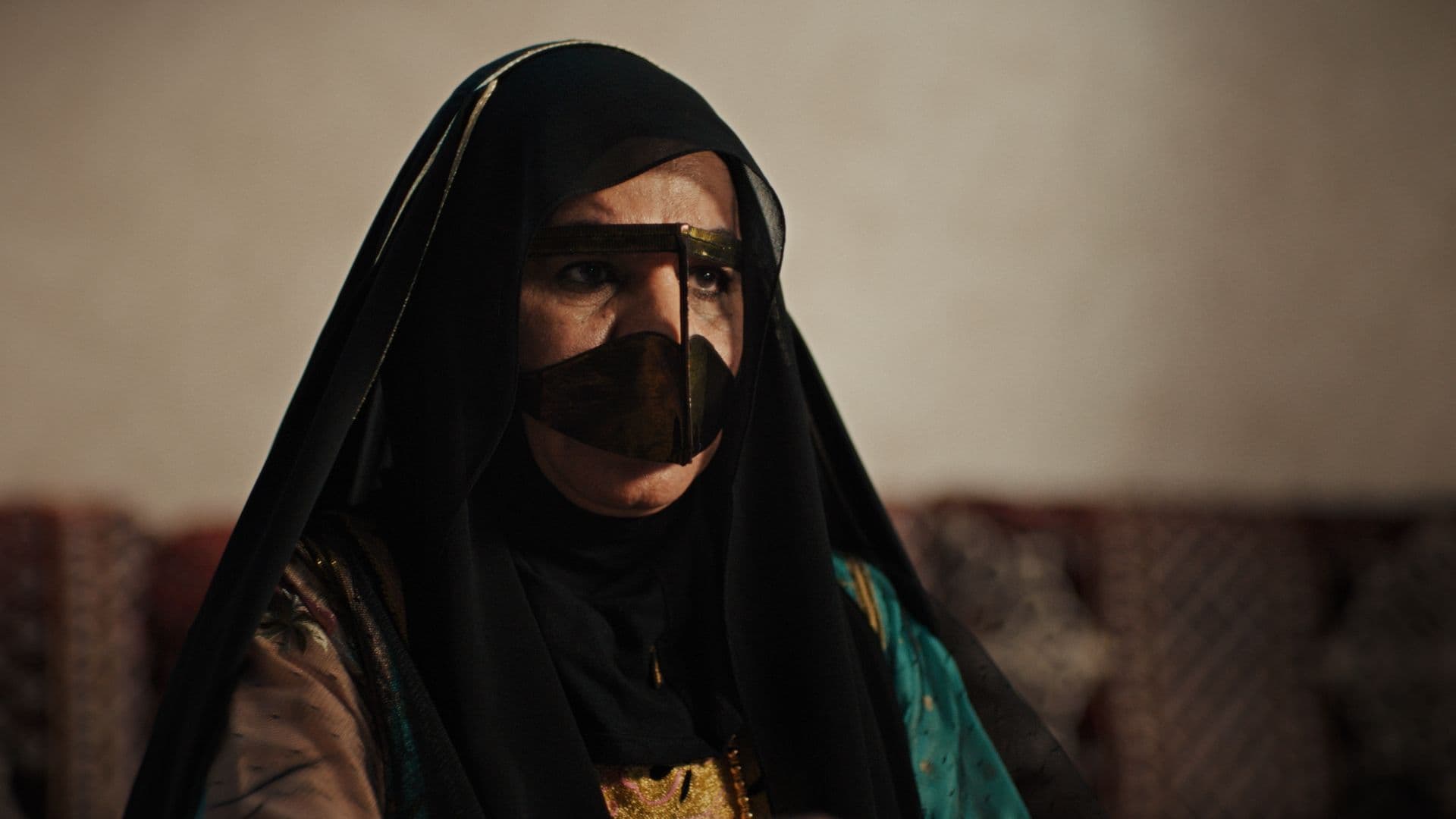
- Correct language. Arabic terms, place names and family names are pronounced and transliterated correctly, and subtitles match what is said.
- Archive with context. Historical photographs and footage appear with dates or provenance, not as decorative texture.
- Restraint. The film lets a fact land without music telling you how to feel about it.
Questions to Ask About Sources
Take these into your first meeting with any shortlisted filmmaker:
- For one film on the reel, walk us through how a key fact was sourced and verified.
- Who reviewed the script for historical and cultural accuracy before filming began?
- How do you handle conflicting accounts, for example two families remembering an event differently?
- Where did the archival material come from, and how were rights cleared?
- What happens when research contradicts the client's preferred version of the story?
The last question matters most. A filmmaker who has an answer has been there before.
Judging Story Structure Over Pretty Shots
A documentary showreel often blurs two different skills: making images and making meaning. They are not the same. Plenty of cinematographers can do the first. Fewer teams can do the second over a full running time.
Does the Film Have an Argument?
Every strong documentary is arguing something. Not in the sense of a debate, but in the sense of a point of view. This craft survived because of these people. This landscape shaped this way of life. This institution exists because of a decision made at a particular moment.
Ask yourself what the film is saying. If you can state it in one sentence after watching, the structure is working. If all you can say is that it looked beautiful, the film may be a sequence of shots rather than a story.
In a reel, look for excerpts that carry a thought from one shot to the next. A cut from an elder's hands to an empty workshop says something. A cut from a drone shot to another drone shot usually does not.
Pacing: Where Attention Is Earned, Not Assumed
Fast cutting is not the same as momentum. Quick edits can hold the eye for a minute. They cannot hold the mind for thirty. Long-form documentary earns attention through questions the viewer wants answered, through characters they come to care about, through information revealed in the right order.
Watch for moments of stillness. A filmmaker confident in their material will let an interview breathe, hold a wide shot longer than is comfortable, or leave a silence after something important is said. Those choices are harder than they look, and they rarely appear in reels cut only to impress.
Craft Signals That Separate Professional Work
Among the best documentary filmmakers in the UAE, the differences are often found in the details most buyers do not think to check. These three tell you the most.
Sound and Interview Quality
Close your eyes for a minute of the reel. Is the dialogue clean? Is there room hum, wind noise or a sharp change in tone between shots? Audiences forgive imperfect images far more readily than poor sound, and sound is where rushed productions show first.
Then look at the interviews. Is the subject lit with care, with attention to skin tone and eyes? Is the framing consistent within a scene? Is the background chosen to say something about the person, or is it simply a blank office wall? For older interviewees and senior officials, look at how the frame treats them. Respect shows in the composition.
Archival Integration
Archive is where a documentary connects the present to the past. Handled well, it carries the story. Handled badly, it looks like filler.
Look for archival footage shown at its correct aspect ratio rather than stretched to fill the screen. Look for restraint with artificial movement on still photographs. Look for archive introduced with a reason, so the viewer understands what they are seeing and why it matters at that point in the story. If a filmmaker has produced archival material for institutions, ask how they catalogued it. Archive work done well leaves a record the client can use for years.
Format Choices: Film, Digital and Why It Matters
Format is a creative and practical decision, and a filmmaker should be able to explain it. Digital capture offers flexibility, low light performance and fast turnaround. Shooting on film offers a particular texture and a sense of permanence that some subjects call for.
Neither is the right choice for every project. The point is that the choice should be deliberate. Ask each filmmaker why a given piece on their reel was shot the way it was. "That's the camera we own" is an answer. It is not a reason.
Red Flags to Watch for in Any UAE Heritage Showreel
Some warning signs suggest a filmmaker is not yet suited to sensitive national or institutional work. A single one may not disqualify a team. Several together should.
- No clear answer on sources. If the filmmaker cannot explain how a fact in their own film was verified, they did not verify it.
- Unlabeled reconstruction. Re-enactments, AI-generated imagery or staged scenes presented as if they were real archive.
- Heritage treated like a tourism advertisement. Every elder in slow motion, generic music, no names, no specific practice explained.
- Errors in language. Mispronounced place names, inconsistent transliteration or subtitles that do not match the speech.
- A reel made only of commercials. Brand films and event highlights show production skill, but not the stamina for long-form factual work.
- No complete film to share. Every reputable documentary team can show at least one finished piece, even if some work is confidential.
- Careless protocol. Framing, music or editing choices that sit uneasily with the dignity of national, religious or royal subjects.
Nomination films deserve their own bar. To be inscribed on UNESCO's Representative List of Intangible Cultural Heritage, a nomination must satisfy five criteria, including that the element falls within the Convention's definition of intangible cultural heritage. Each year's nominations are examined by UNESCO's Intergovernmental Committee under the procedures set out in the Operational Directives, and the same examination applies to the List of Intangible Cultural Heritage in Need of Urgent Safeguarding. A film made to support that file is read as part of a formal case, not as a promotional piece.
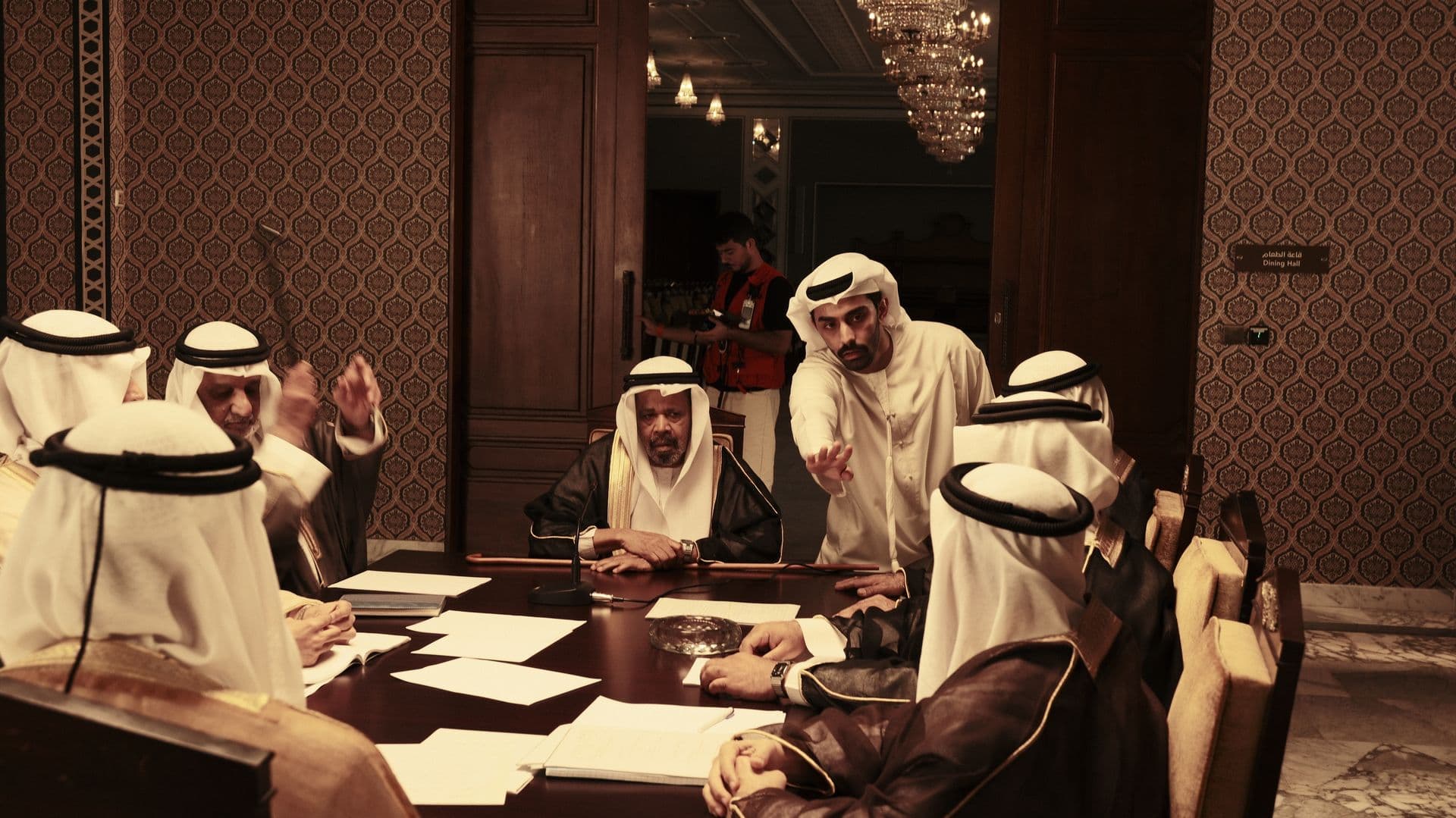
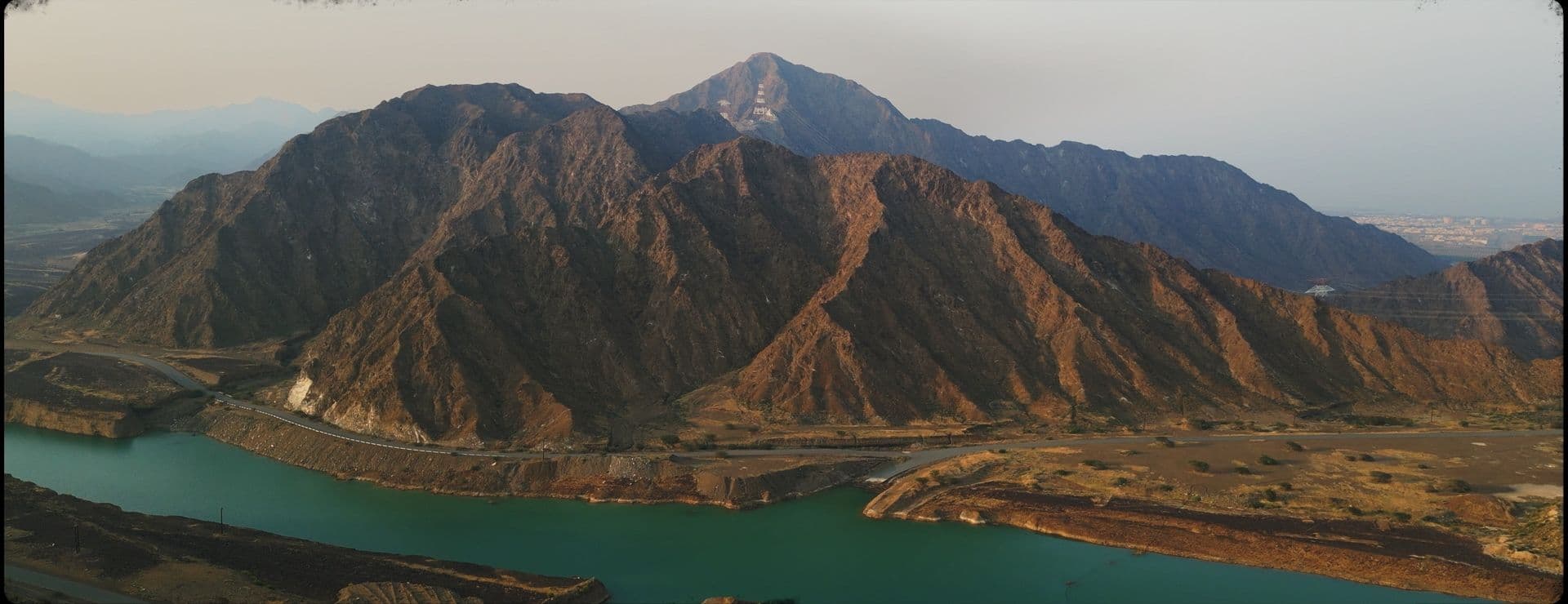
Our own work includes Wadi Wurayah, a documentary made for Fujairah's UNESCO file, which was successfully nominated as human heritage. When a filmmaker shows you nomination work, ask what role the film played in the file and how its content was aligned with the written submission.
A Simple Scoring Framework for Comparing the Best Documentary Filmmakers in the UAE
Impressions fade. After the third or fourth reel, they blur together. A simple scoring sheet keeps your judgment honest and gives your committee a shared record of why one team was shortlisted and another was not.
Five Criteria, One Scale
Score each criterion from 1 to 5 after watching the reel and at least one complete film.
- Research: What a 1 looks like: Vague claims, no named sources, no answer when asked; What a 5 looks like: Specific facts, credited voices, a clear verification process explained in meeting; Where to find the evidence: Full film, source questions
- Structure: What a 1 looks like: Attractive shots with no clear point; What a 5 looks like: A film you can summarize in one sentence, with pacing driven by ideas; Where to find the evidence: Full film
- Craft: What a 1 looks like: Uneven sound, flat interview lighting, stretched archive; What a 5 looks like: Clean audio, considered interview framing, archive used with context; Where to find the evidence: Reel and full film
- Cultural accuracy: What a 1 looks like: Generic heritage imagery, language errors; What a 5 looks like: Correct names and terms, respectful framing, subject experts involved; Where to find the evidence: Reel, script samples, references
- Format choice: What a 1 looks like: Same look on every project, no rationale; What a 5 looks like: Format chosen for each subject, with a reason the team can explain; Where to find the evidence: Meeting discussion
Weight the criteria to fit your project. For a UNESCO nomination film or a national tribute, research and cultural accuracy should count for more than craft. For an internal institutional series, structure and craft may weigh more heavily.
Using the Framework Across a Shortlist
Have two or three people score independently, then compare. Where scores differ widely, rewatch that film together and discuss what each person saw. The disagreement is often more useful than the average.
Keep notes beside each score, not just numbers. "Could not explain archive sources" is more useful in a procurement file than a 2. If you want a wider view of how teams in the capital differ in approach, our overview of documentary production companies in Abu Dhabi compared sets out the options side by side.
Finally, score after the meeting, not before. A reel opens the conversation. The conversation shows you how a team thinks.
Frequently asked questions
How long should a documentary showreel be?
Most reels run a few minutes, which is long enough to show visual range and short enough to hold attention. Length matters less than what follows it. A strong reel should come with access to at least one complete film, because that is where research and structure can be judged.
Should a showreel include client testimonials?
Testimonials can add context, but they are no substitute for the work itself. For institutional buyers, references you can contact directly carry more weight than quotes on screen. Ask for them alongside the reel.
What's the difference between a demo reel and a full documentary showreel?
A demo reel is usually a fast montage designed to show visual skill. A documentary showreel should also show how a team handles interviews, narration and archive, often through longer excerpts. If a company only offers a montage, ask for excerpts that run long enough to show a scene unfolding.
Can a showreel show unfinished or work-in-progress footage?
It can, as long as the filmmaker says so clearly. Work in progress can be a fair way to show recent capability when finished films are still under embargo. It should never be presented as completed, approved work.
How many showreels should I watch before shortlisting a filmmaker?
Enough to see real differences in approach, which for most institutional projects means a shortlist of three to five teams. Watch at least one full film from each and score them on the same criteria. Fewer than three gives you little to compare, and many more makes careful comparison difficult.
If you are weighing up documentary filmmakers for a national, cultural or institutional project, start a project with Sedrah Stories and we'll walk through research, scripting and production stage by stage.