


Key takeaways
- Documentary production companies in Abu Dhabi fall into two broad groups. Some are research-led heritage and factual specialists. Others are generalist video or advertising houses that list documentary as one service among many.
- The clearest sign of a real documentary practice is a named, repeatable process in which discovery, research and scripting happen before a camera is booked, not alongside it.
- Government and semi-government bodies commissioning a film for a national occasion or a UNESCO nomination file should ask for examples of research-backed work, not only a demo reel.
- Format matters. A company that shoots on film for certain projects is making a deliberate choice about preservation, not defaulting to digital convenience.
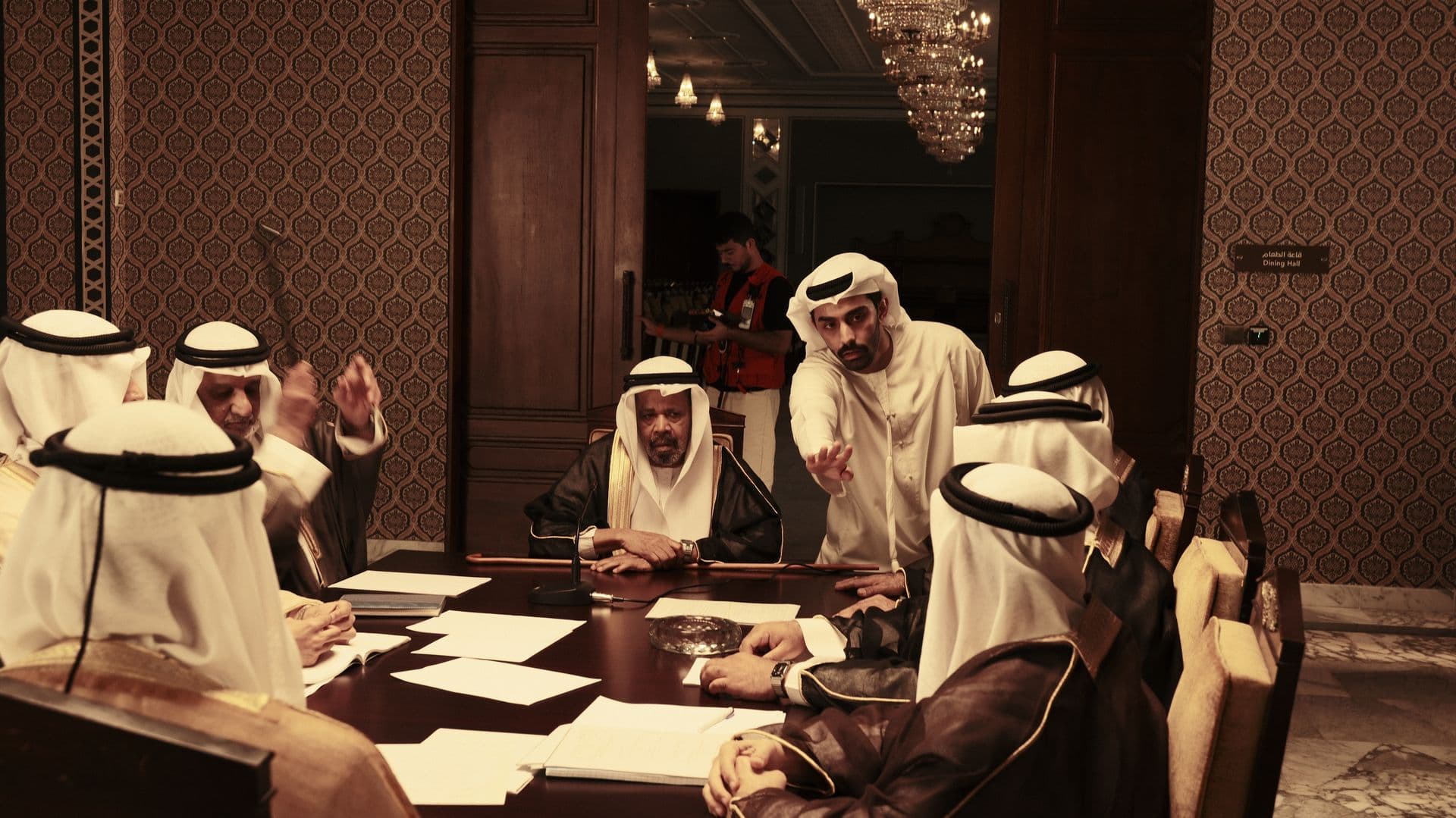
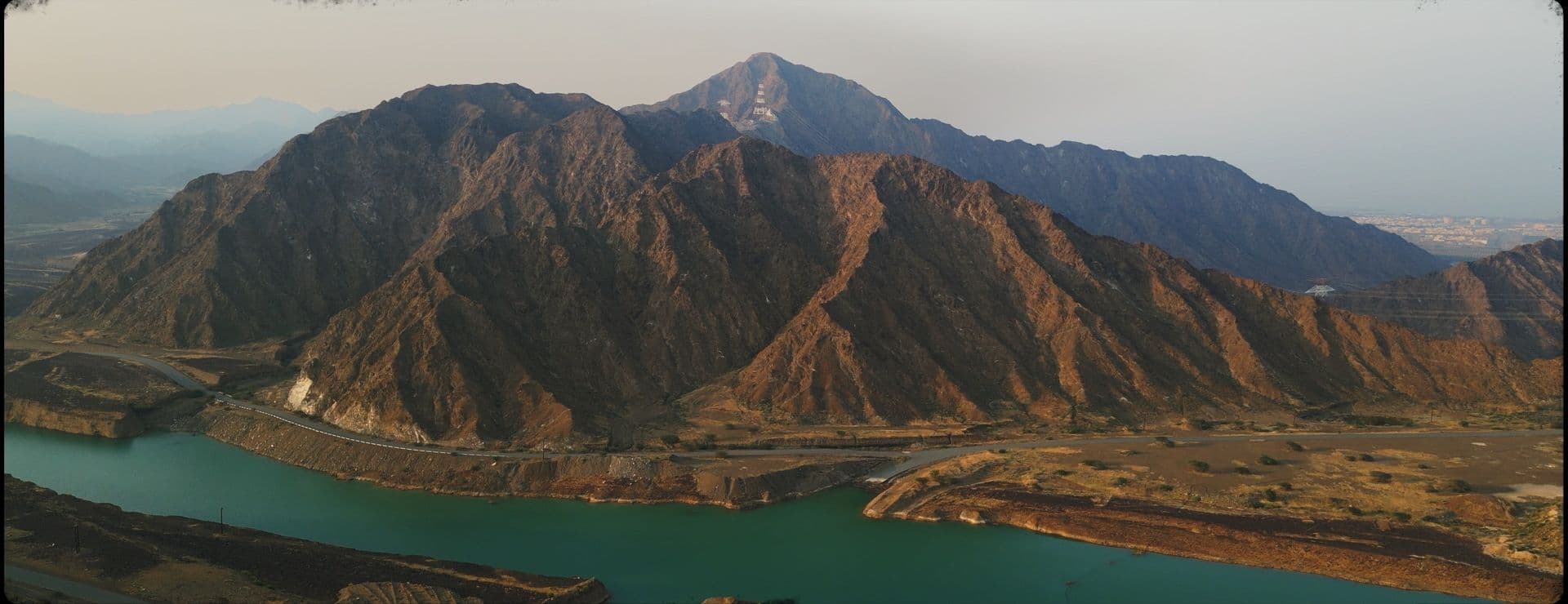
- At Sedrah Stories, the Wadi Wurayah documentary for Fujairah's UNESCO file and Challenge 71, our film on a competition among the UAE's top government achievers, were both built on the same five-stage method we apply to every film.
What Actually Separates Documentary Production Companies in Abu Dhabi From One Another
Documentary production companies in Abu Dhabi differ less in their cameras than in what happens before the cameras arrive. Some companies are built around research and narrative. Others are built around shooting, and documentary is one of several formats they deliver. That one distinction predicts most of what you will get on screen.
The market is large. According to a legal briefing on Abu Dhabi's production incentives, the emirate hosts over 800 media companies, around 300 of them production-specific, alongside a growing freelance talent pool. Many of these companies can make something that looks like a documentary. Fewer can make one that holds up to a historian, a ministry reviewer or a UNESCO evaluator.
Broadly, a buyer will meet two kinds of company:
- Research-led heritage and factual specialists. Their work starts with sources, oral histories, archives and context. Story structure comes from what the research finds.
- Generalist production houses. They make commercials, events coverage, corporate films and branded work, and they add documentary-style projects to that list. Their strength is execution at speed and scale.
Neither group is wrong. They are built for different jobs. At Sedrah Stories, we sit firmly in the first group, and you can see examples of documentary work across government and cultural institutions to judge that for yourself.
One practical point applies to everyone. Filming permits in the emirate are handled by the Abu Dhabi Film Commission, and international filmmakers must go through a licensed local production partner rather than applying directly. Whoever you hire, confirm they hold the standing to secure permits themselves.
The Five Criteria Worth Comparing Before You Shortlist Anyone
A reel shows you how a company lights a face. It does not show you whether the facts behind that face are right. Use the five criteria below to score every proposal on the same axes, ours included.
- Research methodology: What a strong answer looks like: A defined research phase with named sources, archives and interviewees, completed before scripting; Warning sign: Research described as "part of pre-production" with no deliverable
- Cultural and historical fluency: What a strong answer looks like: Scripts developed in the cultural register of the subject, with Arabic and English handled by people who know both; Warning sign: Corporate English drafted first, then translated
- Format capability: What a strong answer looks like: A reasoned recommendation for film, digital or both, tied to the project's purpose; Warning sign: Digital by default, with no discussion of longevity
- Government approval experience: What a strong answer looks like: Prior work for government or semi-government bodies, with review stages built into the schedule; Warning sign: No allowance for review rounds or sign-off layers
- End-to-end process: What a strong answer looks like: One team from discovery through post-production; Warning sign: Research, scripting and editing handed to separate vendors
Research methodology and how far it goes before scripting
Ask when research ends and scripting begins. In a genuine research-driven documentary production, the research phase produces something you can read: a source list, a timeline, interview notes, open questions. The script is written from that material. If a company proposes to research while it shoots, the story will be shaped by whatever footage is easiest to get.
Cultural and historical fluency versus translated corporate language
Heritage filmmaking in Abu Dhabi asks for a vocabulary that corporate copywriting does not have. The names of places, the order of family lineages and the way elders speak about the past all carry meaning. A script written in brand language and then translated will often be accurate word by word and wrong in tone.
Format capability: film, digital, or both
Most productions shoot digitally, and for many projects that is the right call. Some heritage projects deserve more thought. A production company might choose to shoot entirely on film for a given project, with no digitalization, because the medium itself becomes part of the archive. Before you decide, read our guide on how to choose between film and digital for a heritage documentary.
Experience with government and semi-government approval chains
Institutional films pass through more hands than commercial ones. A company with this experience plans for it. Our documentary Challenge 71, on a competition among the UAE's top government achievers across all sectors, is one example of the kind of institutional subject where that familiarity matters.
Whether the process runs end to end or hands off between vendors
Every handoff loses something. When a researcher, a scriptwriter, a crew and an editor come from four companies, no one owns the story. Ask who carries the narrative from the first meeting to the final grade.
Heritage and Factual Specialists vs Generalist Production Houses
The difference shows up in the finished film, and it shows up in risk. For most commercial work, the risk is a film that underperforms. For a national tribute or a heritage nomination, the risk is a film that is wrong, and a wrong film about a nation's history does lasting harm.
This is also why it helps to understand the difference between a documentary and a corporate video for an institution before you write a brief. The two can share equipment and crews. They do not share a purpose.
What a generalist house optimizes for
A generalist production house is built for throughput. It runs many projects at once, often to tight deadlines, across commercials, events and branded films. Its systems reward efficient shoot days, polished visuals and fast turnaround. When it takes on factual filmmaking in the UAE, it usually brings those same priorities: a strong look, a clear message, a delivery date met. Research tends to be compressed into pre-production, and the script often follows the client's talking points.
That model suits launches, campaigns and event recaps. It is less suited to subjects where the facts are contested, the sources are oral, or the audience includes people who lived the history.
What a heritage and factual specialist optimizes for
A specialist is built for depth. Institutional documentary production of this kind starts by asking what is true and what is known, and only then asks how to film it. Schedules allow time for interviews with elders, archive retrieval and fact-checking. Scripts go through review with subject experts. Visual choices, including format, follow from the story and its future use as a record.
The trade-off is time. A specialist will rarely be the fastest option. For a film meant to stand for decades, that is the point.
What Research-First Production Looks Like in a Finished Film
The clearest example in our own work is the Wadi Wurayah documentary made for Fujairah's UNESCO file. The film was made to support the file, and the file was successfully nominated as human heritage.
A UNESCO nomination documentary in the UAE does not stand alone. It sits inside a larger dossier assembled by several institutions. The henna nomination, for example, brought together the Department of Culture and Tourism – Abu Dhabi, the UAE Ministry of Culture and Youth and the Arab League Educational, Cultural and Scientific Organization. Falconry's most recent inscription followed 11 years of continuous efforts by the UAE and partner nations. A film made for this kind of file has to agree with everything else in it.
That is what research-first means in practice. The film carries the same facts, names and claims as the written dossier, so evaluators meet one consistent account. It treats the place and its people as the subject, not the backdrop. And it is built to last, because a nomination film becomes part of the record long after the decision.
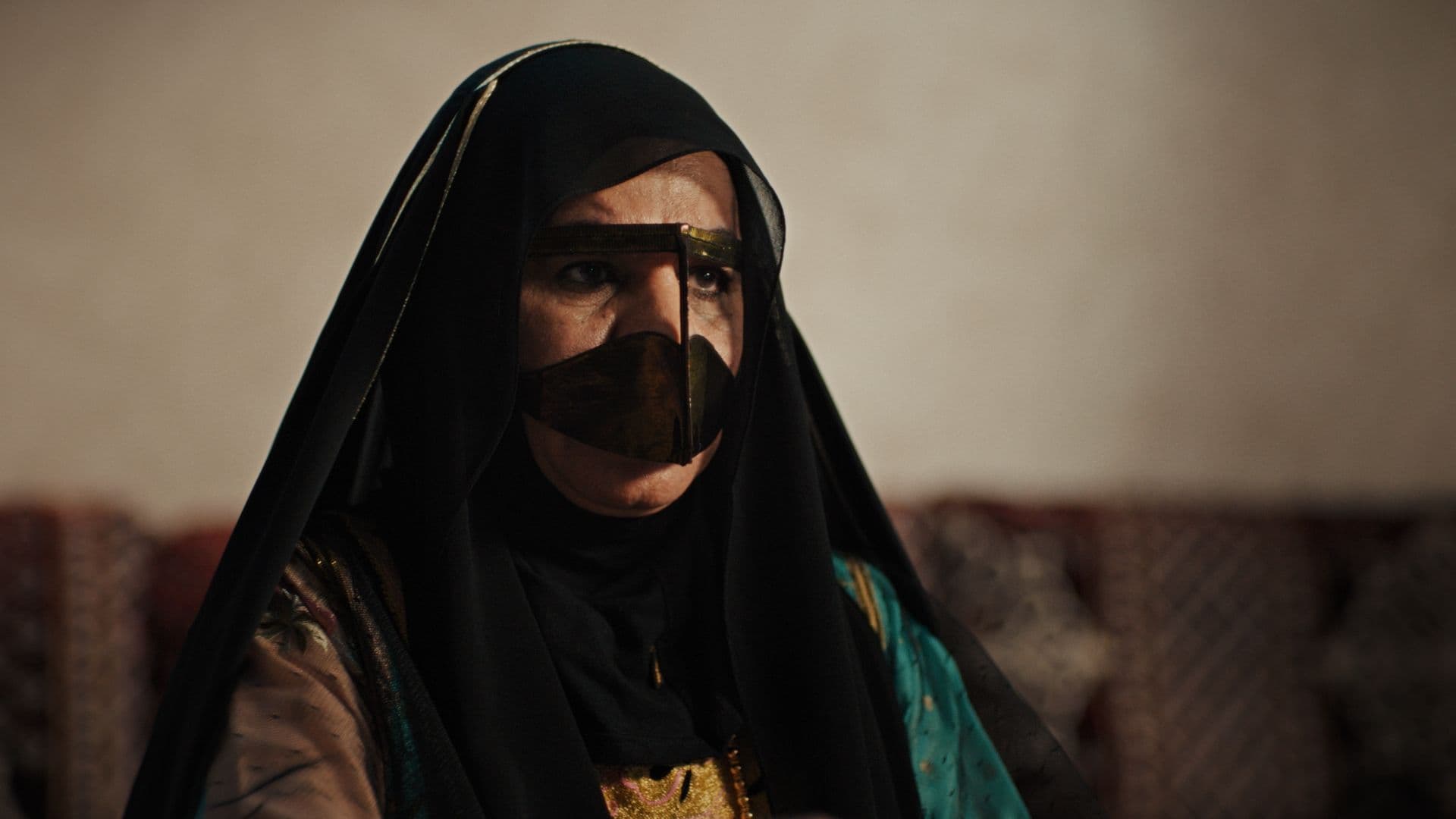
The pipeline of such work keeps growing. As of 2022, the UAE had 12 traditions on UNESCO's intangible heritage lists, from falconry to sadu weaving. In December 2025, Al Ahalla was added, a traditional art form once practiced by pearl divers to lift morale. Each of these began as a living practice someone had to document carefully.
Every film we make goes through the same five stages: Discovery, Research, Scripting, Production, Post-production. Research first, then the frame.
Questions to Put to Any Company Before You Commission a Film
If you are drafting a documentary production RFP in the UAE, the questions below will separate proposals quickly. Put them to every bidder, including us. For a longer version, see our full RFP checklist for government bodies commissioning documentaries.
Questions about research and sourcing
- What does your research phase produce, and will we see it before the script?
- Who conducts the research, and are they part of your team or contracted separately?
- How do you verify oral histories and reconcile conflicting accounts?
- Which archives, libraries or institutions have you worked with before?
- Who reviews the script for cultural and historical accuracy?
Questions about format and preservation
- Do you recommend film, digital or both for this project, and why?
- Have you shot any project fully on film?
- What masters and raw materials will we receive, and in what formats?
- How will the footage be stored so it remains usable as an archive?
Questions about process and ownership of the final cut
- Can you name the stages of your process and what is signed off at each one?
- Will one team carry the project from discovery to post-production?
- How many review rounds are built into the schedule, and at which stages?
- Who owns the final cut, the raw footage and the interview recordings?
- Do you hold the local license needed to secure filming permits directly?
A company with a real process will answer these without hesitation. A company without one will answer them with a reel.
Frequently asked questions
How much does it cost to hire a documentary production company in Abu Dhabi?
Cost depends on research depth, the number of shoot days and locations, archive licensing, format and running time. A multi-episode series shot partly on film will cost more than a single short film shot digitally. Ask every bidder to price each stage separately, from discovery to post-production, so you can compare like with like.
Do documentary production companies in Abu Dhabi also handle UNESCO nomination films?
Some do, though few have delivered one for a successful file. Sedrah Stories made the Wadi Wurayah documentary for Fujairah's UNESCO file, which was successfully nominated as human heritage. When comparing companies, ask for nomination work specifically, since it must align with a multi-agency dossier.
What's the difference between a documentary and a corporate video for a government institution?
A corporate video carries a message the institution wants to send. A documentary investigates a subject and lets the research shape the story. For national occasions and heritage records, the documentary approach gives the film credibility and a longer life.
How long does it take a production company to deliver a finished heritage documentary?
It depends on how much research the subject needs, how many interviews and locations are involved, and how many review rounds the commissioning body requires. Heritage films usually take longer than commercial work because research and fact-checking come before scripting. Ask for a stage-by-stage schedule rather than a single delivery date.
Can a production company film on actual film stock instead of digital for heritage projects?
Yes, though not every company offers it. Some projects suit a full film shoot, with no digitalization, where the medium itself suits the subject and its value as a record. The right choice depends on the project's purpose, budget and how the footage will be preserved.
If you're comparing documentary production companies in Abu Dhabi for a heritage, government or institutional film, start a project with Sedrah Stories and we'll walk you through our five-stage process from discovery onward.