


Key takeaways
- You can commission research and scripting as a standalone phase, before any production budget or filming date is confirmed.
- A documentary researcher checks primary and secondary sources against institutional records before any narration is written.
- Bilingual scripting means writing for Arabic and English audiences from the start, not translating a finished English script afterward.
- Sedrah Stories follows a five-stage methodology (Discovery, Research, Scripting, Production, Post-production), so a scripting engagement can hand off cleanly into production later.
- A scriptwriter's familiarity with UAE heritage and institutional context matters as much as their writing samples.
When Should You Hire Research and Scripting as a Standalone Service?
The best time to hire a documentary scriptwriter in the UAE is often before production is even discussed. Commission research and scripting on their own when the budget is not yet set, when an institution needs a written document to approve, or when several stakeholders must agree on the story before a camera is booked. At Sedrah Stories, we treat this phase as the foundation of the film. The output is a verified research file and a narration-ready script that can be reviewed, approved and filmed later.
Most engagements begin with the discovery stage that precedes research. In discovery we define the subject, the audience and the purpose. Research and scripting then turn those decisions into a story that can be defended line by line.
Early-Stage Projects Without a Confirmed Production Budget
Many heritage and institutional films start as an idea without a budget attached. Funding the research and script first gives you a concrete document to cost against. A producer can estimate locations, shoot days, archive licensing and crew from a finished script. Estimating from a one-paragraph concept is mostly guesswork.
Government and Institutional Approval Processes
Government and semi-government bodies usually need a document that leadership, communications teams and subject experts can read and sign off. A script does that job. For UNESCO work the case is stronger. UNESCO's Intergovernmental Committee meets once a year to evaluate nominations, so a nomination film has to fit that annual cycle. Every nomination file includes four parts: the ICH-02 nomination form, evidence of community consent, ten photos and a short video. That makes the film a formal deliverable with set requirements, and the script should be written with those requirements in mind from the first draft.
Multi-Stakeholder Projects That Need a Written Reference Before Filming
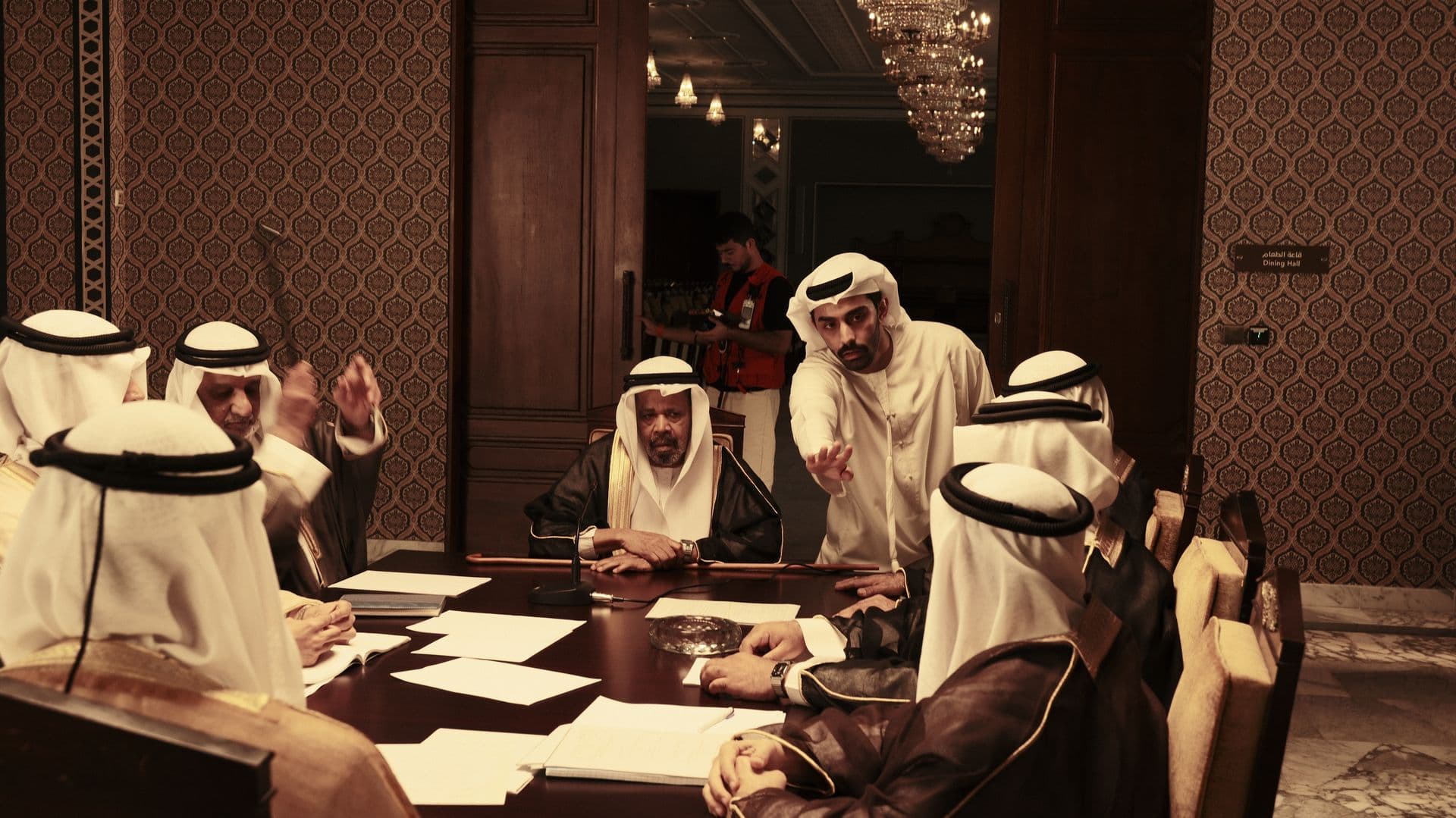
When a film involves a ministry, a cultural foundation, community elders and an archive, each party brings its own priorities. A shared script settles the factual record and the narrative order before anyone is on set. Disagreements are cheaper to resolve on paper than in an edit suite.
What a Documentary Researcher in the UAE Actually Does
A documentary researcher in the UAE builds the factual base the script stands on. This is the work you are paying for before the first line of narration exists.
Gathering Primary and Secondary Sources
Primary sources come closest to the subject itself: archival documents, photographs, recorded oral histories and interviews with the people who hold the knowledge, including craftspeople, elders, practitioners and officials. Secondary sources are the published record, such as histories, academic studies, institutional publications and official heritage documentation.
Heritage subjects in the UAE often need both. Take the Al Aflaj nomination examined for the 2020 Representative List. It covered oral traditions together with the skills for building, maintaining and fairly sharing water through the traditional irrigation network. One film on a subject like that draws on engineering, social custom, oral memory and history at once.
Some subjects also cross borders. Al-Ayyala was inscribed in 2014 as a performing art shared by Oman and the UAE. Research on joint elements like this has to reflect sources and communities from more than one country.
Verifying Facts Against Institutional Records
Every date, name, title and claim is checked against institutional records before it reaches the script. Where sources conflict, the researcher records the conflict and notes which source carries more authority. Where a fact cannot be confirmed, it stays out of the narration. For films made for national occasions, that discipline is the minimum standard.
Handing Research to the Scriptwriter
The research file is a working document, not a bibliography. It sets out verified facts, source references, interview notes, archive leads and open questions. On The Pledge Day, our tribute to the country for Union Pledge Day, 18 July, shot 100% on film with no digitalization, research notes and references sit beside the frames they informed. That link between source and image is what we aim for in every handoff from research to script.
Research-Driven Scripting vs Generic Scriptwriting
Research-driven scripting costs more than a generic corporate script because it includes the investigative work behind every line. The difference shows on screen and in how the film holds up to scrutiny.
What Generic Scriptwriting Misses
A generic script usually starts from a brief and a tone of voice. It describes rather than reveals. It leans on general statements about legacy and vision because nothing more specific has been verified. It may read smoothly, but it rarely survives a subject expert's review without heavy rewrites. If you are still deciding which format suits your goals, our guide to documentary vs corporate video for your institution sets out the distinction in more detail.
What Research-Driven Scripting Delivers
A research-driven script is built from verified material. Its structure follows the story the evidence supports. It names people, places and practices precisely. It also gives the director a clear map of what must be filmed, recorded or sourced from archives. We explain the method step by step in how to script a documentary using verified research.
- Starting point: Generic scriptwriting: Client brief and messaging; Research-driven scripting: Discovery, then verified sources
- Factual basis: Generic scriptwriting: General statements, light checking; Research-driven scripting: Facts checked against institutional records
- Cultural accuracy: Generic scriptwriting: Depends on the writer's assumptions; Research-driven scripting: Grounded in community and archival sources
- Expert review: Generic scriptwriting: Often needs major rewrites; Research-driven scripting: Built to survive specialist review
- Use for production: Generic scriptwriting: Describes a mood; Research-driven scripting: Maps scenes, interviews and archive needs
- Suitability for UNESCO or national files: Generic scriptwriting: Limited; Research-driven scripting: Written to formal requirements
- Longevity: Generic scriptwriting: Dates quickly; Research-driven scripting: Remains a reference document
Scripting in Arabic and English: What Bilingual Work Involves
An Arabic English documentary script is often essential for UAE institutions. The audience includes Emirati citizens, Arabic speakers across the region and international viewers. UNESCO's own records reflect this: its list of nominations under examination records language versions for supporting documents, including a UAE inventory marked "English/Arabic".
Writing for Two Audiences, Not Translating Twice
Translating a finished English script into Arabic tends to produce narration that is accurate but feels foreign. Sentence rhythm, honorifics, poetic references and the order in which ideas land differ between the two languages. Writing bilingually from the outset means each version is built for its audience. The same verified research shapes both, but each language carries the story in its own way.
Keeping Narration Accurate Across Both Languages
Bilingual scripting needs one shared research file and one agreed set of facts. Names of places, tribes, practices and institutions must be spelled and transliterated consistently. Technical heritage terms often have no clean English equivalent. Those terms need a decision, recorded once and applied everywhere, about whether to keep the Arabic term, explain it, or both.
When a Project Needs One Script or Two
Some films use Arabic narration with English subtitles, or the reverse. In that case one master script, plus a carefully written subtitle version, may be enough. Others need two separate narration tracks for different broadcast or exhibition contexts, and two parallel scripts serve them better. The decision belongs in discovery, because it affects how interviews are recorded and how the edit is structured.
What to Look for When Hiring a Documentary Scriptwriter in the UAE
Use these criteria when you compare candidates or production partners for a standalone scripting engagement.
Experience With Research-First Methodology
Ask how the writer works before they write. A strong answer describes a sequence: discovery, source gathering, verification, then structure. Ask to see a research file alongside a finished script, not just the script. If research is treated as optional or handed to the client, that tells you how the script was built.
Familiarity With UAE Heritage and Institutional Context
The UAE has 21 elements on UNESCO's intangible cultural heritage lists. Recent inscriptions include Al Sadu weaving (2025), Henna rituals and practices (2024), Arabic coffee as a symbol of generosity (2024) and Harees dish know-how (2023). The country's involvement with the 2003 Convention goes back further: the Committee held its fourth session in Abu Dhabi in 2009 and inscribed 76 elements on the Representative List there.
A scriptwriter working on these subjects should understand that context and the sensitivities around national identity. Institutional films need a similar fluency. Challenge 71, our documentary on a competition among the UAE's top government achievers across all sectors, is the kind of subject where a writer has to understand how government work is organized and represented.
Questions worth asking:
- Which UAE heritage or institutional subjects have you researched before?
- How do you approach communities and knowledge holders?
- How do you handle subjects shared with neighboring states?
- Who reviews your scripts for cultural accuracy?
Ability to Write for Narration, Not Just Reading
A documentary script is heard, not read. Sentences have to work at the pace of a voice and alongside images, music and silence. Ask for a recorded sample or a finished film, not only a document. Good narration leaves room for the picture to speak.
How Standalone Scripting Leads Into Full Production
A research-and-scripting engagement should never be wasted work. Done properly, it becomes the backbone of documentary production.
From Script to Production Brief
A finished script converts directly into a production brief. It lists the scenes, locations, interview subjects, archive material and any re-creation or observational sequences. Each line of narration traces back to the research file, so the director knows what must be captured and why. Every film goes through the same five stages: research first, then the frame.
When the Same Team Should Carry the Script Forward
Continuity has real value. The team that did the research knows the sources, the contacts and the open questions. They know which interviewees were the most reliable and which archives hold more than the script uses. Because our five stages run in sequence, a scripting engagement with us moves into production without restarting discovery. You can see the range of Sedrah Stories' documentary production work for examples of where that continuity leads.
What Changes if You Switch Production Partners
A well-built research file and script can travel. If you take them to another production partner, make sure the handoff includes the full source references, interview notes, transliteration decisions and approval history, not just the final script. Expect the new team to spend time absorbing that material before they can film with the same confidence.
Frequently asked questions
Can we hire research and scripting without committing to full production?
Yes. Research and scripting can be commissioned as a standalone phase, often after a short discovery stage. You receive a verified research file and a narration-ready script you can use for approvals, budgeting or a later production decision.
How long does the scripting phase take for a documentary?
It depends on the subject, the number of sources and stakeholders, and whether the script is bilingual. A heritage subject with oral histories and archive work takes longer than a contemporary institutional story. We agree a schedule during discovery, and for UNESCO nominations we plan backward from the annual Committee cycle.
Do you provide scripts in both Arabic and English?
Yes. We write bilingual scripts from the outset rather than translating one language into the other. Both versions draw on the same verified research and a shared record of names, terms and transliterations.
What happens if research reveals the original story angle isn't accurate?
We tell you, show you the evidence and propose an angle the sources support. This is one of the main reasons to research before scripting. It is far better to change direction on paper than after filming.
Who owns the script and research once the project is delivered?
Ownership and usage rights are set out in the agreement before work begins. We recommend clarifying them early, especially if you may take the script to a different partner or use the research for exhibitions, publications or nomination files.
If you need research and scripting handled with the same rigor we bring to full production, start a project with Sedrah Stories. Tell us about your subject, and we will begin where every film should begin: with discovery.