


Key takeaways
- Discovery is a structured series of workshops and interviews, not a casual kickoff call. It starts with stakeholder mapping, long before anyone writes a script.
- Your institution should expect to name a core group of decision-makers and subject experts who can speak for the history or culture on screen.
- A clear story objective, agreed in writing before research begins, prevents costly changes of direction later in production.
- What you prepare before discovery (archives, access, approvals) sets the pace of the research phase.
- Discovery feeds directly into scripting. Gaps left here come back as rewrites, as our guide to scripting from verified research explains.
What the Discovery Stage Actually Is
At Sedrah Stories, the documentary discovery phase is the first of five stages we follow on every film: Discovery, Research, Scripting, Production and Post-production. It is a set of workshops and interviews in which we and the institution agree on four things: who the film is for, what it must say, who can speak for its subject, and what material it will draw on. Our overview of the five stages of making a documentary covers the full sequence.
Discovery is not research. Research gathers evidence and verifies it. Discovery decides which evidence the film needs and who has the authority to confirm it. The first asks what is true. The second asks what this film is for.
That distinction matters most in heritage work. The UAE has 21 elements on UNESCO's intangible cultural heritage lists. Each is a living practice with its own custodians, terminology and sensitivities. A film about any one of them carries weight beyond the screen. The discovery stage of a documentary is where we agree how that weight will be handled, before a camera is booked.
Who Needs to Be in the Room: Mapping Stakeholders
Stakeholder mapping is the first working exercise of discovery. We list everyone with a claim on the film: those who commission it, approve it, appear in it, advise on it and will eventually show it. Then we sort them by role. The aim is a short list of people who must attend the documentary workshop, and a longer list we will reach later, during research.
Decision-Makers vs Subject Experts
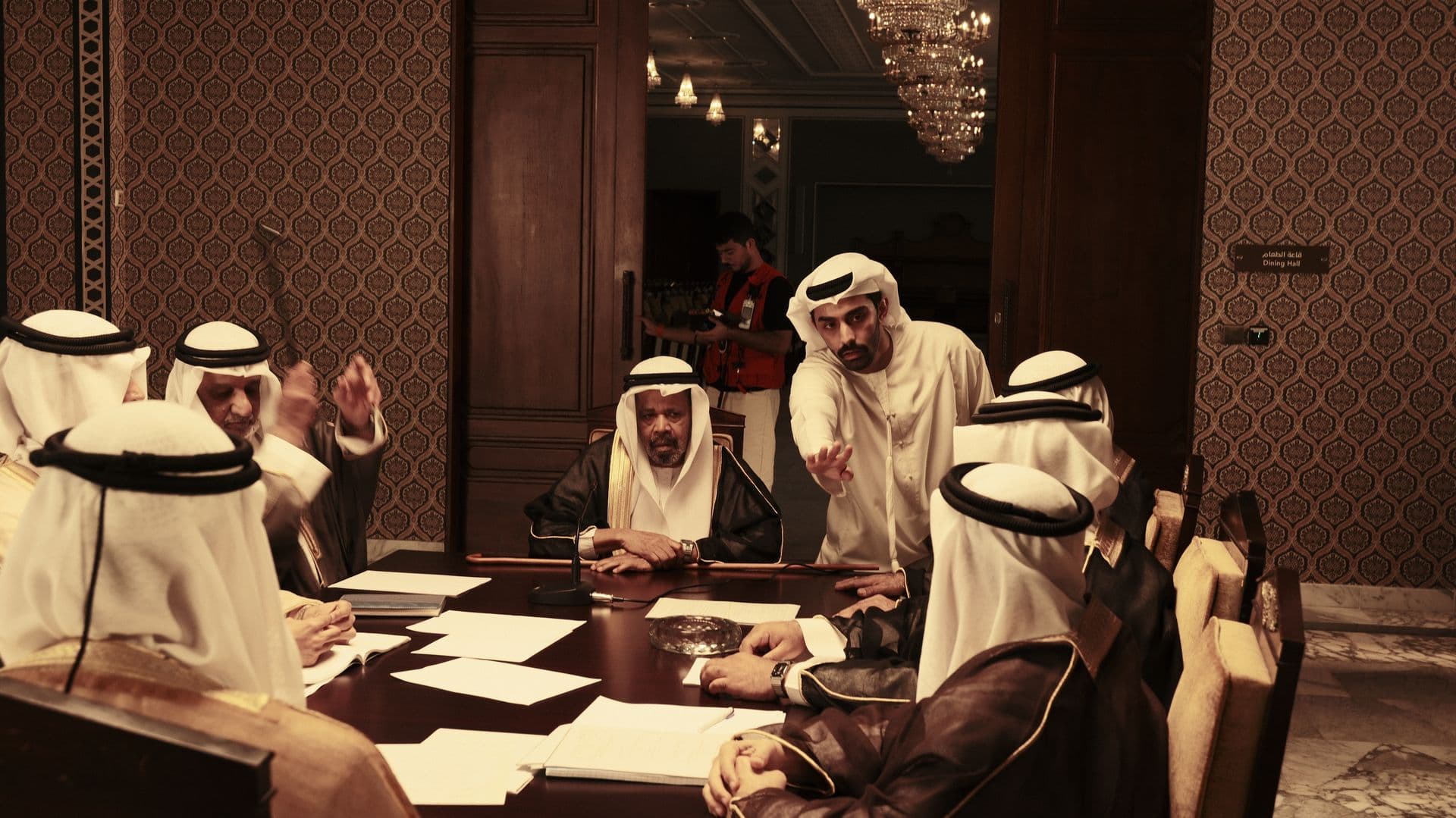
Decision-makers can approve direction, scope and final cut. They know the occasion, the audience and the institutional message. Without them, agreements made in the workshop have no standing.
Subject experts can speak for the history or culture being filmed. They may be historians, archivists, tradition bearers, practitioners or community elders. They know what is accurate, what is contested and what should not be shown. Without them, the film risks being polished and wrong.
The two groups answer different questions, and both need a voice early. A decision-maker can tell us the film is for an official ceremony. Only a subject expert can tell us that a particular term, gesture or song belongs to one community and not another.
Some subjects reach beyond national borders. Several UAE elements are shared nominations with other countries, including Al-Taghrooda (2012) and Al-Ayyala (2014) with Oman. When a film touches a shared element, the stakeholder map may need to include partner institutions abroad, not only UAE bodies.
Why the Wrong Room Costs Time Later
Every missing voice in discovery becomes a delay somewhere downstream. A senior approver who sees the project for the first time at rough cut can reopen questions everyone thought were settled. An expert consulted only after filming may identify an error that cannot be fixed in the edit. Both lead to the same place: reshoots, rewrites, a longer schedule.
The fix is simple, though not always easy. Bring the people who can say yes and the people who can say "that is not correct" into the same early conversation. A smaller room with the right people beats a large room without them.
Inside the Discovery Workshop
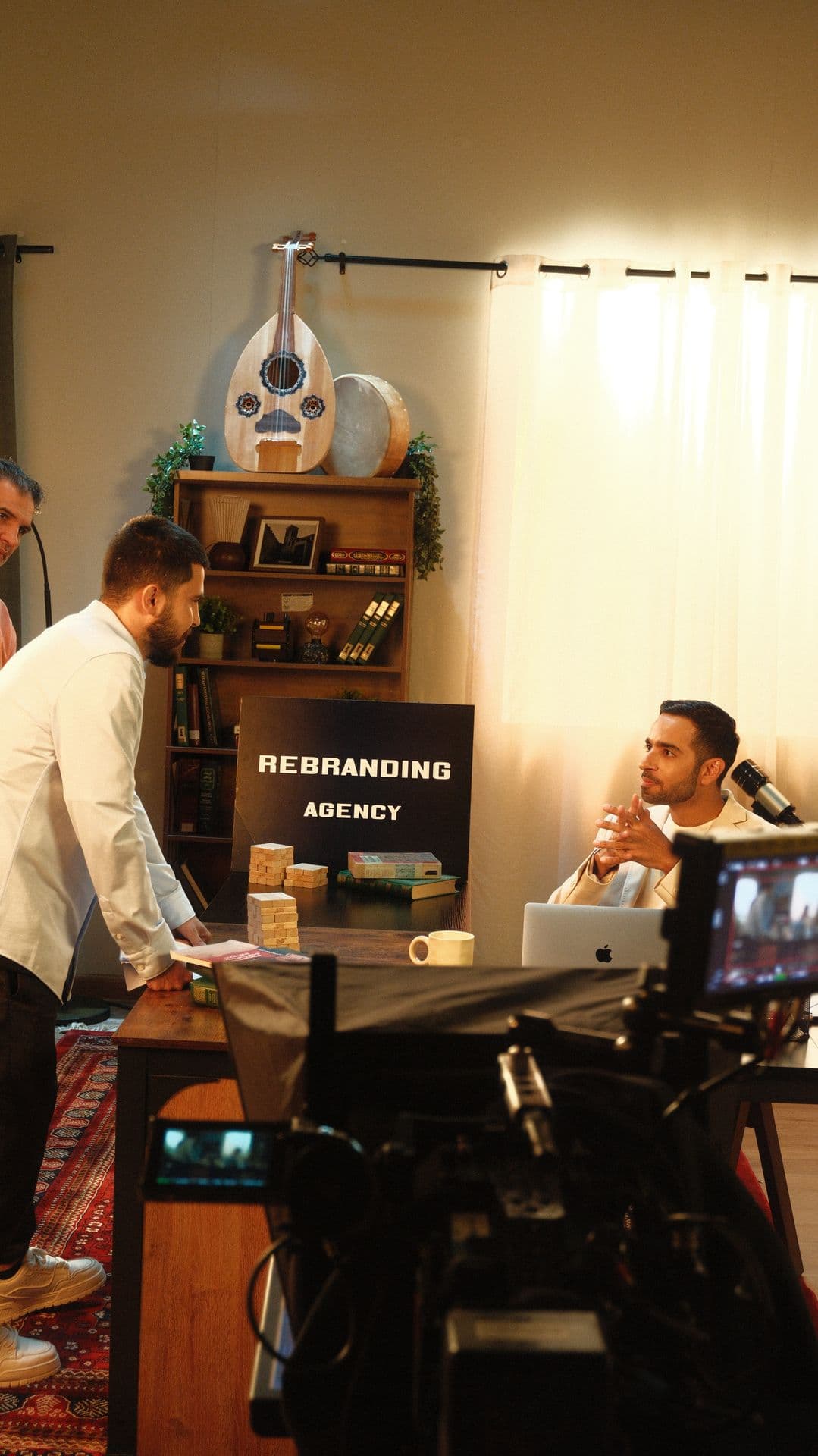
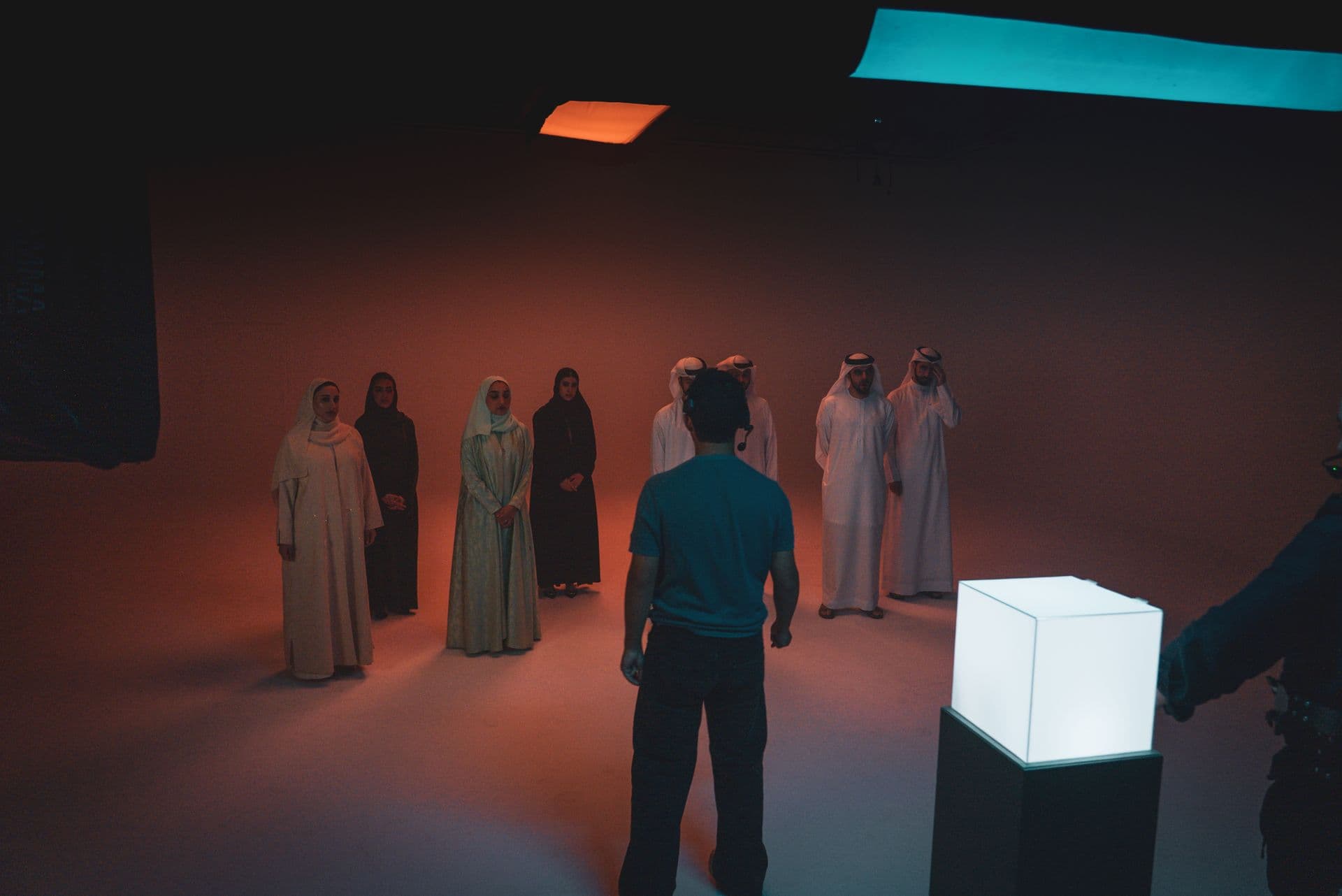
A discovery workshop is a working session, not a presentation. We arrive with questions, not a pitch. The output is a set of decisions that the documentary research process will rely on.
The Questions We Ask First
We open with questions that define the film before we discuss its subject:
- Who is the audience? A ministry delegation, schoolchildren, an international jury and a general broadcast audience each need a different film.
- What is the occasion? A national anniversary, a museum opening, a nomination file or an archive project shapes tone and length.
- What must a viewer understand by the final frame? We ask for one sentence. If the room cannot agree on it, that is the first finding.
- What must the film not do? This covers cultural sensitivities, protected spaces, people who should not appear and claims the institution cannot support.
- What already exists? Previous films, publications, recorded interviews and archive collections all go on the list.
- Where will it live? Screen, platform, exhibition space and language versions all affect how we shoot.
Then we run short exercises. We sketch a timeline of the subject so gaps and disputed dates are visible. We list the voices who could carry the story and mark which are available. We compare two or three possible framings of the same subject and ask the room which one is true to its purpose.
How a Workshop Can Surface the Real Subject
A commission often names a topic. A film needs a subject, which is narrower and more human.
Our documentary shoot following a motorcycle riding community shows how many layers one subject can hold. Its page describes three settings: the community's workshop, their rides through the city and the desert, and the conversations in between. Each could anchor a different film. One is about craft. One is about place. One is about people.
This is the kind of choice a discovery workshop exists to make. When a room says "we want a film about our heritage," our job is to find out which thread carries the meaning: the practice itself, the people who keep it alive, the places it belongs to, or the moment being honored. The topic stays the same. The subject becomes clear.
Setting the Story Objective Before Research Starts
Discovery ends with a written story objective. It is a short document that records what the workshop decided, and it becomes the reference point for every stage that follows.
What a Story Objective Document Contains
- Audience: What it records: Who the film is made for, in order of priority
- Purpose: What it records: What the film must achieve, and for which occasion
- Core statement: What it records: The one sentence a viewer should carry away
- Scope: What it records: What the film covers and what it deliberately leaves out
- Voices: What it records: The experts, custodians and participants we will seek
- Sensitivities: What it records: Cultural, religious and protocol considerations agreed in the room
- Format assumptions: What it records: Working length, number of parts, languages, delivery platforms
- Approval route: What it records: Who signs off at each stage, and in what order
Precision here protects the film. Take a heritage subject. Al Azi, the art of performing praise, pride and fortitude poetry, was inscribed in 2017 on the List of Intangible Cultural Heritage in Need of Urgent Safeguarding. Every other UAE element sits on the Representative List. A film about an element under urgent safeguarding carries a different responsibility from one about a widely practiced tradition. The story objective should say which applies.
We also confirm exact names at this stage. UNESCO's Browse the Lists page shows each element's registered name and status, for example Al Ahalla and Al Sadu on the 2025 Representative List. A title card that gets the registered name wrong is an avoidable error.
Why It Gets Signed Off, Not Just Discussed
A conversation is remembered differently by everyone who was in it. A signed document is remembered the same way. When the objective is signed, a change of direction later becomes a visible decision with a known cost, not a slow drift. Sign-off also gives the research team a mandate. They know what they are looking for and what they can set aside.
What Your Institution Should Prepare Before Discovery
The documentary discovery phase moves faster when the institution arrives prepared. Nothing here needs to be complete. A list of what exists, who holds it and how to reach it is enough to begin.
Archives, Access and Approvals
- Photo, film and document archives: Typically owned by: Archives or library team; Why it matters: Sets what the film can show from the past
- Previous films and publications on the subject: Typically owned by: Communications or media office; Why it matters: Avoids repeating what exists; shows gaps
- Recorded interviews and oral histories: Typically owned by: Research or heritage department; Why it matters: Can identify voices and verify claims early
- Access to locations and collections: Typically owned by: Facilities, museum or site management; Why it matters: Determines what we can film and when
- Internal approval route: Typically owned by: Executive office or project sponsor; Why it matters: Defines who signs off and in what order
- Usage rights for archive material: Typically owned by: Legal or rights team; Why it matters: Clarifies what can appear on screen
- Reference nomination files (heritage projects): Typically owned by: Heritage or culture department; Why it matters: Shows the documentation standard a nomination requires
For nomination work, examples help. UNESCO publishes the nomination files for each inscription cycle, such as the 2022 files for the Urgent Safeguarding List. Sharing files like these in discovery helps everyone agree on what a film supporting a nomination needs to demonstrate.
Recent inscriptions make this relevant. The UAE's 2025 entries include Al Sadu weaving, Bisht (men's Abaa) skills and practices, Arabic Kohl, Al Ahalla and the zaffa in the traditional wedding, with a separate entry adding an Al Sadu safeguarding program to the Register of good safeguarding practices. Institutions planning films on newly inscribed elements will find the official record a useful starting document.
If your institution is still at the procurement stage, our RFP checklist for government bodies covers what to include in a brief before a production partner is appointed.
Internal Contacts We Will Ask For
We will ask for one named project lead who can coordinate on your side and keep the approval route moving. We will also ask for a contact in each area that owns material in the table above, plus the subject experts identified during stakeholder mapping. Where a subject is shared with partner institutions or communities, we will ask who manages that relationship. One clear contact per area saves weeks of forwarded emails.
How the Documentary Discovery Phase Hands Off to Research
Discovery is complete when the research team can begin without asking what the film is about. Everything decided so far moves forward as working documents.
What Moves Into the Research Phase
- The signed story objective
- The stakeholder map, with contacts and roles
- The inventory of archives, publications and recorded material
- A list of open questions the workshop could not answer
- Known sensitivities and approvals required for specific material
Research then verifies, expands and fills the gaps. It tests claims against sources, conducts preliminary interviews and identifies where the archive is thin. Our explainer on what research-driven documentary production really means describes how that stage works in depth.
Where Scripting Picks Up
Scripting starts from verified research, and research starts from the story objective. The chain runs in one direction. If discovery left the audience vague or the scope open, the script inherits that vagueness and the rewrites begin. Our guide on how to script a documentary from verified research shows how a script is built from that foundation. Every film goes through the same five stages: research first, then the frame.
Frequently asked questions
How long does the discovery stage of a documentary usually take?
It depends on the number of stakeholders, the availability of decision-makers and how much material the institution has already gathered. A focused subject with a small, available group moves quickly. Subjects shared across institutions or countries take longer because more voices need to be heard before the objective can be signed.
Who from our institution needs to attend the discovery workshop?
At minimum, a decision-maker who can approve direction, a project lead who will coordinate day to day, and at least one subject expert who can speak for the history or culture being filmed. Where archives or locations are central to the film, the people who manage them should attend too. The stakeholder mapping exercise confirms the full list.
What happens if we skip the discovery stage and go straight to filming?
Questions that discovery would have settled come back later, when they cost more to answer. The audience, scope and approvals get decided in the edit suite, often after material has been shot that the film no longer needs. Reshoots and rewrites usually follow.
Can discovery findings change the format or length of the documentary?
Yes. A workshop may reveal that a subject needs several short episodes rather than one long film, or that a planned feature has too little archive to sustain it. Discovery is the cheapest moment to make that change. Once it is written into the signed objective, the format becomes a fixed reference for the rest of production.
Does the discovery stage cost extra or is it part of production?
Discovery is the first stage of our five-stage method, not an optional add-on. How it appears in a quote depends on the scale of the project and the number of stakeholders involved. We set out its scope clearly before work begins, so there are no surprises.
If your institution is weighing a documentary or heritage film and wants to know what the first stage looks like in practice, start a project with Sedrah Stories. We will begin where every film begins: in the room, with the right people, asking the right questions.