


Key takeaways
- A documentary moves through five fixed stages: Discovery, Research, Scripting, Production and Post-production. Each stage ends in a client decision before the next one begins.
- Research comes before any camera is booked. The structure of the film depends on what the research finds, not the other way round.
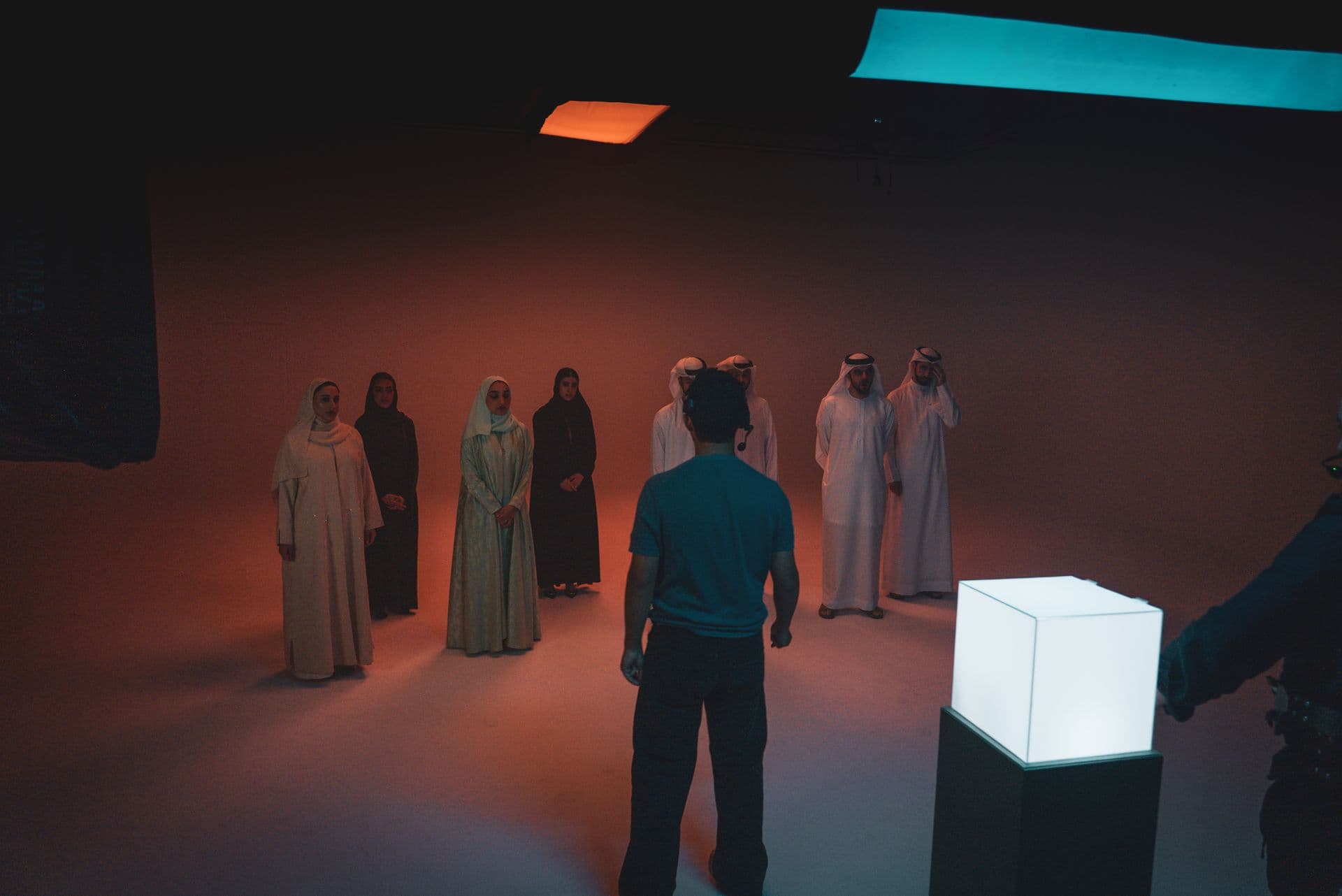
- Shooting format is a Discovery decision, not something improvised on a shoot day. The Pledge Day was shot 100% on film, with no digitalization, because that choice was made before filming started.
- Scripting gives a film its shape. That shape might be a single narrative arc, or structure drawn from the event itself, as with Challenge 71, which follows a competition among the UAE's top government achievers.
- Post-production is more than editing. It includes the archival and research material that sits alongside the final cut, as it does in The Pledge Day.
What "Step by Step" Means in Documentary Production
If you want to know how to make a documentary film step by step, the answer is five stages in a fixed order: Discovery, Research, Scripting, Production and Post-production. At Sedrah Stories, every film goes through the same five stages: research first, then the frame. Each stage ends with a decision the client owns. The next stage does not start until that decision is made.
This sequence is close to the structure taught in film schools. Industry guides describe five stages of film production: development, pre-production, production, post-production and distribution. Our documentary production process divides the early work more finely. Discovery and Research do the job of development. Scripting is where documentary pre-production becomes a plan you can shoot. We separate these stages because factual and heritage films live or die on what happens before the camera arrives.
The order matters more than the names. A film about national heritage, a government initiative or an intangible cultural practice cannot be rescued in the edit if the research was thin or the structure was guessed. Each stage protects the one after it.
If you are still choosing a partner, our guide on how to hire a documentary production company in the UAE sets out what to ask before you sign. The rest of this article walks through each stage in turn.
Stage One: Discovery, Before Any Camera Is Booked
Discovery is the first conversation, made rigorous. It defines what the film is for, who will watch it, where it will be shown and what it must never get wrong. Nothing is filmed. Nothing is scripted. The aim is a shared understanding firm enough to build on.
Anyone learning how to produce a documentary film tends to rush this stage. It is tempting to move straight to locations and interviews. Every hour spent here saves days later.
What gets decided at Discovery
- Purpose and occasion. A tribute for a national day carries a different weight from an internal knowledge film or a heritage series.
- Audience and platform. Broadcast, a ceremony screening, a museum installation or an online series each shape length, pacing and format.
- Shooting format. Film or digital, and the aesthetic that follows from it. This is a creative decision with practical consequences for crews, equipment and post-production.
- Scope. A single film, a series, or a long-format piece with supporting material.
- Sensitivities. Protocol, cultural context, people who must be consulted, and subjects that need careful handling.
- Supporting obligations. Some films serve a formal purpose. A UNESCO nomination is one example. Each Representative List nomination includes a nomination form ICH-02, evidence of community consent, photographs and a short film documenting the element. A film like that has requirements of its own, and they need to be known from the first day.
Budget is also settled here, because scope and format drive cost. Our guide to documentary production cost in the UAE explains what moves the number. Some cultural projects may also be eligible for public support, such as the Ministry of Culture's National Grant Program for Culture and Creativity.
The questions a client should be able to answer
You do not need a script to begin. You do need answers, or at least a direction, on these:
- Why does this film need to exist now?
- Who must see it, and what should they understand afterward?
- Where and how will it be screened?
- Who inside your organization approves each stage?
- What sources, archives or people can we access?
- Is there a fixed date the film must meet?
When those answers are agreed, Discovery closes and Research begins.
Stage Two: Research, Building the Film on Evidence
Research is where the film's truth is established. We read, interview, visit archives and test assumptions. Then we decide what the film can honestly say. This is the core of what research-driven documentary production really means: the story is found in the evidence, not imposed on it.
For heritage work the stakes are explicit. UNESCO's framework holds that intangible cultural heritage must be recognized by communities as part of their heritage and transmitted from generation to generation. A film supporting a nomination has to show that recognition and that transmission on screen. That cannot be faked or added late. It has to be researched first. The scale can be considerable. One documented program in Croatia produced 22 films for UNESCO's Intangible Cultural Heritage nominations, each one shaped by UNESCO's guidelines on representation and content.
What research produces
Research has tangible outputs, and the client sees them:
- A research dossier: sources, dates, names and references, each one checked.
- A list of proposed contributors, with the reason each voice matters.
- An archive audit showing what exists, what is usable and what needs permission.
- Location notes on places tied to the story, and what each one can show.
- A findings summary that sets out the strongest story the evidence supports.
When research changes the brief
Sometimes the evidence points somewhere unexpected. A contributor knows more than anyone expected. An archive holds material no one knew about. A planned angle turns out to be unsupported.
When that happens, we return to the client before scripting. The brief may narrow, widen or shift its emphasis. This is the stage working as it should. A film that changes direction here costs little. A film that changes direction during production costs a great deal.
Stage Three: Scripting, Turning Research Into Structure
Scripting is where a documentary gets its shape. The research tells us what is true. The script decides the order in which an audience will meet it, and what they should feel along the way.
In documentary, a script is rarely dialogue. It is a structure: sequences, interview questions, narration drafts, visual intentions and the arc that holds them together. It is the last and most decisive part of documentary pre-production.
How structure gets chosen
The subject usually suggests its own structure. Some films follow a single narrative arc, from origin to present, or from question to answer. Others take their shape from the event they document.
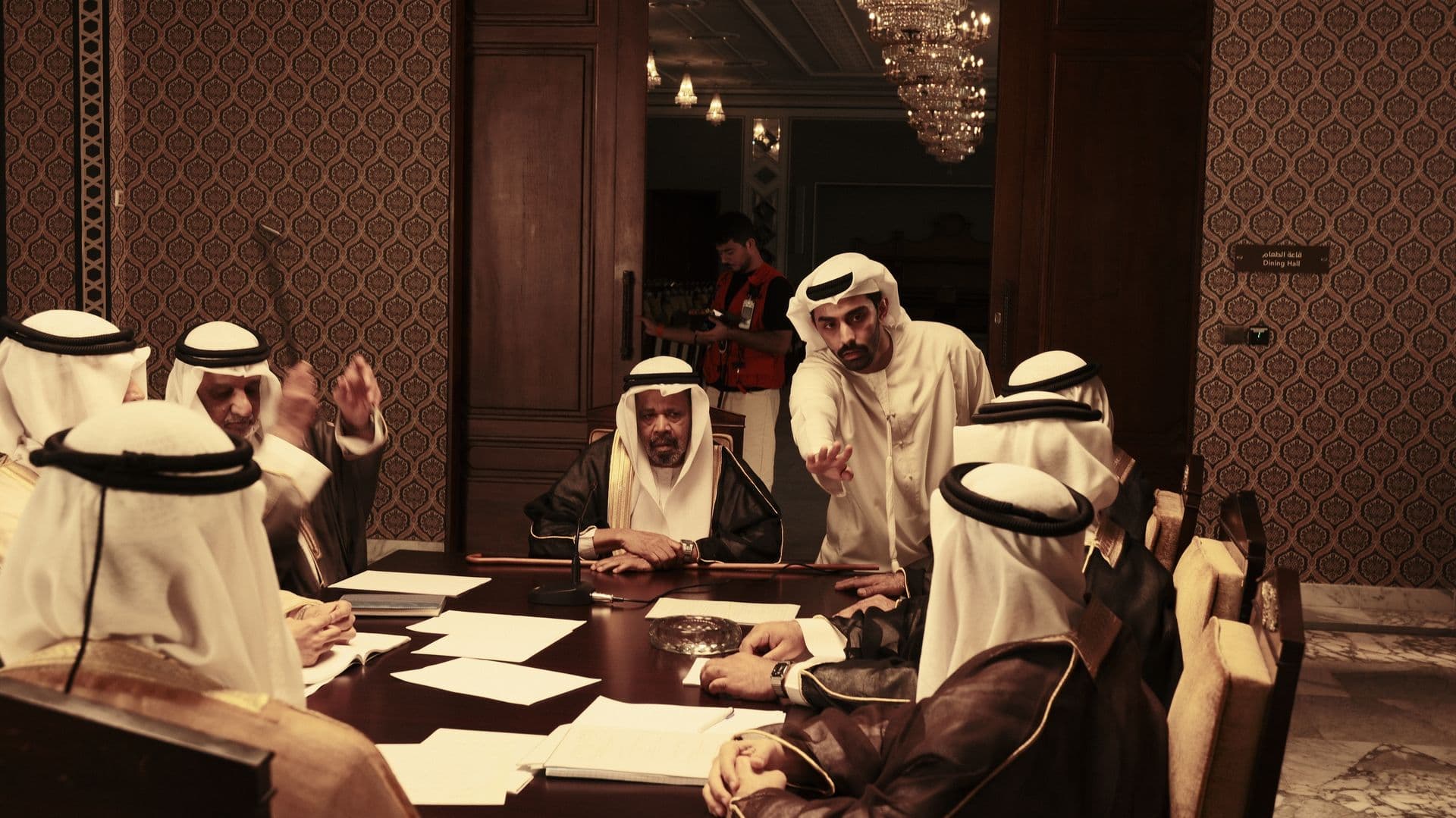
Challenge 71 is a documentary about a competition among the UAE's top government achievers across all sectors. Competitions like that often give a film a natural spine: stages and participants, unfolding in sequence. A structure built that way lets the audience follow progress and stakes without being told where to look.
Other common structures include:
- Chronological: a life, an institution or a tradition told through time.
- Thematic: chapters built around ideas, suited to series and knowledge films.
- Place-based: a journey through locations, each holding part of the story.
- Character-led: one or several people whose experience carries the film.
What the client approves before production
Before a single shoot day is booked, the client signs off on:
- The treatment and structure.
- The script or shooting script, including draft narration where it is used.
- The confirmed contributor list and interview themes.
- The location list and any access requirements.
- The archive material to be licensed or digitized for the edit.
That approval is the gate between planning and filming. After it, changes become costly.
Stage Four: Production, Shooting Days and Fixed Decisions
Production is the stage most people picture when they think of filmmaking: crews, cameras, lights, interviews and locations. In a well-run documentary production process, it is also the most predictable stage, because almost everything has already been decided.
A shoot day follows the approved script. Interviews are recorded against prepared themes. Observational sequences are captured where the research said they would matter. The director stays open to what happens in front of the lens, because documentary always holds surprises. The surprises live inside a structure, though. They do not replace it.
Our shoot with a motorcycle riding community, the Harley Project, covered three settings: the workshop, the road and the interviews. Each setting asks for a different kind of filming. That is why settings and coverage are planned before the crew arrives.
Decisions that cannot wait for the shoot day
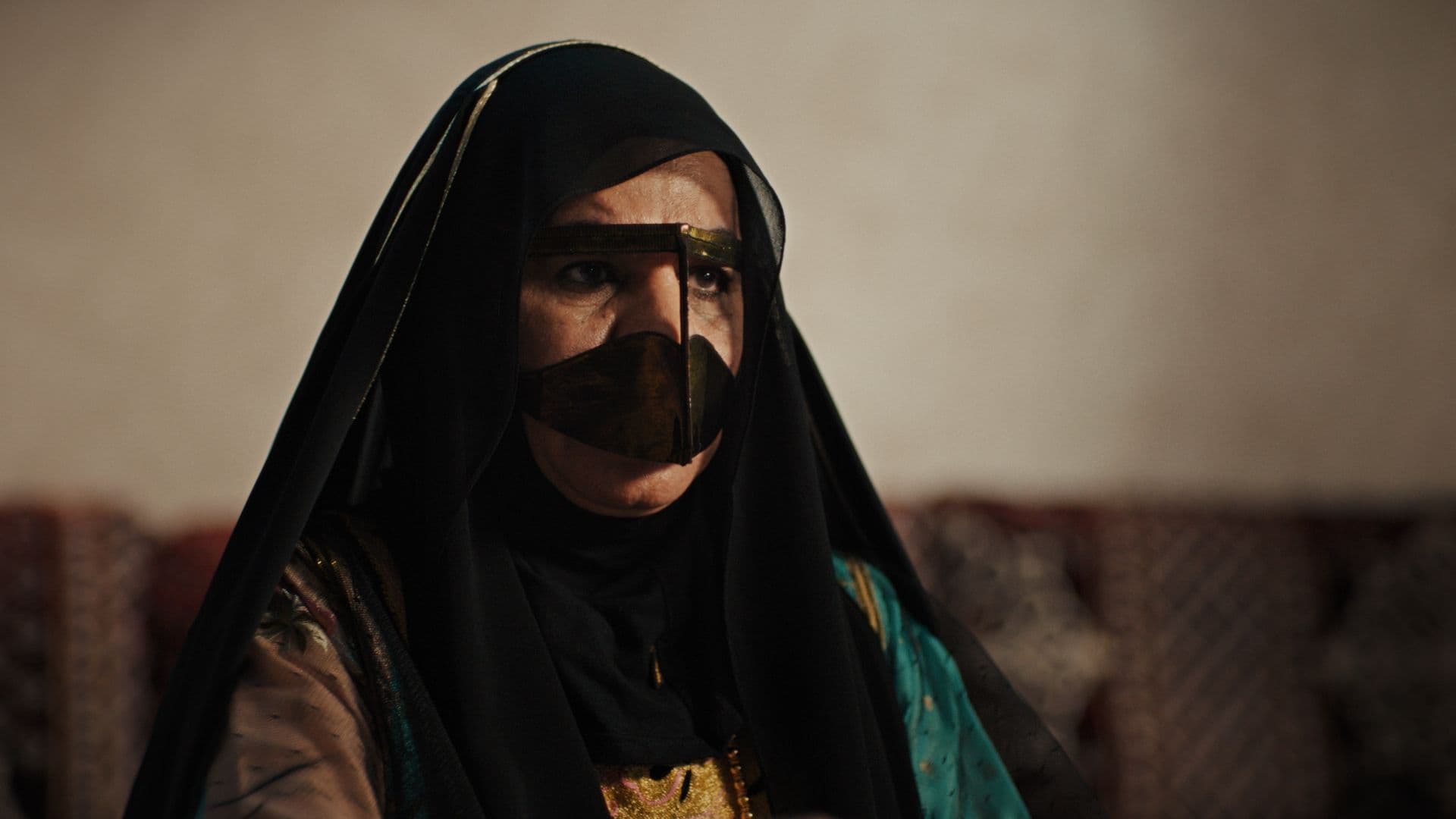
- Format. The Pledge Day, our tribute to the country for Union Pledge Day on 18 July, was shot 100% on film, with no digitalization. A choice like that shapes the camera package, the crew, the stock and the post-production path. It cannot be made on the morning of a shoot.
- Locations and permissions. Sites with protocol or restricted access need approvals well in advance.
- Contributors. Interviews with senior figures, elders or community members need scheduling, consent and preparation.
- Coverage plan. What must be filmed for the edit to work, scene by scene.
- Cultural protocol. Dress, conduct and what may or may not be filmed in a given place.
Stage Five: Post-Production, From Footage to Finished Film
Post-production turns footage into a film. It starts with organizing and reviewing every hour of material. Then come the assembly, the rough cut and the fine cut. Color grading, sound design, music, narration recording and graphics follow. Archival material is woven in where the script calls for it.
For anyone learning how to produce a documentary film, this is the stage where research proves its value a second time. Facts on screen are checked against the dossier. Dates, names and captions are verified. Archive is cleared.
Clients review at defined points, usually the rough cut and the fine cut, before the picture is locked. Feedback at the rough cut shapes the story. Feedback at the fine cut refines it. Final sign-off comes on the graded, mixed master.
What gets delivered at the end
Delivery depends on the purpose set at Discovery. It typically includes:
- The final master in the agreed formats and lengths.
- Versions for different platforms or screenings, if required.
- Subtitles in the agreed languages.
- Archival and research material that travels with the film.
That last item is often overlooked. In The Pledge Day, research notes and references sit beside the frames they informed. The film is the visible part. The research is what makes it trustworthy.
The Five Stages at a Glance
- 1. Discovery: What happens: Purpose, audience, format, scope and sensitivities defined; Main output: Agreed brief and budget; Decision the client owns: Approve the brief, format and scope
- 2. Research: What happens: Sources, archives, contributors and locations investigated; Main output: Research dossier and findings summary; Decision the client owns: Confirm or adjust the brief based on findings
- 3. Scripting: What happens: Research shaped into structure and narrative; Main output: Treatment and shooting script; Decision the client owns: Sign off the script, contributors and locations
- 4. Production: What happens: Interviews, sequences and locations filmed; Main output: Raw footage and sound; Decision the client owns: Approve any change to the agreed plan
- 5. Post-production: What happens: Edit, grade, sound, archive and verification; Main output: Final master and supporting material; Decision the client owns: Approve the rough cut, fine cut and final master
This is how to make a documentary film step by step, with every gate visible. You can see the finished films this process has produced.
Frequently asked questions
How long does it take to make a documentary from start to finish?
It depends on scope, format and how much research the subject needs. A single institutional film moves faster than a multi-episode heritage series or a nomination film with formal requirements. Fixed dates, such as a national occasion, are set at Discovery and the schedule is built backward from them.
What is the difference between pre-production and production in a documentary?
Pre-production is everything before filming: Discovery, Research and Scripting. Production is the filming itself, covering interviews, sequences and locations. In documentary, pre-production carries most of the weight, because it decides what will be filmed and why.
Who owns the footage and the final film once production ends?
Ownership is set out in the production agreement, so it should be discussed and agreed at Discovery. The agreement should cover the final film, the raw footage, licensed archive material and any music. Archive and music licenses often come with their own terms, separate from the commissioned footage.
Can the research and scripting stages overlap with production?
Some overlap is possible, for example filming a fixed event while later sequences are still being scripted. As a rule, though, research and the core structure should be settled before major shoot days. Changing direction during production is the most expensive change a documentary can make.
How many rounds of script revisions are normal before filming starts?
There is no universal number. The rounds included are agreed in the contract at Discovery. Revisions go more smoothly when everyone works from the same research, and when one person on the client side holds final approval.
If you are weighing up how to take a documentary from idea to finished film, start a project with Sedrah Stories and we will walk you through where your project sits in the five stages.