



Key takeaways
- Intangible heritage is a practice, not an object. Filming it means capturing the hands, the setting and the passing on of knowledge, not only the finished product.
- Consent is documented at every stage, never assumed once at the start. A practitioner can withdraw at any point during filming.
- Research comes before the camera. A crew that knows a craft's history and terminology avoids staged or inaccurate reconstructions.
- Sedrah Stories recorded more than 60 hours of intangible heritage across its Sirat Arzag series. Real documentation requires that much raw material.
- Authentic context matters more to the record than a controlled studio. That means the actual workshop, majlis or desert where a tradition lives.
What Counts as Intangible Cultural Heritage on Film
To document intangible cultural heritage on film, you record a living practice where it actually happens, with the consent and participation of the people who carry it. You film the full sequence of the work and the spoken knowledge behind it, after the research is done. At Sedrah Stories, we treat this as a different discipline from institutional video. The subject is not a building or an artifact. It is knowledge held in people.
Practices, Not Objects: Craft, Oral Tradition and Custom
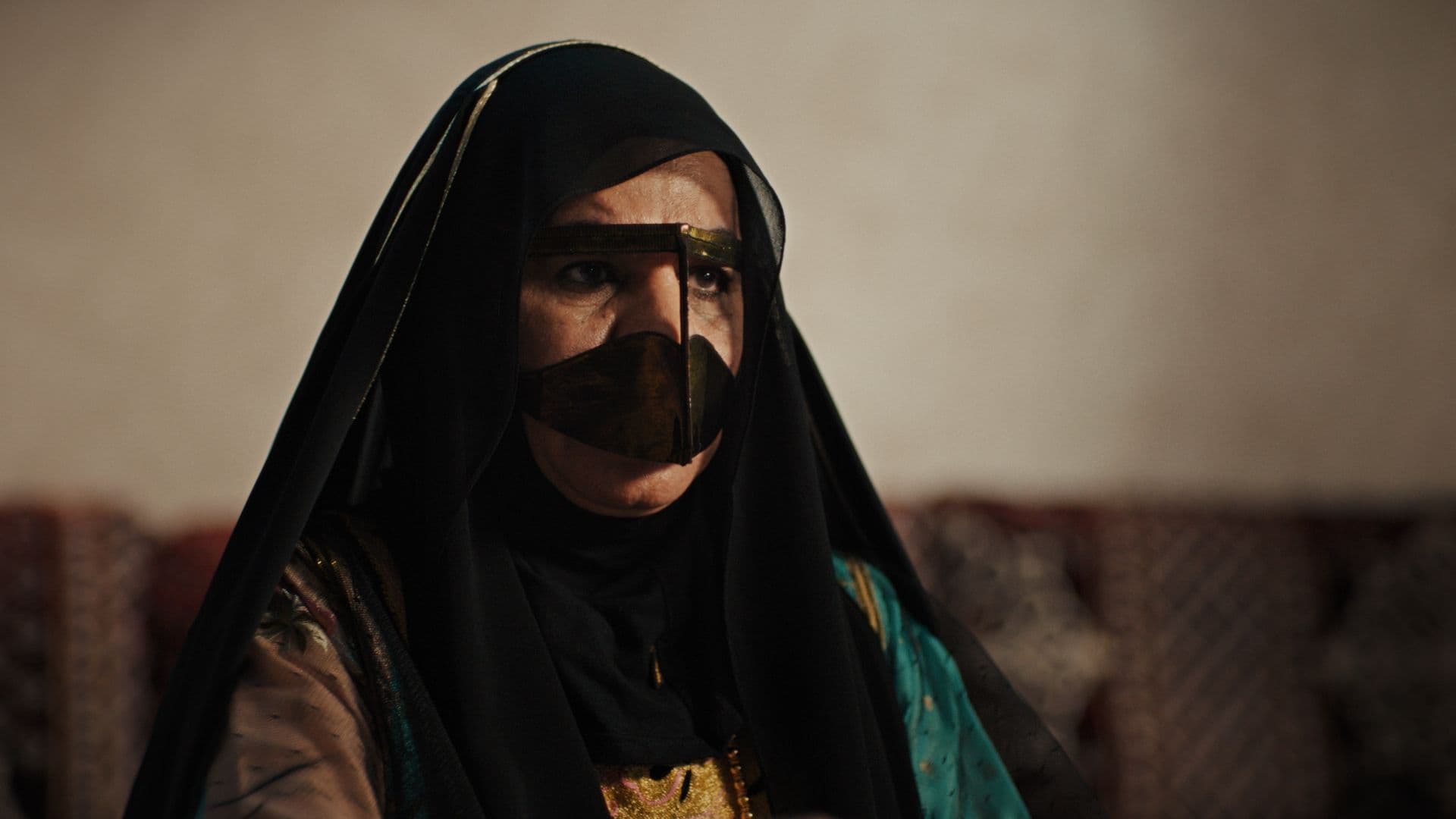
An intangible heritage documentary records things that exist only while someone is doing them. A weaver's grip on the loom. The cadence of a poem recited in a majlis. The order of steps in a hospitality ritual. The henna pattern is an object. Applying it, and the knowledge of when and why it is applied, is the heritage.
The UAE takes this category seriously. The Department of Culture and Tourism, Abu Dhabi announced the inscription of Henna on UNESCO's Representative List, and UNESCO keeps a country profile of every element the UAE has inscribed. That list is the right starting reference for any commissioning body.
Why a Camera Changes What It Records
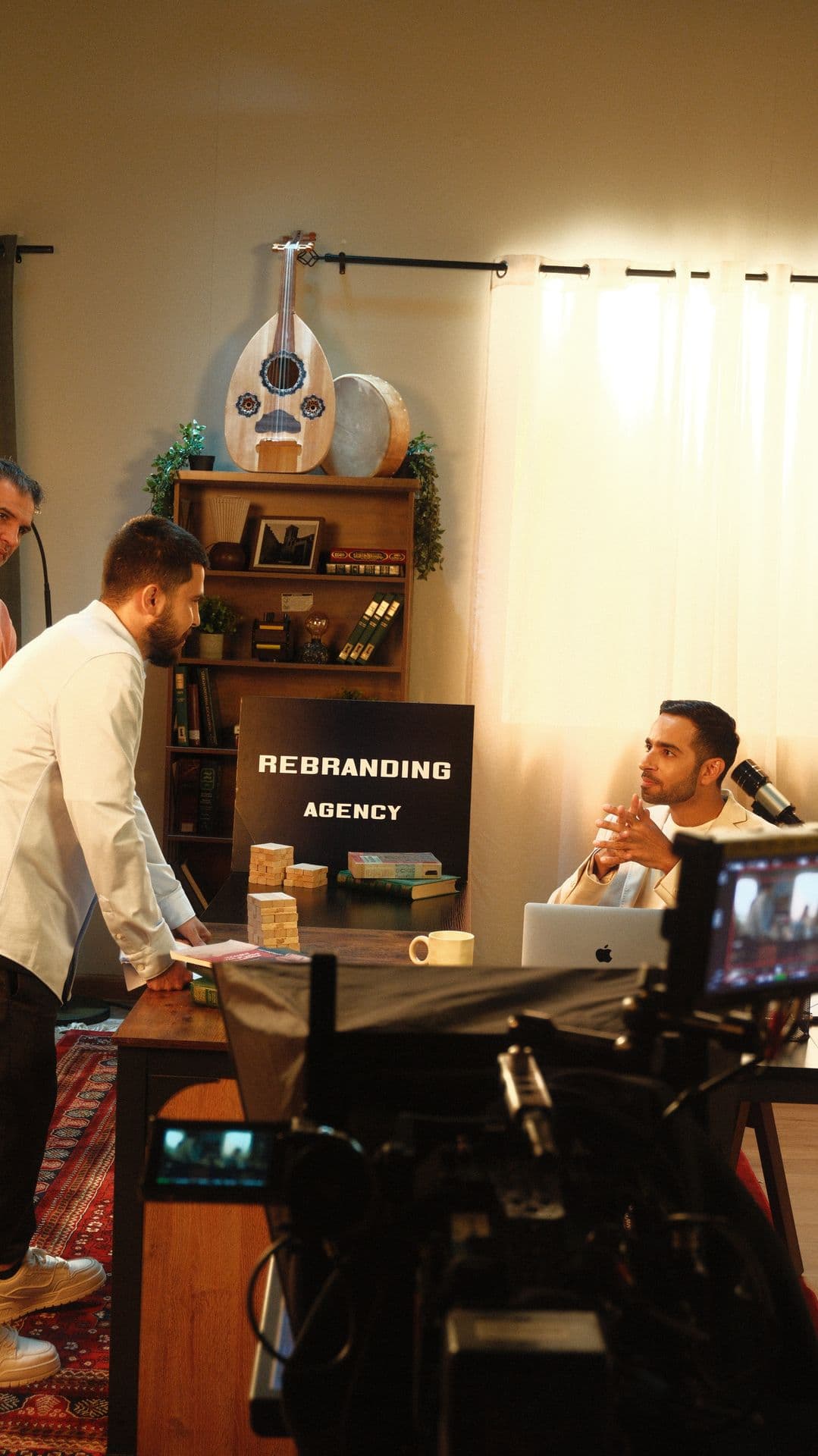
A camera is never neutral. Practitioners speed up, slow down, tidy their workspace or perform for the lens. Lights change the room. A crew of six changes the mood of a gathering meant for four.
Good documentation accepts this and works to reduce it. Fewer people on set. Longer time in the space before recording begins. Practitioners who have seen the equipment and understand what it is for. The aim is a record of the practice as it lives, not as it poses.
Why Consent Has to Be Documented, Not Assumed
Consent sits at the center of heritage filmmaking in the UAE and everywhere else. The 2003 Convention states that safeguarding, including documentation, takes place "with the participation of such communities, groups and, where appropriate, individuals that create, maintain and transmit such heritage." Participation is written into the treaty itself.
UNESCO also publishes a dedicated set of ethical principles for intangible cultural heritage. Academic commentary describes them as "interlocking principles" that work as one system. For a filmmaker, that means consent cannot be separated from respect, access or the way footage is later used.
Getting Consent Before the First Shoot Day
Begin with conversation, not paperwork. Explain who the film is for, where it will be shown, and how long it will exist. Name the commissioning institution. Say whether footage may be archived, broadcast or submitted to a nomination file.
Then put it in writing, in the practitioner's language. Some knowledge is not meant for outsiders. A conversation before filming is the moment to learn what can be shown and what should stay off camera.
Consent During Filming: What Changes on the Day
Living traditions on film rarely stay inside the plan. A family elder joins. A ritual moves to a private room. A craftsman starts teaching an apprentice in a way that was never discussed.
Each change is a new consent question. Ask again. Confirm who appears in frame. Make it clear that anyone can step away or ask for the camera to stop, and that this will be honored without argument.
Recording Consent So It Holds Up Later
Signed forms matter, but they are not enough on their own. A short recorded statement on camera, in the practitioner's own words, creates a clear record. Log every consent conversation with a date and the people present. Keep the archive of consent alongside the archive of footage, so one never travels without the other.
Step by Step: How We Document Intangible Cultural Heritage and Living Traditions
Every film goes through the same five stages: research first, then the frame. The sequence below applies to any practice, from falconry to oral poetry.
1. Discovery: Identify the Practice and the People Who Hold It
Define the practice precisely. "Traditional crafts" is a theme. "Palm frond weaving as practiced by women in a specific community" is a subject. Then find the bearers: the masters, the apprentices, the families. Ask who the community itself recognizes as authoritative, not who is easiest to reach.
2. Research: Learn the Craft Before You Film It
Before a camera is set up, the crew should know the craft's history, its tools, its vocabulary and its seasons. A director who does not know the name of a technique cannot ask the right question about it. Research also prevents reconstruction errors, such as a modern tool appearing in a scene meant to show an older method.
This stage is where most of a film's accuracy is decided. We have written about what research-driven documentary production really means in more detail.
3. Scripting Around a Living Practice, Not a Fixed Script
A heritage script is a structure, not a set of lines. It maps the stages of the practice, the questions to ask and the moments that must be captured. It leaves room for what cannot be predicted. Practitioners are never handed dialogue. Their explanations, in their words, are the narration.
4. Production: Filming in Authentic Context
Film where the practice lives, at the pace it lives. Shoot wide to establish the space, then close on hands, tools and materials. Record clean, uninterrupted audio of the work itself: the rhythm of a loom, the scrape of a blade. Stay long enough that the camera becomes part of the room.
5. Post-Production: Editing Without Distorting the Practice
Editing can quietly rewrite a tradition. Cutting steps out of order, adding music to a moment that is silent in life, or compressing a two-day process into a minute without saying so all distort the record. Keep a full-length archival cut alongside the finished film. Review the edit with practitioners where possible, and correct what they flag.
Where to Film: Choosing the Authentic Setting
The setting is part of the heritage. Where a practice happens shapes how it happens.
Why the Workshop or Majlis Beats the Studio
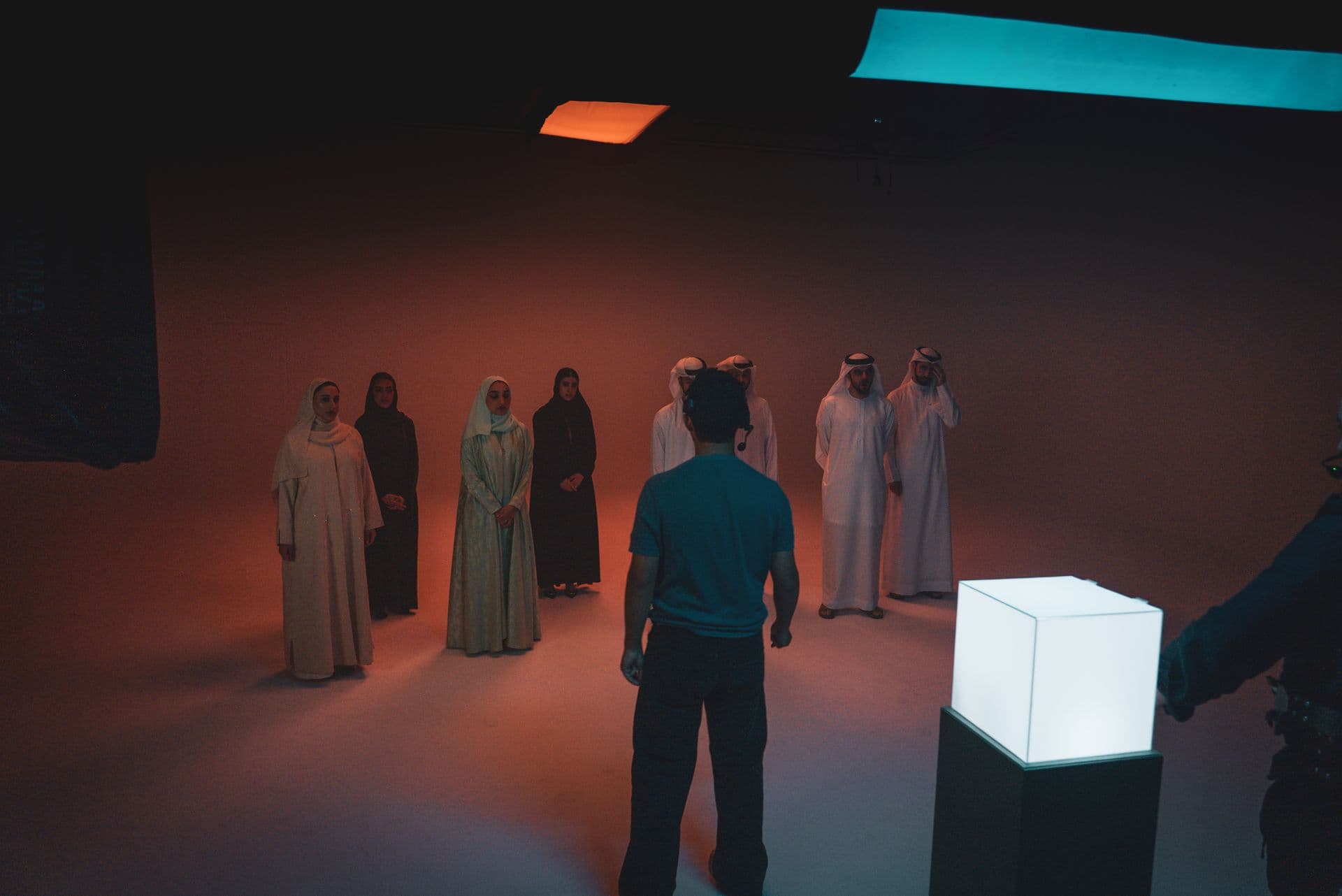
A studio offers control: clean light, quiet sound, a tidy background. It also removes the context that gives a practice meaning. The tools hung on the wall of a workshop, the arrangement of a majlis, the wind in an open desert camp: these are information. A record of living traditions on film should show them. Practitioners also work more naturally in their own space, which means more honest footage.
What to Do When the Original Setting No Longer Exists
Some practices have outlived their original places. A coastal craft may no longer have its old harbor. When the setting is gone, choose the closest authentic alternative: a space still used by the community, not a set built to look old. Be transparent in the film about where it was shot. Archival photographs, oral descriptions and maps can carry the memory of the original place without pretending it has been recreated.
What Makes Footage Representative of a Practice
Commissioning bodies often receive beautiful footage that illustrates heritage without documenting it. The difference matters, especially for institutions preparing material connected to UNESCO. The UAE's nomination program is active, with authorities securing recognition for four additional elements in a recent round. When you document intangible cultural heritage for files like these, the footage has to stand as evidence.
- Is the full process shown?: Footage that documents: Every stage, in order, start to finish; Footage that only illustrates: Selected beauty shots and the final result
- Who explains it?: Footage that documents: Practitioners, in their own words and language; Footage that only illustrates: Voiceover by an outside narrator
- Where was it filmed?: Footage that documents: The real workshop, home or site; Footage that only illustrates: A studio or styled location
- Is transmission visible?: Footage that documents: Teaching between generations is on camera; Footage that only illustrates: Practitioner works alone for the lens
- Is the raw material kept?: Footage that documents: Full-length archive retained and logged; Footage that only illustrates: Only the finished edit survives
- Is consent on record?: Footage that documents: Written and recorded consent, logged by date; Footage that only illustrates: A single release form, if any
Capturing the Full Sequence, Not the Highlights
A highlight reel shows what a practice looks like. A full sequence shows how it is done. Record preparation, the slow middle stages and the cleanup. Those unglamorous moments often hold the knowledge that is most at risk of being lost.
Recording Oral Explanation Alongside Action
Action without explanation leaves future viewers guessing. Ask practitioners to describe what they are doing, why, and what they learned from whom. Record these explanations in good audio, ideally during or right after the action they describe. For institutions working toward a nomination, our step-by-step guide to making a UNESCO nomination film covers how this material fits into a file.
How Sedrah Stories Approaches Intangible Heritage on Film
Our approach to heritage filmmaking in the UAE follows the method above: discovery, research, scripting, production and post-production. Two projects show the scale and purpose of this work.
Sirat Arzag: 60+ Hours of Recorded Intangible Heritage
The Sirat Arzag series is an ongoing series of twelve short documentaries positioning the UAE among the old and new worlds. Across it, we have recorded more than 60 hours of intangible heritage. That figure says something about this kind of documentary work: a short film rests on a far larger archive of material, and that archive has value of its own.
Wadi Wurayah: Documenting Heritage for a UNESCO File
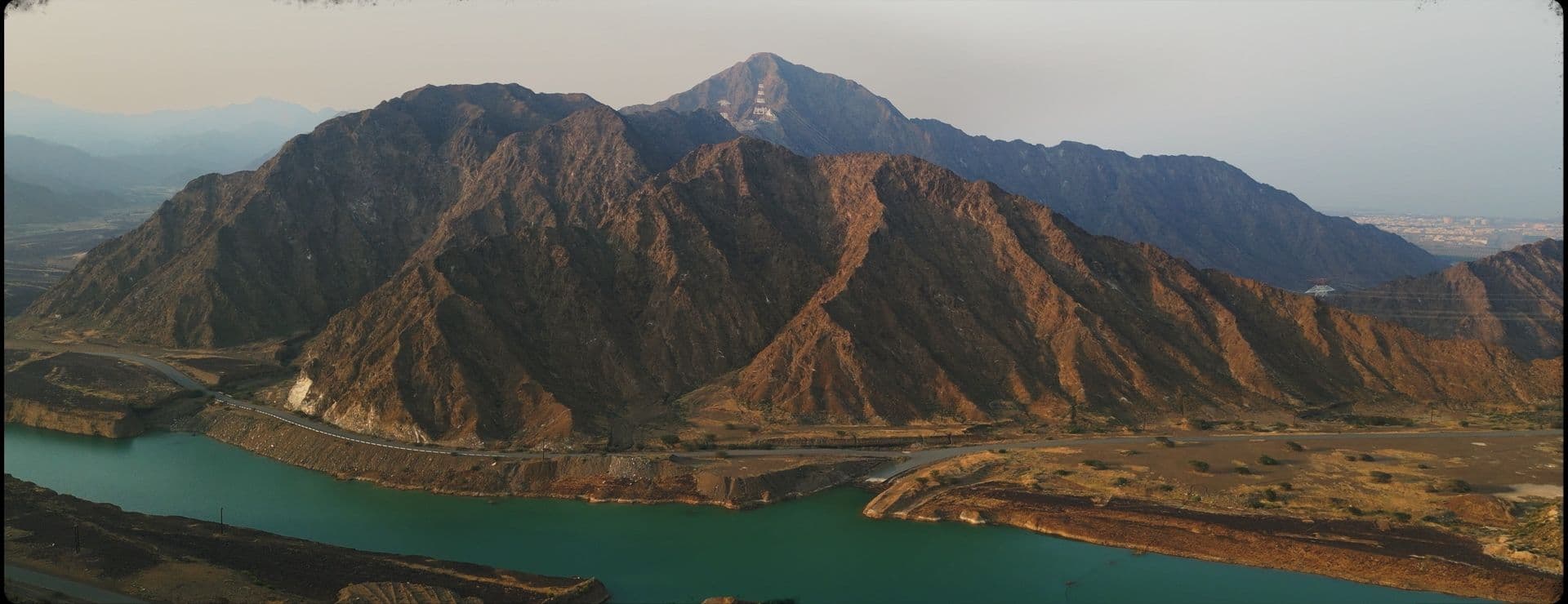
Our documentary made for Fujairah's UNESCO file supported a nomination that was successfully recognized as human heritage. It is an example of film serving as part of the formal record, not only as a tribute. You can see more of our documentary work across heritage, culture and national identity.
Frequently asked questions
Who owns the footage of a documented cultural practice?
Ownership is set by the contract between the commissioning institution and the production company, and it should be agreed before filming. The practitioners and their community also have a stake in how their knowledge is used. Good agreements spell out who holds the footage, where it can appear, and what the community may access or restrict.
How long does it take to properly document a single craft or tradition?
It depends on the practice. A craft completed in an afternoon needs far less time than a seasonal tradition that unfolds over months. Research and relationship-building before filming often take longer than the shoot itself, and they should not be rushed.
Can intangible heritage footage be used for a UNESCO nomination file?
Yes. Film is a valuable part of a nomination file when it shows the practice in context, with community participation clearly visible. Footage made only as promotion often falls short, so plan with the file in mind from the start.
What equipment is needed to film a craft in its original setting?
Less than most people expect. A compact camera package, good lenses for close detail, quality microphones for both voice and ambient sound, and portable, gentle lighting usually serve better than a large crew. The goal is to fit into the space without overwhelming it.
How do you handle a practitioner who is camera-shy or hesitant to be filmed?
Spend time without the camera first. Explain the purpose, show the equipment, and let them decide what is filmed and what is not. If they still decline, respect that, and consider recording audio only or focusing on their hands with their agreement.
If your institution needs to document a living tradition before it changes hands or fades, start a project with Sedrah Stories. We begin with research, and with the people who carry the practice.
Read next: Film vs Digital: Choosing the Right Format for UAE Heritage Documentaries