




Key takeaways
- A UNESCO nomination film has to show safeguarding and community consent on screen. A narration track that describes them is not enough.
- Research comes before any filming decision. Our five stages (Discovery, Research, Scripting, Production, Post-production) keep the film tied to what the file needs to prove.
- Representative footage shows the practice performed by the community that carries it, in its own setting. It is not a dramatized re-enactment.
- Delivery specs such as running time, subtitling and archival copies come from the nomination file requirements, not from broadcast or social media norms.
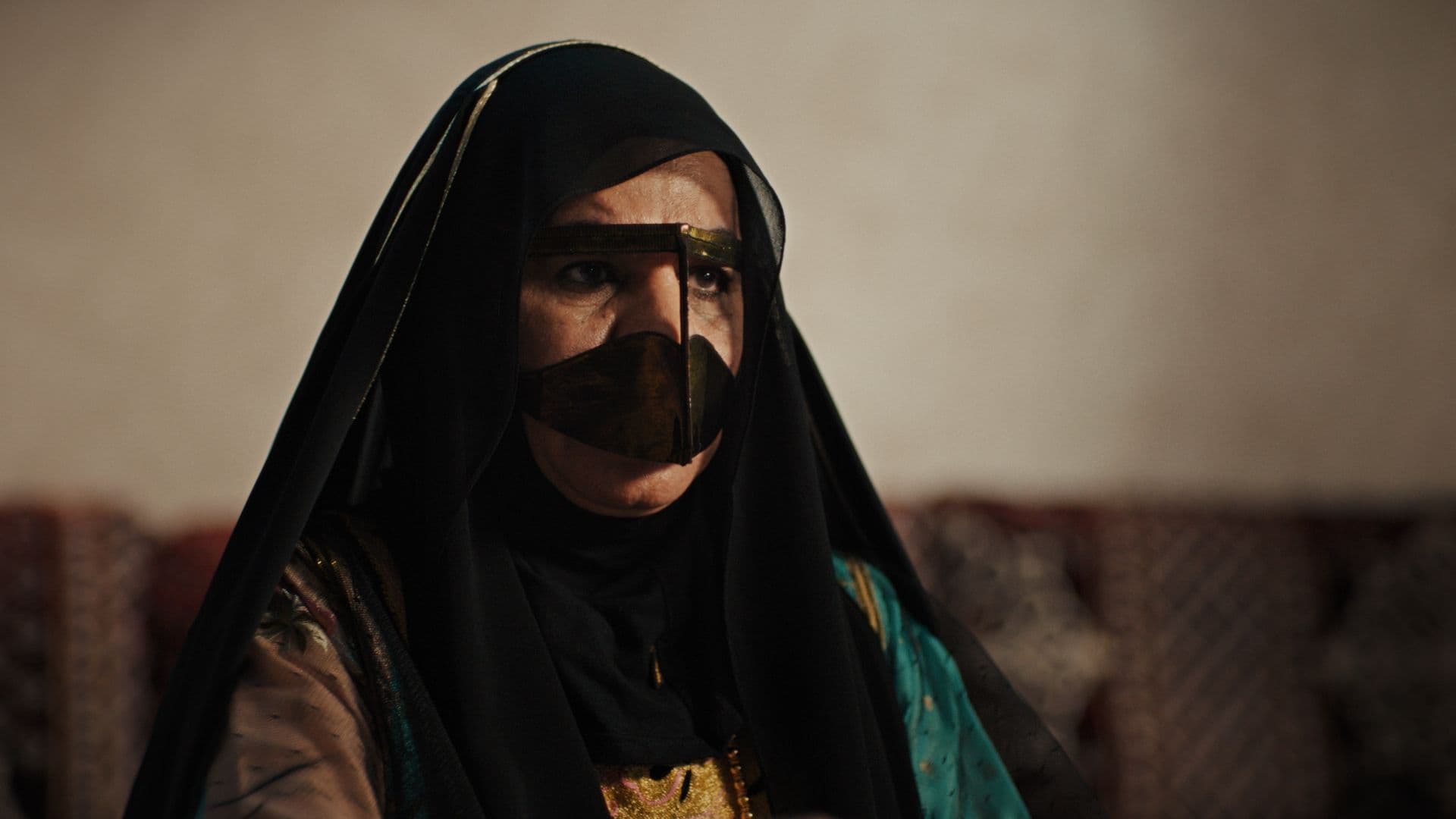
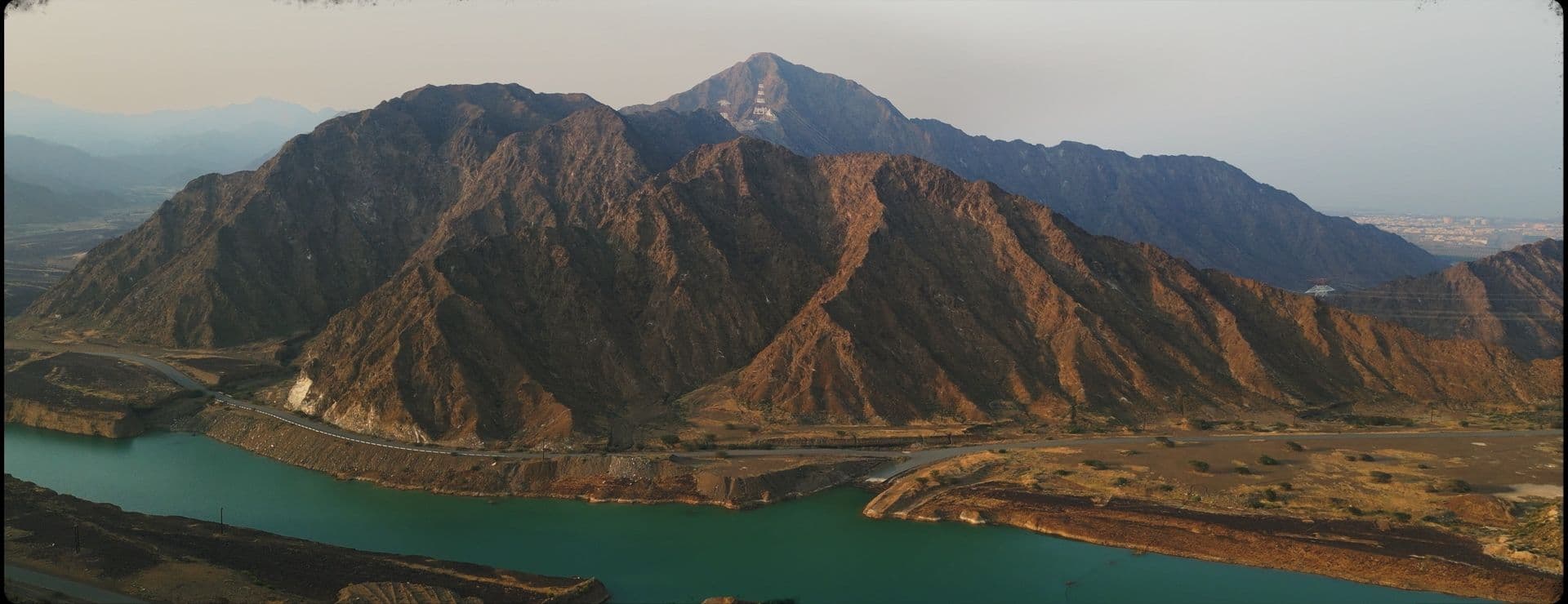
- Sedrah Stories produced the documentary for Fujairah's Wadi Wurayah file, which was successfully nominated as human heritage.
What Makes a Film a UNESCO Nomination Film, Not a Documentary
A UNESCO nomination film starts with the file, not the camera. The work follows a set order:
- Scope the element and what the file must prove.
- Research the practice with the people who carry it.
- Script around safeguarding, transmission and viability.
- Film the community practicing it where it lives.
- Deliver an edited cut of no more than ten minutes, subtitled in English or French, and keep archival masters for the long term.
The rest of this guide explains each step and the standards behind it.
How a nomination film differs from a promotional or broadcast documentary
A broadcast documentary competes for attention. A nomination film is written for an evaluator's judgment. It is one piece of evidence among several. According to UNESCO, each file includes "(i) a nomination Form ICH-02, (ii) evidence of consent from the communities concerned, (iii) an extract of the inventory of the intangible cultural heritage, (iv) ten photos and (v) a video" (UNESCO).
So the film does not carry the argument alone. It has to agree with the form. If the form says a craft passes from master to apprentice, the film should show an apprentice at work beside a master. If the form names a safeguarding measure, the viewer should see it happen.
The film also has a second life. UNESCO shows nomination videos publicly on its YouTube channel. A UNESCO tender covered about 66 ten-minute nomination videos for the 2024 cycle alone (UNESCO). That means a nomination file film is an evaluation document and a public portrait of the nation at the same time. Every frame has to hold up as evidence and as cinema.
What the UNESCO file actually requires from the audiovisual element
The rule is short. The video must be "an edited video of not more than ten minutes." If it is in a language other than English or French, it needs English or French subtitles. Files that miss this rule count as incomplete and go back to the State to try again in a later cycle (UNESCO Committee decision 7.COM 11).
There is one more point of context. Only States Parties can submit nominations (UNESCO FAQ). A film made for a UAE institution is therefore part of the State's submission. It is not a separate entry. The producer serves the file, and the file serves the State.
Why Community Consent Has to Be Documented, Not Assumed
UNESCO's Committee describes communities as "essential participants at all stages," from identifying the element and preparing the file through to submission and safeguarding (UNESCO). States must involve communities as widely as possible and secure their free, prior and informed consent before a file goes in (UNESCO FAQ).
For a UNESCO heritage documentary, this changes the role of the community. They do more than appear in the film. They help shape it.
Free, prior and informed consent on camera
Consent can be filmed. Brazil and the Dominican Republic both submitted community consent videos, in Portuguese and Spanish respectively, with English subtitles (UNESCO). Consent has its own language rule too. The evidence must be in English or French, and also in the community's own language if its members do not speak English or French (UNESCO).
A filmed consent sequence should make four things clear:
- who is speaking and their role in the practice
- that they understand what nomination means
- that they were asked before the file was prepared, not after
- that they agree freely, in their own words
We film consent in the speaker's language and subtitle it. A signature records agreement. A face and a voice show that the agreement was understood.
Who needs to appear and speak: practitioners, not just officials
Officials frame a nomination. Practitioners prove it. The people on screen should include the bearers of the tradition: elders, masters, apprentices, and the women and young people who carry it where that is the case.
This matters for any intangible heritage film in the UAE, where the list of inscribed elements keeps growing. In December 2025, at the Committee's 20th session in New Delhi, the UAE added Bisht (men's Abaa), Arabic Kohl, Al Ahalla and the zaffa in the traditional wedding to the Representative List. This followed Arabic coffee and Henna in 2024 (UNESCO). Each of these lives in people: the hands that make, the voices that perform, the families that gather. A minister can explain why an element matters. Only its bearers can show that it is alive.
The Five Stages We Follow for a Heritage Nomination Film
Every film goes through the same five stages: research first, then the frame. In nomination work, each stage answers to the file.
Discovery: scoping the element and the file's requirements
We begin with the draft nomination form, the inventory extract and the list of communities concerned. From these we pull out every claim the film needs to support. We map the practice's calendar, because many elements only happen at certain seasons, festivals or family occasions. We also agree on deliverables early: the ten-minute cut, consent material, subtitle files and archival masters.
Research: working with historians and bearers of the tradition
Research runs on two tracks. Historians and archivists give us the documented record. Bearers give us the living one. We interview practitioners before any camera arrives, so they know us and we know what we are looking at. We verify names, terms and dialect, because a mistranslated word in a subtitle can undo a carefully argued form. The aim is accuracy that the community itself would recognize and that respects the country's values.
Scripting: structuring around safeguarding, transmission and viability
An evaluator watching a nomination film is asking three questions. Is this practice alive? Is it being passed on? Is it protected? We build the structure around those three questions rather than around a chronology. We also write subtitles alongside the script. Ten minutes is short, and subtitled speech has to leave time for reading.
Production: filming the practice where it actually happens
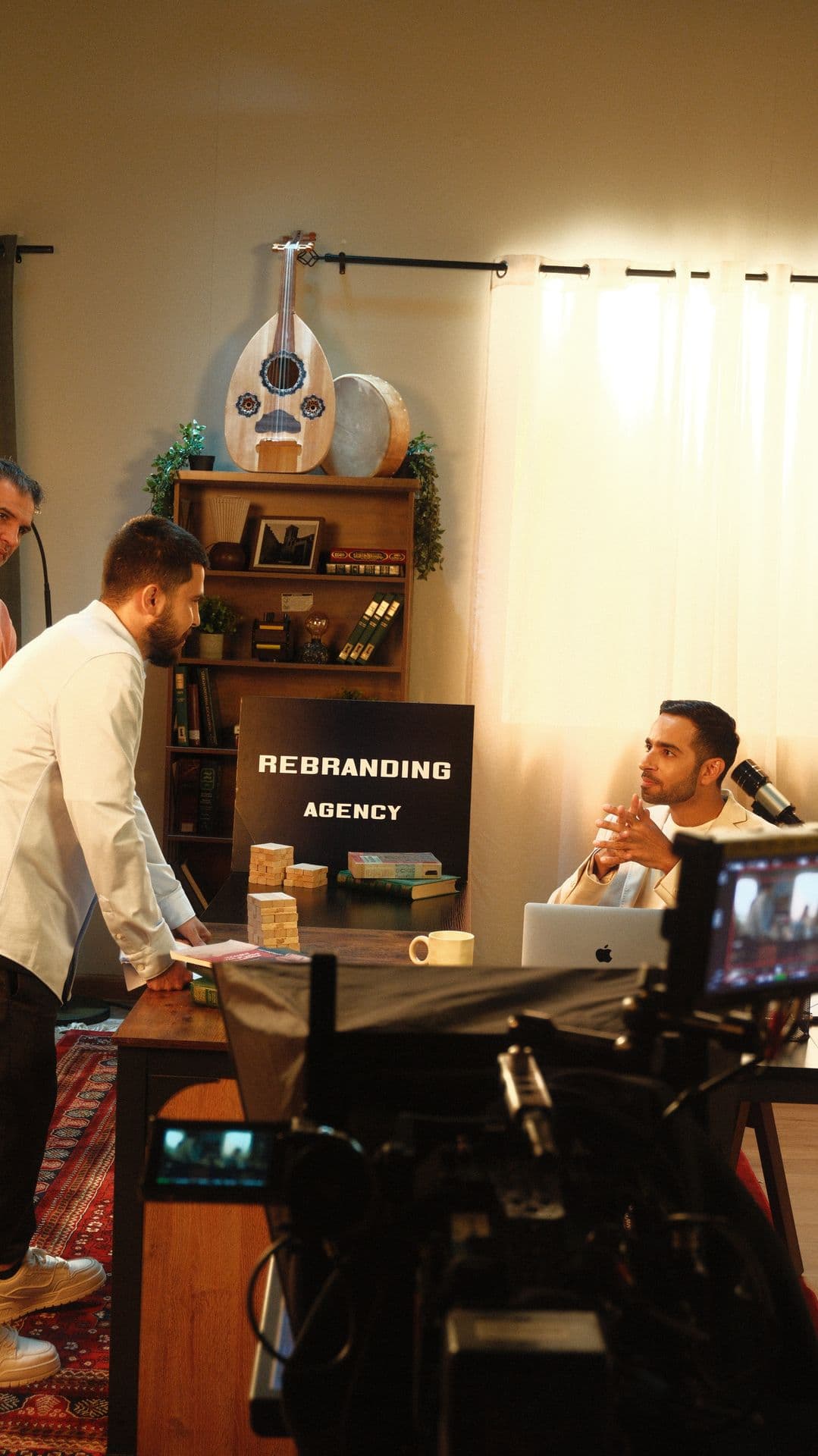
We film at real occasions, in real places, with small crews that do not overwhelm the moment. We record clean ambient sound, because the sound of a craft or a song is part of the evidence. We collect releases from everyone who appears. We shoot more than we need, because the edit will be selective.
Post-production: archival-grade delivery
The edit is tested against the form, line by line. Then come subtitling, review by community representatives, and delivery of the submission cut alongside full-resolution preservation masters.
What Counts as Representative Footage
Representative footage shows an element as it truly exists. It does not show an idealized version made for the camera.
Filming the practice in its living context
A wedding song belongs at a wedding. A craft belongs in the workshop or home where it is made. Context tells the evaluator who practices the element, where, with whom and why. For an intangible heritage film in the UAE, that context might be a majlis, a courtyard or a family gathering. Generic aerial shots and stock cityscapes show none of this.
Avoiding re-enactment and dramatization
Re-enactment raises a question the file cannot afford: if the practice had to be staged, is it still practiced? Where historical context is needed, we use clearly identified archival material and do not dramatize the past. Where an occasion is rare, we plan the shoot around its real date and do not invent one. A nomination file film earns trust by showing the practice as it is.
Technical Specs the Nomination File Expects
A UNESCO nomination film is briefed differently from other films. This table shows where the differences fall.
- Running time: UNESCO nomination film: Edited, not more than ten minutes; Broadcast documentary: Set by the broadcaster's slot; Social media cut: Short, set by the platform
- Language: UNESCO nomination film: Any, with English or French subtitles if not in either; Broadcast documentary: Broadcaster's language; Social media cut: Often captioned on screen
- Primary audience: UNESCO nomination film: Evaluators, then the public via UNESCO's channel; Broadcast documentary: Viewers; Social media cut: Followers
- Consent: UNESCO nomination film: Free, prior and informed consent is part of the file; Broadcast documentary: Standard releases; Social media cut: Standard releases
- Who submits: UNESCO nomination film: The State Party; Broadcast documentary: Producer or broadcaster; Social media cut: The institution
- If the spec is missed: UNESCO nomination film: File counted incomplete and returned for a later cycle; Broadcast documentary: Re-edit for the slot; Social media cut: Re-cut
Running time, format and subtitling
Recent films run right up to the limit. Peru's ceviche film, Turkmenistan's Akhalteke horse film and Uzbekistan's ceramics film each run 10:00 (UNESCO). We edit to the limit, not past it. For file format and resolution, we check the forms and guidance in force for the cycle you are submitting to rather than assuming. Subtitles are timed for comfortable reading, and the translation is reviewed by people who speak the community's language.
Archival masters and long-term preservation copies
The submission cut is the smallest part of what you should keep. A sound archive includes:
- a full-resolution master and a textless version
- subtitle files kept separate from the picture
- all original rushes, logged and labelled
- interview transcripts and translations
- signed releases and consent records
These materials outlast the nomination. They become part of the safeguarding record itself.
How Sedrah Stories Approaches a UNESCO Nomination Film
The Wadi Wurayah file
The documentary made for Fujairah's UNESCO file, successfully nominated as human heritage, is the clearest proof of the work this guide describes. A film like this is made for a file, judged against a file and measured by the outcome of that file.
Research at scale: lessons from documenting intangible heritage
Sirat Arzag is an ongoing project: a series of twelve short documentaries on intangible heritage that positions the UAE among the old and new worlds, drawn from more than 60 hours of recorded intangible heritage. The ratio is the lesson. Sixty hours of recorded heritage becomes twelve short films. A nomination film compresses further still, into ten minutes. That kind of selection only works when the research underneath is deep enough to choose from.
Frequently asked questions
How long does it take to produce a UNESCO nomination film?
It depends on the element, how available the community is, and when the practice actually takes place. Some practices happen only at particular seasons or occasions, and these set the filming window. We plan backward from the national submission timeline so that research, consent and production are complete before the file closes.
Who owns the footage used in a UNESCO nomination file?
Ownership is agreed by contract between the commissioning institution and the producer, and it should be settled before production. The nomination itself is submitted by the State, and UNESCO shows nomination films publicly. The rights you hold therefore need to allow that use, and every person on screen should have signed a release.
Does UNESCO require the film to be in a specific language or subtitled?
The film can be in any language. If it is not in English or French, it needs English or French subtitles. Files that do not meet the video requirements are treated as incomplete and returned to the State for a later cycle.
Can the same footage be reused for public communications after nomination?
Often yes, provided your contracts, releases and community consent cover that wider use. Consent given for a nomination does not automatically extend to every campaign. We recommend agreeing the scope of reuse with communities at the start, in their own language.
What happens if the nomination is unsuccessful: can the film still be used?
Yes. A file returned as incomplete can be revised and resubmitted in a later cycle, and the film can be re-edited to match. The rushes, interviews and consent records also stand on their own as a safeguarding archive of the element.
If your institution is preparing a UNESCO nomination file, start a project with us and we'll walk you through what the research and production stages need to look like.
Read next: How to Make a Documentary Film Step by Step: The 5 Stages