



Key takeaways
- A UAE National Day film for 2 December 2026 needs discovery and research to begin 12 to 14 weeks out. Four to six weeks is not enough.
- Approval cycles inside government and semi-government bodies usually take longer than the shoot. Script sign-off should land by early October.
- Shooting on film, as we did for The Pledge Day tribute, removes the option of a digital reshoot. Scripts and locations must be locked before cameras roll.
- Post-production with archival material, color grading and Arabic and English versions takes at least 3 to 4 weeks.
- A five-stage process (Discovery, Research, Scripting, Production, Post-production) keeps a National Day film on schedule even when approvals slip.
When should UAE National Day film production start for 2 December 2026
UAE National Day film production for 2 December 2026 should begin 12 to 14 weeks before the date. That puts the start of discovery between late August and early September. The internal script sign-off needs to land by about 7 October. The shoot falls in early November, and post-production takes the rest of the month.
This year marks the 55th anniversary of the Union, and the date falls on a Wednesday. Official preparations began early. Eid Al Etihad workshops on storytelling and crafts ran across all seven emirates from 10 to 24 September. The occasion is fixed and the calendar will not move for anyone. National Day film planning therefore works backward from the date.
Why 12 to 14 weeks is the realistic minimum
The shoot is the shortest part of the process. What takes the time is everything around it. Research has to be done before a script can be written. Internal reviewers must approve that script. In Abu Dhabi, a regulator then reviews it again, and permits are filed against fixed shooting dates. After the shoot, the footage has to be edited, graded, mixed and versioned into two languages.
Each of these steps has a floor that effort cannot push below. Together they add up to about three months.
What happens when institutions start late
A late start compresses research first. The film then leans on the occasion alone: flags, skylines, generic pride. It loses the specific story that gives it weight.
Approvals come next. A script that reaches reviewers in late October may not clear regulators before the shoot window closes. The last casualty is post-production. Grading gets rushed, the Arabic version is finished in a hurry, and delivery slips past the point where broadcasters and event teams can use the film.
If you are reading this on 30 September, you are nine weeks out. A film is still possible. It needs a tighter scope and decisions made this week.
The week-by-week countdown to 2 December
Every film goes through the same five stages: research first, then the frame. The table below maps each stage onto the heritage film timeline for 2026.
Weeks before 2 Dec · Approximate dates (2026) · Stage · What must be locked
14 to 12 · 26 Aug to 9 Sep · Discovery · Story direction, stakeholders, named approvers, formats, budget
11 to 8 · 16 Sep to 7 Oct · Research and scripting · Research dossier, archive requests, treatment, signed internal script
7 to 5 · 14 Oct to 28 Oct · Approvals and locks · Regulatory script approval, filming permits, aerial clearances, locations, contributors
4 to 2 · 4 Nov to 18 Nov · Production · Shoot days, assembly edit, rough cut, fine cut review
Final week · 25 Nov to 2 Dec · Delivery · Final grade, sound mix, subtitles, language versions, masters, contingency
Weeks 14 to 12: discovery and brief
Discovery answers three questions. What is this film about beyond the date? Who decides? Where will it be shown? Name every approver now, including the senior reviewer who usually appears in week seven. Agree on the formats you will need, such as broadcast, social cutdowns and event screens.
Weeks 11 to 8: research and scripting
Research builds the dossier: sources, archive requests, interviews and historical checks. The treatment comes from the dossier, and the script comes from the treatment. The goal for this window is a signed internal script by 7 October.
Weeks 7 to 5: approvals and location locks
This is where permits and regulators come in. For ground filming, the National Media Authority requires applications to be submitted at least 15 working days before filming begins, with exact dates and locations. For a shoot starting 4 November, that means filing by about 14 October. Locations, contributors and equipment are confirmed in the same window.
Weeks 4 to 2: production
The shoot itself usually takes a few days. The editor starts the assembly while the camera is still rolling. By week two, reviewers should be watching a fine cut, not a rough one.
Final week: delivery and contingency
The last week covers grading, the sound mix, subtitles, versions and masters. It also holds whatever contingency is left. If your film needs to screen when celebrations open in late November, move every row of this table two weeks earlier.
Discovery and research: what institutions must lock down first
A national day documentary for the UAE starts with the question the film will answer, not with the camera.
Defining the story, not just the occasion
The occasion is the same for every institution. The story should belong to yours. It might be one founding decision, one community, one craft or one generation. In discovery we look for the story only your institution can tell, then test whether it holds up across a few minutes of screen time. Our work on the Eid Al Etihad 54 campaign films, two of which we made with the Eid Al Etihad team, was built on the same principle. The film carries a national message, and it still needs its own specific story to carry it.
Sourcing archival material and expert input
Archives are slow. Institutional photo libraries, broadcast archives and family collections each have their own gatekeepers and licensing terms. Request material in week 11, not week 6. Identify historians, elders and subject specialists early too. Their availability often decides the interview schedule.
Aligning research with cultural and historical accuracy
Every date, name, garment, dialect and ritual on screen will be checked by someone who knows it well. Research-driven scripting means each claim in the script can be traced to a source. It also means the visual language, from dress to setting to gesture, respects the country's values. That work takes weeks. It is also what makes the film stand up to scrutiny on the one day of the year when the whole nation is watching.
Scripting and approvals: the stage that eats the calendar
For most institutions, scripting and approvals are the biggest scheduling risk in UAE National Day film production. The camera is rarely the problem. The calendar is.
Why script approval takes longer than the shoot
A shoot takes days. Sign-off inside a government or semi-government body passes through several layers: the project lead, communications, legal or protocol, and senior leadership. Each layer reads the script at its own pace.
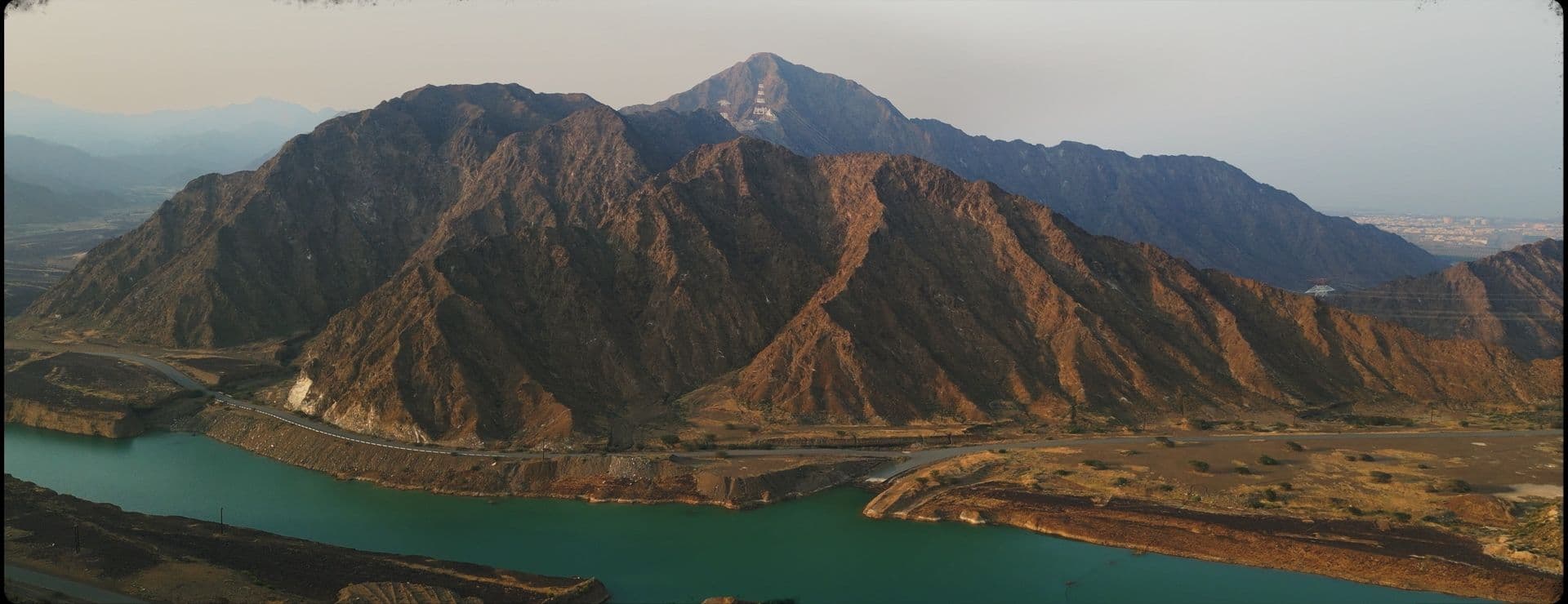
The regulator then adds its own time. In Abu Dhabi, all scripts, treatments and synopses must be approved by the Media Regulatory Office before production, and that approval averages two to three weeks. Aerial shots need a separate two-stage process: a no-objection certificate from the Media Regulatory Office, then an aerial permit from the General Civil Aviation Authority. A drone-heavy heritage film has to plan for both.
Building review checkpoints into the schedule
We set three checkpoints: treatment, first draft and final script. Each has a fixed review window of around five working days and a single consolidated round of feedback. When one person gathers all internal comments before they reach the writers, you avoid contradictory notes and repeated rounds.
What changes late in the process, and what should not
Some things can safely change late: a line of narration, the order of two scenes, the choice of music. Others cannot. The central story, the list of locations and the contributors on camera should not change after the internal script is signed. Any of these changes reopens permits and research, and it can push the film past its date.
Production week: shooting a National Day film on a fixed date
The shoot is where research turns into images. On a fixed date, there is no room to find the film on set.
Locking locations before the shoot, not during it
Every location on the permit application is a commitment. Confirm access, time of day, light direction and backup options in weeks 7 to 5. Heritage sites, forts and working spaces often have their own custodians and restricted hours, and those need to be settled well before the permit is filed.
Shooting on film versus digital: what changes on set
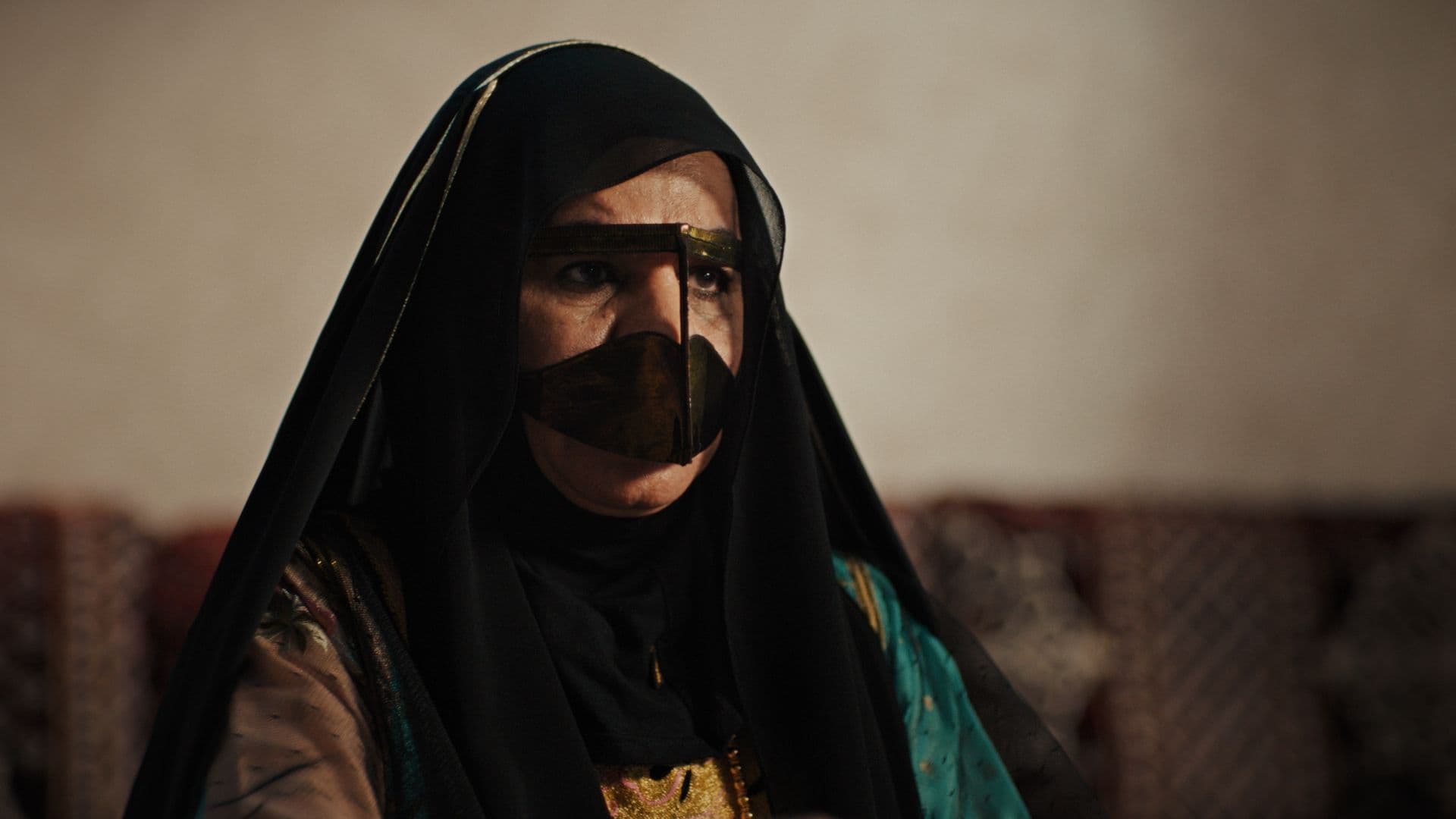
Our Union Pledge Day tribute, shot entirely on film, was made 100% on film with no digitalization. Film brings a texture and a sense of permanence that suit a tribute to the country. It also changes the discipline on set.
Film stock is finite. You cannot review takes instantly the way you can on a digital monitor, and any reshoot costs time you do not have in November. That is why the script, shot list and locations must be locked before cameras roll. On that project, research notes and references sit beside the frames they informed. That is how a research-first film gets made.
Coordinating with institutional protocol on the day
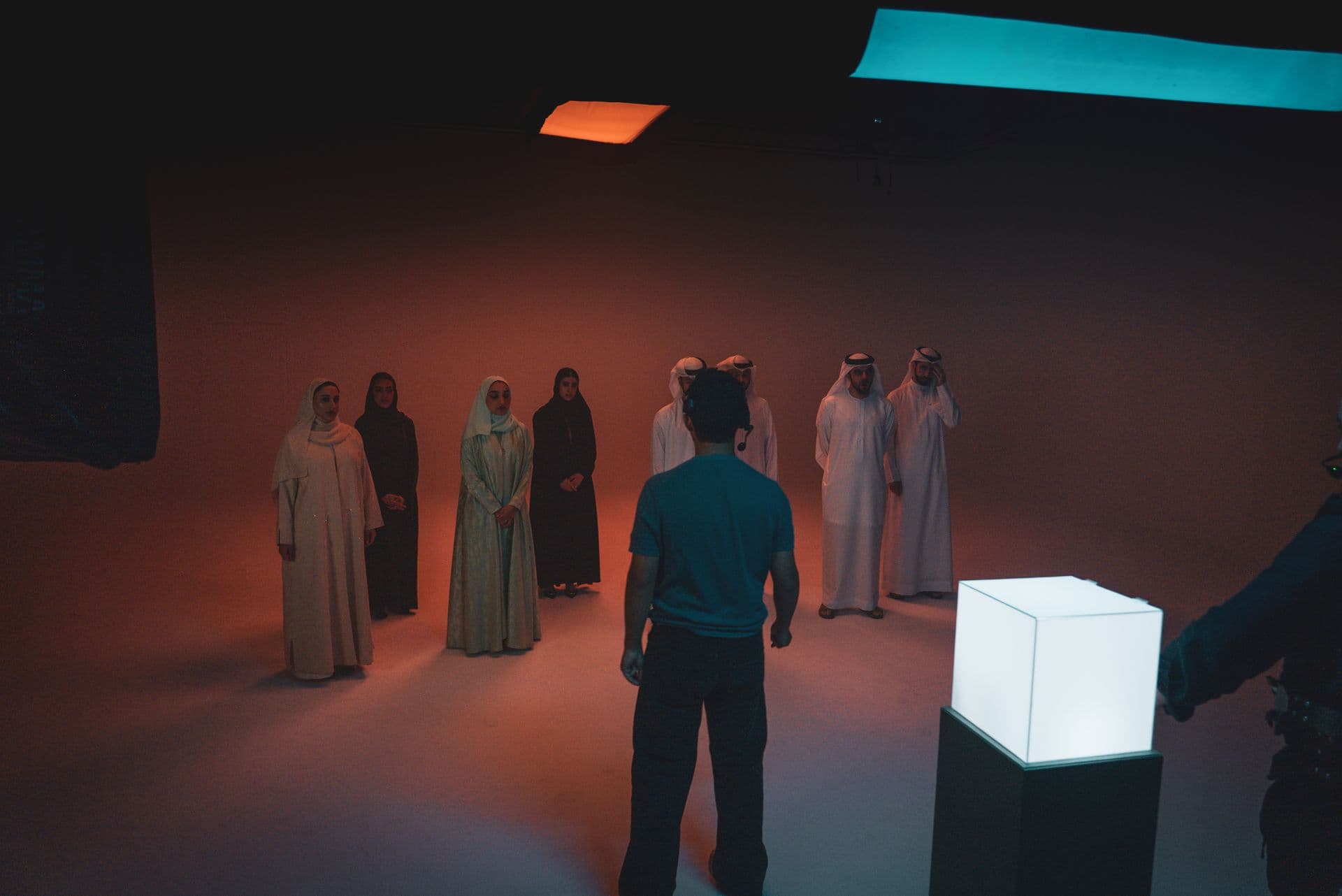
National Day shoots often involve officials, uniformed personnel or ceremonial settings. Agree on protocol with the institution in advance: who appears on camera, the order of precedence, and which moments cannot be staged twice. One named protocol contact on set saves hours.
Post-production and delivery: finishing before the deadline, not after
Post-production is where the film takes its final shape. It needs weeks, not days.
How long a National Day cut actually takes to finish
A tribute film of a few minutes, built from new footage and archival material, typically goes through assembly, rough cut, fine cut, color grade, sound design and mix, then subtitling. Plan on a minimum of 3 to 4 weeks. Archival material adds time for restoration and clearance. A film that intercuts film stock with digital archive needs careful grading so the two sit together.
Building in a buffer before 2 December
Hold at least five working days of buffer before your real delivery date. Also keep an eye on the holiday itself. Cabinet Resolution No. 27 of 2024 lets authorities move the National Day holiday to create a longer break, as happened in 2025. If the break shifts, reviewers and broadcasters may be unavailable days earlier than you expected.
Delivering multiple formats and language versions
Most institutions need Arabic and English versions, broadcast and social cutdowns, and a screening master for events. Each version means separate subtitles or narration and its own quality check. Agree on the full list in discovery so it is budgeted and scheduled, and not added in the last week.
Frequently asked questions
How far in advance should a government body approach a production company for a National Day film?
Twelve to fourteen weeks before 2 December is the realistic minimum. For 2026, that means late August to early September. That window leaves time for research, internal and regulatory approvals, permits and at least three weeks of post-production.
What footage or archival material does a production team need from us before research can start?
Share whatever you already hold: institutional photo and video archives, past films, key documents and a list of people who could speak on camera. Tell us about any licensing restrictions too. An early inventory, even an incomplete one, lets the research team request outside archives in parallel rather than one after another.
Can a National Day film still be produced well if we start with only 6 weeks left?
Yes, if the scope shrinks to fit. That means fewer locations, little or no aerial work, a single story, and archive you already own. Permit lead times and regulatory script review still apply. Decisions have to be made within days, and the approval chain has to be as short as possible.
Do National Day films need separate Arabic and English cuts, and does that add time?
Most institutions need both. A subtitled version adds a few days. A separately narrated version adds recording, a new mix and sometimes a re-edit to fit pacing. Include both versions in the schedule from discovery.
What is the difference between a National Day tribute film and a longer heritage documentary series?
A tribute film is short and tied to a fixed date, built around one emotional idea. A heritage series runs over several episodes and goes deeper into a subject, such as a craft, a tradition or one of the UAE's 19 elements on UNESCO's Intangible Cultural Heritage list. A series needs more research time and usually has a more flexible release date.
If 2 December is approaching and the script is not yet locked, start a project with us now and we will build the schedule backward from the deadline.