

Key takeaways
- A genuine heritage documentary maker can name its primary sources and cultural advisers the first time you ask.
- A five-stage process (Discovery, Research, Scripting, Production, Post-production) gives your institution a sign-off point at every stage, not one review at the end.
- Archive access and permissions should be confirmed in writing before production starts, not negotiated mid-shoot.
- Some national occasions call for footage shot entirely on film rather than captured digitally. A serious production partner will explain why that choice matters for your project.
- Supporting a UNESCO or heritage nomination file takes a team that understands the nomination criteria, not only the cinematography.
What a Heritage Documentary Maker Should Be Able to Answer
A UAE heritage documentary maker should be able to tell you, before a single camera is booked, where the story's facts come from, who checked them, and how your institution will review the film at each stage. That is the difference. A corporate video house starts with the look. A heritage documentary company starts with the record: the oral histories, the archives, the families and practitioners who carry a tradition forward.
The ten questions below test for that difference. They fall into five groups: research, process, craft, track record and commercial terms. Put them to every company on your shortlist, including us. You can judge our answers against our documentary work.
The stakes are real. The UAE ranks first in the Arab region for elements inscribed on UNESCO's intangible heritage lists, with 19 on the Representative List, from Falconry and Al Sadu to Gahwa, Harees and Al-Bisht. It also sits on UNESCO's Intergovernmental Committee for the Safeguarding of Intangible Cultural Heritage for the 2024-2028 term. A film about this heritage will be watched by people who know it intimately. It has to be right.
Research and Cultural Accuracy
A heritage film stands or falls on research before it stands on cinematography. Beautiful images cannot rescue a wrong date, a misattributed quote or a tradition described from the outside. The first three questions go to the foundation.
Institutions are raising the bar here. When the Zayed National Museum launched a new research fund, its director described it as extending one of the museum's central functions as a research institution. A cultural documentary in the UAE should be held to the same standard.
Question 1: What primary sources will you use?
Ask for specifics. A strong answer names source types and, where possible, their holders: oral testimony from named practitioners, national and emirate-level archives, family photograph collections, and published scholarship.
A weak answer talks about "extensive research" without naming anything. A research-driven documentary produces a research dossier before a script is written. Ask to see what one looks like.
Question 2: Who are your cultural and historical advisers?
Every heritage subject has its keepers. For some films that means a historian. For others it means the elders of a community, the craftspeople who still practice a skill, or specialists in dialect and terminology.
Ask who they are, how they are engaged, and what happens when an adviser and the script disagree. The right answer is that the adviser wins on facts and the director wins on form. Ask, too, how Arabic terms and place names will be checked across both language versions.
Question 3: How do you handle archive access and permissions?
Archive footage and photographs belong to someone. Before production starts, you should have written confirmation of what will be licensed, from whom, for which platforms, for how long, and with what credit lines.
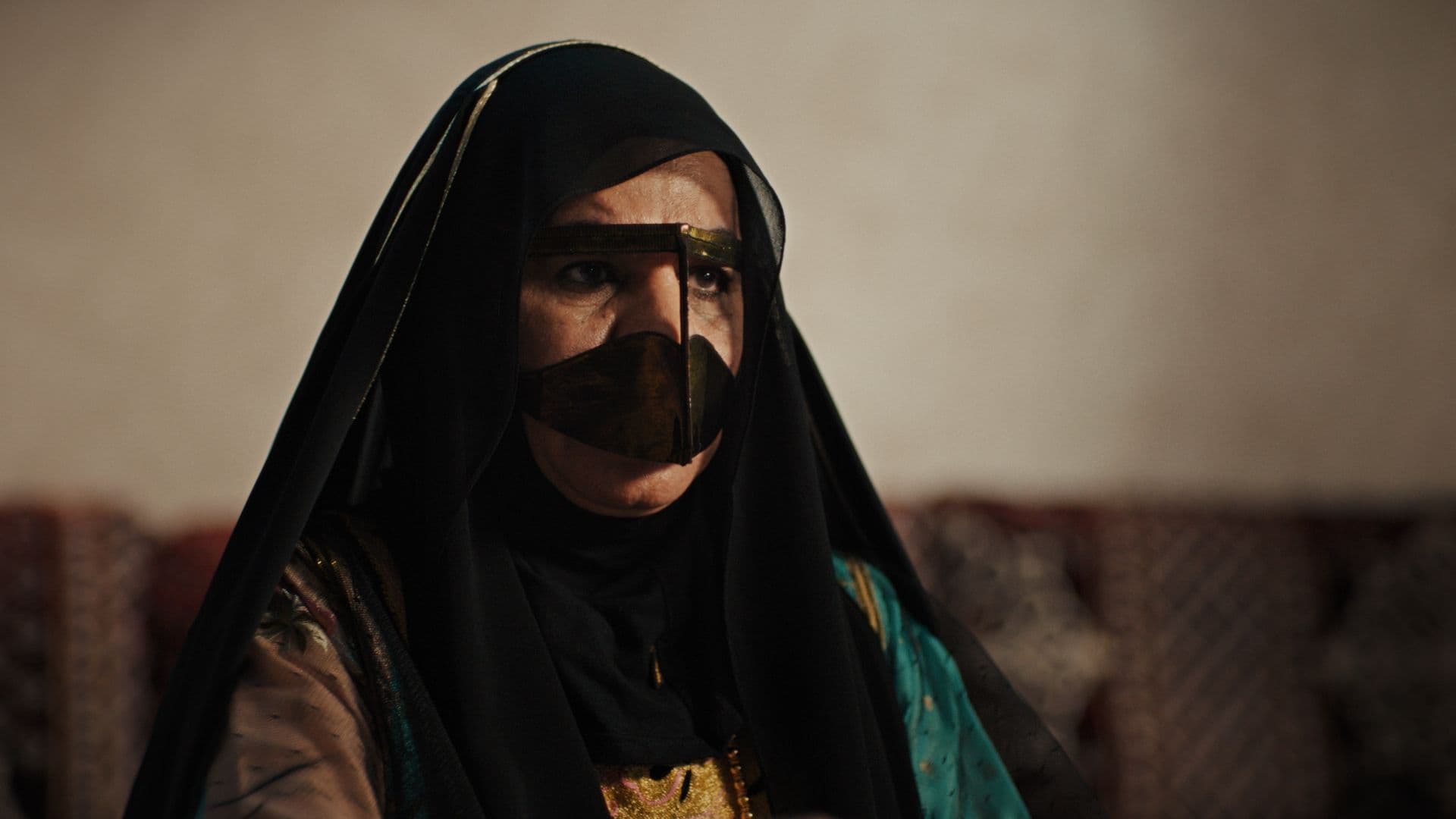
Permissions extend to people. UNESCO nomination files, for example, must include the consent of the communities concerned alongside photos and video. A production partner who treats consent as paperwork to finish after the shoot is storing up problems for your institution.
Process, Sign-off and Accountability
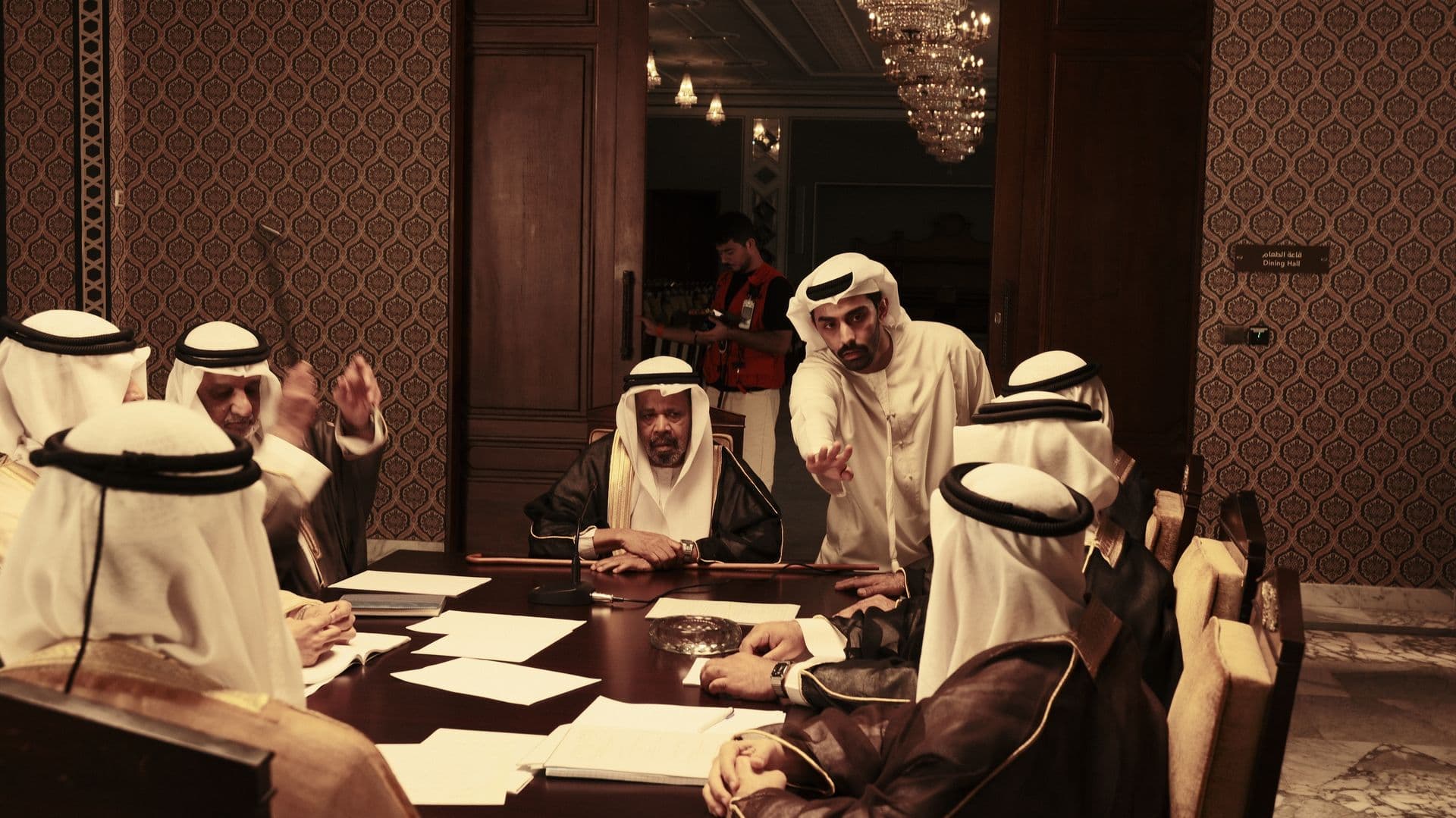
Institutional films are rarely approved by one person. They pass through departments, leadership offices and sometimes partner organizations in other countries. When the Department of Culture and Tourism Abu Dhabi prepared a joint heritage file, it hosted representatives from 16 Arab countries to discuss it. Documentaries tied to that kind of work carry the same layered review.
A heritage documentary company that delivers one finished cut and asks for comments has left it too late. Changes at that point are expensive, and some are impossible.
Question 4: Can you walk us through your production methodology?
A named, staged documentary production methodology is the clearest sign that a company has done this before. Ours has five stages, and every film goes through all of them:
- Discovery. We define the purpose, audience, occasion and screening context with you.
- Research. We build the source base, engage advisers and secure permissions.
- Scripting. We shape the research into a narrative structure, then a full script with interview plans.
- Production. We shoot interviews, locations, reconstructions and observational footage.
- Post-production. We edit, grade, mix, subtitle and deliver.
Research first, then the frame. Ask any shortlisted company to name its stages and what you receive at the end of each one.
Question 5: Who signs off at each stage, and how?
Agree this in writing. Each stage should end with a defined deliverable (a research summary, a treatment, a script, a rough cut, a fine cut) and a named approver on your side.
Ask how feedback from several departments will be consolidated, and how many rounds of revision are included at each stage. A clear answer protects your timeline and your budget. It also protects the film from contradictory notes arriving at the last minute.
Craft, Format and Scale
Format and length are choices. They should follow from the occasion, the subject and where the film will be seen. A production partner who defaults to the same camera and the same running time for every brief is telling you something about how it works.
Question 6: What shooting format fits the occasion?
Most factual filmmaking in the UAE is shot on digital cinema cameras, and for many projects that is the right call. Some national occasions call for something else, film rather than digital capture, for a tribute or commemoration that asks for a different texture and weight.
Film changes the production: stock, lab processing and a more deliberate way of shooting all have to be planned. Ask your production partner why it recommends a format for your project, not only what it recommends.
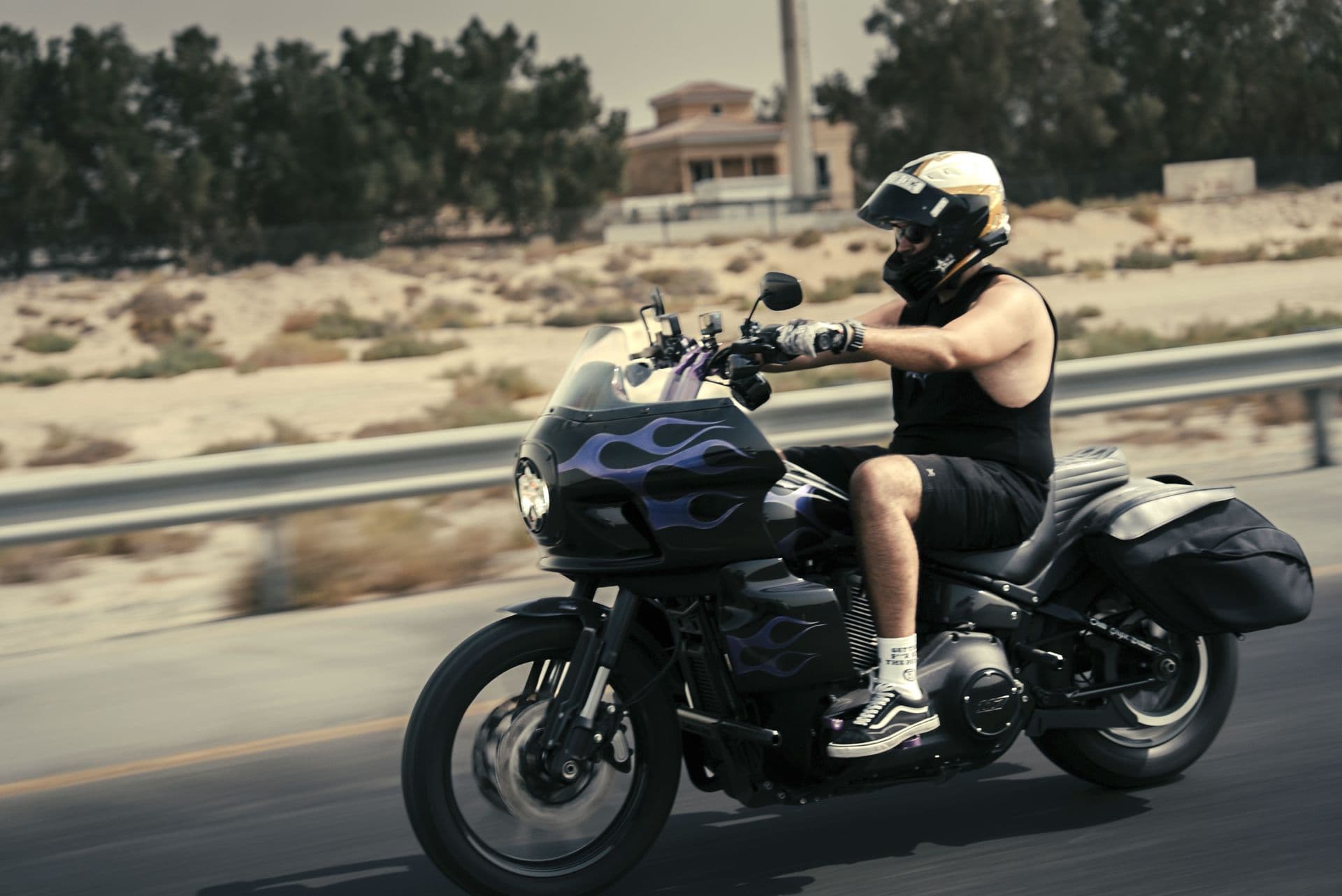
Format also means register. An archival tribute and an observational film ask for different approaches. On a documentary shoot following a motorcycle riding community, the story lived in the workshop, on rides through the city and the desert, and in the conversations in between. The subject set the method.
Question 7: What is the intended length and structure?
A single long-form documentary, a short-film series and an institutional film for a ceremony are different objects. Ask how the proposed structure serves your audience.
Consider where the film will be screened. A national event, a museum installation, a broadcast slot and an online series all shape running time, pacing and the number of episodes. Ask, too, whether shorter cutdowns are planned from the start, so they are shot for rather than cut down later.
Institutional Track Record
A showreel shows what a company can make look good. It does not show whether it can work inside an institution's protocols, respect review chains, or handle sensitive national subjects with care. Ask for evidence of that directly.
Question 8: Have you worked with government or semi-government bodies before?
A government heritage film maker should be able to point to films made for public institutions and explain how those films were reviewed. Ask what kinds of occasions the work marked and what kinds of stakeholders it involved.
Our work in this area includes a documentary on a competition among the UAE's top government achievers, Challenge 71, which highlighted achievers across all sectors. Films like this carry an institution's name. Ask to see the ones a company has already made.
Question 9: Do you have experience supporting UNESCO or heritage nomination files?
This is specialist work. The UAE's nominations effort began with the international falconry file in 2010, and the files that followed have set a high standard.
A nomination file combines the nomination form, community consent, photographs and video, and the work does not end with inscription. For elements on the Urgent Safeguarding List, the State Party submits periodic reports every fourth year. Footage made for a nomination may be drawn on for years.
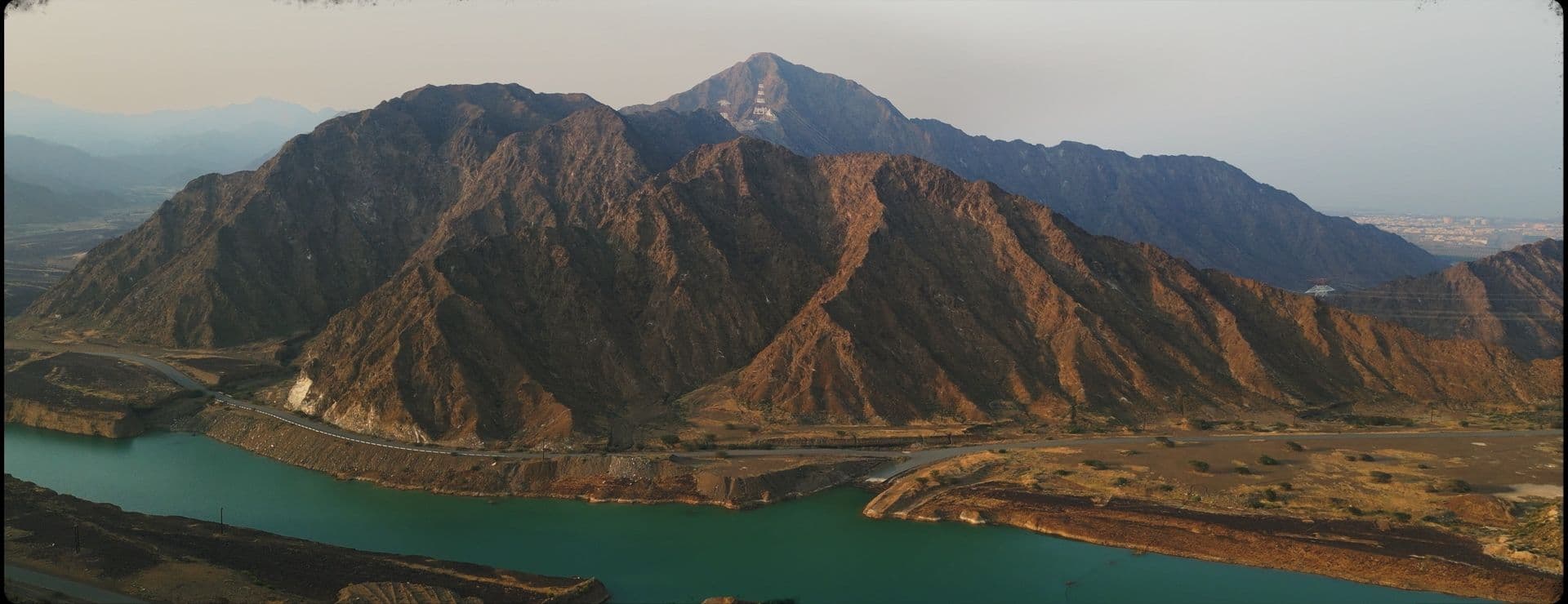
A UAE heritage documentary maker supporting this work needs to understand what the file must demonstrate, not only how to film it. We made a documentary for Fujairah's UNESCO nomination file, Wadi Wurayah, which was successfully nominated as human heritage.
Commercial Terms and Ownership
The last question is the one most often left until the contract arrives. It deserves a conversation much earlier.
Question 10: Who owns the footage, and what are the delivery terms?
A heritage documentary is also an archive. The interviews you commission today may be the only recorded testimony of a practitioner or an elder. Ask:
- Who owns the finished film, the raw footage and the interview recordings?
- Which archive licenses transfer to you, and which are time- or platform-limited?
- What masters, language versions and subtitle files will be delivered?
- If the project is shot on film, who holds the original material, and where is it stored?
- Are signed releases from every interviewee included in the handover?
Get the answers in the contract. A clear handover means the footage can serve your institution long after the premiere.
The 10 Questions at a Glance: Vetting a UAE Heritage Documentary Maker
Use this table when you brief your shortlist. A cultural documentary in the UAE succeeds when every one of these has a clear, specific answer.
# · Question · Why it matters · What a strong answer sounds like
1 · What primary sources will you use? · Accuracy is the foundation of a heritage film · Named source types and holders, plus a research dossier before scripting
2 · Who are your cultural and historical advisers? · Traditions have keepers who must be heard · Named advisers, their role, and how factual disagreements are resolved
3 · How do you handle archive access and permissions? · Unlicensed material can stop a release · Written licenses and community consent secured before production
4 · Can you walk us through your methodology? · A named process predicts a reliable outcome · Defined stages, each with a deliverable
5 · Who signs off at each stage, and how? · Institutions review in layers · Named approvers, written sign-off, agreed revision rounds
6 · What shooting format fits the occasion? · Format shapes the meaning and the budget · A reasoned recommendation, digital or film, tied to the occasion
7 · What is the intended length and structure? · Screening context dictates form · A structure matched to venue, audience and planned cutdowns
8 · Have you worked with government bodies before? · Protocol and sensitivity cannot be learned mid-project · Specific films made for public institutions
9 · Do you support UNESCO or heritage nomination files? · Nomination footage must meet the file's purpose · Understanding of file requirements and a nomination film to show
10 · Who owns the footage, and what are the delivery terms? · The footage becomes an institutional archive · Clear ownership, full deliverables and releases in the contract
Frequently asked questions
How long does a heritage documentary usually take to produce in the UAE?
It depends on the depth of research, the number of stakeholders who review, and how long archive and location permissions take to secure. A single film moves faster than a multi-episode series, and a film tied to a fixed national date is planned backward from that date. Ask any production partner for a stage-by-stage schedule rather than one delivery date.
What's the difference between a corporate video company and a heritage documentary maker?
A corporate video company is built to communicate a message quickly and attractively. A heritage documentary maker is built to research, verify and tell a story that will stand as a record. The difference shows in the process: sources, advisers, permissions and staged sign-off come before the camera.
Do heritage documentaries need government approval before filming begins?
Filming in public locations in the UAE generally requires permits from the relevant authorities, and heritage sites and archives require permission from whoever holds them. Government-commissioned films also pass through the commissioning body's own review. Your production partner should manage permits and map approvals before production starts.
Can a documentary genuinely support a UNESCO nomination file?
Yes. Nomination files include photographs and video alongside the nomination form and community consent, so film is part of the evidence. The footage must show the element as its community practices it, which is why research and consent matter as much as the camera work.
What footage formats are typically used for national heritage films?
Most are shot on digital cinema cameras, which suit long interviews and observational work. Some national occasions justify shooting entirely on film for its texture and permanence. The right choice depends on the occasion, the subject and the budget.
How many advisers or historians are usually involved in a heritage documentary?
There is no fixed number. A focused subject may need one historian and a handful of practitioners. A national tribute or a nomination film may involve historians, community representatives and specialists in language or craft. What matters is that every factual claim has someone qualified to stand behind it.
If you're weighing up production partners for a heritage or institutional film, start a project with us and put these ten questions to us directly. We will answer every one before we pick up a camera.