



Key takeaways
- Film and digital record light differently. The difference shows most in skin tone, texture and low light, which matters when the subject is an elder's face or a craftsman's hands.
- Properly stored film negative can stay readable for many decades without changing format. Digital files need active, repeated migration to stay accessible.
- Digital is faster and cheaper to shoot and review, which suits long-format series that gather dozens of hours of recorded heritage.
- Some heritage and UNESCO-facing projects choose film for its archival weight and permanence. That is a preservation decision, not a style choice.
- At Sedrah Stories, the format follows the research and the purpose of the film, never personal preference or industry trend.
Film vs Digital Documentary: What the Debate Actually Comes Down To
The film vs digital documentary question comes down to three things: how the subject needs to look, how long the film needs to survive, and how much material the story needs to gather. Film gives a particular texture and a physical master that can last for generations in the right storage. Digital gives speed, long takes, strong low-light capture and lower cost per hour of footage. Neither is better in general. One is better for a specific film.
At Sedrah Stories, we treat format as a decision that comes out of research. A national tribute meant to sit in an archive for a century needs different capture from a twelve-part series recording oral history across the Emirates. The sections below set out the criteria we weigh: image, longevity, cost and workflow, and purpose. They should help your committee decide with reasons rather than taste.
The Look: What Film and Digital Actually Capture Differently
Both formats can produce strong images. They produce them in different ways, and those differences fall hardest on the subjects heritage documentaries care about most: faces, materials and interiors lit by very little.
Dynamic Range and Skin Tone
Color negative handles bright highlights gently. A white kandura in full desert sun or a window behind a seated elder rolls off softly instead of clipping to a hard edge. Skin tones on film carry a warmth and separation between tones that many cinematographers find hard to fully reproduce in a grade.
Modern digital cinema cameras now capture very wide dynamic range, and a skilled colorist can shape skin well. The difference is where the character comes from. On film, much of it is in the stock and the lab. In digital documentary production, more of it is built in post-production, which gives flexibility but asks for a clear visual intention from the start.
Grain vs Digital Noise
Film grain is random, different in every frame, and sits inside the image. On a close shot of weathered hands weaving palm fronds or working silver, grain reads as texture. It belongs to the material.
Digital noise behaves differently. It gathers in the shadows, can show as colored speckle, and tends to look like a fault rather than a texture. Digital noise reduction is very effective now, but pushed too far it smooths skin and fabric into something waxy. When shooting on film, the documentary team chooses a stock for its grain in advance. In digital, the team manages noise through exposure and post.
Low-Light Performance in Heritage Locations
Heritage happens in difficult light: a majlis lit by lamps, the inside of a fort, a mosque courtyard after Maghrib, a fire in the desert at night. Digital cameras with high sensitivity can record these scenes close to how the eye sees them, often with no added light at all. That matters when bringing in lighting would disturb the moment or the people in it.
Film can work in low light with fast stocks and fast lenses, but it usually needs more light, more planning, or both. For a series like Sirat Arzag, twelve short documentaries positioning the UAE among the old and new worlds with more than 60 hours of recorded intangible heritage, this is the kind of practical question that shapes capture across many locations and conditions.
Archival Longevity: Which Format Survives for the Next Fifty Years
For government bodies and cultural institutions, this section often decides the matter. A heritage film is made for an audience now and for an archive that will outlive everyone involved in making it.
How Film Negative Ages in Storage
Film is a physical object that can be read with light and a lens. It does not depend on software, codecs or a particular machine. In the right conditions it lasts a very long time. Kodak's storage guidance states that safety film carrying silver images can be used for extended life expectancy records of 500 years for polyester base and 100 years for acetate. Studio experience points the same way: archival prints kept on a shelf in a cold room can last for at least a century.
Those figures depend on storage. Kodak also sets out a named benchmark for medium-term storage of processed motion picture film, a minimum of 10 years, as defined in ISO 2803 or ANSI PH1.43-1985. Temperature, humidity and handling all count. Film left in a hot, damp store ages far faster than film in a controlled vault.
Why Digital Files Need Active Migration
Digital files do not fade, but the media that hold them fail, and the formats that read them go out of use. Many archives rely on LTO data tape. Data on LTO can last several decades, yet industry insiders have reported significant data loss on these tapes in fewer than five years, and the system depends on periodic transfer to new tapes.
So a digital archive is not a single act of storage. It is a commitment: checking files, keeping multiple copies in separate places, and moving everything to new media and formats in cycles, for as long as the film needs to exist.
What This Means for National Archives
For an institution, the choice is less "film or digital" than "what does our archive commit to?" A film negative asks for one demanding storage environment. A digital master asks for an ongoing program of migration with budget and staff behind it. Many projects end up with both: a film negative or film-out as the long-term master, and digital files for access, broadcast and screening.
These are core heritage documentary techniques, and they apply well beyond the camera. We cover the wider picture in our piece on documenting intangible cultural heritage on film.
Cost and Workflow: Where Film and Digital Diverge in Practice
We will not put numbers on this, because the cost of either format depends on gauge, shooting days, locations and deliverables. The structure of the costs is predictable, though.
Shooting Ratios and Review Time
On film, every roll costs money in stock, processing and scanning. That puts a discipline on the shoot. Scenes are planned more tightly, and the shooting ratio (footage shot against footage used) tends to be lower.
Digital documentary production removes most of that pressure. An elder's oral history can run without interruption for as long as the memory takes to unfold. Observational scenes can be left rolling. The cost moves to the other end: someone has to watch, log and transcribe every hour. A series gathering dozens of hours of testimony, as Sirat Arzag has, is the kind of volume where digital capture makes the material practical to collect.
Lab Processing vs Instant Playback
Digital footage can be reviewed on set, within seconds. Film cannot be seen until it has been processed and scanned. Depending on where the lab is, exposed negative may need to travel abroad, which adds shipping, paperwork and days to the schedule before anyone sees a frame. Unprocessed film also needs careful handling in transit, including asking for hand inspection rather than high-energy scanners at airports.
The result is a different rhythm. Film asks for confidence on the day. Digital allows correction on the day.
Crew and Equipment Implications
A film shoot needs a camera team that knows film: loading magazines, keeping logs, judging exposure without a monitor's reassurance. Fewer of these crews are available than digital crews. Film cameras and stock also need planning around heat and dust, both serious factors on UAE locations.
Digital shoots need their own specialists. A data wrangler or digital imaging technician manages backups on set, and storage costs grow with every shooting day. Neither format is simpler. They are complex in different places.
When Shooting on Film Makes Sense for a Heritage Project
Film earns its extra discipline when the purpose of the project calls for it. These are the situations where we consider it seriously.
National Occasions and Institutional Tributes
A film marking a national milestone or honoring a founding figure carries weight beyond its running time. It may be screened at a state occasion and then kept as part of the national record. Here, shooting on film is a statement about permanence. The medium matches the seriousness of the subject.
Projects Built for Long-Term Archives
Heritage nominations are a clear case. UNESCO's nomination files for the Representative List of the Intangible Cultural Heritage of Humanity include a mandatory film element alongside photographs as a supporting document. The UAE has a growing record of inscriptions on UNESCO's Intangible Cultural Heritage lists, and each one depends on documentation that will be referred to for years.
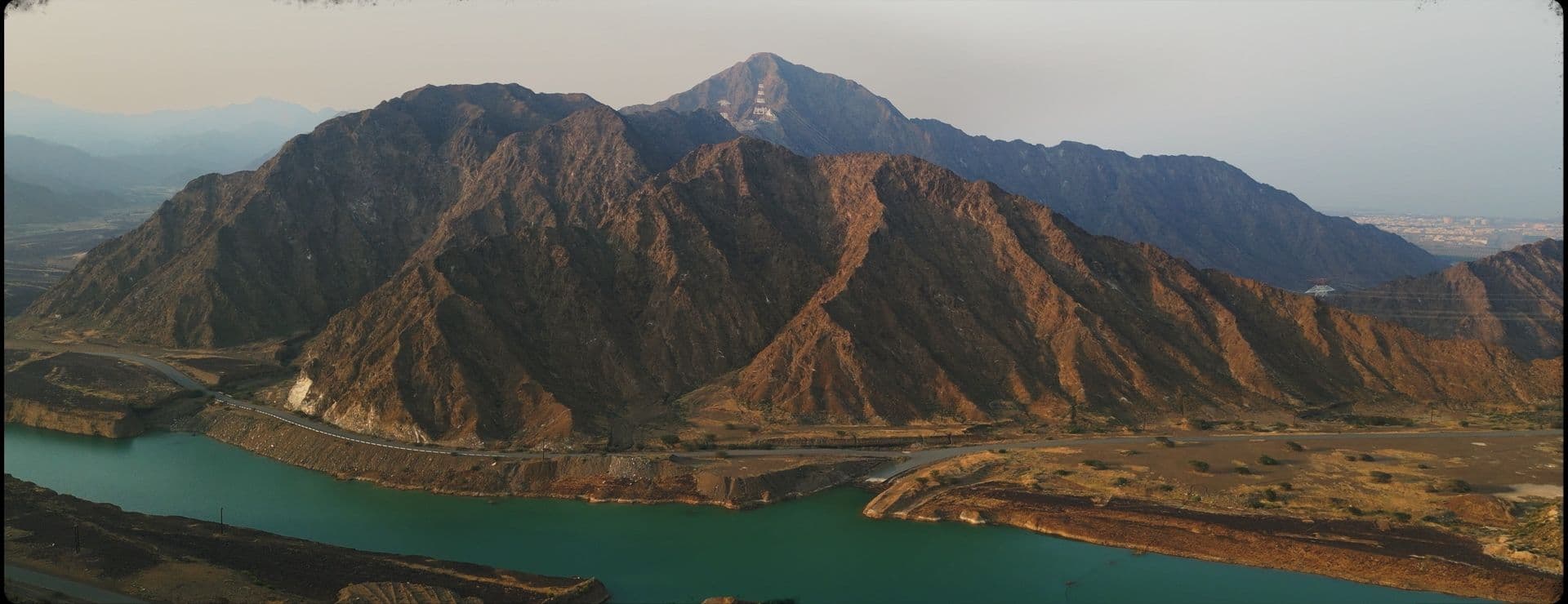
Our film for Wadi Wurayah was made for Fujairah's UNESCO file, which was successfully nominated as human heritage. A film made for a file like that serves the nomination and then becomes part of the record of the place. When the archive is the main audience, a physical film master deserves a place in the conversation.
When Digital Is the Better Choice
Digital is the right call more often than the romance of film suggests. Choose it when:
- the project is a long-format series built on many hours of interviews and observation
- key scenes happen in very low light that cannot be supplemented without disturbing them
- the delivery date is fixed and close, such as a broadcast slot tied to an occasion
- events need several cameras rolling at once
- the institution already runs a funded digital preservation program
A well-planned digital film with a proper archive strategy will serve heritage better than a film shoot that the budget or schedule cannot support.
Film vs Digital at a Glance
- Image character: Film: Organic grain, gentle highlight roll-off, character set by stock and lab; Digital: Clean image, character shaped mainly in the grade
- Skin tone: Film: Warm, naturally separated tones; Digital: Highly adjustable, depends on grading skill
- Low light: Film: Needs fast stock, fast lenses or added light; Digital: Strong performance, often no added light needed
- Shooting ratio: Film: Lower, every roll carries cost; Digital: Higher, long takes are affordable
- On-set review: Film: None until processed and scanned; Digital: Immediate
- Main cost drivers: Film: Stock, processing, scanning, specialist crew; Digital: Logging and review hours, storage, data management
- Long-term master: Film: Physical negative, decades to centuries in controlled storage; Digital: Files that need regular checking and migration
- Ongoing archive commitment: Film: Controlled storage environment; Digital: Repeated transfer to new media and formats
- Best suited to: Film: Tributes, national occasions, archive-first films; Digital: Long series, observational work, tight deadlines
How We Decide at Sedrah Stories: Format Follows Research, Not Preference
Every film goes through the same five stages: research first, then the frame. Format is one of the decisions that research produces.
Where Format Decisions Sit in the Five Stages
- Discovery. We establish what the film is for, who will see it, and where it will live afterwards. An archive-first film and a broadcast series start from different places.
- Research. We study the subjects, the locations and the conditions: the light inside a fort, how long an elder can comfortably speak, which practices only happen at night or at a certain season.
- Scripting. Research-driven scripting shows how much material the story needs and which scenes carry the most weight. That points to a likely shooting ratio, and the ratio points to a format.
- Production. The camera team, equipment and logistics follow the format decision, including heat, dust and transport planning.
- Post-production. We plan scanning, grading and deliverables together with the archive masters, so the film is ready both for its premiere and for its long-term storage.
For more on how this method shapes the whole film, read our explanation of what research-driven documentary production really means.
Starting the Conversation
It helps to arrive with a few answers: the purpose of the film, any fixed occasion or delivery date, the institution that will hold the archive, and what existing archive material is available. You do not need to have chosen a format. That decision comes from the work we do together in Discovery and Research.
Frequently asked questions
Does shooting on film cost more than digital for a documentary?
Usually yes, during the shoot, because film adds stock, lab processing, scanning and specialist crew. Digital moves cost elsewhere: review and logging time, storage, data management and long-term migration. The fair comparison covers the whole life of the film, including how it will be archived.
Can film and digital footage be mixed in the same documentary?
Yes, and it can work well. Some films use film for portraits or key sequences and digital for long interviews or low-light scenes. Others use the contrast on purpose, for instance to separate memory from the present. A careful grade brings the two together or keeps them apart, as the story needs.
How long does archival film actually last compared to digital files?
Kodak gives life expectancy designations of 500 years for polyester-base safety film and 100 years for acetate, assuming proper storage. Digital files last only as long as the media and formats holding them, and some LTO tapes have lost data in under five years. Digital can last indefinitely, but only through regular checking and migration.
Is 16mm or 35mm film still used in UAE heritage production today?
Both gauges are still made and used in film production. 16mm gives lighter cameras and a more visible grain, while 35mm gives finer detail and a larger negative for the archive. We choose the gauge according to the subject, the locations and the archive the film is made for.
Does a UNESCO nomination film need to be shot on film to be credible?
No. A nomination's credibility comes from accurate research, respectful representation of the community and clear documentation of the element. The film is a mandatory supporting document in the file, and the capture format should follow the project's purpose and archive plans rather than an assumption about what looks serious.
If your institution is weighing film against digital for a heritage project, start a project with Sedrah Stories and we will walk through the research and the format together.