


Key takeaways
- To film oral history interviews with Emirati elders well, treat consent as an ongoing, verbal-first conversation. Revisit it before filming and again before release. One signature does not settle it.
- Dialect carries meaning beyond words. A researcher fluent in the speaker's regional Emirati dialect should prepare the questions and sit in on the interview. The editor who cuts the footage later cannot fill that role.
- Family presence often improves an interview. A familiar face nearby can put an elder at ease in ways a crew alone cannot.
- Preparation decides whether an interview surfaces real memory or generic answers. At Sedrah Stories, that work happens in a discovery and research phase before any camera rolls.
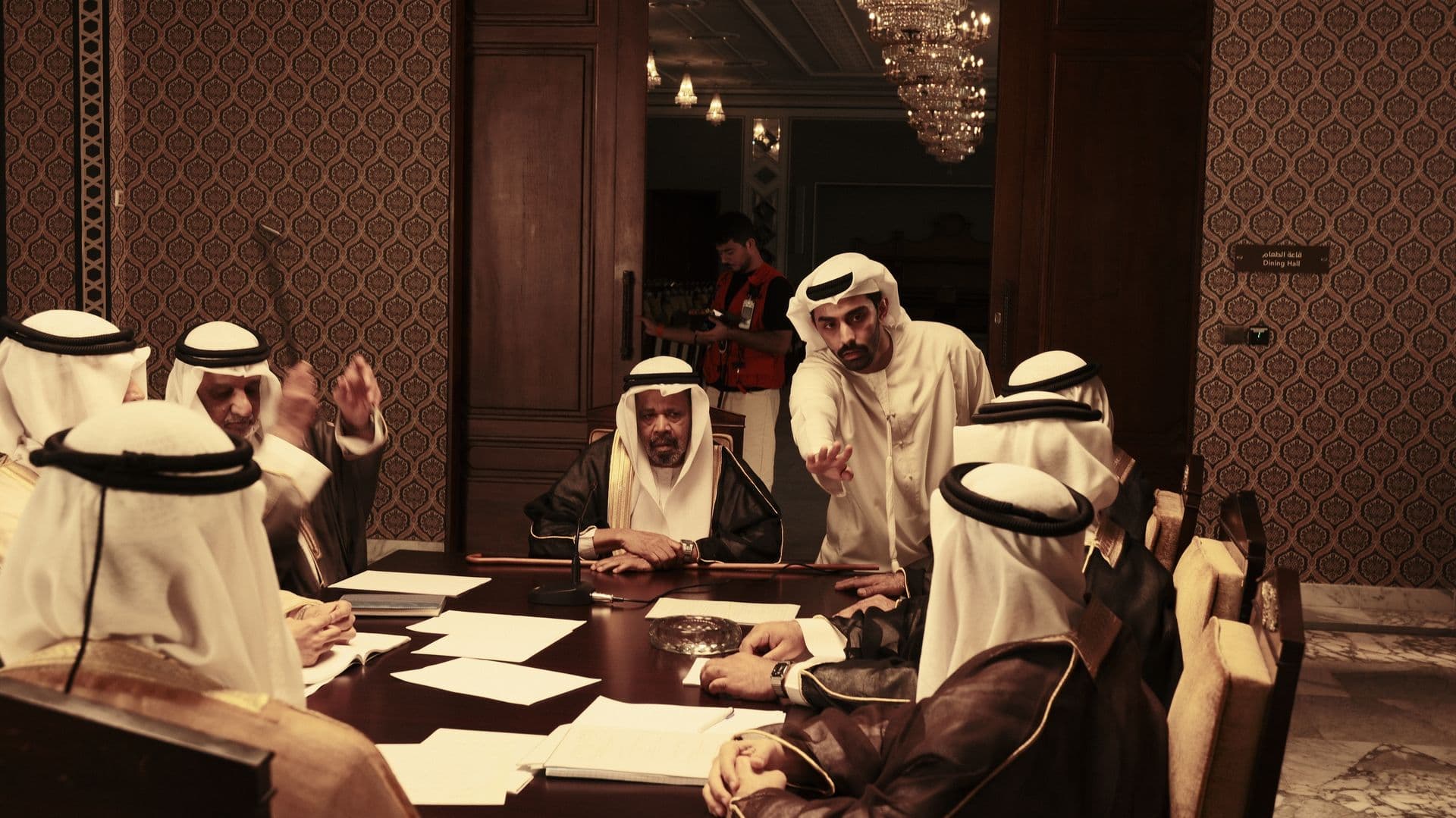
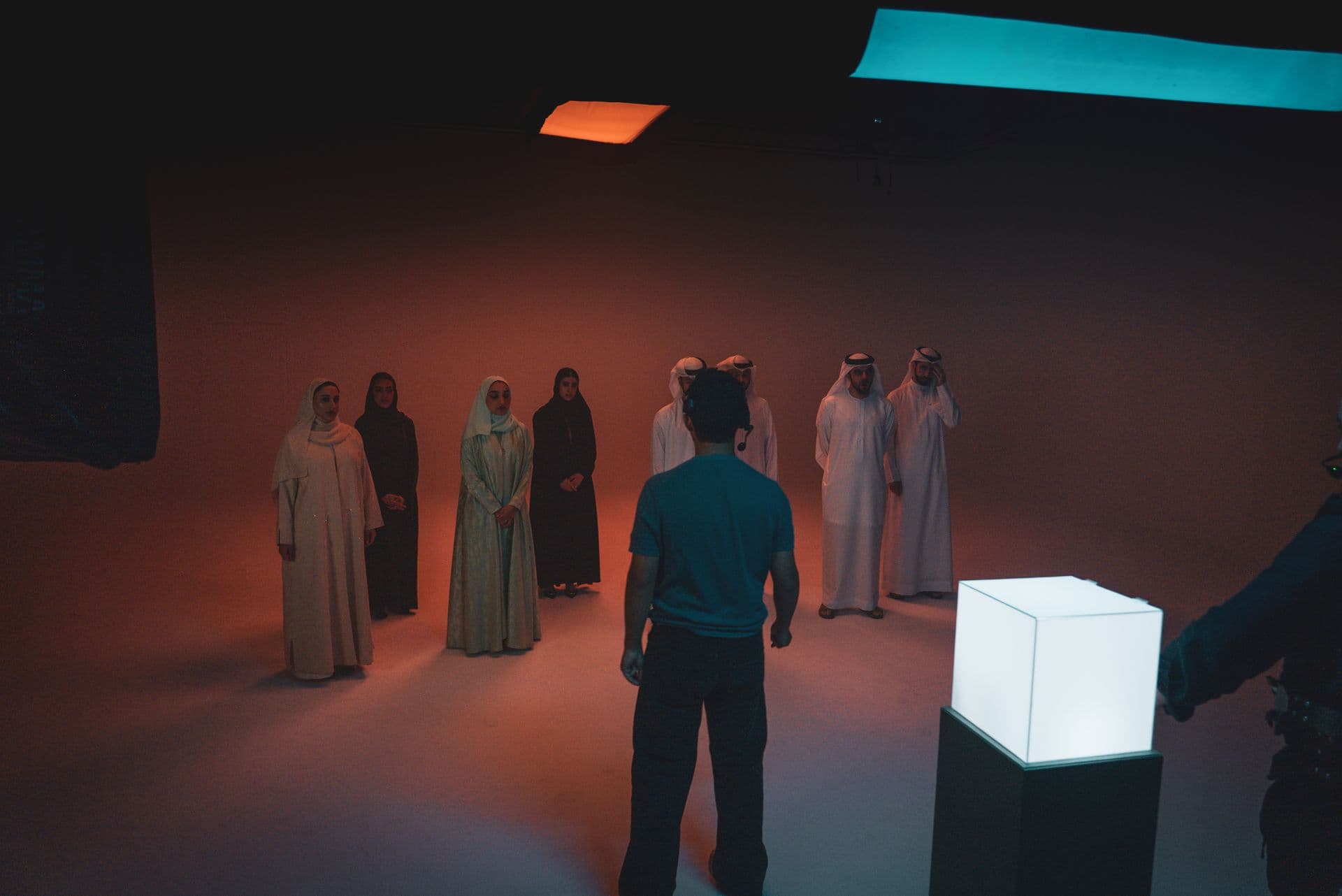
- Research notes should sit beside the frames they informed. That standard, visible in our film The Pledge Day, belongs in oral history work too.
Why Filming an Elder's Memory Is Not a Standard Interview
A corporate interview has a script, a time slot and a speaker who knows how to perform. To film oral history interviews with an elder is something else. The subject is not presenting. They are remembering, often for the first time on record, and often about a country that has changed beyond recognition within their lifetime.
The stakes are different too. Emirati oral history fills the spaces the written record left empty. A 2026 lecture by the National Archives and Library described oral narratives as containing "rare information that fills the gaps in written documents," and it framed interview methodology as a sequence running from "preparation and coordination with the narrator, all the way to transcribing the material and classifying it according to professional guidelines" (Khaleejion 24). That is an archivist's view, and it is the right one. An elder's account may become the only surviving version of a place, a trade or a family line.
The scale of the work is real. About 700 interviews have been carried out for the National Centre for Documentation and Research's oral history project, recorded in both audio and video (The National). Each of those interviews is a person, a memory and a trust given to whoever holds the camera.
So the technique changes. Lighting comes second. The relationship comes first. The questions come from research, not from a template. The pace belongs to the speaker. Across our documentary work, we hold to one principle: the camera follows the memory. The memory does not perform for the camera.
Before You Film: Research, Consent and Who Should Be in the Room
Most of what makes heritage documentary interviews succeed happens before the crew arrives. The interview day only shows how well the earlier work was done.
Researching the Subject Before the First Conversation
Begin with the person's life, not your list of questions. Where did they grow up? What did their family do: pearling, date farming, trade, herding, fishing? Which events did they live through, and at what age? Which names, places and objects might appear in their story?
This is discovery work. It draws on family members, local records, published histories and earlier recordings where they exist. The goal is not to know the answers in advance. The goal is to know enough to recognize when an answer matters, and to follow it.
A researcher who knows that an elder's father worked the pearling boats will ask about the season's departure, the songs and the debts. A researcher who does not will ask, "What was life like back then?" The first question opens a memory. The second gets a summary. The frame is earned by the research behind it.
Consent That Respects How Elders Actually Agree to Be Filmed
Many elders agree to things through conversation, trust and the involvement of family, not through paperwork. A form handed over at the start of a shoot can feel transactional, even suspicious. It can also mean very little if the elder did not fully understand where the footage would go.
We treat consent as a conversation that happens more than once:
- At first contact, usually through the family, explain the project, its purpose and where the film may be seen.
- Before filming, explain it again in the elder's own dialect. Confirm that they are willing, and that they know they can stop at any time.
- During the session, let the elder decide which topics stay off the record.
- Before release, return to the elder or the family with what will be used. Confirm again.
Written consent still matters, especially for institutional archives. The National Centre for Documentation and Research seeks written consent from each narrator for use in future publications or related projects (The National). The signature records the agreement. The conversations are what make the agreement real.
Deciding Who Sits in the Room
Keep the room small. In most cases that means:
- the elder
- one or two family members the elder chooses
- the interviewer, ideally a researcher fluent in the elder's dialect
- the smallest crew the shot allows
Every extra person changes the atmosphere. A full crew with monitors and a director's chair turns a home into a set. If a translator is needed for an English-speaking production team, they should sit back, not between the elder and the interviewer.
Dialect, Language and the Words That Don't Translate
Emirati Arabic is not one voice. Coastal communities, desert interior families, oasis towns and the mountain villages of the northern emirates each carry their own vocabulary, rhythm and idiom. For Emirati oral history, those differences are part of the record itself.
Why Regional Dialect Changes the Questions You Ask
The words an elder uses for a tool, a wind, a season or a type of dwelling point to a specific way of life. A pearling family will speak of the nahham, the singer who set the rhythm of work on the boats. A family from the interior may describe the barasti or areesh, the palm-frond structures of summer living, in ways that reveal how a household moved through the year.
Questions written in formal Arabic, or translated from English, often miss these terms entirely. Ask "What was your house like?" and you get a description. Ask about the areesh by name, in the elder's own dialect, and you signal that you already understand their world. That often brings out the details only an insider would share. The language is part of the heritage being preserved, as much as any object or image.
Working With a Researcher Who Speaks the Elder's Dialect
When you film oral history interviews, the dialect specialist needs to be present from the start, not brought in at the edit. Their place is in three stages:
- Question preparation. They rewrite questions in the elder's dialect and add terms the research surfaced.
- The interview itself. They lead the conversation or sit beside the interviewer, catching references and asking the follow-up a non-native speaker would miss.
- Review. They check transcripts and translations against what was actually said and meant.
An editor working from a transcript months later cannot recover a follow-up question that was never asked.
Setting Up the Room: Comfort Before Equipment
The best-lit interview in the world is worthless if the speaker is tense. With elders, the physical space shapes the memory that comes out of it.
Choosing a Setting the Elder Already Feels at Home In
Film where the elder already lives their life. For many, that is the majlis: floor seating or low cushions, coffee and dates within reach, a room built for conversation. Filming there tells the elder that this is a visit, not a summons.
Some practical guidance:
- Seat the elder where they would normally sit. Build the frame around them. Do not move them to suit the frame.
- Use soft, motivated light. Bounce light from existing windows or lamps. Hard key lights and clinical setups make people feel examined.
- Keep equipment compact and back from the conversation. Lavalier microphones placed with care, cameras on longer lenses, cables out of the walkway.
- Choose the time of day with the family. Many elders have clear daily rhythms around prayer, meals and rest. Film when they are most alert.
The same principle holds outside heritage work. Our Harley Project, a documentary shoot with a motorcycle riding community, followed its subjects through their workshop, their rides and the conversations in between. People speak most freely in the places that belong to them.
Pacing the Session Around the Person, Not the Schedule
Elders tire. They also warm up slowly. Treat the first stretch of any session as conversation, with the camera rolling but nothing asked of it. Take breaks for coffee, prayer and rest. Plan for more than one visit rather than forcing everything into a single day.
And let silence stay. A pause before an answer is often the moment a memory arrives. Do not fill it. Do not cut it in your head while it is happening. Some of the most honest material in heritage documentary interviews comes after a long quiet.
Family Involvement: Etiquette, Not Obstacle
Production teams trained on corporate shoots often treat relatives as a logistics problem: people to manage, schedule around or politely remove. In Emirati oral history, the family is usually the way in.
Approaching the Family Before Approaching the Elder
In most cases, the first conversation should be with a son, daughter or grandchild, not with the elder directly. This is a matter of respect. It lets the family judge whether the elder is well enough, willing and comfortable. It also gives the family room to raise concerns about topics, timing or how the footage will be used.
Explain the project fully. Answer every question. Let the family decide how and when to introduce the idea to the elder. A request carried by a trusted relative lands differently from one made by a stranger with a camera.
Letting a Relative Stay in Frame or Nearby
When a familiar person stays in the room, the elder often relaxes. A grandchild can prompt a forgotten name. A son can say, "Tell them about the time you," and open a story the interviewer would never have known to ask for.
There are small risks. A relative may answer on the elder's behalf, or steer the account toward a family's preferred version. Handle this gently. Brief the relative beforehand, thank them for prompts, and return the question to the elder. If a relative appears in frame, treat them as part of the scene, not an intrusion to be cropped out. When you film oral history interviews this way, the family dynamic becomes part of the record.
From Footage to Film: What Happens After You Film Oral History Interviews
The interview is raw material. Turning it into something an institution can archive, or a nation can watch, takes as much care as the filming did.
Checking the Interview Against the Research Record
Memory is not a document. Dates drift, names merge, and events from different years fold together. That does not make an account less valuable, but it does mean every interview should be checked against the research record built in discovery.
Transcribe in the original dialect first, then translate. Tools are improving here: the National Archives and Library has developed an AI-based program to transcribe audio recordings into written text (Khaleejion 24). A fluent researcher should still review every transcript, because dialect terms are exactly where automated tools fail.
Flag discrepancies, but do not "correct" the elder's words in the film. Context belongs in narration, captions or the accompanying research file. This is the standard behind The Pledge Day, our tribute for Union Pledge Day, shot entirely on film with research notes and references sitting beside the frames they informed. Oral history deserves the same transparency.
Preparing Material for Institutional or Public Release
Before anything is released, return to consent. Show the family, and where possible the elder, what will be used. Confirm that sensitive passages they asked to withhold have been removed. Prepare deliverables to match the purpose:
- Institutional archive: What to prepare: Full unedited recordings, dialect transcripts, translations, consent records, research notes
- Heritage or nomination file: What to prepare: Edited sequences, subtitled, with sourcing for any claims made
- Public documentary: What to prepare: Final cut, subtitled, with family approval of included passages
Discovery, research, scripting, production and post-production: each stage protects the one before it. Skip the first and the last one suffers for it.
Related: What research-driven documentary production actually means · Documenting intangible cultural heritage on film · Five stages we follow on every documentary
Frequently asked questions
How long should an oral history interview with an elder last?
There is no fixed length. Plan sessions around the elder's energy and daily rhythm, with breaks for rest, coffee and prayer. Several shorter visits usually produce richer material than one long day, because the elder grows more comfortable with each conversation.
Do we need written consent or is verbal consent enough for heritage projects?
For institutional and archival use, written consent should be in place. The National Centre for Documentation and Research, for example, seeks written consent from each narrator. Treat the signature as a record of an agreement built through repeated verbal conversations, including one before release.
Should the interview be conducted in Arabic or English?
Conduct it in the elder's own dialect of Emirati Arabic. Memory, idiom and terms with no English equivalent come through most fully in the speaker's first language. Translation and subtitles follow in post-production, checked by a fluent researcher.
What if the elder wants to stop or withhold part of the story?
Stop, and respect it without pressure. Make clear before filming that the elder can pause or withdraw any topic at any time. If they ask for a passage to be removed after the fact, remove it and confirm the change with them or their family.
How do we handle sensitive family or historical topics that come up unprompted?
Let the elder finish, and do not push for more. Afterward, discuss the passage privately with the family and, where appropriate, the elder before deciding whether it belongs in any release. Keep the full recording in a restricted archive if the family agrees, and leave it out of public material unless they consent.
If you are planning an oral history project with Emirati elders, whether for an institution, a heritage file or a family archive, Sedrah Stories can help you shape it from the first research conversation to the final frame. Start a project with us.