

Key takeaways
- Research-driven documentary production at Sedrah Stories follows five stages: Discovery, Research, Scripting, Production, Post-production. Research shapes the script before a single frame is shot.
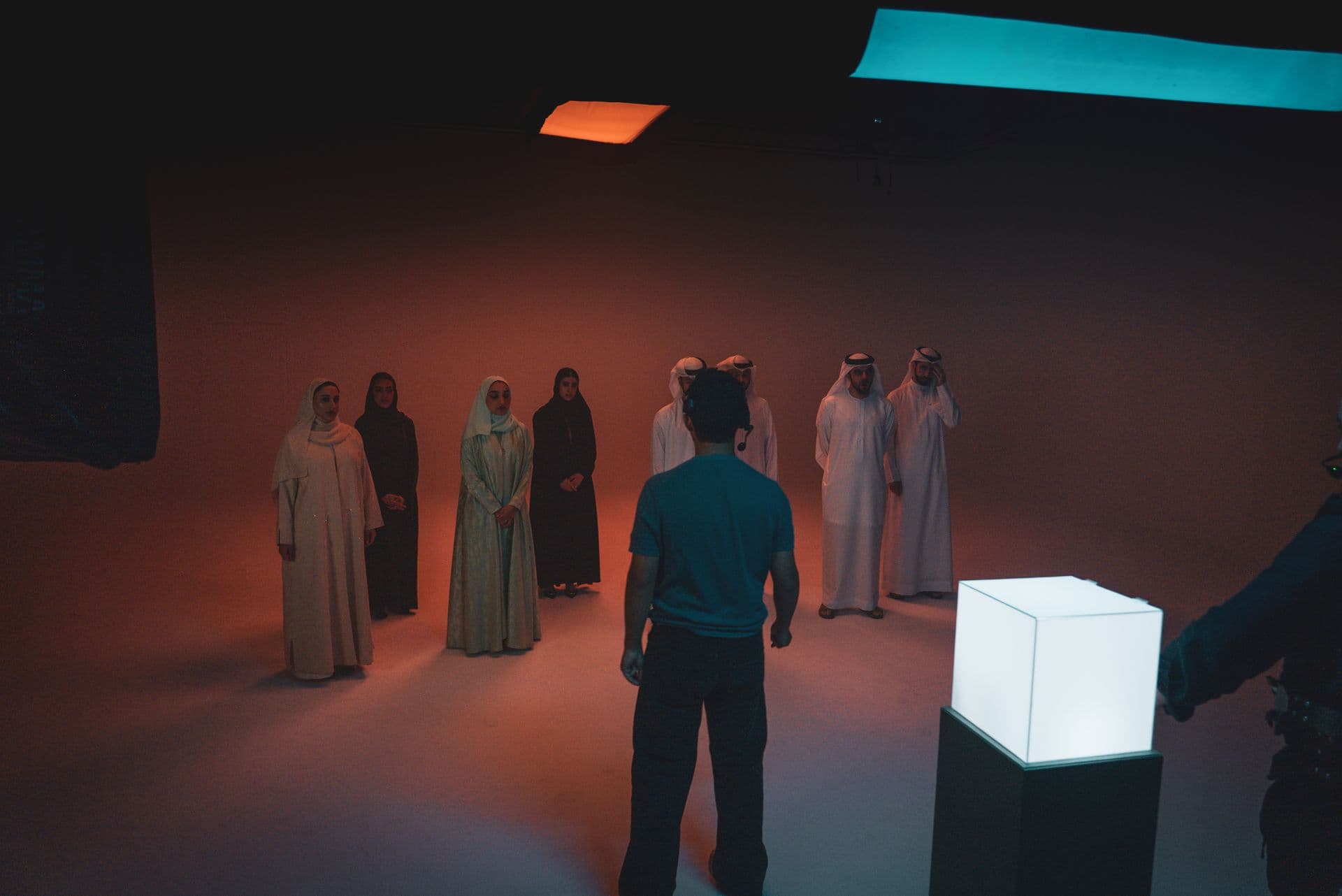
- The Pledge Day was shot 100% on film with no digitalization. We made that decision only after research confirmed the material warranted that level of craft.
- Sirat Arzag required research across twelve separate short documentaries. Each one needed its own sourcing before scripting could begin.
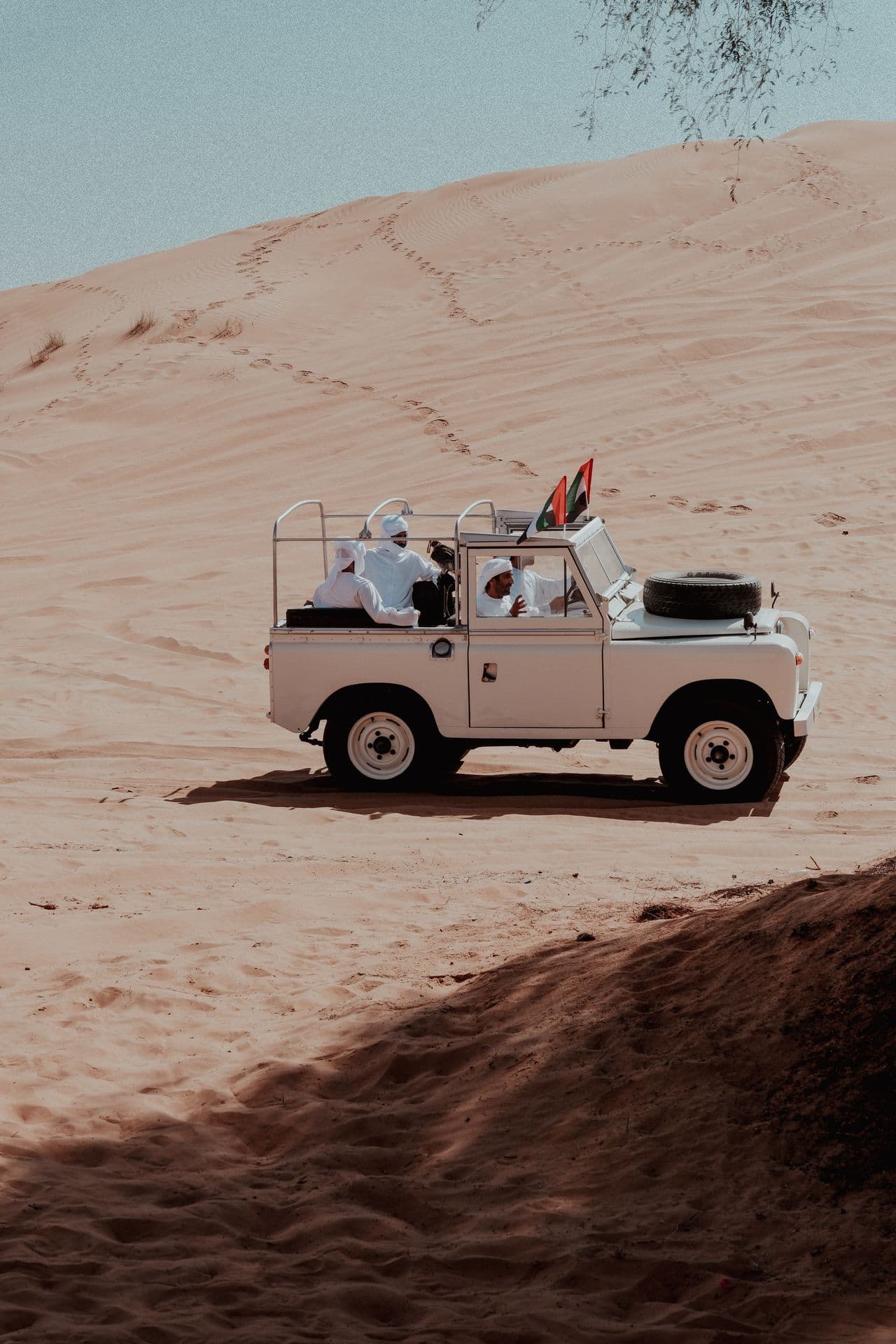
- Our Wadi Wurayah documentary supported Fujairah's successful UNESCO nomination. The research had to withstand review by heritage specialists, not just an internal editor.
- Research-driven production changes what gets filmed, not only how it is described. The script that reaches set has already been checked against archive, testimony and expert input.
What Does 'Research-Driven' Actually Mean in Documentary Production?
Research-driven documentary production means the facts come before the frame. Before anyone writes a line of narration or books a location, the story is built from verified sources: archive documents, photographs, oral testimony, and review by subject experts. The script is written from that material. The camera follows the script, and the script follows the evidence.
A typical corporate video runs the other way. A message gets agreed, a script gets drafted, and footage is gathered afterward to illustrate it. Research, if it happens at all, decorates a narrative that already exists.
The difference matters most when the subject belongs to a nation rather than a brand. A tribute to a founding moment, a series on an intangible tradition, a film supporting a heritage file: each has to stand up to scrutiny for decades. We treat research as the foundation of the film, not a stage we pass through on the way to the shoot.
Every film goes through the same five stages: research first, then the frame.
Why Historical Accuracy Fails When Research Comes After the Script
Historical accuracy rarely fails through one dramatic error. It fails quietly. A date is lifted from a secondary source. A quotation is paraphrased until it drifts from what was actually said. A tradition is filmed in a way its practitioners would not recognize. These small errors usually share one cause: the script was locked before the research was finished.
Once a script is approved, it gains momentum. Locations are booked around it. Interviewees are briefed on it. Budgets are built on it. When research then turns up a contradiction, the team faces a choice between costly rewrites and a quiet compromise. The compromise usually wins.
The Cost of Getting a National Story Wrong
For an institution, a documentary is a public record that carries its name. National occasions, heritage tributes and institutional histories get screened, archived and referenced for years. An error in a film about a national figure or a living tradition can offend the families and communities connected to it, and it can undermine the institution's credibility with the audiences it most needs to reach.
The stakes rise again when the film supports a formal process. A documentary attached to a heritage nomination will be read by specialists whose job is to find weaknesses.
Who Checks the Facts Before the Camera Rolls
In a research-first production, fact-checking is a role, not an afterthought. Researchers source and cross-reference material. Subject experts and cultural advisors review what has been found. The institution signs off on the findings before scripting begins. Good practice holds that filmmakers must keep verifying their information and be ready to adjust from pre-production through post-production. Checking does not stop when the camera starts.
Inside the Five-Stage Method: Discovery to Post-Production
Our documentary research process sits inside a five-stage method. Each stage produces something the next one depends on.
Discovery: Defining What the Institution Needs to Preserve
Discovery starts with questions, not ideas. What does the institution want preserved? Who is the audience, today and in twenty years? What occasion or process is the film serving? We map the stakeholders, the sensitivities and the sources that might exist. By the end of Discovery, we know what the film must achieve and where the evidence is likely to be found.
Research: Archive, Oral Testimony and Expert Review
Research is where the story is actually found. Structured documentary research begins with preliminary research: background reading, identifying key figures, understanding the history of the topic and fact-checking, all before filming starts. We go further into archives, primary documents and recorded testimony, then take our findings to experts for review.
Scripting: Turning Verified Material Into a Narrative
Only now do we write. The script is built from verified material, so every scene can be traced back to a source. Narrative craft still matters: structure, pacing, the choice of which voice opens the film. But the craft works inside the limits the research has set, not against them.
Production and Post-production: Where the Research Becomes Image
Research decides what we film. It tells us which locations are historically correct, which objects belong in the frame and whose testimony carries authority. In post-production, the same research guides the choice of archive footage, the accuracy of captions and the final review before delivery. The film that reaches the screen is the research, made visible.
What Documentary Research Actually Involves
The research stage changes shape with every project. A tribute to a national occasion leans on archive. An intangible-culture series leans on living practitioners. A heritage nomination film leans on expert review. Most projects need all three.
Working with Archive and Primary Sources
Archive work means locating original photographs, film reels, documents and publications, then confirming what each one shows, when and where it was made, and who holds the rights. Primary sources take precedence over later retellings. Where two sources disagree, we record the disagreement and take it to experts rather than choosing the more convenient version.
Recording Oral Testimony Before It Is Lost
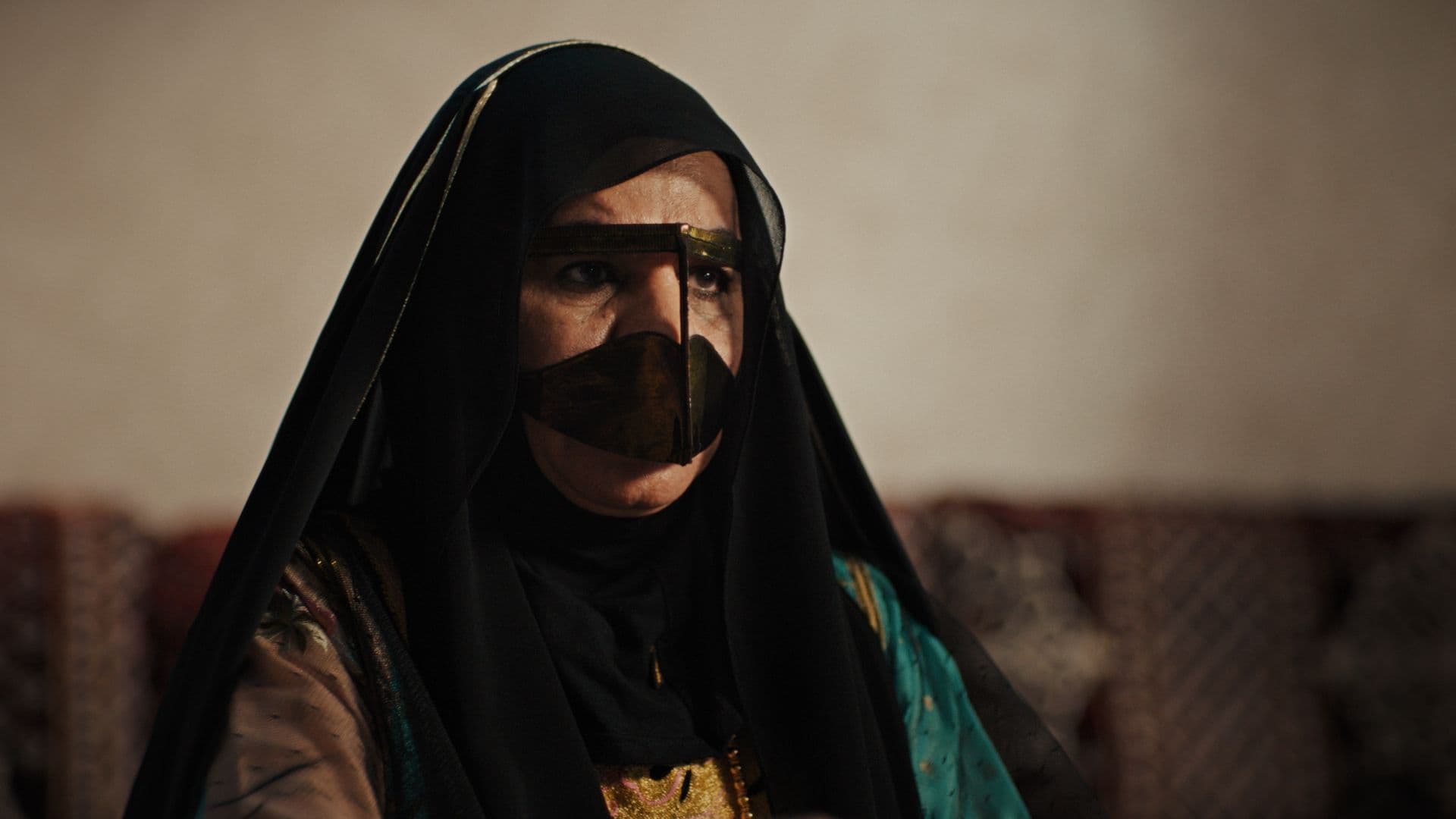
Much of the UAE's heritage lives in memory and practice rather than in paper records. The country has 12 traditions inscribed on UNESCO's Intangible Cultural Heritage lists, including falconry, which has been practiced in the region for around 4,000 years. Traditions like these are carried by people. Recording testimony from elders and practitioners is research in its own right, and some of it cannot be repeated later. For intangible heritage, the practice is clear that nomination films need a bottom-up approach and strong community involvement, with heritage bearers taking part in the filmmaking rather than serving as passive subjects.
Expert Review and Cultural Sign-off
Before scripting, our findings go to historians, cultural specialists and the relevant institutional stakeholders. In the UAE, safeguarding intangible heritage involves the federal Ministry of Culture and, at emirate level, bodies such as Abu Dhabi's Department of Culture and Tourism. Knowing who holds authority over a subject tells us whose review the film must pass. Cultural sign-off is not a formality. It protects both the institution and the community whose story is being told.
Research-Driven Production in Practice: Three UAE Projects
The method is easiest to judge in the work itself. Three projects show how research changed what we made.
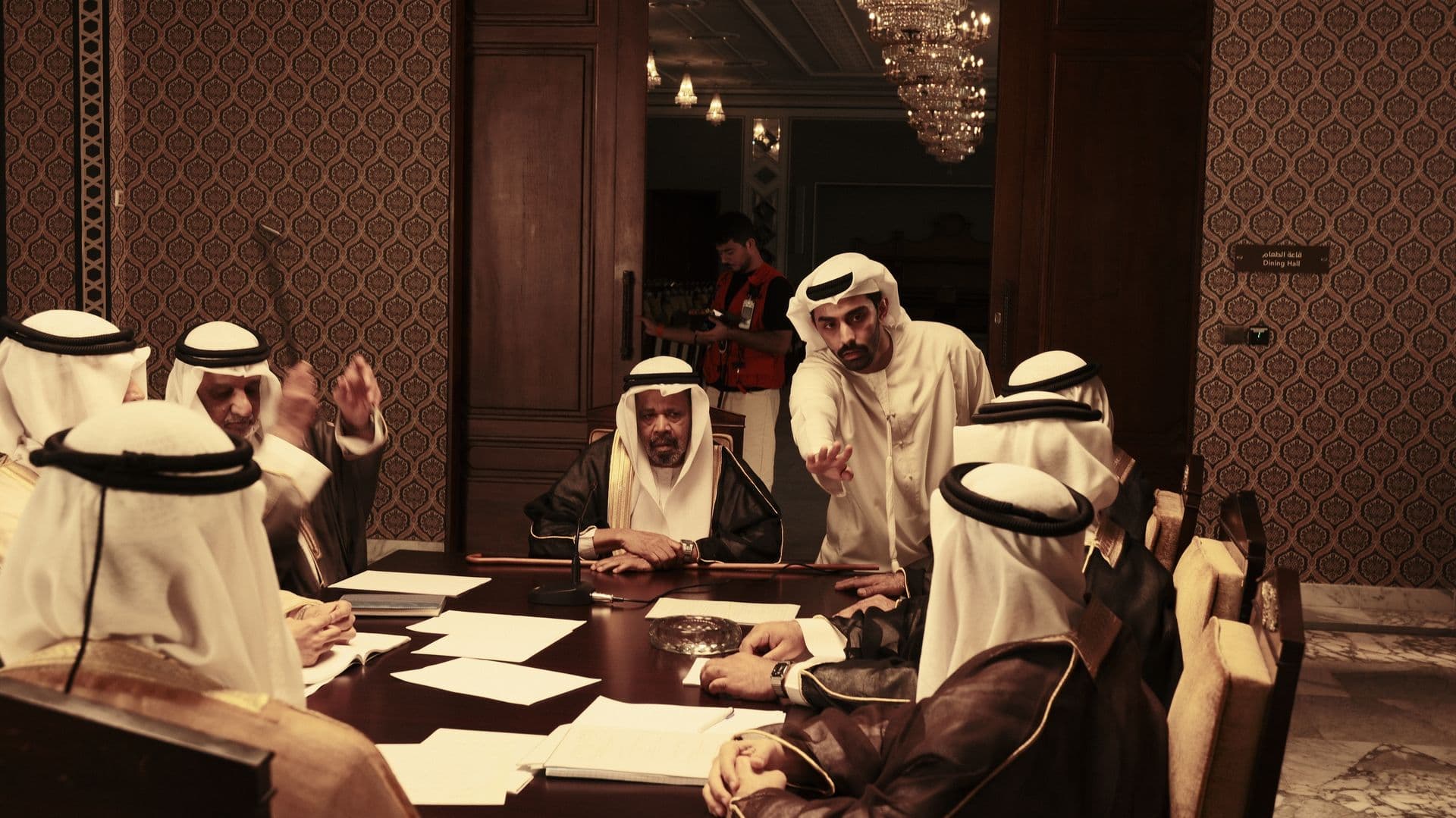
The Pledge Day: A Tribute Shot Entirely on Film
The Pledge Day, shot entirely on film with no digitalization, was a tribute to a national occasion. Shooting 100% on film is a serious commitment of time, budget and craft. We did not choose it for style alone. The research established the weight of the moment being honored, and that finding shaped the format. A subject of that significance called for a medium with permanence. Research came first, then the decision about the frame.
Sirat Arzag: Twelve Stories, Twelve Research Tracks
A series multiplies the research. The twelve short documentaries that make up Sirat Arzag each needed their own sources, their own experts and their own verification before any script was written. We ran the research as twelve parallel tracks rather than one broad sweep. A short film has no room for a weak fact. A shorter running time makes every claim more visible, not less.
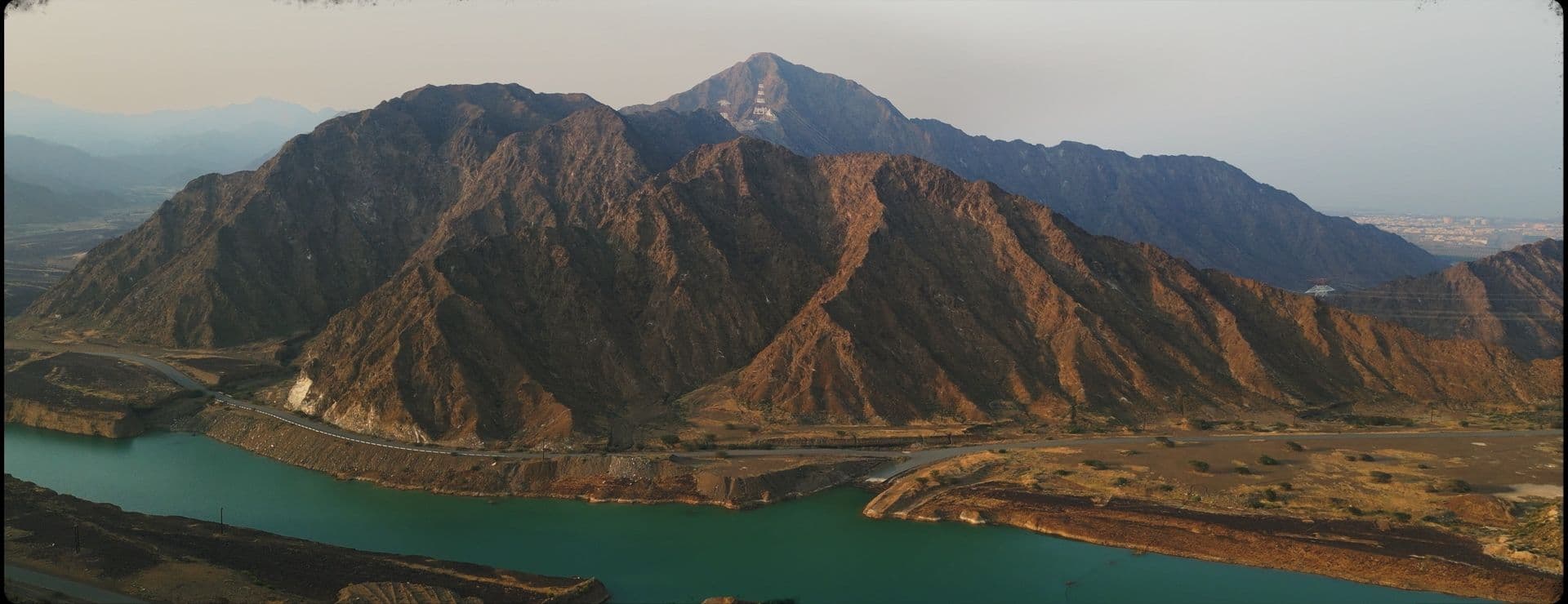
Wadi Wurayah: Research That Had to Satisfy UNESCO Reviewers
For the documentary made for Fujairah's UNESCO file, the audience included heritage specialists reviewing a nomination. That raises the bar. The film had to be accurate, defensible, and consistent with the evidence in the wider dossier. There is precedent for this in the UAE. In the AL-Taghrooda nomination, a folk literature consultant described contributing both a scientific research book and a documentary to the file. Research and film work together in a strong nomination. Fujairah's nomination succeeded, and the documentary was part of the case.
How to Brief a Documentary Team That Puts Research First
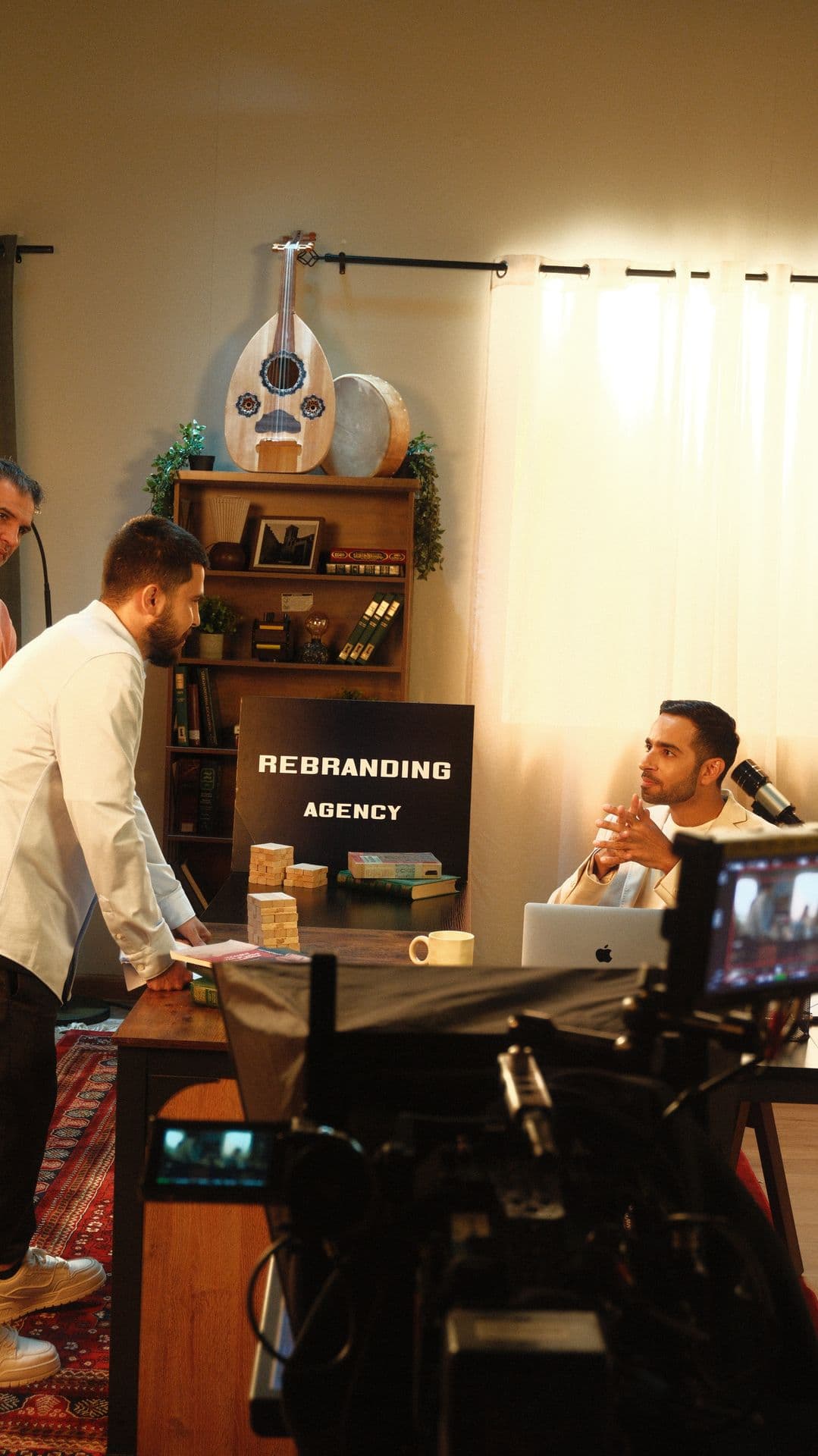
Choosing a documentary team is partly a question of reel and partly a question of method. A polished showreel tells you what a team can shoot. It does not tell you how they know what to shoot.
Questions to Ask Before You Commission a Documentary
- Who carries out the research, and what are their qualifications?
- Is research a separate, budgeted stage, or folded into scripting?
- Which archives and primary sources do you expect to use?
- How will you involve community members, practitioners or families?
- Who reviews the research before the script is written?
- What happens if research contradicts the original brief?
- Can you show a past project where research changed the film?
The answer to the last question is often the most revealing. You can compare answers against our full body of work.
Signs a Production Company Skips the Research Stage
What you see · Script-first approach · Research-first approach
First deliverable · A treatment or script draft · A discovery summary and research plan
Timeline · Shoot dates set in week one · Shoot dates set after research sign-off
Sources · "We'll find footage" · Named archives, interviewees and experts
Expert involvement · Optional, late or absent · Built into the schedule before scripting
Handling contradictions · Adjust the narration · Revise the script, then the shoot plan
Community role · On-camera subjects · Active contributors and reviewers
If a proposal jumps straight to visual references and a shoot schedule, research is likely to be thin. If it opens with questions about sources, stakeholders and sensitivities, you are talking to a team that builds from evidence.
Frequently asked questions
How long does documentary research take before filming begins?
It depends on the scope of the subject, the state of the archives and how many people need to be interviewed or consulted. A single tribute film with well-organized archive needs less time than a multi-episode series with separate research tracks. We set the research timeline during Discovery, once we know what sources exist, and we schedule filming only after the findings are reviewed.
What sources count as reliable for a national heritage documentary?
Primary sources carry the most weight: original documents, photographs, film, and first-hand testimony from people who lived or practice the subject. Recognized experts and relevant cultural authorities add a layer of verification. Secondary sources are useful for context, but we cross-check them against primary material before anything reaches the script.
Does research-driven production cost more than standard corporate video?
A dedicated research stage adds time and specialist input, so the budget reflects that work. It also reduces the risk of expensive reshoots, rewrites or public corrections later. For films that will represent a nation or an institution for years, the research is where much of the lasting value sits.
Can research from a documentary support a UNESCO nomination file?
Yes. Documentaries have formed part of UAE nomination files, including the AL-Taghrooda nomination and our Wadi Wurayah film for Fujairah. The research must be accurate, involve the relevant communities and align with the rest of the dossier, because specialists will review it.
Who owns the archive material and interviews collected during research?
Ownership is agreed in the contract before research begins. Material we record for the commissioning institution, such as interviews, is typically handled under the terms agreed with that institution. Third-party archive usually stays with its original holder and is licensed for use. We recommend settling rights, consent and future use at the Discovery stage.
If your institution has a story that deserves this kind of research before it deserves a camera, start a project with us.
Read next: Documentary Production Cost in the UAE: 2026 Price Guide
Read next: Choosing a UAE Heritage Documentary Maker: 10 Questions to Ask