


Key takeaways
Government documentary production in Abu Dhabi is closer to commissioning a national record than ordering a video. The film will be watched, archived and quoted long after release, and that changes how you buy it. What matters most:
- Government and semi-government documentaries move through five stages: Discovery, Research, Scripting, Production and Post-production. The full cycle usually runs for months, not weeks.
- Cultural accuracy comes from primary research and vetted sources. Stock heritage footage and template narration cannot supply it.
- National-occasion films often pass through several stakeholders for approval, and sign-off can take longer than the shoot. Build review rounds into the timeline from day one.
- Confidentiality matters most before public release, especially for Presidential Court, Academy of History or National Day content. Cover it in clear agreements, not assumptions.
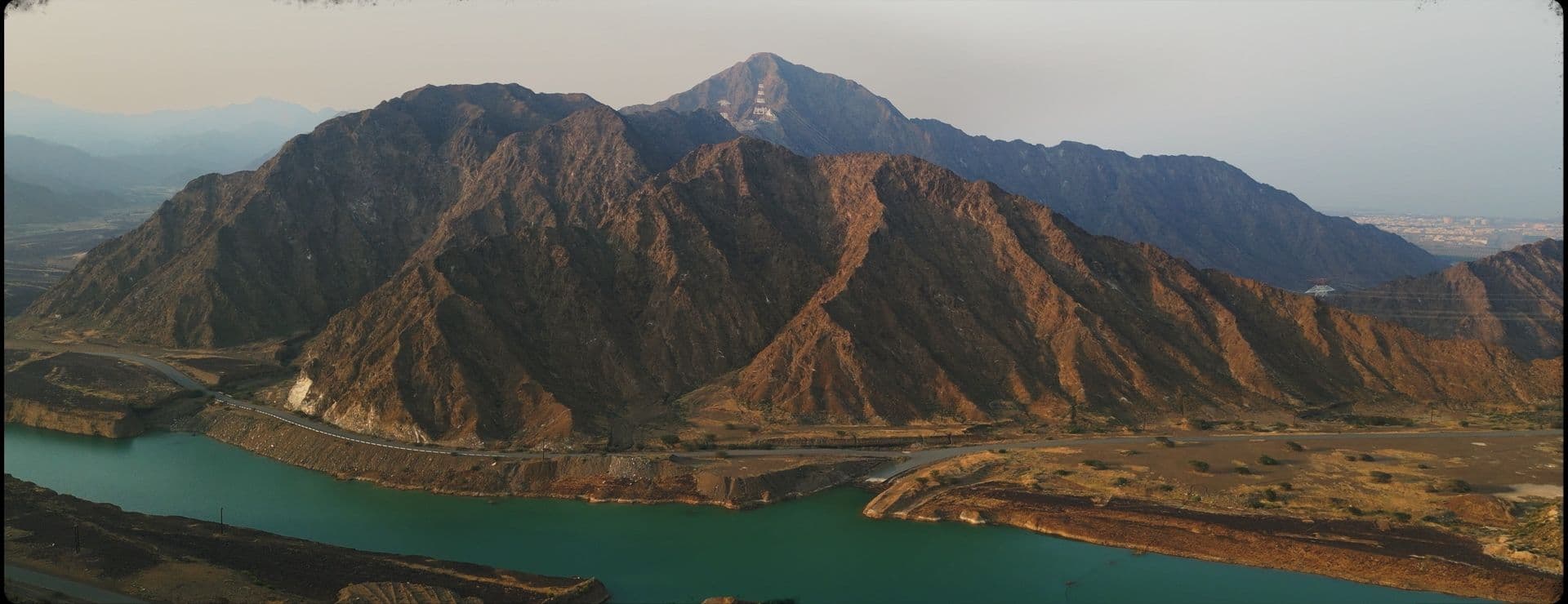
- Projects like Wadi Wurayah show a documentary can carry weight beyond broadcast, supporting a UNESCO nomination file with evidence as well as cinema.
What Makes Government Documentary Work Different from Corporate Video
A corporate video sells. A government documentary remembers. That difference shapes who researches, who approves, how long the project takes and how the footage is protected.
When an institution commissions a tribute for a national occasion, an intangible-heritage series, or a film on the founding of a department, the audience is the nation and the record is permanent. An institutional documentary company in the UAE is being asked to get history right, in public, under the institution's name.
Cultural weight versus brand messaging
Corporate video starts with a message and works backward to images that support it. Documentary starts with a question and works forward through evidence: what happened, who was there, what it meant, and what it means now.
Craft choices carry meaning too. The Pledge Day, shot entirely on film, used 100% film with no digitalization. That was an editorial decision. Film has permanence and texture. It asks the crew to slow down, to frame with intent, to treat each take as something that matters. For an occasion of national significance, the medium becomes part of the tribute.
Who the audience really is
A government documentary has layered audiences: citizens and residents watching at home, leadership judging whether the film honors the occasion, historians and archivists who will return to it in twenty years, and, for heritage work, international bodies reviewing it as part of a formal file.
A single film has to hold all of them at once. That is why tone, accuracy and restraint count for more here than pace or polish.
How Research Shapes a Government Documentary Before Filming Starts
Every film goes through the same five stages: research first, then the frame. In documentary production for government projects, the first two stages, Discovery and Research, decide the quality of everything after them. Buyers who budget time for them get better films and fewer surprises in review.
Discovery: defining what the institution actually needs to preserve
Discovery is a structured conversation. We sit with the commissioning team and ask what the film must hold on to: a founding story, a disappearing craft, a leader's words, a chapter of institutional memory that lives only with a handful of people.
We also map the practical frame: the occasion or release date, the approvers, the archives that exist and the people who must be interviewed while they still can be. The output is a brief everyone signs, with a clear statement of purpose.
Primary sources, archives and community voices
Research-driven scripting depends on sources you can defend: official archives, published scholarship, family collections and, above all, living voices, elders, practitioners, craftspeople and officials who were present.
For heritage and national-history projects, the National Library and Archives is often a first stop. Established in 1968 as an affiliate of the Ministry of Presidential Affairs, it is one of the oldest archival repositories in the Arabian Gulf region, and it matters for both research and rights clearance.
Small details decide credibility here: the spelling of a tribal name, the correct year of an event, the right term for a tool or a ritual. We verify each one and log where it came from.
How research becomes a script
Research becomes a dossier, the dossier becomes a treatment, and the treatment becomes a script with source notes attached to its claims. On a long-format project such as a twelve-part series like Sirat Arzag, that structure keeps episodes consistent and lets reviewers check facts without calling the production team every time.
A sourced script also shortens approvals. When a historian on the review panel questions a line, the answer is already on the page.
Approval Cycles: What to Plan For
Government film approvals are where most schedules slip. The shoot might take days. Sign-off can take weeks, because each reviewer brings a different responsibility.
Who typically needs to sign off
Depending on the project, approvers can include:
- The commissioning department or project owner
- Subject-matter experts, historians or heritage specialists
- The institution's media or communications office
- Leadership offices, for occasion films or content involving senior figures
- Legal teams, for archive use, likeness and music rights
The regulatory frame sits behind all of this. UAE media production falls under the Media Regulation Law issued by Federal Decree-Law No. (55) of 2023, and national media content standards require respect for divine and Islamic beliefs, for all other religions and beliefs, and for the country's sovereignty. A good script is written to those standards from the first draft, not corrected into them at the end.
Building review rounds into the schedule
The table below shows how approval demands tend to scale with project type. Treat it as a planning guide; your own timeline depends on the number of stakeholders and how quickly feedback is consolidated.
Project type · Typical approval layers · Review rounds to plan for · Where time usually goes
Single institutional film · Project owner, communications office · Script, rough cut, final cut · Script sign-off
National-occasion tribute · Project owner, leadership office, media office · Script, rough cut, fine cut, final with subtitles · Leadership review close to a fixed date
Multi-episode heritage series · Project owner, historians, communications office · Per episode: script, rough cut, final · Fact-checking across episodes
UNESCO nomination film · Heritage authority, community representatives, ministry · Treatment, script, rough cut, final · Aligning the film with the nomination file
Internal legacy or archival film · Project owner, legal · Script, final cut · Archive clearance
Three habits make any schedule hold:
- Name one decision-holder who consolidates all feedback before it reaches the production team.
- Put review dates in the contract, with agreed turnaround times on both sides.
- Lock the script before filming. Changes after picture lock cost the most time and money.
Confidentiality and Protocol for National Occasions
A standard corporate NDA covers trade secrets. National occasion filming needs more. Footage of leadership, unreleased archival material and the content of a tribute planned for a specific date all need protection until release, and sometimes after it.
Handling sensitive footage and archives
Agree the terms in writing before any archive is shared or any camera rolls. A sound agreement covers:
- Who may access raw footage and archival scans, by name or role
- Where material is stored, with access control and no personal devices
- How material moves between production, edit and review, with a clear chain of custody
- Which archival items may appear on screen, and which may only inform research
- What happens to rushes, drafts and copies once the project closes: return, handover or deletion
The embargo is the heart of it. A National Day film that leaks early is not a small problem. It changes the occasion.
Protocol on set for state and institutional events
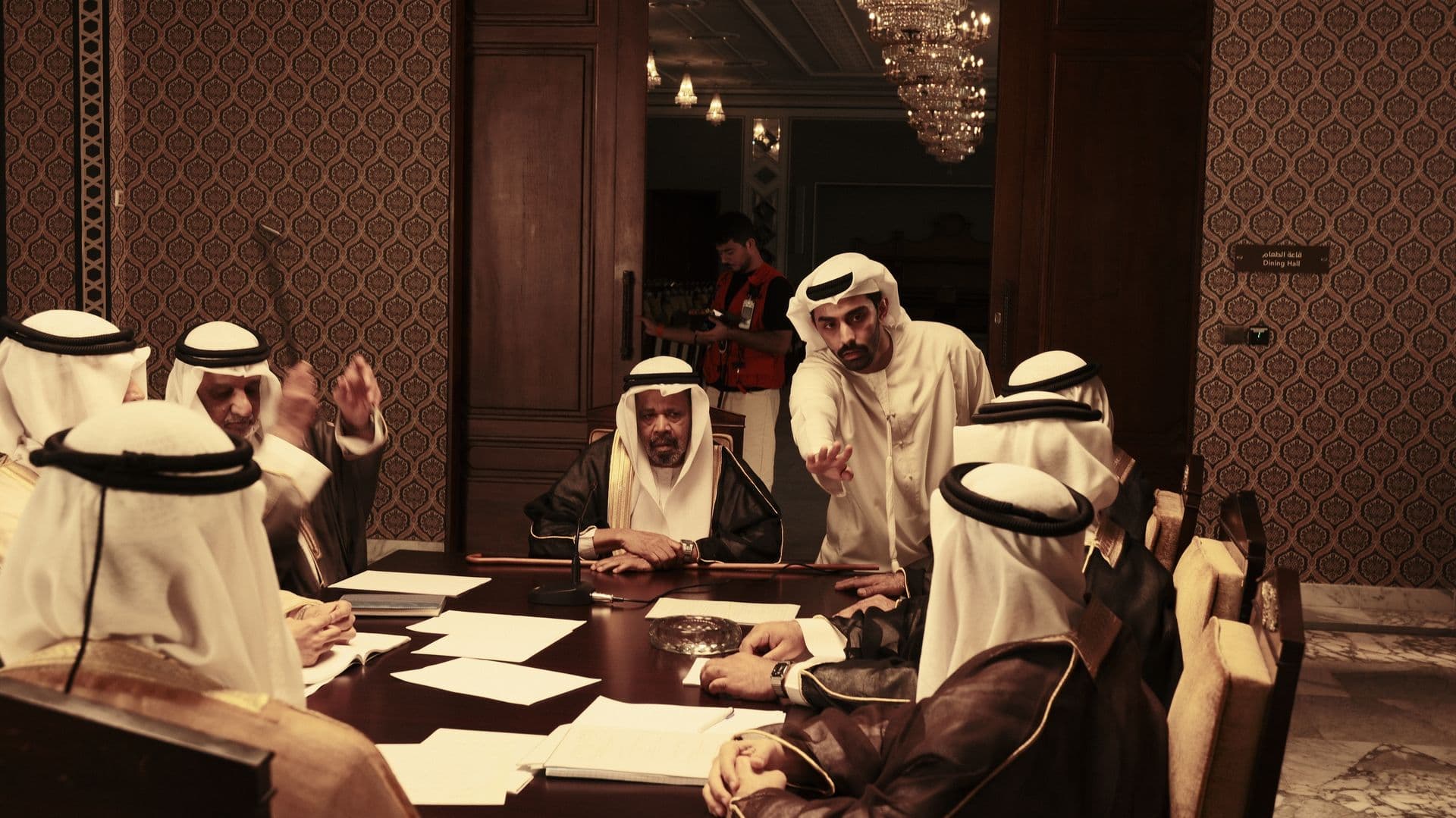
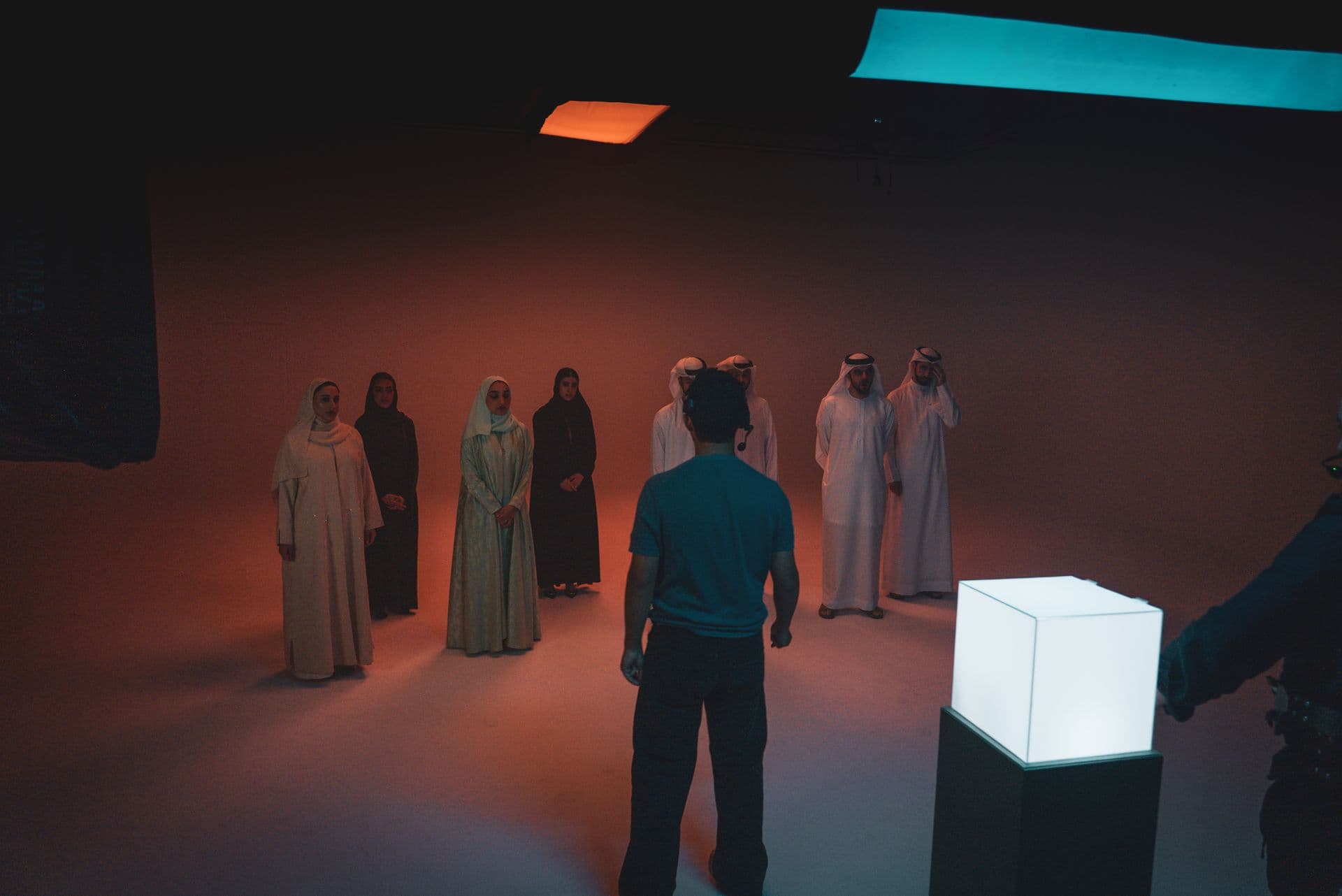
Filming at state and institutional events follows the host's protocol office, not the crew's convenience. That means agreed camera positions, briefed crews, appropriate dress, clear rules on filming senior figures and no personal social media from set.
It also means knowing the channels for official facilitation. The Creative Media Authority Abu Dhabi supports the emirate's screen industry with incentives and location scouting, and a partner who works with those channels regularly will spend less of your schedule waiting on permits.
What to Ask Before Commissioning Government Documentary Production in Abu Dhabi
The market includes broadcast networks, studio facilities and independent production houses. The right questions will show quickly who treats your project as a record and who treats it as a deliverable.
Questions about methodology and research depth
- What happens between the first meeting and the first day of filming?
- Who carries out the research, and what sources do they consult?
- Will we receive a sourced script, with claims traceable to their origin?
- How many review rounds are included, and at which stages?
A clear answer describes stages, not just a shoot date. Ours is the same on every project: Discovery, Research, Scripting, Production, Post-production.
Questions about past institutional work
Ask to see films made for bodies similar to yours, and ask what the brief was, not only how the film looked. Our documentary work for UAE institutions, gathered on our work page, includes projects for the Academy of History, the Presidential Court, the Abu Dhabi Media Office and Emirates Health Services. Look for evidence that a company has managed confidentiality, protocol and multi-layer approvals before.
Questions about format: film, archival, long-format series
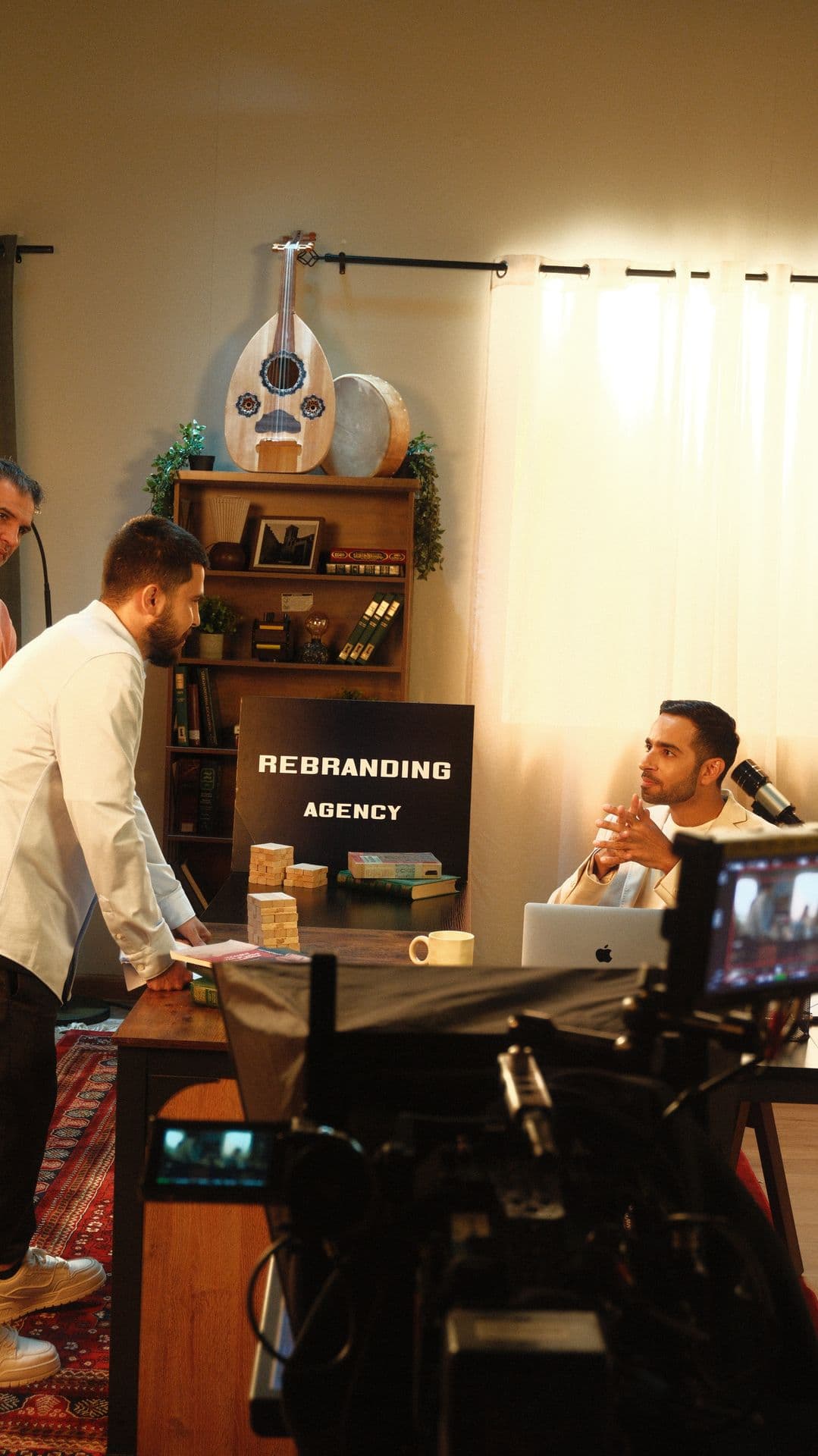
Format should follow purpose. Ask whether the company can shoot on film when the occasion calls for it, restore and integrate archival material, sustain a multi-episode series, and document a production behind the scenes for the institution's own records.
For benchmark ambition, the landmark "History of the Emirates" series used CGI, LiDAR scanning and 360-degree camera work to recreate ancient sites. Not every project needs those tools. Every partner should be able to tell you when they would use them, and when they would not.
How UNESCO and Heritage Nomination Films Fit In
Heritage filmmaking in the UAE is entering a busy decade. The National Plan for Registration of Cultural Heritage Elements on UNESCO Lists (2026-2036) aims to strengthen cultural tourism and soft power. The UAE has also won membership of UNESCO's Intergovernmental Committee for the Safeguarding of Intangible Cultural Heritage. Visibility brings scrutiny, and nomination films are watched closely.
Many files are also shared across borders. When Abu Dhabi hosted representatives from 16 Arab countries to discuss the henna nomination, it showed how one element can belong to many communities, and how a film must represent all of them fairly.
What a nomination file needs from a film
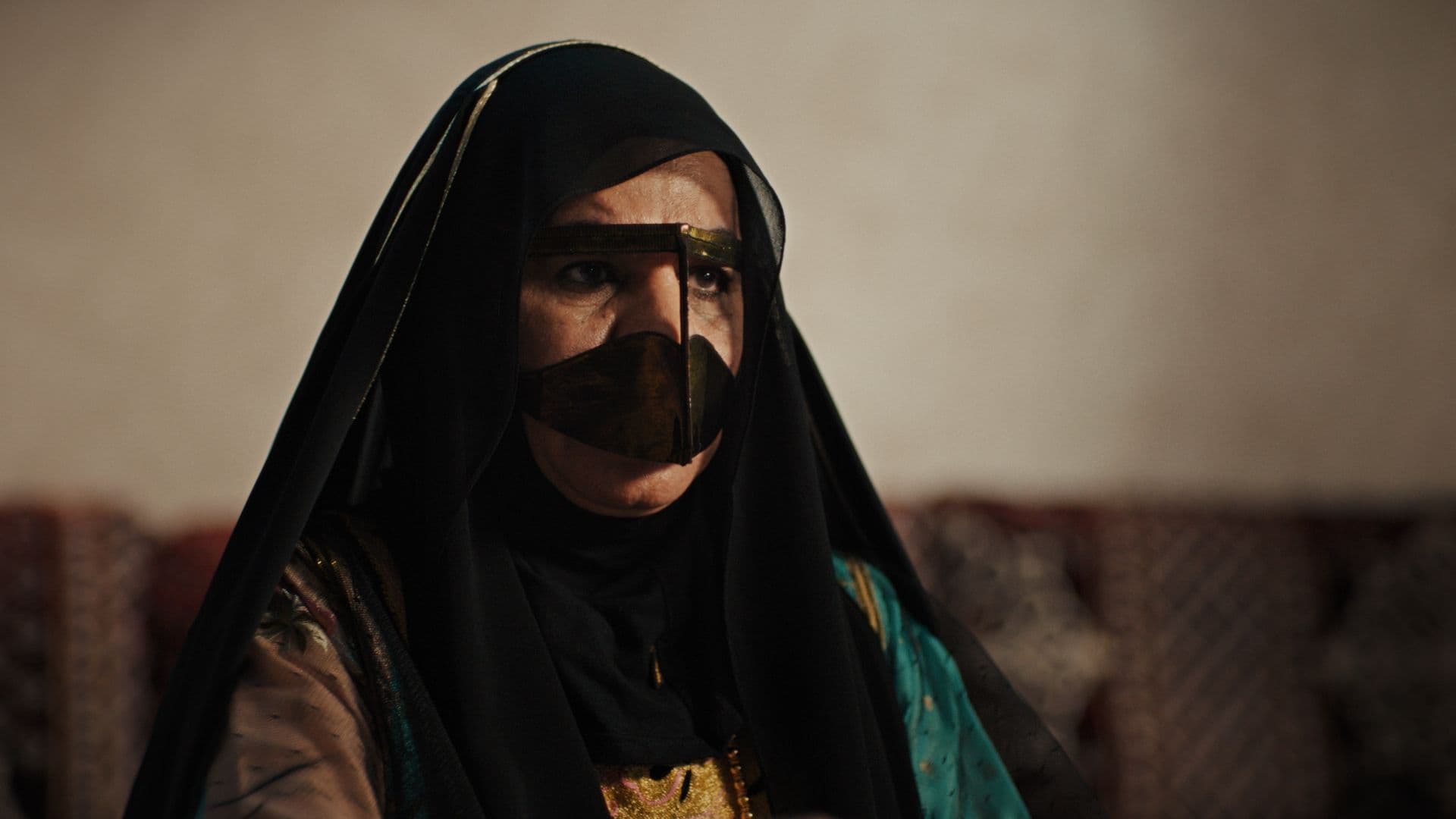
A nomination film is evidence. It has to show the element as it truly lives: who practices it, how it is passed on, where it happens and what it means to the community. Voices of practitioners matter more than narration. Accuracy matters more than spectacle. The film must support the written file, point by point, rather than tell a separate story.
Lessons from Wadi Wurayah
Our work on Wadi Wurayah taught us to shoot with two purposes held together: to move a viewer and to document a place faithfully enough to stand as part of a formal nomination file. That means planning shots against what the file needs to demonstrate, recording context carefully, and resisting any image that flatters more than it informs.
Documentary production for government projects can do that double work. A film made well serves the broadcast, the archive and the dossier at once.
Frequently asked questions
How long does a government documentary typically take to produce in Abu Dhabi?
Most government and semi-government documentaries take months rather than weeks, from Discovery through Post-production. Research and approvals often account for more of that time than filming. A single institutional film moves faster than a multi-episode series or a nomination film with several reviewing bodies.
Who owns the footage and archival material after a government documentary is completed?
Ownership is set by the contract, so agree it before production starts. Commissioning institutions commonly own the final film and the rushes, while archival material stays with its original holder and is licensed for specific uses. The agreement should also state what happens to drafts and copies when the project closes.
Can a documentary production company work with classified or sensitive government archives?
Yes, provided access is governed by written terms: named personnel, controlled storage, a clear chain of custody and rules on what may appear on screen. Some material may inform the research without ever being filmed. The institution decides the limits, and the production team works within them.
What formats do government and semi-government clients usually commission?
All three, depending on purpose. Single films suit national occasions and tributes, short-film series suit intangible-heritage subjects with many facets, and long-format series suit knowledge and history projects. Many institutions also commission behind-the-scenes or archival films to document the production itself.
How is a documentary different from institutional video used for internal communications?
Internal video delivers a message to staff, usually for a set period. A documentary is built on research, verified sources and real voices, and it is made to last as a record. It is judged on accuracy and craft rather than on how clearly it delivers a campaign point.
If your institution is weighing a documentary for a national occasion, a heritage file or an internal legacy project, start a project with us, and we'll walk you through the five stages before a single frame is shot.
Read next: Research-Driven Documentary Production: What It Really Means
Read next: Documentary Production Cost in the UAE: 2026 Price Guide