


Key takeaways
To hire a documentary production company in the UAE well, judge the process, the research and the track record before you judge the reel.
- A credible documentary production company in the UAE should be able to show a five-stage process (Discovery, Research, Scripting, Production, Post-production), not just a showreel.
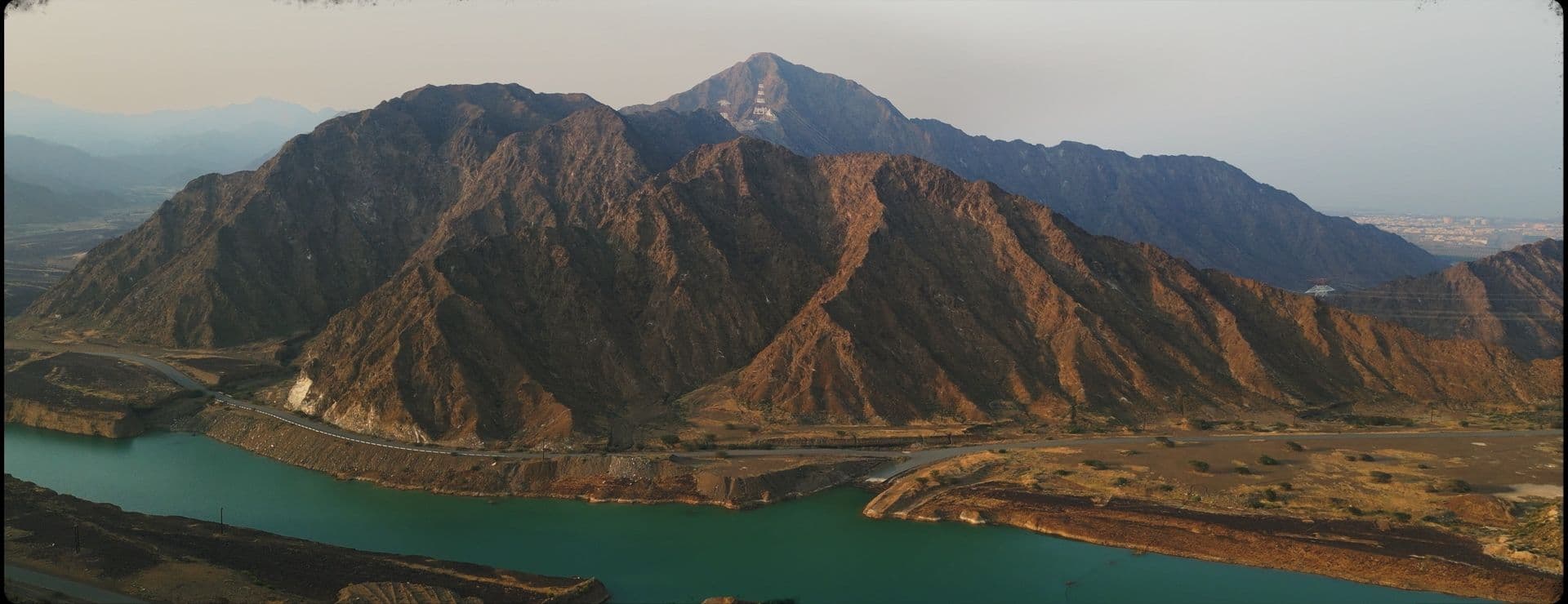
- Institutions preparing UNESCO nomination files, such as Fujairah's Wadi Wurayah documentation, need producers who understand what nomination panels require. Cinematography alone is not enough.
- A written documentary production brief covering occasion, audience, sensitivities and deliverables prevents scope disputes before a contract is signed.
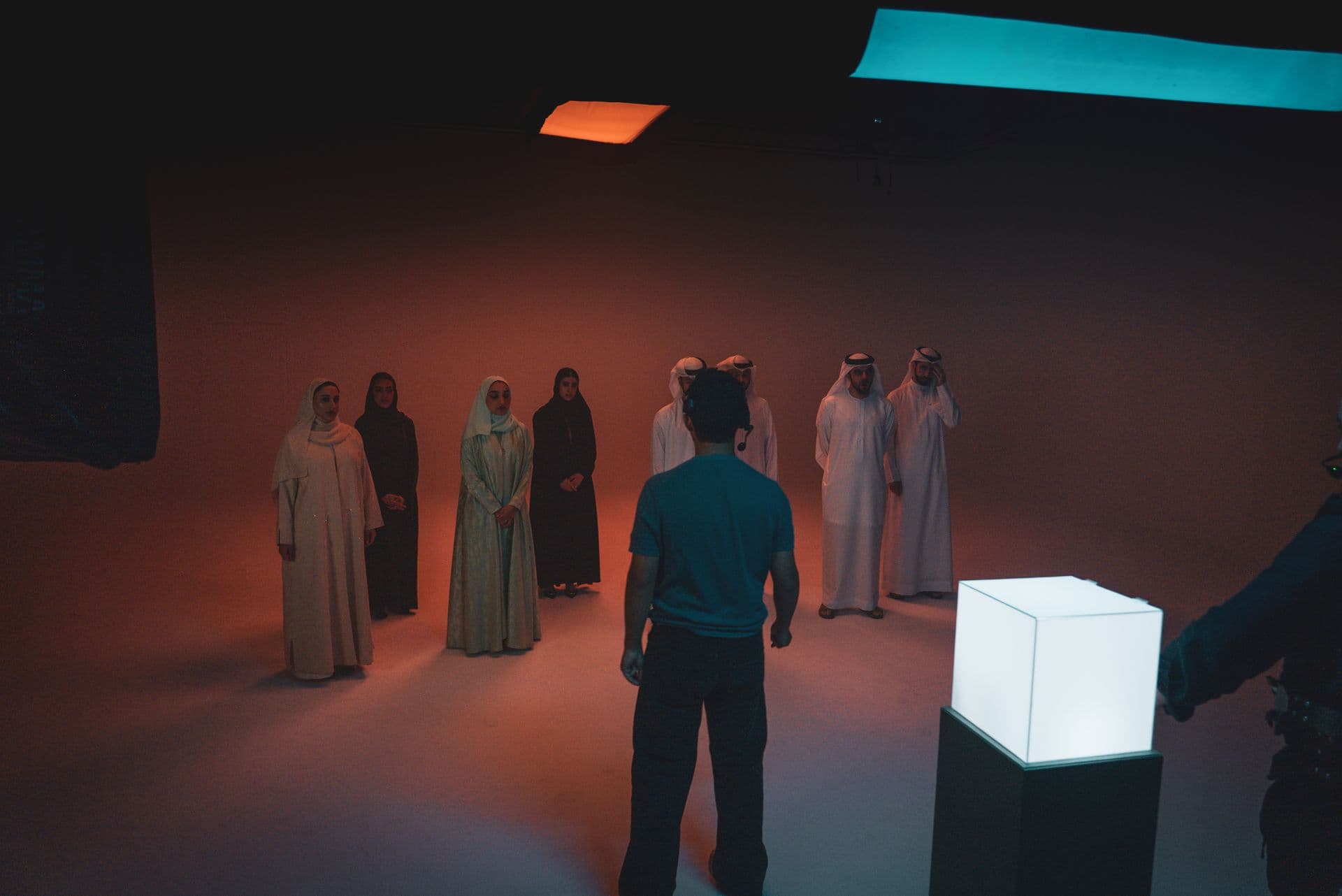
- Production values matter for national and institutional occasions. Ask whether a company has shot on film (as we did for The Pledge Day, 100% film, no digitalization) or only on digital.
- A track record with government and semi-government bodies, such as the Academy of History, the Presidential Court, Abu Dhabi Media Office or Emirates Health Services, is a faster credibility check than a portfolio alone.
What does a documentary production company in the UAE actually do
A documentary production company researches, writes, films and finishes factual films. In the UAE, much of that work is commissioned by institutions: national tributes, heritage series, films that support nomination files, and long-format knowledge programs that outlive the occasion they were made for.
The work is not video production with a longer runtime. The subject leads. The research carries it. The camera comes last.
Research-driven scripting versus corporate video scripts
A corporate video script starts with a message and finds images to support it. A documentary script starts with evidence: interviews, oral histories, archive, verified dates and names. The script is written after the research, and the research is allowed to change what the film says.
This matters most in series work. In Sirat Arzag, our twelve-part documentary series, every episode needed its own research spine before a single line was written. Twelve episodes means twelve bodies of evidence, each checked and each sequenced into a story.
Where heritage and national identity storytelling differs from marketing content
Marketing content is made for a campaign and ages with it. A heritage film is made for the nation and for the generations who will watch it later. It becomes part of the record.
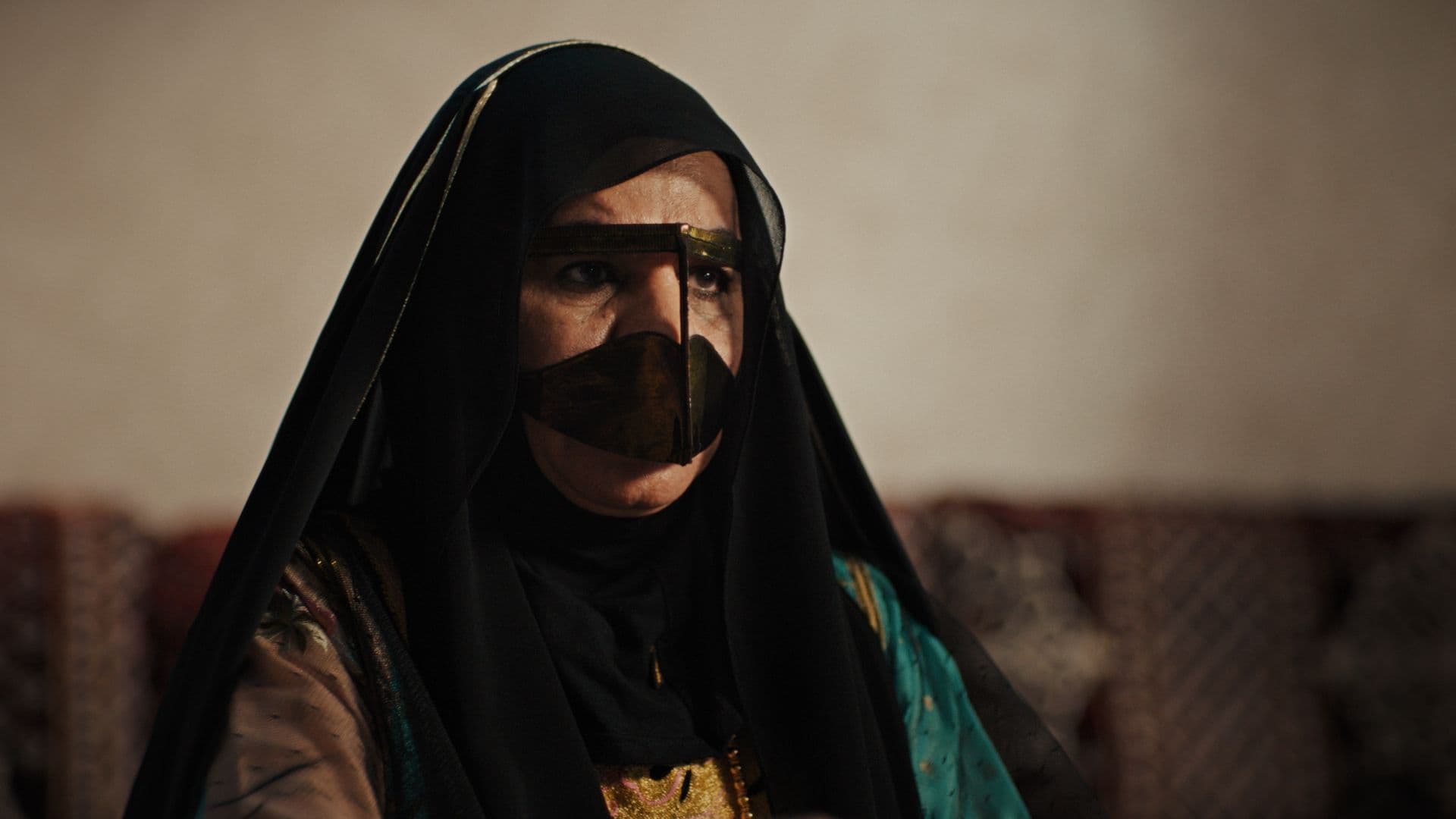
That changes the standard. Names, lineages, dialect, dress, craft terms and places must be right. Custodians of the culture need to recognize themselves on screen. Approvals involve people who carry the memory, not only people who manage the brand.
When to hire a documentary production company in the UAE
Work backward from the date that cannot move. Every stage of a documentary takes time, and approval rounds on sensitive subjects add more. If the commission goes through public procurement, add that time on top.
Procurement has its own steps. Vendors bidding on UAE government tenders must have a legal presence in the country and be prequalified before submitting bids. A production company typically needs a valid UAE trade license covering the relevant activity codes and must be registered as an approved vendor with the contracting entity. Filming also has its own steps. In Abu Dhabi, a company must hold a valid media zone authority trade license before the Abu Dhabi Film Commission will issue a shooting permit.
Lead times for national day tributes and anniversaries
National occasions have fixed dates. The slowest parts of these films are rarely the shoot. They are archive access, interviews with senior figures, and review by the approving office.
Plan for the edit to be locked well before the occasion, so reviewers have time to watch, comment and approve without pressure. We would rather begin a season ahead than a month ahead. Start the conversation as soon as the occasion is confirmed, even if the budget is not.
Lead times for UNESCO or nomination-linked films
A nomination film is part of the evidence, so it has to be finished before the file is assembled, not alongside it.
Community involvement also takes time. As one study of documenting intangible heritage on film notes, "UNESCO calls for a bottom-up approach and a strong involvement of the communities" (source). That means structured access to culture-bearers and consultation from the first week. Our experience with our documentary for Fujairah's UNESCO nomination file taught us to build that consultation into the schedule, not squeeze it in later.
How to shortlist production companies in the UAE
There is no shortage of choice. The UAE is home to more than 28,000 licensed media and communications businesses. A directory will not tell you which of the production companies in the UAE can carry a national subject. Three questions will.
Ask for the process, not just the showreel
A showreel shows what a company can light. It does not show how it thinks. Ask each candidate to walk you through a past project from first meeting to final master. Who did the research? How were facts verified? When did the client approve the script? A company with a real method will answer in stages. A company without one will talk about cameras.
Check track record with government and semi-government clients
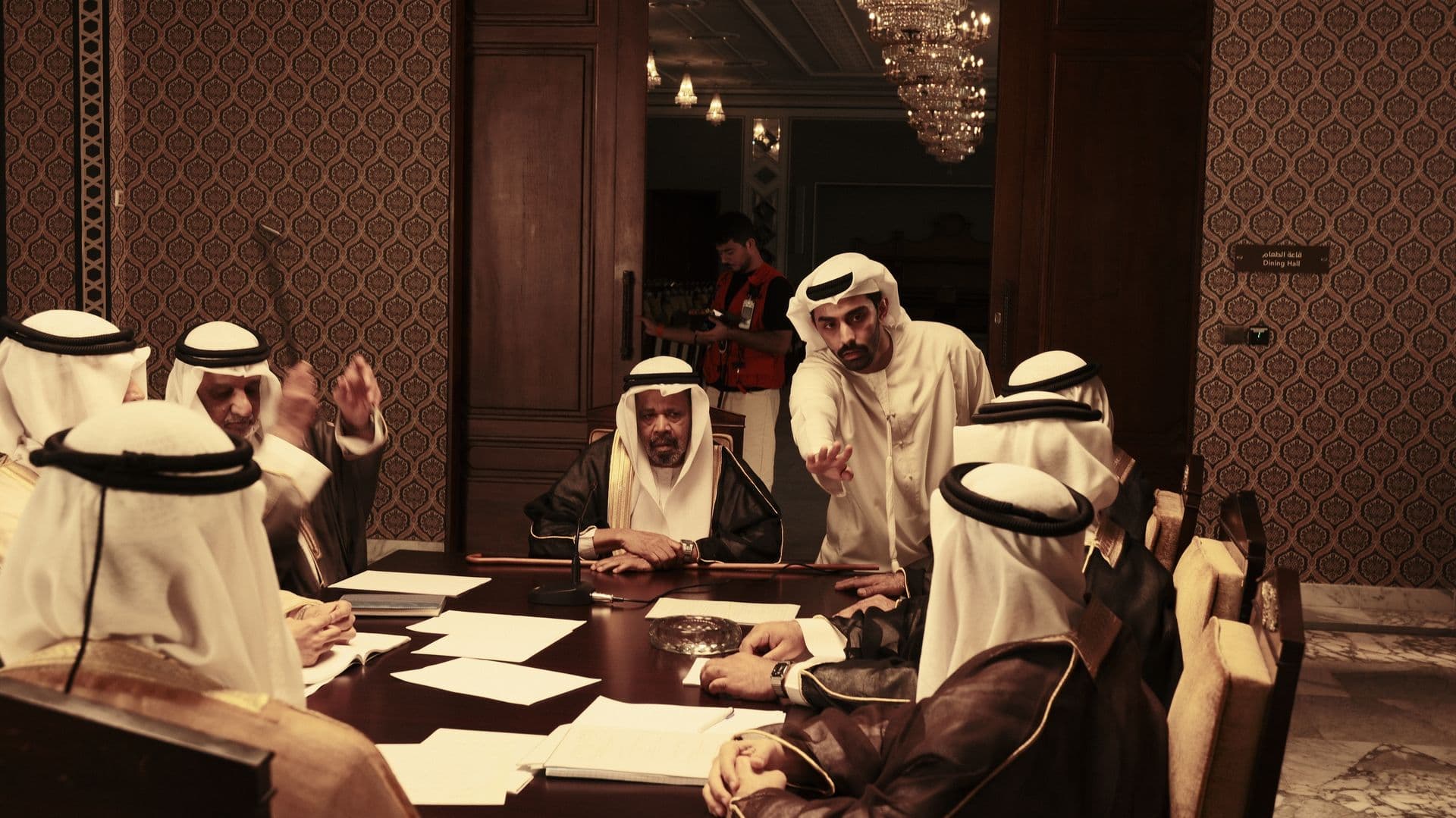
Institutional work has its own rhythm: formal approvals, protocol, sensitive access, committee review. A company that has delivered for bodies like the Academy of History, the Presidential Court, Abu Dhabi Media Office or Emirates Health Services has already worked within that rhythm. Ask for named clients and the occasion each film served. You can see the documentaries we have delivered for UAE institutions as an example of what that record looks like.
Ask how footage and archival material are researched and sourced
Archive is where many films go wrong. Ask where footage and photographs will come from, who holds the rights, and how provenance is checked. Ask how oral histories are recorded and stored. Then confirm licensing. Broadcast, streaming and digital content platforms operating in the UAE require a license from the federal media regulator, so check that your shortlisted vendor holds what your distribution plan needs.
Criterion · What to ask · Strong answer · Warning sign
Process · "Walk us through a past project stage by stage." · Clear stages with named outputs and approval points · Talks only about equipment and style
Research · "Who researches, and how are facts verified?" · Dedicated research stage, sources documented · Research folded into scripting or skipped
Institutional record · "Which government or semi-government bodies have you delivered for?" · Named clients and occasions · Only brand or event work
Archive · "Where will archival material come from, and who holds rights?" · Named archives, clearance process, provenance checks · Relies on stock libraries
Licensing · "Which trade and media licenses do you hold?" · Specific licenses matching the scope · Vague or "we'll sort it out"
Craft · "What formats do you shoot on, and why?" · Choice of format justified by the subject · One format for every project
How to write a documentary production brief
The brief governs the whole engagement. Write it before you talk to vendors, and give every shortlisted company the same version. A good documentary production brief is short, specific and honest about what is not yet known.
What the occasion or subject requires
State the occasion, the date and where the film will first be seen. Name the subject precisely: a person, an institution, a place, a practice. Say what the film must achieve. A tribute honors. A knowledge series explains. A nomination film demonstrates.
Audience, tone and cultural sensitivities
Describe who will watch, in which language and in what setting. Note the tone you expect, from ceremonial to intimate. List sensitivities plainly: people who must or must not appear, topics that need senior review, family or tribal considerations, and religious observances that affect filming days.
Deliverables: episode count, length, format and archive use
Be exact. Include:
- Number of films or episodes, and target length for each
- Languages, subtitles and voiceover requirements
- Delivery formats for broadcast, screening, web and archive
- Cutdowns or trailers needed for the occasion
- Archive you will provide and archive the producer must source
- Who owns the raw footage and research after delivery
If an item is undecided, say so. A vendor can price an open question honestly. It cannot price a silence.
What the five-stage process looks like once you sign
Every film goes through the same five stages: research first, then the frame. Once you hire a documentary production company in the UAE, you should know what each stage produces and when you will be asked to approve it.
Discovery and research
Discovery is where we listen. We meet the stakeholders, agree the purpose and map who holds the knowledge. Research follows: archives, interviews, site visits and fact-checking. The output is a research document you can read and question before anything is written.
Scripting and approvals
The script is built from the research, not the other way round. We present a structure first, then a full treatment, then the script. Each is a formal approval point. On sensitive subjects, this is where custodians and senior reviewers shape the film, when changes still cost little.
Production and post-production
Production follows the approved script: interviews, reconstruction where appropriate, landscape and detail. Post-production brings the edit, grade, sound design, music, subtitles and archive clearance. Expect at least one review cut and a final approval before mastering. Then delivery, in every format the brief named.
What separates a strong proposal from a weak one
Price is the easiest number to compare and the least useful on its own. Two proposals at the same figure can describe very different films.
Signs of genuine research versus stock-footage thinking
A strong proposal shows it has already started thinking about your subject. It names possible sources, likely interviewees and archive leads. It proposes a structure and explains why. It asks questions you had not considered.
A weak proposal could be sent to any client. It leans on generic stock imagery, promises "cinematic visuals" without saying what they are, and budgets little or nothing for research.
Questions to ask about crew, equipment and film stock
Ask who the director, researcher and director of photography will be, by name. Ask what they have made. Ask what the film will be shot on and why that choice fits the subject.
Format is an editorial decision. For The Pledge Day, shot 100% on film with no digitalization, the medium itself carried weight for a national occasion. Not every project needs film. But a company that can explain when it does, and when it does not, understands craft.
Frequently asked questions
How much does a documentary production company in the UAE charge for an institutional film?
It depends on length, episode count, research depth, archive licensing, shooting format and locations. A single tribute film and a multi-part heritage series are priced very differently. The fairest way to compare is to send the same written brief to each vendor and ask for a cost breakdown by stage.
How long does it take to produce a heritage documentary series in the UAE?
A series takes longer than a single film because each episode needs its own research and approvals. The timeline depends on archive access, interview availability and review rounds more than on shooting days. Share your fixed dates early so the schedule can be built backward from them.
Do we need to provide our own archival footage or research materials?
No, but anything you hold will help. A good producer will source archive, verify it and clear rights as part of the research stage. Your brief should state what you can provide and what the producer must find.
What happens if the subject matter involves sensitive national or historical content?
Sensitive subjects need formal approval points at the research and script stages, not only at the final cut. The producer should agree in advance who reviews, in what order and on what timeline. Sensitivities listed in the brief should shape access, interviews and edit decisions from the start.
Can the same production company support a UNESCO nomination file as well as the film itself?
Yes, if it understands what nomination panels look for and builds community involvement into the process. The research gathered for the film, including interviews and documentation of practice, can support the wider file. Ask the company about any nomination work it has already delivered.
If you are weighing up production partners for a national, institutional or heritage film, start a project with us and bring us your brief, however early it is.
Read next: Government Documentary Production in Abu Dhabi: A Buyer's Guide
Read next: Research-Driven Documentary Production: What It Really Means