


Key takeaways
- A factual content production company delivers a range of formats, not a single documentary: long-format knowledge series, short-film series, institutional films, and archival and behind-the-scenes material.
- Sedrah Stories' ongoing knowledge series has reached 14+ episodes. Long-format work can grow as a programme instead of ending with one release.
- Discovery and research done once can feed a full documentary, a short-film series and cutdowns. You do not need a separate research phase for each.
- Institutions gain more when they plan a calendar of films tied to occasions instead of briefing one film in isolation.
- The same five stages, Discovery, Research, Scripting, Production and Post-production, apply to every format, from a single institutional film to a multi-episode series.
What a Factual Content Production Company Actually Delivers
A factual content production company in the UAE delivers a body of work, not a single video. At Sedrah Stories, that body of work means documentaries, short-film series, institutional films, and archival and behind-the-scenes material. All of it rests on research into the history, culture and people behind the story.
A general video house films what it is briefed. A documentary production company in the UAE starts earlier. It finds the story, checks it against the record and writes it before a camera is booked.
The difference shows in what the institution owns at the end. Not a clip. A record.
Documentaries
The documentary is the anchor. It carries one subject in depth: a national figure, a tradition, a place, or a turning point in an institution's history. It is made to be watched in full, screened at an occasion and kept for decades.
Short-film series
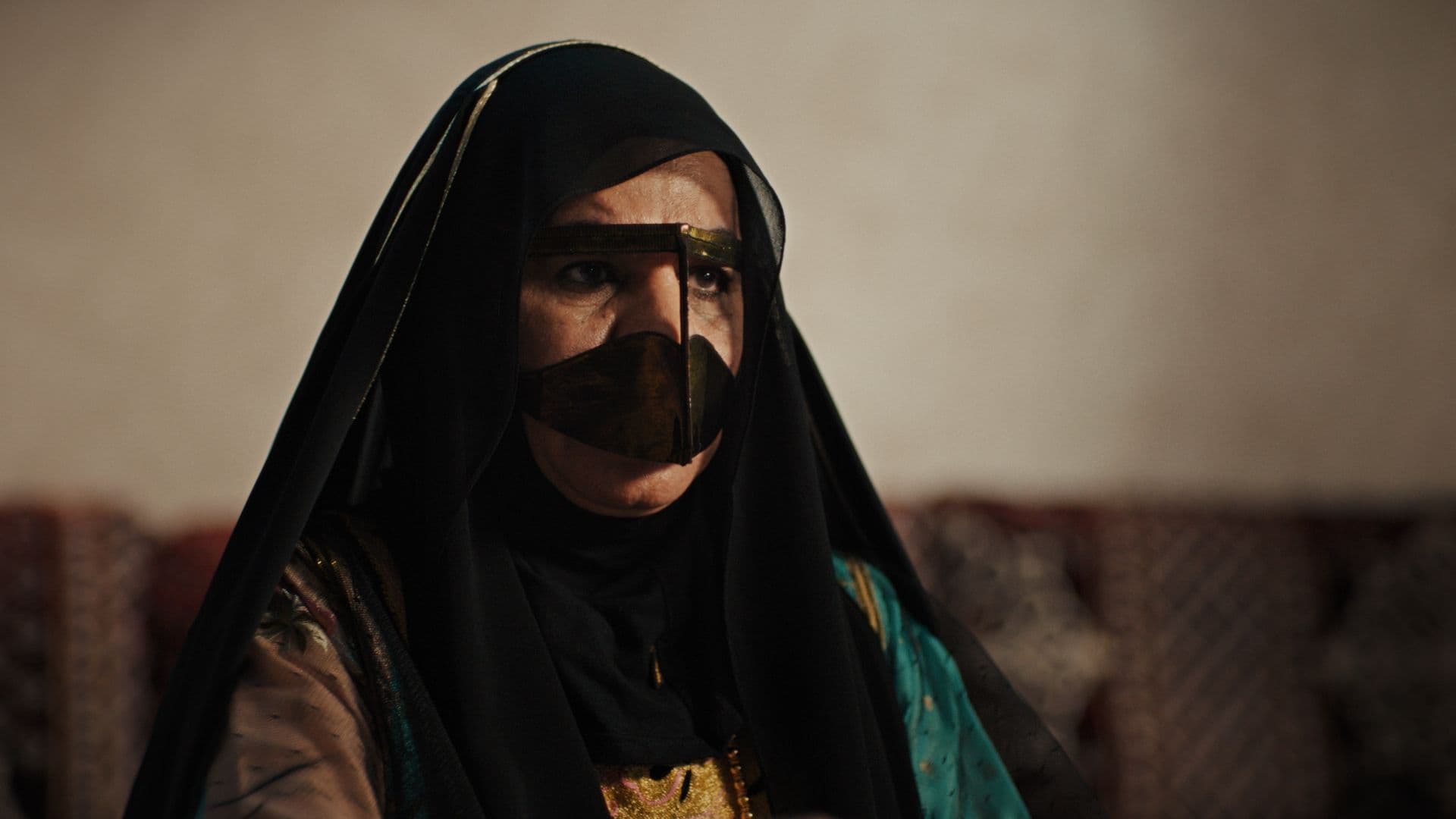
A short-film series breaks a larger subject into chapters. Each film stands alone, and together they build a picture. This format suits intangible heritage well: a craft, a dialect, a song, a seasonal practice. Each film takes one of these and gives it room.
Institutional films
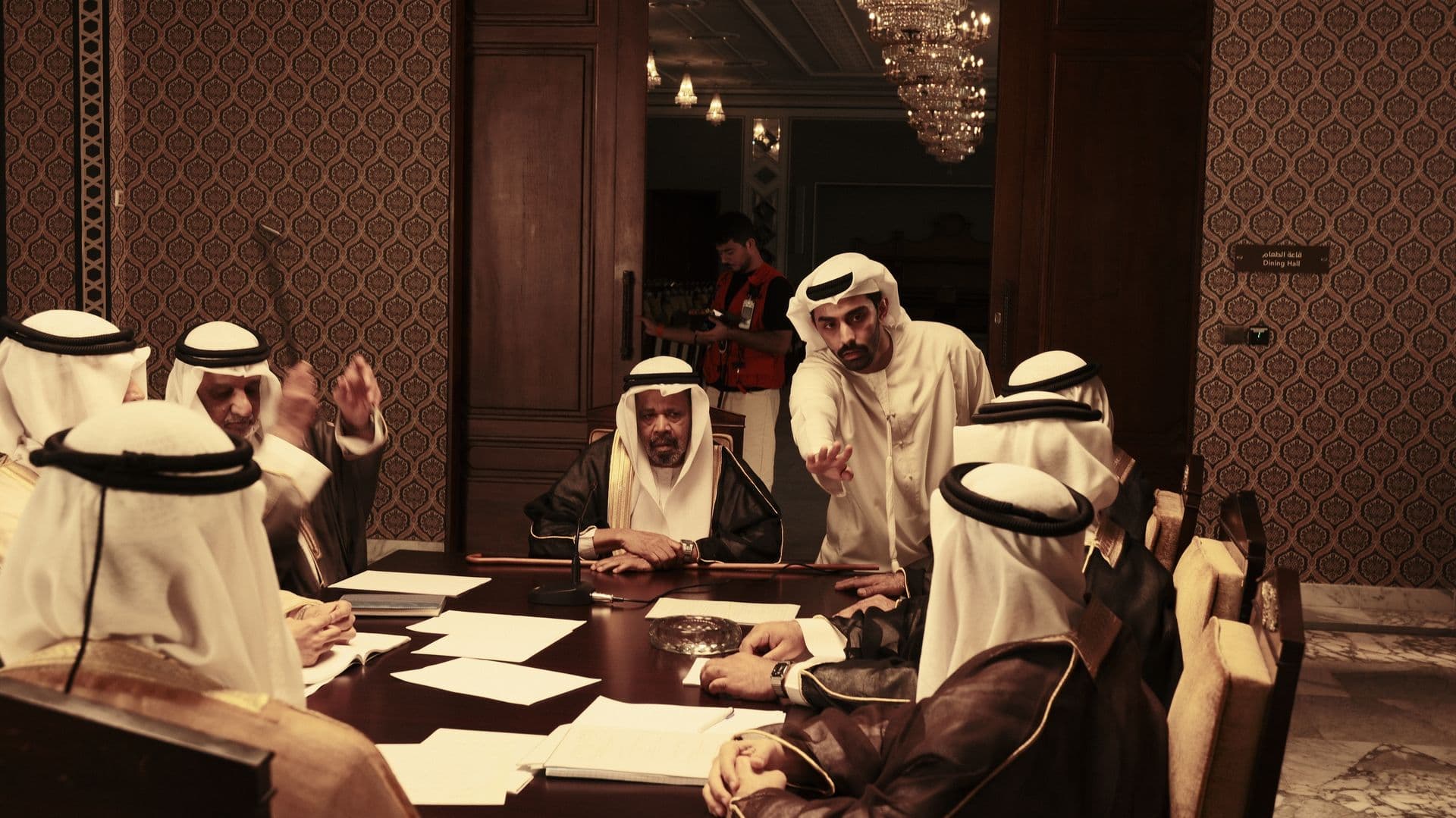
An institutional film tells the story of an organization: its founding, its mandate, its people, its milestones. Done well, it reads as a documentary and not as a brochure. It belongs to the institution's history as much as to its communications.
Archival and behind-the-scenes content
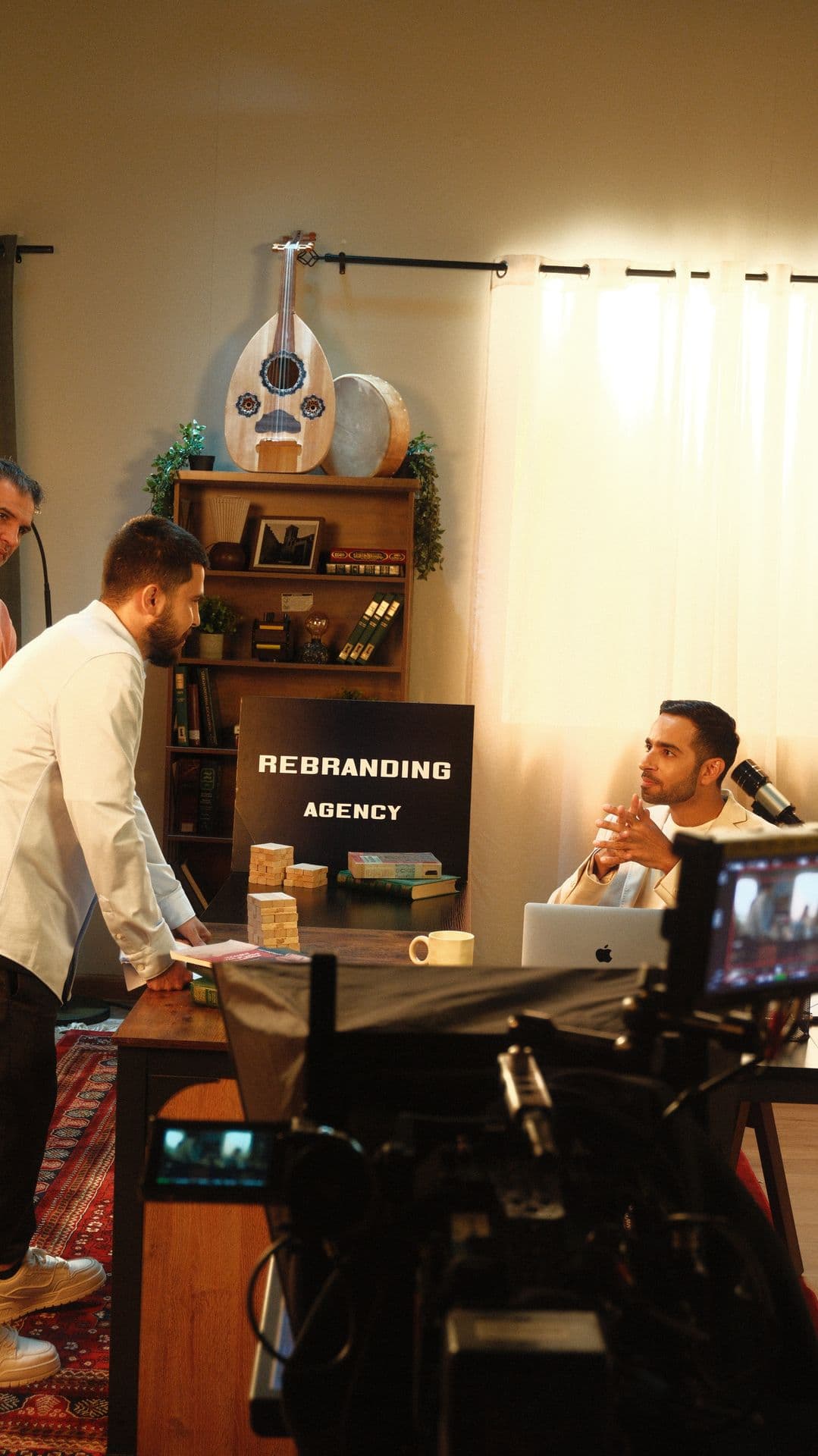
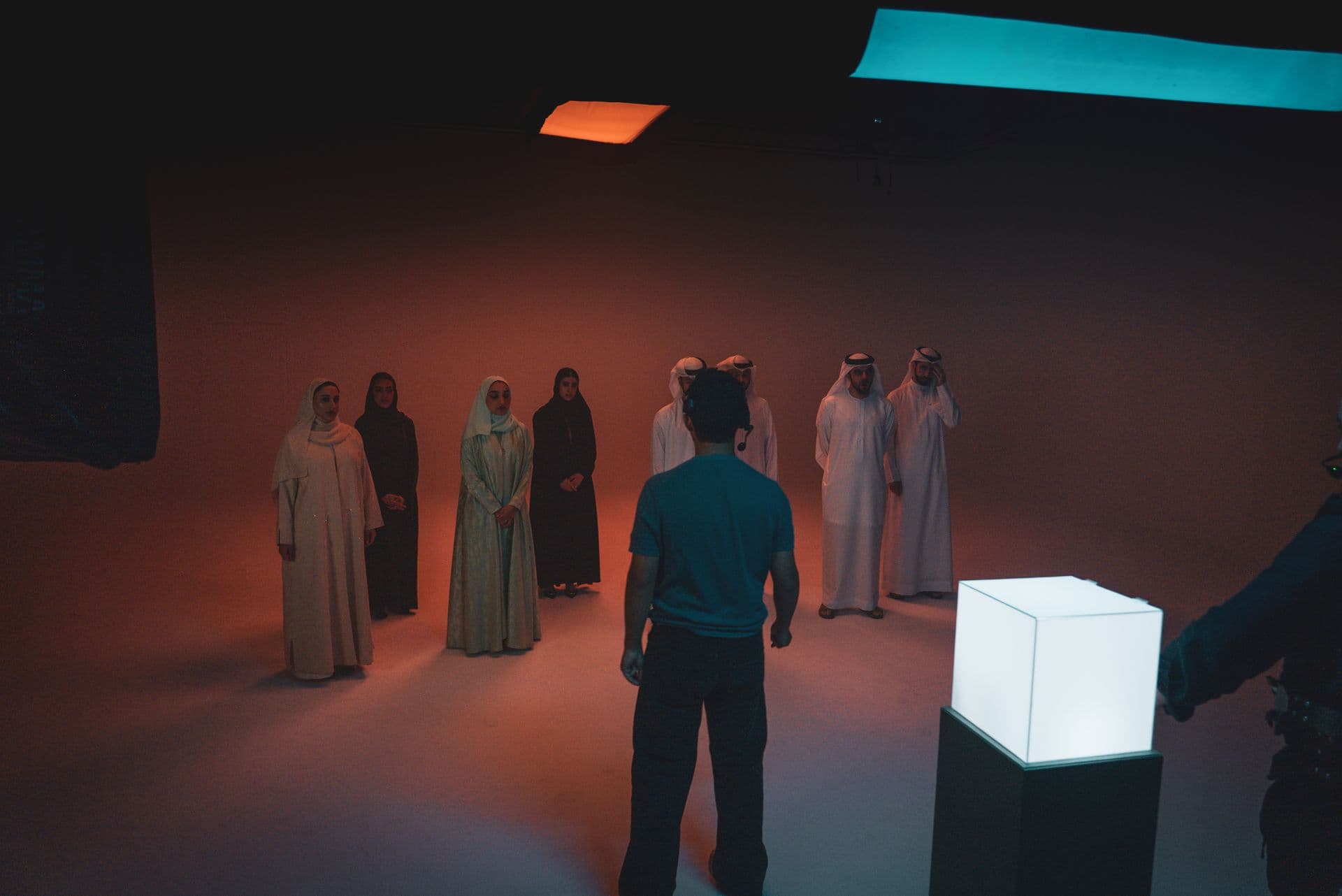
Every production generates more than the final cut. There are interviews, location footage, process material and moments that never make the edit. Treated with care, this becomes an archive the institution can return to. Behind-the-scenes films also show how a heritage project was made, which matters when the making is part of the story.
Long-Format Knowledge Content vs Short-Form Series
The right format depends on the occasion, the audience and how long the story needs to live. The table below sets the main options side by side.
- Long-format knowledge series: Length per piece: Long, built for sustained viewing; Episode count: Many episodes, often ongoing; Typical use: Education, public knowledge, institutional platforms
- Short-film series: Length per piece: Short, made to be watched in one sitting; Episode count: A set number, released as a season; Typical use: Intangible heritage, campaigns, social and digital channels
- Single institutional documentary: Length per piece: One complete film; Episode count: One; Typical use: Anniversaries, national occasions, archives
- Cutdowns: Length per piece: Brief extracts; Episode count: As many as the source supports; Typical use: Social media, exhibitions, presentations, archives
Long-format knowledge series
Long-format knowledge content does its work over time. Our series Alwarq is an example: an ongoing, large-scale series that conveys knowledge in a light format by summarizing books. It has reached 14+ episodes and continues. Its value comes from the series as a whole, not from any single release.
This format suits institutions with a knowledge mission: academies, cultural bodies and education platforms. Audiences learn to expect each episode, and the series becomes a reference library.
Short-film series
Short-film series trade depth for reach. Each film is compact and focused, and it is easy to share. The discipline is in the edit. One idea per film, told completely.
Single institutional documentaries
One film, one occasion. This is the right choice when the moment is singular: a founding anniversary, a national tribute, a commemoration. All of the craft goes into a single piece made to last.
Cutdowns for archives and social use
Cutdowns are extracts from a longer production, shaped for a specific screen or audience. Planned from the start, they keep their meaning. Cut as an afterthought, they lose it.
Why Research-Driven Scripting Shapes Every Format
Research is not a stage reserved for the flagship film. It sits under everything we make, from a full documentary to a short social cutdown. Every film goes through the same five stages: research first, then the frame. We set out the five stages behind every factual production in detail elsewhere. Here is how the early stages shape every output.
Discovery before the brief
Discovery comes before the brief, or alongside it. We listen to what the institution wants to say and what it already holds: archives, people, places. Then we ask what the story actually is. Often the brief describes an occasion. Discovery finds the story inside it.
Research that feeds every output, not just one film
Research means sources, interviews, archives and cultural context, checked and aligned with the country's values. Accuracy is not optional for national and heritage subjects. Government communication in the UAE is coordinated deliberately. The UAE Government Media Office "unifies the media discourse and media messages of the UAE government locally and internationally." Films made for public institutions need to stand within that framework.
Research done properly is also an asset. One body of research can supply a documentary, a short series and a set of cutdowns. Each output draws from the same verified material, so the facts stay consistent across every screen. We go further into what research-driven documentary production really means in a separate piece.
Scripting as the bridge from research to production
The script turns research into structure. It decides what the audience learns, in what order, and through whose voice. It also makes production efficient. Locations, interviews and shots are planned against the script, so nothing is filmed by chance. A short series and a long documentary can be scripted from the same research, each with its own shape.
Planning a Content Programme Across the Year
Most institutions brief one film at a time. The stronger approach is a programme: a calendar of formats tied to the moments that matter, all drawn from shared research. A documentary production company in the UAE that works this way gives you a body of work, not a string of unrelated videos. Our guide on how to produce a documentary series for a cultural institution covers the series side in more depth.
Matching formats to occasions
Start with the calendar. National days, institutional anniversaries, exhibition openings, heritage nominations and annual reports all create moments for film. Then match a format to each one:
- A single documentary for the defining occasion of the year.
- A short-film series released in the weeks around it.
- Cutdowns for social channels, events and presentations.
- A long-format knowledge series for steady, year-round output.
Reusing one research phase across several films
One research phase, planned with several outputs in mind, costs less than three separate starts. It also produces better films. Interviews can be recorded with both the long cut and the short series in view. Archival material is cleared once. Locations are filmed with every format in mind. The research becomes a foundation the institution keeps building on.
Scheduling production around institutional milestones
Fixed dates set the pace. Work backward from the milestone, leave time for each of the five stages, and protect post-production. Grading, sound and review should never be squeezed. A programme also spreads the workload. While one film is in post-production, the next can be in research.
Who Commissions Factual Content, and Why It Matters
The buyers of factual filmmaking in the UAE fall into a few groups: government bodies, semi-government institutions, cultural foundations and private organizations with a heritage of their own. Each comes with different occasions, and each occasion calls for a different format. A factual content production company in the UAE has to understand both the institution and the moment.
The national framework also shapes this work. In January 2021 the UAE Cabinet approved the general framework of the UAE Media Strategy, aimed at strengthening the country's regional and global standing. In February 2023 a Federal Decree Law established the UAE Media Council. Heritage is supported directly too: the Ministry of Culture has launched the Modern Heritage Grant Program 2026-2027, its second cycle. Film made for national institutions sits inside this framework.
National heritage tributes
National tributes honor people, places and moments that shaped the country. They call for the highest production values and the most careful research. This is usually a single documentary, made to be screened at the occasion and kept in the national record.
UNESCO nomination support
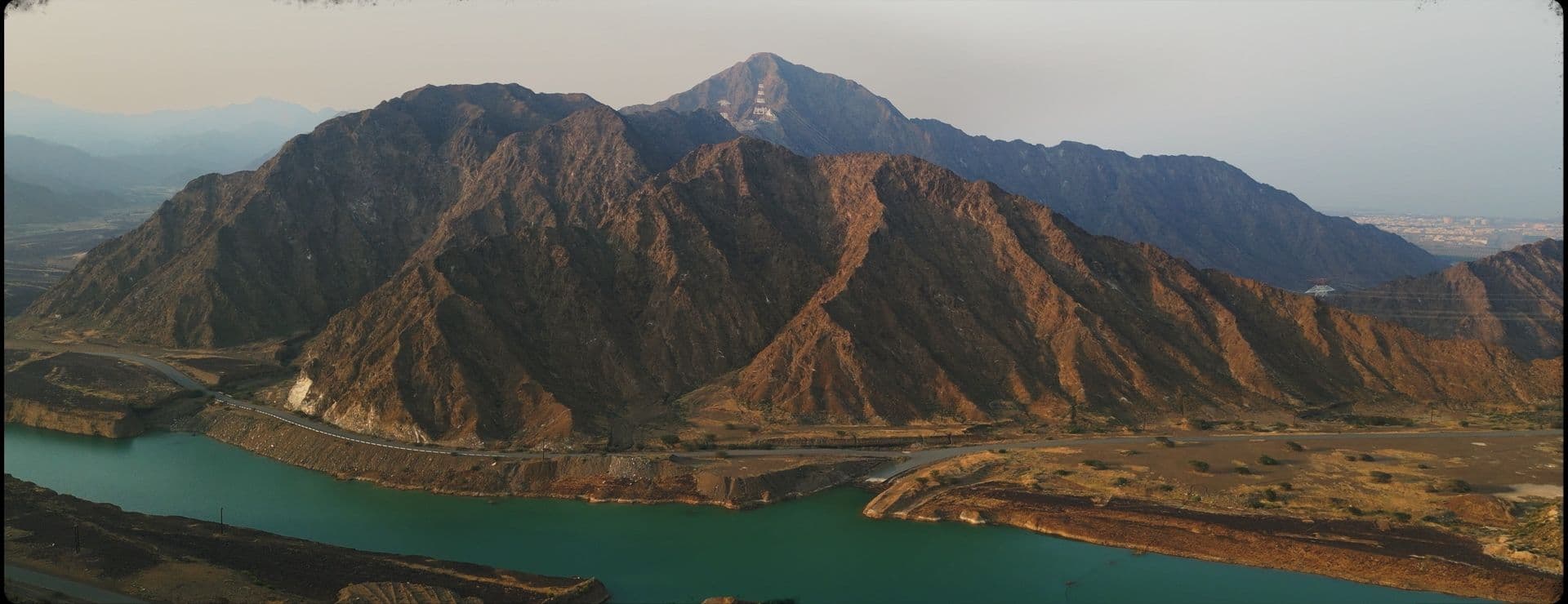
Heritage nominations need film. Each nomination file for UNESCO's Representative List of the Intangible Cultural Heritage of Humanity includes a mandatory short film alongside the nomination form. The UAE's own submission for Al Aflaj included a slideshow film running 9 minutes 23 seconds on the traditional irrigation network, covering its oral tradition, construction, maintenance and equitable water distribution. A nomination film has to be accurate, clear and culturally faithful, because it speaks to an international committee on the country's behalf.
Institutional knowledge series
Academies, ministries and foundations with a knowledge mission are well served by long-format series. A series like Alwarq shows how the format works: steady output, a consistent voice, and a library that grows with each episode. It can make an institution a lasting source of knowledge for its audience.
Frequently asked questions
How long does a long-format knowledge series take to produce?
It depends on the number of episodes, the depth of research and how often new episodes are released. Many knowledge series are ongoing, produced in cycles rather than as one block. The five stages apply to each cycle, and shared research and a set visual language make later episodes more efficient.
Can a single research phase support multiple films or formats?
Yes, and it should when the subject allows. One well-planned research phase can feed a full documentary, a short-film series and cutdowns. Keeping the source material shared also keeps the facts consistent across every output.
What's the difference between a documentary and institutional factual content?
A documentary follows a subject wherever the research leads: a person, a tradition, a place. An institutional film centers on an organization's story, mandate and milestones. Both should be research-driven and crafted with the same care. The difference lies in the subject, not the standard.
How many episodes does a typical knowledge series run?
There is no fixed number. It depends on the subject and the institution's ambition. Our ongoing series Alwarq has reached 14+ episodes and continues. Some series are planned as a defined season, while others are built to run for as long as there is knowledge to share.
Do factual content producers also handle archival footage and behind-the-scenes material?
A full-service producer should. Archival material often needs sourcing, clearing and restoration before it can be used. Behind-the-scenes footage captured during production becomes part of the institution's record, so it is worth planning both from the start rather than collecting them as an afterthought.
If you are planning a factual content programme, not just a single film, start a project with Sedrah Stories. Tell us the occasion and the story behind it, and we will begin where every film begins: with research.