


Key takeaways
- Do not write a documentary script until the research phase has closed and every fact carries a named source.
- Write the treatment before the narration script. It maps the story's spine in prose before any commentary exists.
- Fact-check at three points: after research, after the treatment, and after the first narration draft.
- A bilingual script needs a separate fact-check pass in each language, because a term accurate in English can shift meaning in Arabic.
- When a project is shot entirely on film, as The Pledge Day was, there is less room to fix errors in the edit. That makes the scripting stage more important, not less.
How to Script a Documentary From Verified Research
Learning how to script a documentary starts with one rule: the research closes before the writing opens. You gather every fact and attach a named source to it. Then you build a treatment that sets out the story's structure. Only after that do you write narration, with fact-checks at fixed points along the way. At Sedrah Stories, this order is what keeps a film about national or institutional history accurate from the first frame to the last.
The sequence sounds obvious, but most productions reverse it without noticing. Here is how the method works, and why the order decides the outcome.
A script backed by research versus a script checked against research
A script backed by research grows out of a sourced dossier. Every line of narration can be traced to a document, an interview, or an archive reference that existed before the line was written.
A script checked against research works the other way round. Someone writes a compelling draft, and a researcher tries to confirm it afterward. The draft has already decided what the story is, so verification becomes a search for support rather than a test. Weak claims survive because they read well.
This is why documentary writing comes late. You can generally work on a documentary script only after collecting your interviews, gathering your data and doing extensive research. We cover the wider approach in what research-driven documentary production really means.
Why the order matters most for national and institutional subjects
When a film marks a founding moment or honors public service, its errors do not stay small. A wrong date, a misattributed quote, or an imprecise title becomes the institution's official account. Audiences and future researchers will treat the film as a source.
For this kind of subject, our research methodology treats the script as the last link in a chain of evidence. If the chain holds, the narration can speak with confidence. If it doesn't, no amount of cinematic craft repairs it later.
Step 1: Close the Research Phase Before Writing Begins
A closed research phase means the evidence is gathered, organized, and signed off. New material can still arrive later, but the core facts the story rests on are settled. Writing against open research invites inaccuracy, because the writer fills the gaps with assumption.
This is the second of the five stages we follow on every documentary: Discovery, Research, Scripting, Production, and Post-production. Scripting sits third for a reason.
What a research dossier should contain before scripting starts
- A verified timeline of every event the film will reference, with dates checked against at least one primary source.
- A people register listing every individual named, with correct spellings in Arabic and English, and titles at the time of the events.
- A source log pairing each fact with its origin: document, interview, archive, or published record.
- An archive inventory of footage, photographs, and documents, each with provenance notes.
- Open questions, listed separately, so nobody mistakes an unresolved point for a settled one.
- Cultural and sensitivity notes covering terms, protocols, and context the narration must respect.
For heritage subjects bound for UNESCO, the dossier goes further still. Elements nominated to the Representative List must be recognized by the community, group or individuals concerned as part of their cultural heritage. That recognition needs documenting before the script describes the practice in anyone's name.
Sourcing standards: primary sources, named experts, archival references
We rank sources in a clear order. Primary sources come first: original documents, official records, first-hand testimony. Named experts come next, people whose credentials and affiliations are recorded. Secondary published sources support, but never replace, the first two.
Archival references need their own standard. A photograph is evidence only when you know who took it, when, and where. Without that, it is an illustration, and the script must not ask it to prove anything.
Step 2: Build the Treatment Before the Narration Script
A treatment is a prose document describing the whole film before any narration exists. It is a bridge between your raw research and your finished script, setting out story points, themes, and structure.
A documentary treatment is not a shooting script, which breaks the film into scenes, locations, and shots for the crew. It is not a narration draft either, which is the spoken commentary itself. The treatment comes before both.
What belongs in a treatment
- The central question the film answers, in one or two sentences.
- The arc, meaning how the story opens, where it turns, and where it lands.
- Key scenes, described in prose, each tied to the research that supports it.
- Voices, meaning who speaks on camera and what each contributes.
- Archive use, meaning where historical material enters and what it shows.
- Tone and visual language, so stakeholders understand the film's register before they see a frame.
Each scene in the treatment should point back to the dossier. If a scene depends on a fact still listed as an open question, the treatment should say so.
Why the treatment gets reviewed before narration is written
Institutional films usually have several reviewers: communications teams, subject specialists, and sometimes senior leadership. The treatment is where their input costs least. Changing the shape of a story in prose takes a revision. Changing it after narration is recorded, or footage is shot, can mean starting a sequence again.
We ask reviewers to approve three things at this stage: the story's structure, the accuracy of the facts it rests on, and the cultural framing. Written approval then becomes the foundation for the narration.
Step 3: Write the Narration With Fact-Check Checkpoints Built In
A sound fact-checking process places verification at three fixed points, not one, because each checkpoint catches something different. A documentary script keeps changing: it evolves continuously, through the research phase, during production as interviews reveal unexpected insights, and well into post-production. Checkpoints keep that evolution honest.
- One: When it happens: Research dossier closes; What it verifies: Sources, names, dates, provenance; What it catches: Wrong dates, misspelled names, unsourced claims
- Two: When it happens: Treatment approved; What it verifies: Story structure and emphasis; What it catches: Misleading sequence, overstated significance
- Three: When it happens: First narration draft; What it verifies: Every line against the dossier; What it catches: Loose wording, unsupported superlatives, drift from sources
The first check confirms the evidence itself: every fact has a source, every name has a verified spelling, every date is checked against a primary record. Anything that fails moves to the open-questions list.
The second check confirms the story. A sequence can be accurate fact by fact and still mislead through emphasis or order. This checkpoint reads the treatment as an argument and tests it.
The third check works line by line. Each sentence of commentary is matched to its source. Adjectives get scrutiny too, because words like "first," "largest," or "founding" are factual claims.
Scripting for Two Languages Without Losing Accuracy
In the UAE, almost everything official is bilingual, with Arabic and English carried together. A film made for a government or semi-government audience will often need to work fully in both. A bilingual script is its own discipline, not a translation task.
Why a direct translation is not a bilingual script
Narration is written for the ear, and rhythm differs between languages. A line that lands well in English can run long or sound flat in Arabic, and the reverse. Titles, honorifics, and terms for heritage practices often have no exact equivalent. A literal rendering can be accurate word by word and still wrong in meaning or respect.
A bilingual script is written so each version is natural in its own language while saying the same verified thing. The edit has to account for both, because pacing built for one language can leave the other rushed.
Running separate fact checks in Arabic and English
We run checkpoint three in each language separately. The Arabic pass checks names, titles, and terms against Arabic sources and specialists, without relying on the English check. The English pass does the same in reverse. Where the two versions differ in nuance, the difference goes back to the dossier, and the source decides.
What Changes When the Subject Is a National Occasion or a Competition
The method stays the same across subjects, but the pressure points move. Two of our projects show where.
Fixed historical dates and occasions
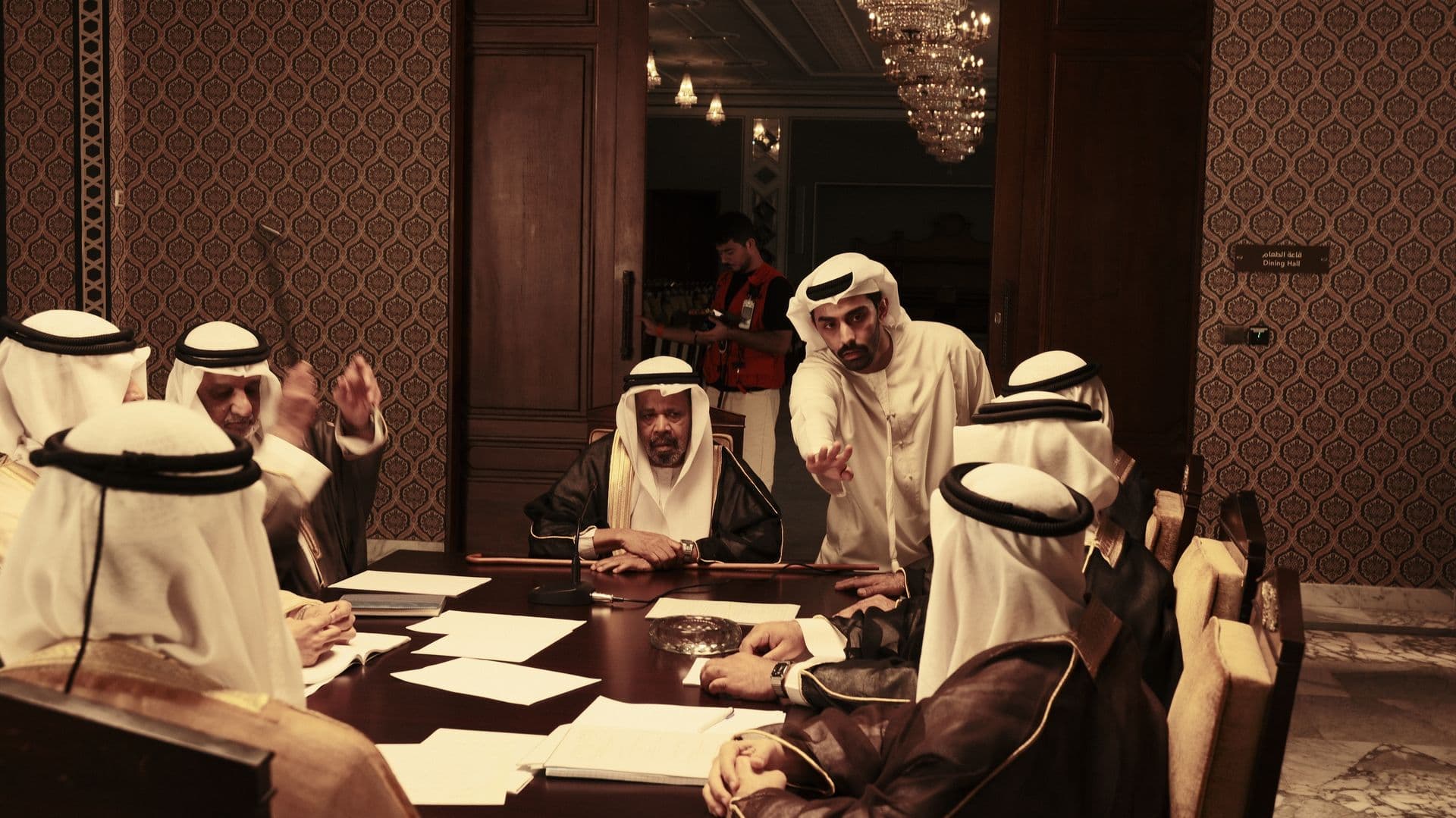
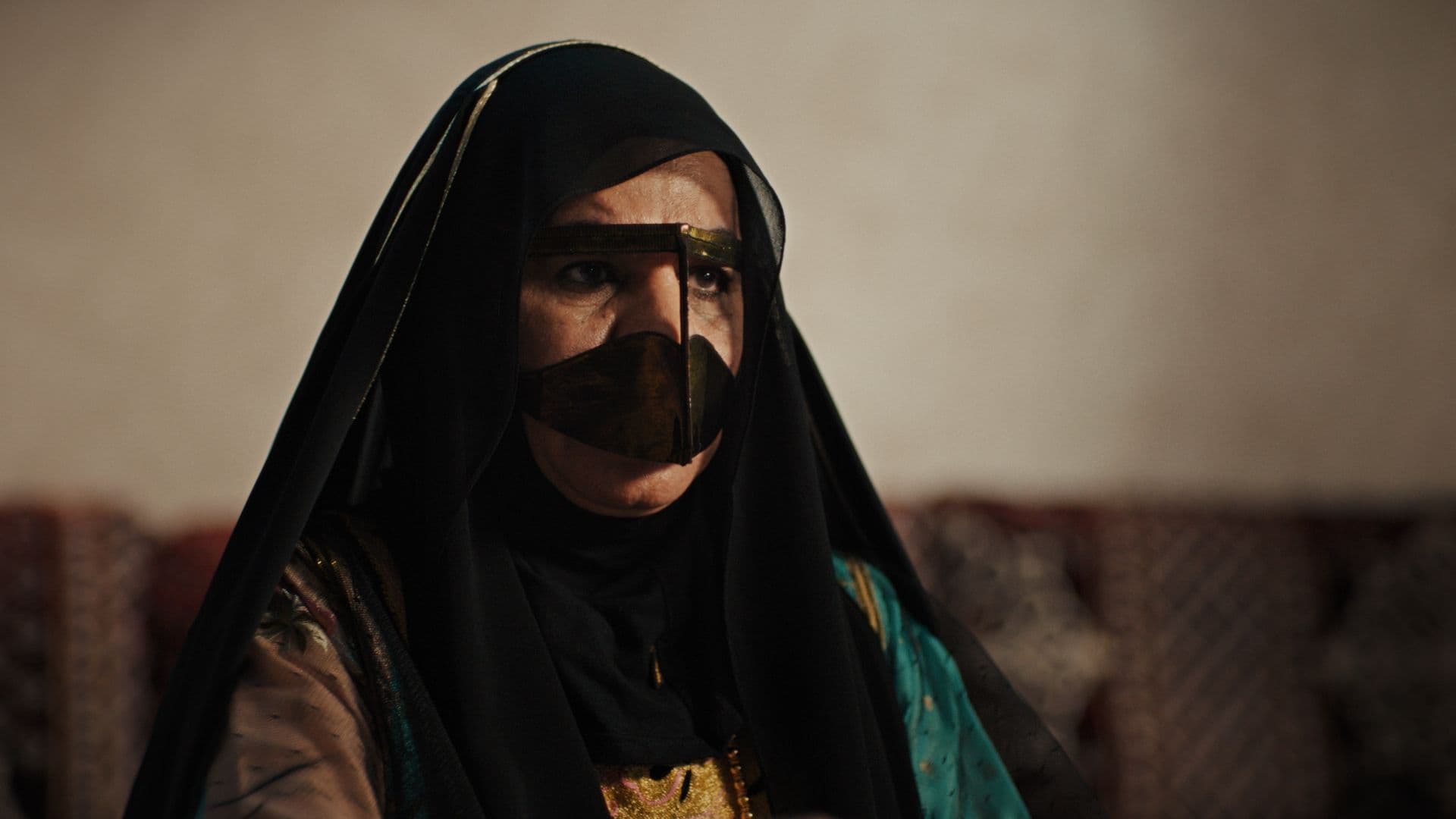
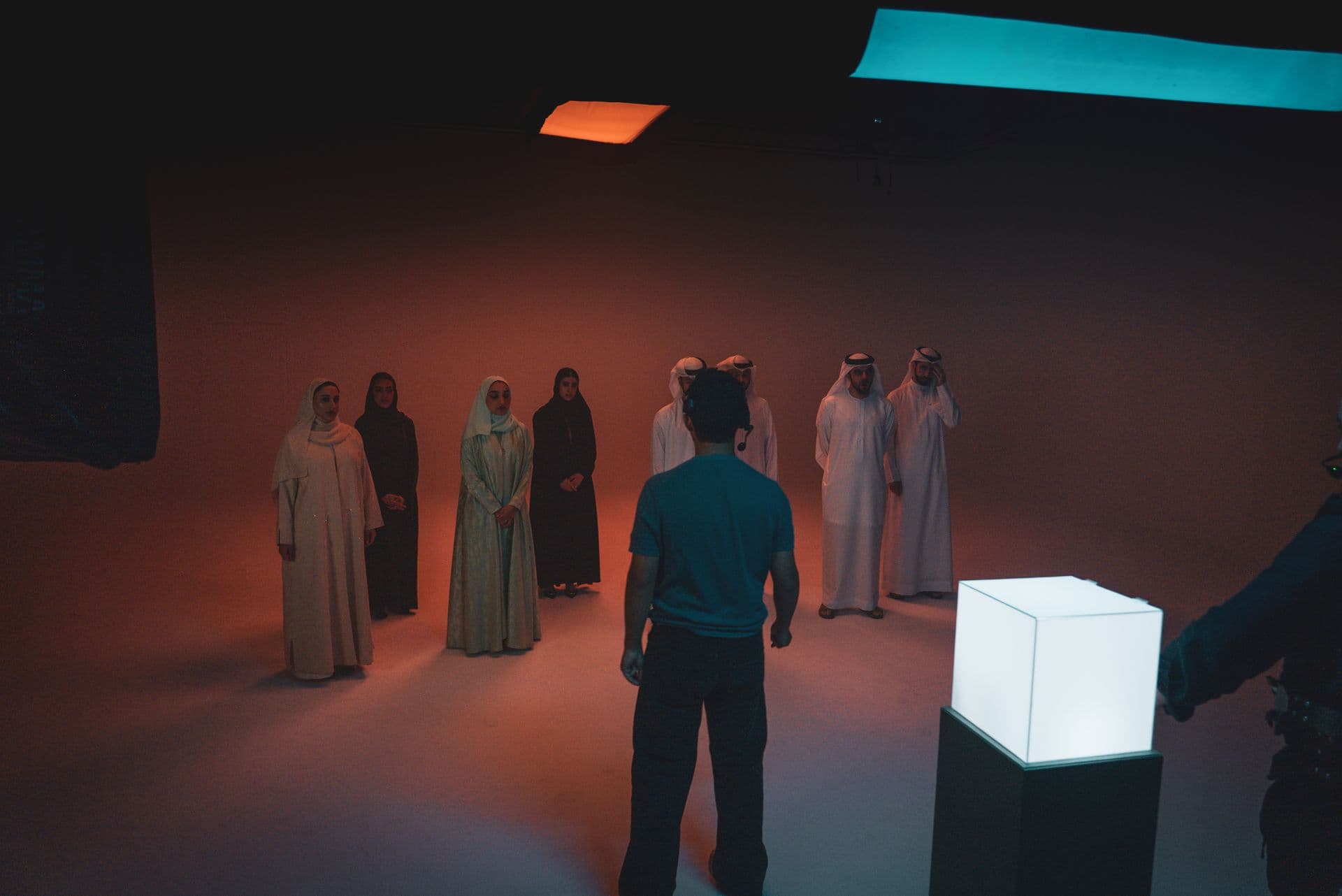
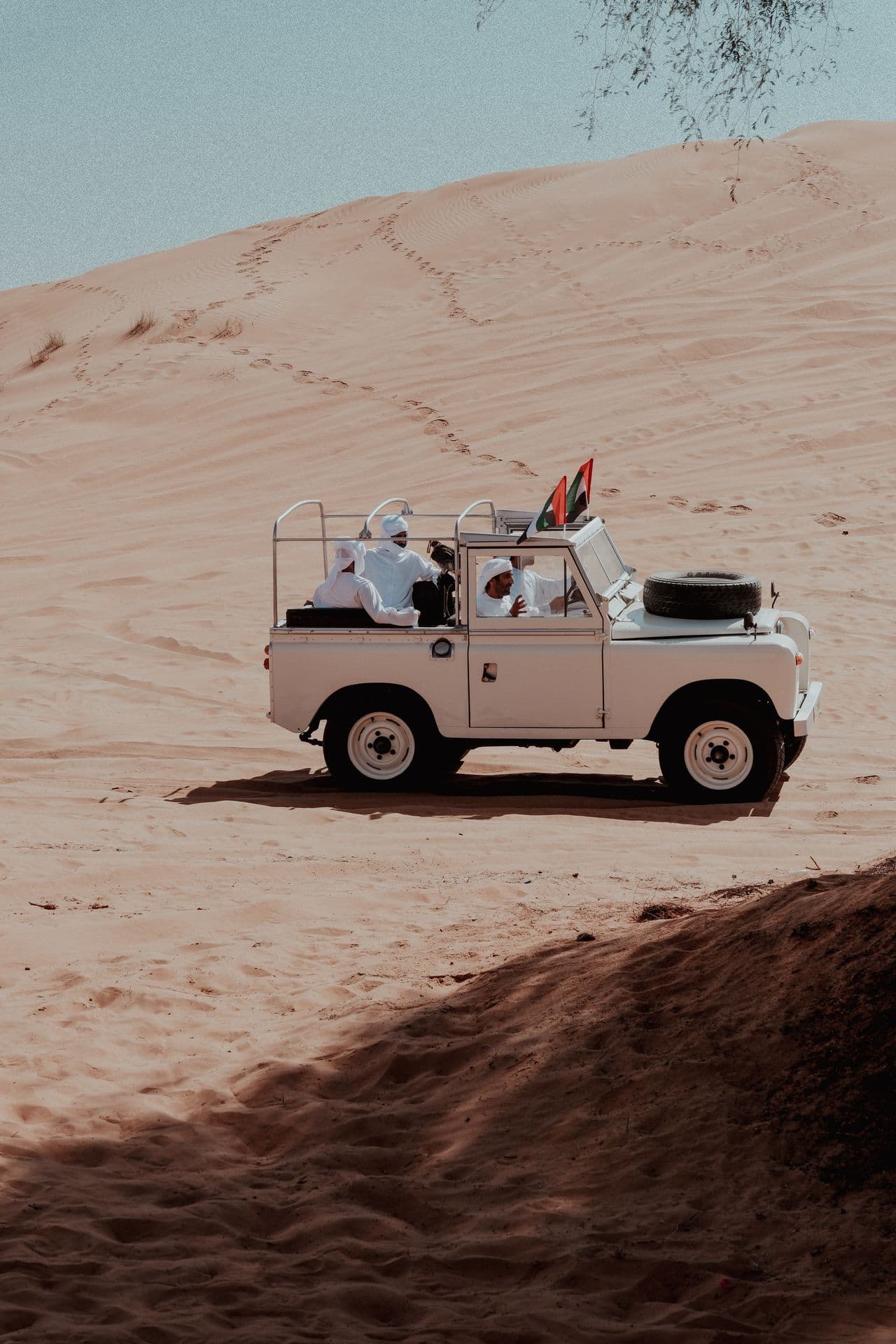
The Pledge Day is our tribute to the country for Union Pledge Day, 18 July. It was shot 100% on film, with no digitalization, and its research notes and references sit beside the frames they informed.
Film changes the economics of error. Digital workflows invite the idea that problems can be solved later in the edit. With film, what is captured is what you have, so the script and shot plan need to be right before the camera rolls. That makes closed research and an approved treatment more important, not less.
Fixed dates add a second constraint. National Day falls on 2 December each year, commemorating the federation in 1971. A film for a fixed occasion cannot slip, so fact-check checkpoints are scheduled backward from the delivery date rather than squeezed in at the end.
Multiple participants and achievements
Challenge 71 is a documentary on a competition among the UAE's top government achievers across all sectors. Subjects like this bring a different risk: many people, many achievements, many claims to verify.
In a large-cast film, the people register becomes the most important part of the dossier. Every participant's name, title, entity, and achievement needs its own source. The treatment also has to treat participants fairly, because how screen time and emphasis are distributed is itself a statement. Checkpoint two exists to catch that.
A Scripting Checklist Before You Brief a Production Company
If you are commissioning a documentary, you don't need to script one yourself, but you do need to know whether your partner does. Use the points below alongside a full RFP checklist for government bodies.
Questions to ask about a production company's fact-checking process
- At what stages do you fact-check, and who carries out each check?
- How do you record the source for each line of narration?
- What happens when a fact can't be verified before the script deadline?
- How do you check Arabic and English versions, and are the checks separate?
- How do you verify archival footage and photographs?
- For heritage nominations, how do you document community recognition and consent? UNESCO Representative List files include a nomination form, evidence of community consent, ten photos and a short video, so the film is one part of a larger evidence file.
What to request in writing before scripting begins
- A research plan listing intended sources and archives.
- A sample source log format, so you can see how facts will be tracked.
- A schedule with all three fact-check checkpoints dated.
- A treatment review process naming your approvers.
- A bilingual approach describing how each language will be written and checked.
- A sign-off procedure for the final narration in both languages.
Frequently asked questions
Who should write a documentary script: a researcher or a scriptwriter?
Both, in sequence. The researcher builds and verifies the dossier, and the scriptwriter shapes it into a story that holds an audience. The strongest scripts come from close collaboration, with the researcher reviewing every narration draft against the sources.
How long does the research phase take before scripting can start?
It depends on the subject, the archives involved, and how many people need to be interviewed or consulted. A film built on well-catalogued records moves faster than one that relies on oral testimony or scattered private collections. The research phase finishes when the dossier passes its first checkpoint, not when a calendar date arrives.
What's the difference between a treatment and a shooting script?
A treatment describes the whole film in prose: its question, arc, key scenes, and voices. A shooting script turns that into a practical plan for the crew, covering scenes, locations, and shots. The treatment is for agreeing on the story; the shooting script is for executing it.
Should narration be written before or after filming begins?
A first narration draft is usually written from the approved treatment before filming, so the shoot knows what it must capture. That draft is then revised after interviews and footage come in, because real testimony often changes the emphasis. Every revision goes through the same line-by-line check against the dossier.
How do you fact-check archival footage or old photographs used in a script?
Establish provenance first: who created the material, when, where, and for what purpose. Cross-check what the image appears to show against written records from the same period. If provenance can't be confirmed, the script should use the material only as illustration, never as evidence for a specific claim.
If you're weighing up how a research-backed script would work for your institution's story, start a project with Sedrah Stories and we'll walk you through our discovery and research process first.