




Key takeaways
- Research and discovery days are their own line item, not a buffer. Scripting cannot begin until the facts are verified.
- Archive licensing costs depend on who holds the rights, how long you need them and whether the material belongs to a single institution.
- Shooting on film changes the cost structure. Stock, processing and scanning are paid per minute, not absorbed into a day rate.
- Crew size and location count move the budget more than shoot length. One desert location can need more logistics than three studio days.
- Post-production is where budgets are most often trimmed or expanded. Grading, sound design and delivery formats can be scaled to the occasion.
Documentary Production Cost Drivers: What Actually Drives the Cost of a Documentary
Five documentary production cost drivers shape almost every budget we write: research, archive, capture format, production logistics and post-production. Running time matters less than most people expect. A twelve-minute heritage film built on rare archive and shot on film can cost more than a forty-minute interview series filmed in two rooms.
At Sedrah Stories, every film moves through the same five stages: Discovery, Research, Scripting, Production and Post-production. Each stage carries its own costs, and each one sets limits on the stage that follows. See how the stages connect in the five stages of documentary production.
This documentary budget breakdown shows where the money goes and what makes each line rise or fall.
- Research and discovery: What it pays for: Interviews with stakeholders, archive searches, fact verification, subject-matter review; What pushes it up: Contested history, scattered sources, many approval layers; Where it can flex: Narrower scope, fewer storylines
- Archive licensing: What it pays for: Rights to historical footage, photographs and music; What pushes it up: Premium archives, long or worldwide terms, exclusive material; Where it can flex: Shorter terms, fewer clips, more original footage
- Capture format: What it pays for: Cameras, or film stock, processing and scanning; What pushes it up: Shooting on film, high shooting ratios; Where it can flex: Digital capture, tighter shooting plans
- Crew and locations: What it pays for: People, equipment, travel, permits, site access; What pushes it up: Remote sites, multiple locations, specialist crew; Where it can flex: Grouping locations, smaller units
- Post-production: What it pays for: Edit, color grade, sound design and mix, deliverables; What pushes it up: Archive-heavy edits, theatrical-grade finish, many formats; Where it can flex: Fewer versions, simpler graphics
Industry benchmarks back this up. Post-production can equal or exceed other costs, and in archive-heavy films, archive and music licensing are among the expenses buyers most often underestimate.
Research and Discovery Days: The Line Item Clients Underestimate
Research looks like overhead on paper. In a factual film it is the foundation. A heritage documentary that gets a date, a name or a custom wrong can do lasting harm to the institution that commissioned it. Every frame that follows depends on this work.
That is why research appears in our documentary budget breakdown as dedicated, paid days. It sits at the core of research-driven documentary production, and it maps directly onto the first two of our five stages.
What happens during discovery and research days
Discovery is listening. We meet the stakeholders, understand the occasion and agree on what the film must achieve and who it must speak to.
Research is verifying. In practice that means searching archives, libraries and private collections; cross-checking dates, names and sequences of events against more than one source; pre-interviewing contributors and specialists; mapping cultural sensitivities around what can be shown and how a tradition should be described; and logging every potential archive item along with its likely rights holder.
For intangible heritage, the reference points already exist. The Department of Culture and Tourism maintains the Intangible Cultural Heritage Inventory of Abu Dhabi, and a film about a living tradition should sit comfortably alongside it.
Why this stage cannot be compressed into scripting
A script written before the research is finished is a guess. When the facts change, and they often do once archives are opened, the script has to be rewritten and shooting days reorganized. Skipping research does not remove the cost. It moves the cost into production and post-production, where every change is more expensive. Research first, then the frame.
Archive Licensing: Paying for Other People's Footage and Photographs
Archive gives a heritage film its authority. A photograph from the 1960s says something no reconstruction can. It also brings a cost that depends less on the image itself and more on the terms attached to it.
Archive licensing costs vary widely. One industry budget planner places footage licensing at 5 to 15 percent of the total budget for archive-heavy documentaries, which on a $200,000 film means $10,000 to $30,000 for archival clips. Practitioner guidance recommends setting aside an additional 5 percent for archival licensing and clearance even on films that are not built mainly on archive.
Who holds the rights to historical footage and photographs
Before a price can be set, someone has to establish who owns the material. In the UAE, historical footage and photographs may sit with government archives, broadcasters, cultural foundations, international news libraries, private collectors or individual families. Some material is held by a single institution and exists nowhere else, and that exclusivity gives the rights holder more control over the price and the conditions of use.
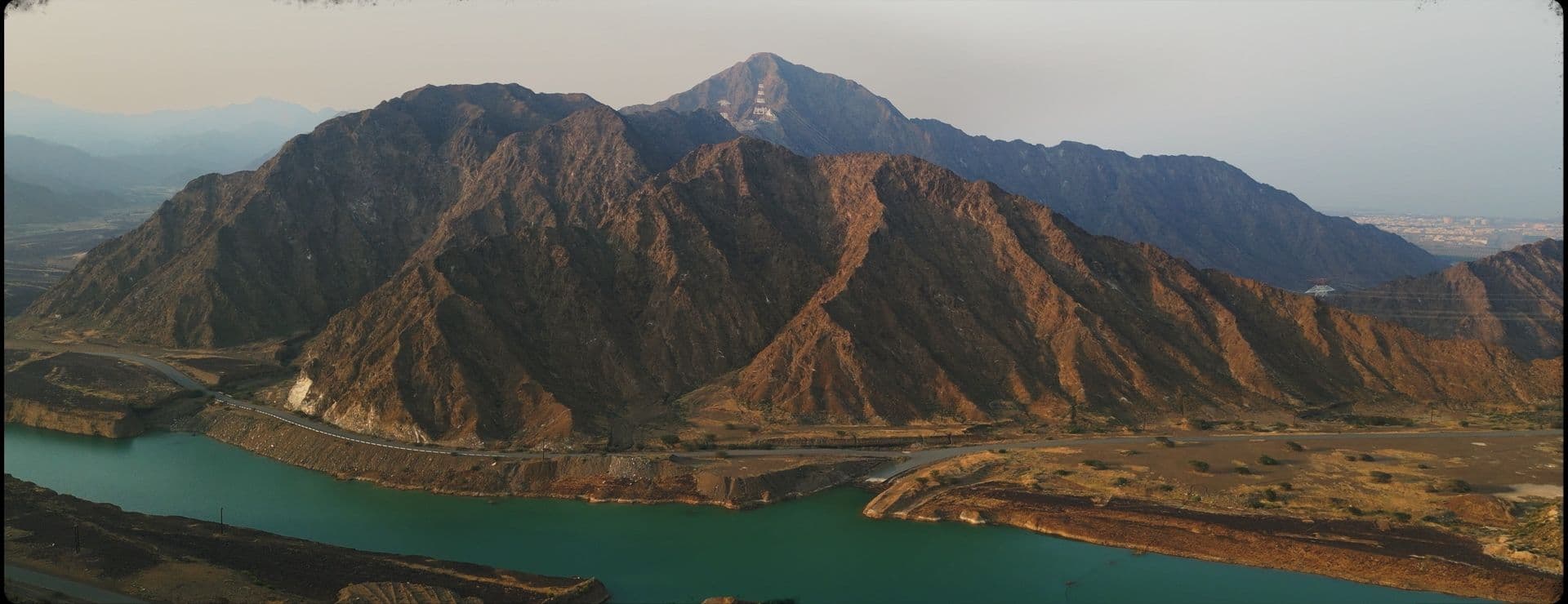
Heritage and nomination films raise the stakes further. Wadi Wurayah, a documentary we made for Fujairah's UNESCO file, was successfully nominated as human heritage. A film made for an official file is a different object from a broadcast feature: every image has to withstand scrutiny, and the rights have to cover the use the file requires. In the UAE, nomination files are prepared through official channels. The henna nomination, for example, brought together the Department of Culture and Tourism, Abu Dhabi, the UAE Ministry of Culture and Youth and the Arab Organization for Education, Culture and Science.
Why licensing terms, not just footage length, set the price
Commercial archives usually charge by the second, and they set minimums. One licensing house's published structure sets a $539 minimum per project, with footage at $49 per second for regular rate material and $79 for premium, and that rate already includes festival and internet rights.
Length is only the first variable. The rest of the price comes from the terms: the duration of the license, the territory it covers, the media it allows (broadcast, online, festival, museum installation, official submission), and whether the material is exclusive. Agree the intended uses early. A film licensed for a single screening and later shown online may need to be cleared a second time.
Film Stock and Format: Why Shooting on Film Costs More Than Digital
With digital capture, the camera is part of a day rate. Shoot more and the extra cost is mostly storage. With film, every minute that runs through the camera is paid for, more than once.
What film stock, processing and scanning add to a shoot
Three costs scale with every minute shot: the raw stock, bought by length; processing, which develops the exposed negative at a lab; and scanning, which converts the negative to digital files for editing and delivery.
Because these costs follow footage, the shooting ratio, how much you shoot against how much you use, becomes a budget decision, not just a creative one. Film rewards preparation: scenes planned, interviews focused, takes fewer. The budget also has to allow for specialist camera crew and careful handling of exposed rolls in desert heat.
Institutions choose film for reasons that justify the cost. Film has a texture and permanence that suits national tributes and legacy projects, and a film-originated negative is also a physical archive in its own right.
When digital capture is the right call instead
Digital suits long, unscripted observation, contributors who need time to open up, or a tight schedule. It also suits series with many episodes, where per-minute film costs multiply across the whole run. The format should serve the story and the occasion. Prestige alone is not a reason to choose it.
Crew, Locations and Production Days
Clients often measure a shoot in days. The budget measures it in moves. Every new location means travel, setup, permits, power, safety and time lost between setups.
Why location count matters more than day count
Three days in a studio is a controlled environment: one setup, predictable light, no travel. One day in the desert can need four-wheel-drive vehicles, generators, water, shade, a safety plan and an early call to catch usable light.
The Harley Project shows what a multi-location shoot involves. It is a documentary shoot following a motorcycle riding community: their workshop, their rides through the city and the desert, and the conversations in between. A workshop, moving road footage, desert terrain and seated interviews each need different equipment and a different approach to light and sound. See the range across our documentary work.
Permits add a further layer. The Abu Dhabi Film Commission charges AED 500 per application for script approval and AED 500 per filming day for a filming permit. Location fees apply on top for government sites, road closures or public-safety measures, so a road sequence or a shoot inside a government building can cost more than its running time would suggest.
What a larger crew is actually paying for
A bigger crew is not excess. A dedicated sound recordist protects interviews that cannot be repeated. A second camera catches reactions during ceremonies that happen only once. A researcher or cultural advisor on set catches errors before they are filmed. A production coordinator manages permits, access and protocol at sensitive sites. On national occasions, a single missed moment cannot be reshot. Crew size is how the budget prices that risk.
Post-Production: Editing, Grading, Sound and Delivery
In a documentary, the edit is where the film is written for the second time. That is why practitioner guidance recommends allocating 30 to 35 percent of the total budget to post-production: the editor is shaping the story from real material, not assembling a pre-written script.
What the edit and grade stages cover
The edit covers logging footage, building the story, integrating archive and taking the cut through review rounds with the client and any subject-matter experts. Archive-heavy films take longer because each item has to be placed, restored where needed and cross-checked against the clearance log.
Color grading gives footage shot across many days and locations a single visual language, and matches archive to new material. A grade for an online release is lighter work than a grade for a large-screen premiere. Sound follows the same pattern: dialogue cleanup, music, sound design and a final mix calibrated for where the film will be heard.
Why delivery formats change the final invoice
One film can need many versions: a broadcast master, an online cut, a version for a museum loop, Arabic and English subtitles, a short edit for social channels, a submission copy for an official file. Each version requires its own export, quality check and sometimes its own mix. List every intended use at Discovery so the budget reflects them from the start.
Where Budgets Can Flex, and Where They Can't
Every budget meets a ceiling eventually. The question is what to give up without weakening the film. For figures by format and length, our full 2026 price guide sets out the ranges.
Line items that can be scaled down
- Delivery versions: start with the essential masters and add others later.
- Archive scope: use fewer, stronger clips on shorter terms.
- Locations: group scenes by geography to reduce moves.
- Graphics and animation: simple, typographic treatments can carry a lot.
- Capture format: digital in place of film, where texture is not central to the occasion.
Line items worth protecting even on a tighter budget
- Research and discovery: accuracy is the one thing a heritage film cannot recover from losing.
- Sound: audiences forgive imperfect images long before they forgive poor audio.
- Rights clearance: an uncleared image can stop a film from being screened at all.
- Review time: allow for stakeholder and expert review, especially on national subjects.
Frequently asked questions
How much does a 20-minute institutional documentary typically cost in the UAE?
It depends on the five drivers more than on the running time. A 20-minute interview-led film shot digitally in a few locations sits at a very different level from one built on licensed archive and shot on film. The most reliable way to get a figure is a scoped quote based on your subject and intended uses.
Do government documentary projects cost more than private ones?
Not inherently. Government projects often involve more approval layers, protocol at sensitive sites, permits for government locations and several delivery versions, and each of those adds time. A private project with heavy archive or remote locations can cost just as much.
Can archive footage be licensed for a single project only, or does it need ongoing rights?
Most archives license by project, term, territory and media, so single-project licenses are common. Some rate structures bundle uses together, such as festival and internet rights. If the film may later be shown online, in a museum or as part of an official file, clear those uses at the start rather than going back to the rights holder later.
Why is shooting on film more expensive than shooting digitally?
On film, stock, lab processing and scanning are each paid per minute shot, so cost follows footage. With digital capture, the camera sits inside a day rate and extra footage costs little. Film also needs specialist crew and careful handling of exposed rolls.
How long does post-production usually take once filming ends?
It depends on the film's length, the volume of archive, the level of grading and sound finish, the number of delivery versions and how many review rounds the client needs. Archive-heavy and multi-version projects take the longest. We set the post-production schedule during Discovery so it reflects the actual scope of the film.
If you are weighing up a documentary budget for an institution or heritage project, start a project with Sedrah Stories and we will walk through the line items with you.