



Key takeaways
- In the documentary vs corporate video decision, a corporate video is built to deliver a message within a planning cycle. A documentary is built to hold up as a historical record for decades.
- Heritage tributes, national occasions and UNESCO nomination files call for documentary craft. The footage has to stay accurate and dignified long after the event has passed.
- Sedrah Stories follows a five-stage method (discovery, research, scripting, production, post-production) because institutional and national-identity films depend on evidence, not only on messaging.
- Most of the budget and timeline difference between the two formats comes from research depth and archival work, not from camera equipment.
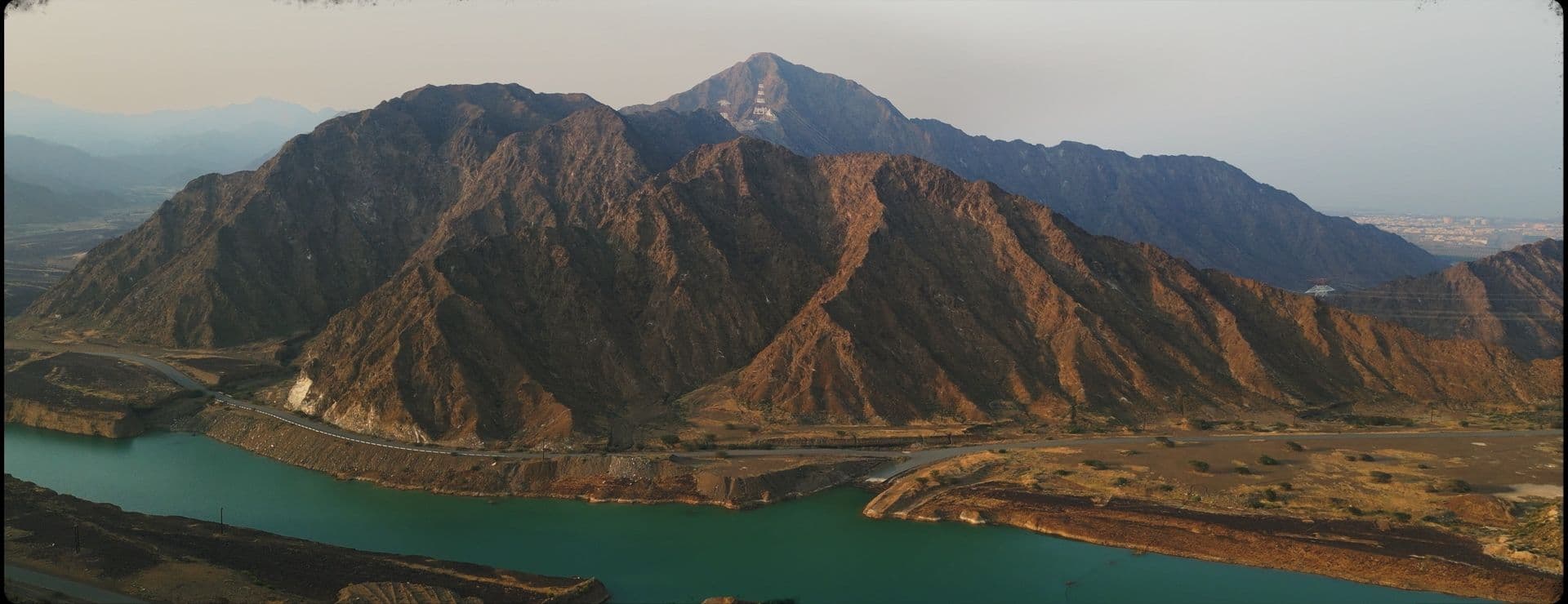
- The Wadi Wurayah documentary, made for Fujairah's UNESCO file, shows how a factual film can carry institutional weight that a promotional video is not built to carry.
Documentary vs Corporate Video: What Actually Separates Them
The documentary vs corporate video question comes down to one thing: what the film has to prove, and for how long. A corporate video communicates a message the institution has already decided on. That might be a launch, a strategy, a service or a set of values. It is judged by whether the audience understood and acted within months. A documentary investigates a subject and presents what the evidence shows. It is judged by whether it is still true, still respectful and still useful years later.
At Sedrah Stories, we treat this as the first decision in any piece of institutional film production, before cameras, crews or locations. A corporate video starts from the message and works outward. A documentary starts from the record, the archives, the testimony, the history, and finds the story inside it. Both can look cinematic. Only one is built to become part of a nation's memory.
Purpose: What Each Format Is Built to Do
Before you brief anyone, name the job the film has to do. Most projects belong clearly to one format once that job is written down in a sentence.
What a corporate video is designed to achieve
A corporate video is a communication tool. Its job is to inform, persuade or align an audience around a defined objective: a new initiative, an annual achievement, a recruitment drive, a service the public needs to know about. The script serves the message. The runtime is usually short because attention is short. One analysis of more than 1.7 million business videos found that 66% of viewers finish a video under one minute, while only 22% finish one longer than 20 minutes. That is why most corporate video commissioned in the UAE runs a few minutes, cut tight and distributed across social channels, events and internal screens.
What a documentary is designed to achieve
A documentary is a work of record. Its job is to explain, preserve and interpret a subject so that a viewer with no prior context can understand it, now and later. The subject leads the structure, not the other way round. A documentary can run long because it earns attention through narrative: character, place, tension and discovery. Retention data shows why this takes craft. Wistia's research found that early engagement loss rises from 4.9% for videos of one to two minutes to 17.3% for videos of five to ten minutes. A longer film holds its audience only if the story is strong enough to carry it.
Shelf Life: Which One Still Matters in Ten Years
Longevity is the factor institutions most often underestimate. A film commissioned for one occasion may end up screened in a museum, studied by researchers or broadcast again on an anniversary. The format you choose decides whether it survives that second life.
Why national and heritage footage needs to outlast the occasion
Heritage storytelling has a responsibility that marketing does not. When a film documents a craft, a landscape, an elder's testimony or a national milestone, it may become the only moving-image record of that moment. The UAE takes this seriously. The National Library and Archives in Abu Dhabi holds 6.7 million individual photographs and documents, with more added all the time, and uses film-based preservation technology to guard against future data loss. A heritage film should be made to the same standard of care: sourced, verified, and free of claims that will embarrass the institution once the moment has passed.
Why corporate video has a shorter useful life by design
A corporate video is meant to date, and that is not a flaw. It reflects a strategy, a leadership team, a brand identity and a set of figures that will all change. Its visual language follows current trends. Its messaging answers this year's priorities. Once those shift, the video has done its job. The problem arises only when an institution uses a corporate format for a subject that needs to last, then finds a few years later that the film cannot be reused, archived or trusted as a record.
Tone, Research and Craft: Why Heritage Projects Need More Than Messaging
Every film we make goes through the same five stages: discovery, research, scripting, production and post-production. Research comes first, then the frame. For heritage and national-identity work, that order is the difference between a film that honors its subject and one that only decorates it.
Research-first scripting versus message-first scripting
In message-first scripting, the client supplies key points and the writer builds scenes to illustrate them. It is efficient and right for most corporate briefs. Research-first scripting reverses the flow. Before a line is written, we gather primary sources, consult historians and cultural custodians, review archives, and test every claim against the country's values and the community's own understanding of its heritage. The script then follows what the research supports. Messages the institution cares about still appear, but they rest on evidence. We explain the full process in our piece on what research-driven documentary production really means.
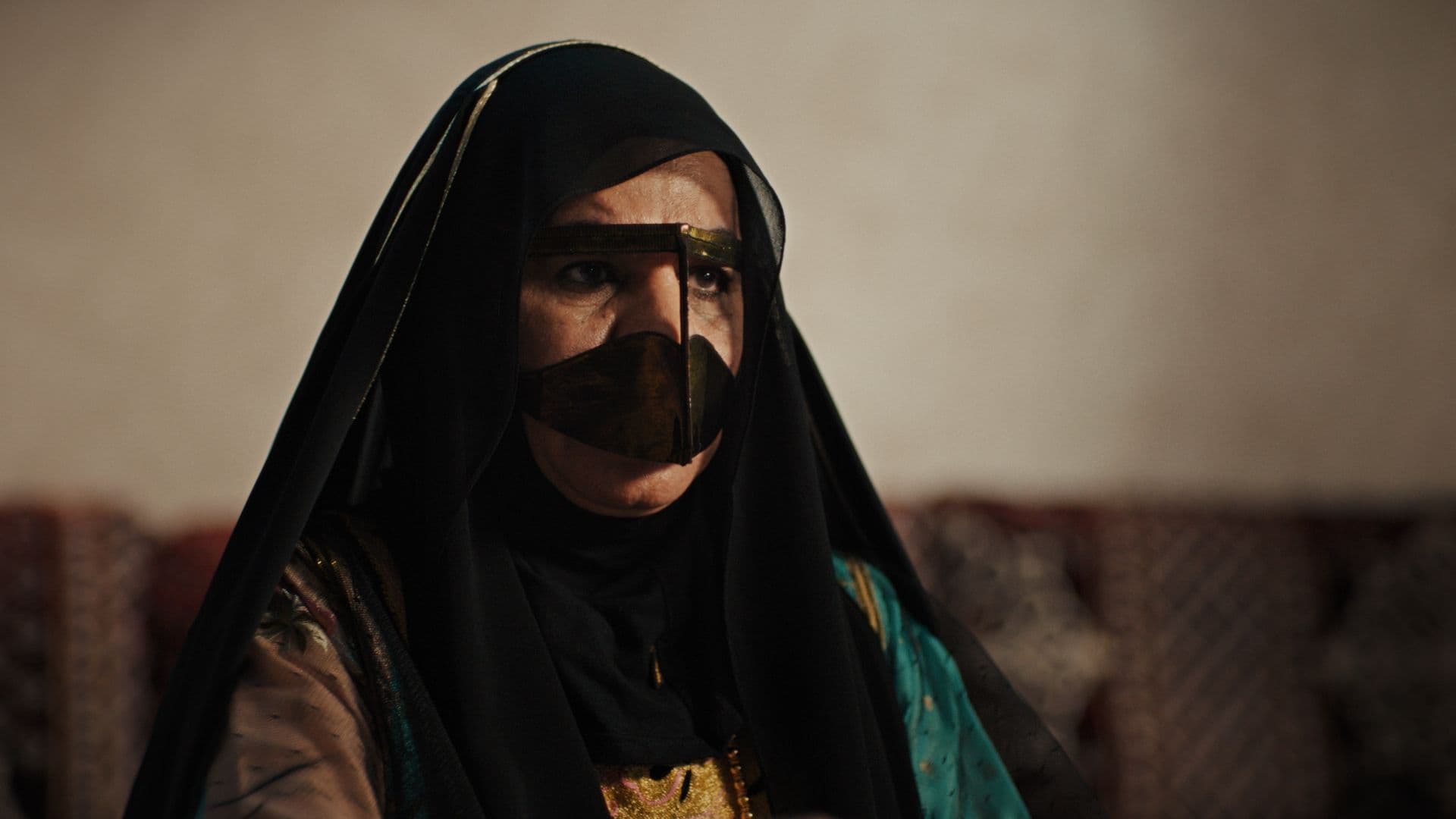
Tone follows from this. A corporate video can be upbeat and fast. A heritage documentary has to be measured, giving space to silence, landscape and the voices of the people whose history it carries. Cultural accuracy shapes the pacing, the music, the wording of narration and even which details stay off screen.
Craft choices that signal permanence
Some projects call for craft choices that a corporate brief would never justify: an original score rather than library music, interviews lit and framed for archival reuse, color grading built to age well rather than chase a current trend, and full delivery of raw rushes and transcripts so the material can serve future researchers. These are decisions that assume the film will be watched again, by people who were not in the room when it was made.
Documentary vs Corporate Video at a Glance
- Purpose: Corporate video: Communicate a defined message; Documentary: Investigate, preserve and interpret a subject
- Starting point: Corporate video: The client's key messages; Documentary: Research, archives and testimony
- Primary audience: Corporate video: Stakeholders, staff, customers, the public now; Documentary: The public now, plus future viewers, researchers and archives
- Tone: Corporate video: Direct, energetic, brand-led; Documentary: Measured, reflective, subject-led
- Typical runtime: Corporate video: Short, often a few minutes; Documentary: Longer, or a multi-episode series
- Shelf life: Corporate video: Months to a few years; Documentary: Decades, as a historical record
- Main cost drivers: Corporate video: Production days, talent, graphics; Documentary: Research depth, archival licensing, expert consultation, post-production
- Typical use cases: Corporate video: Launches, annual reviews, campaigns, recruitment; Documentary: Heritage tributes, national occasions, UNESCO files, institutional legacy archives
When Your Institution Needs a Documentary, Not a Corporate Video
Some projects leave no real choice. If the film has to stand as evidence or as a lasting tribute, it needs documentary craft from the first day of discovery.
UNESCO and heritage nomination files
A nomination file is an evidentiary document, and the film inside it is read as evidence. For the Intangible Cultural Heritage lists, UNESCO's official documentation package includes a video form (ICH-07) alongside the photo and audiovisual inventory forms, submitted together with the nomination forms themselves. A promotional edit cannot do this job. Evaluators need to see the element as it is practised, by the people who practise it, without exaggeration.
Our clearest example is the Wadi Wurayah documentary made for Fujairah's UNESCO file, which was successfully nominated as human heritage. It is a factual film carrying institutional weight, which is exactly what a nomination requires. If you are preparing a file, our step-by-step guide to UNESCO nomination films covers how we approach this kind of brief.
National tributes and institutional legacy archives
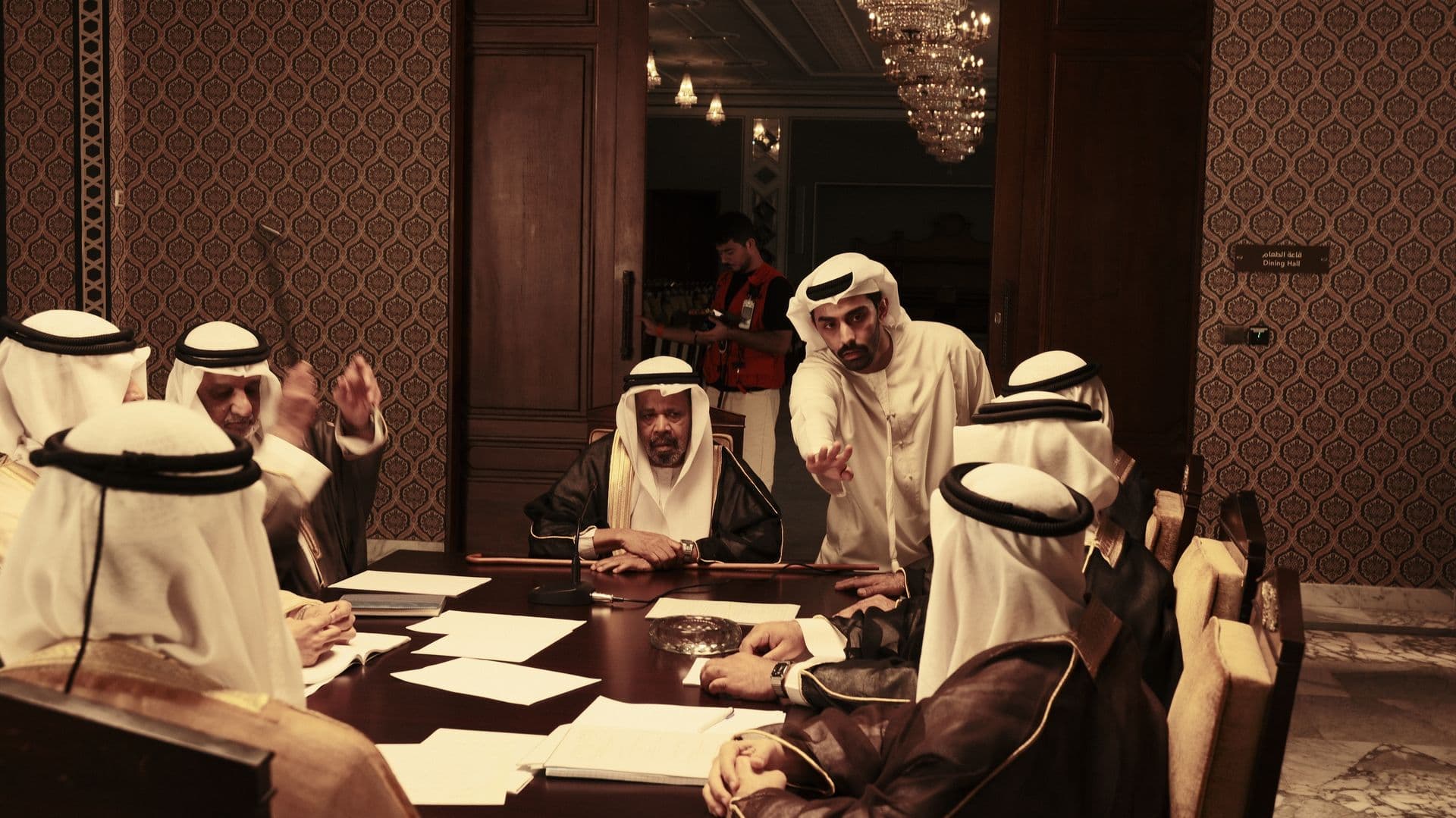
National days, anniversaries, tributes to founding figures and histories of institutions all share one requirement: the film has to remain dignified and accurate for every future screening. A legacy archive also needs depth. That means long-form interviews, verified dates and names, and organized rushes that later teams can return to. This is institutional film production in its most lasting form, and it is where research-driven scripting matters most.
Internal communications and short-term campaigns
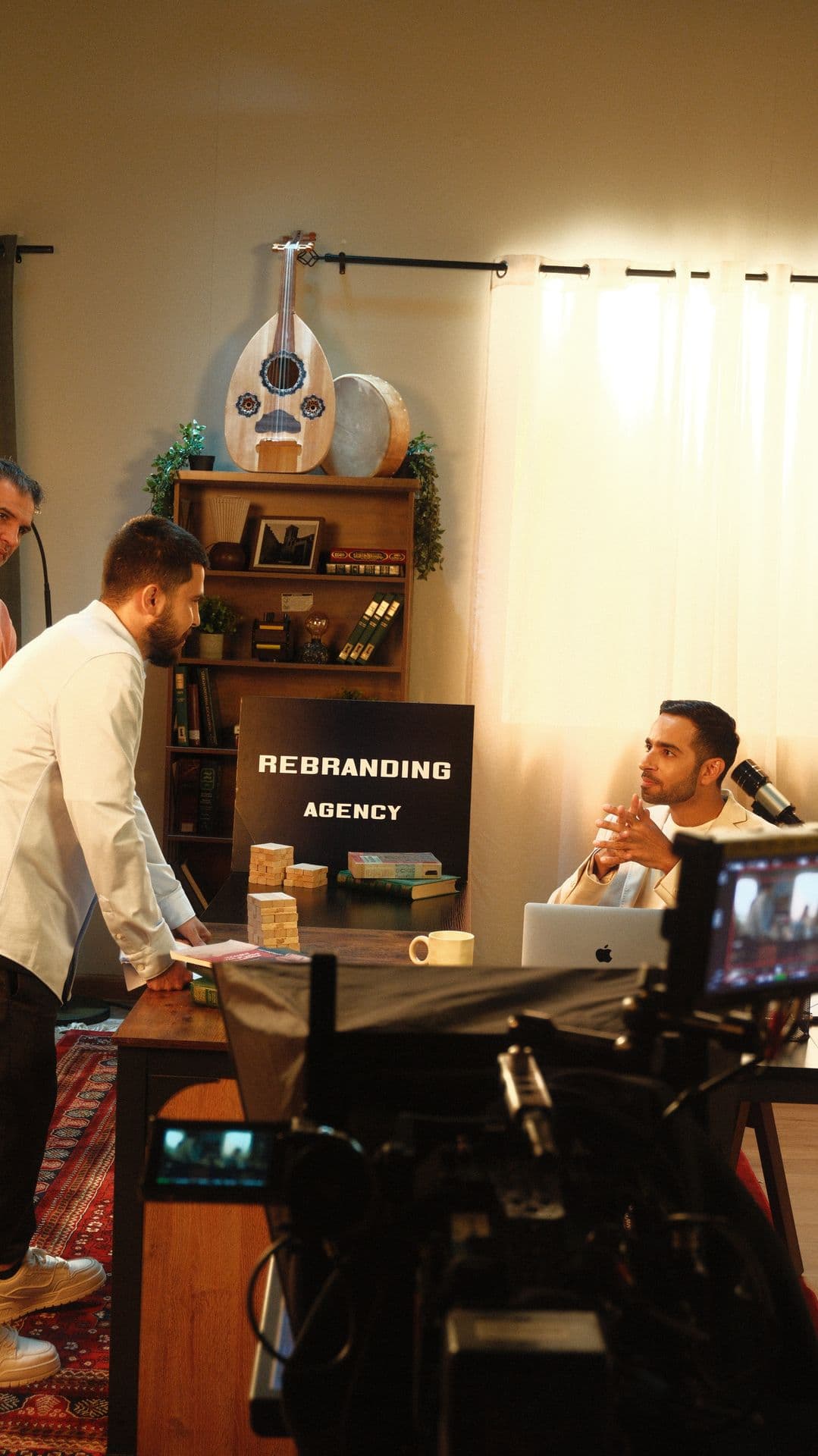
Not every project needs a documentary, and we would rather say so. A policy update for staff, a recruitment campaign or a service announcement is better served by a corporate video: shorter, faster and focused on one outcome. Some institutions commission both, a documentary as the permanent record and short corporate cut-downs for distribution. That works well when the research is done once, properly, and both formats draw on it.
How to Decide: Questions to Ask Before You Brief a Production Company
Work through these with your team before you approach anyone, whether that is us or another production house offering corporate video in the UAE.
- Who needs to watch this in ten years? If the answer includes archivists, researchers, heritage bodies or future generations, you need a documentary.
- Does the film have to prove anything? A nomination file, a historical claim or a tribute to a person requires verified evidence on screen.
- Is the message fixed, or still to be discovered? A fixed message suits a corporate video. A subject that needs investigation suits a documentary.
- What sources exist? Archives, oral histories, experts and access to locations shape the scale and timeline of the research stage.
- How sensitive is the subject? National identity, religion, elders' testimony and royal or state occasions need cultural review built into the process.
- Where will it be shown? Social feeds favor short corporate edits. Broadcast, museums and official screenings favor long-form craft.
- Who will own and store the archive? Decide this before production so raw footage, interviews and research files are delivered in a usable form.
For a deeper checklist, read our list of questions to ask a UAE heritage documentary maker.
Frequently asked questions
How much does a documentary cost compared to a corporate video in the UAE?
A documentary usually costs more, but the camera is rarely the reason. The difference comes from research time, expert consultation, archival searching and licensing, longer edits and more involved post-production. The clearest way to compare is to ask for a quote that separates research and archival work from shooting days.
Can a documentary still include messaging an institution wants to communicate?
Yes, provided the message is supported by the evidence. In research-first scripting, the institution's priorities shape the questions we ask and the stories we pursue. They are not imposed on top of the film. The result is usually more persuasive because viewers can trust it.
How long does a documentary take to produce compared to a standard corporate video?
A documentary takes longer, mainly because of the discovery and research stages that come before the script. Access to archives, interviewees and locations also affects the schedule, especially for heritage subjects. A corporate video with a fixed message can move straight to scripting and production.
Is a corporate video enough to support a UNESCO nomination file?
Generally not. UNESCO's Operational Guidelines set out quality expectations for the images and audiovisual material in nomination dossiers, and evaluators read the film as evidence of the element itself. A promotional tone or a brand-led structure works against that purpose.
Who typically owns the footage and archive after a documentary is delivered?
Ownership is set by the contract, so agree it in writing before production begins. Institutions commissioning heritage or national-identity work usually want full rights to the finished film and clear terms for raw footage, interviews and research materials. Ask how the archive will be organized and delivered, not only who owns it.
Can one project start as a corporate video and grow into a documentary later?
It can, but it is harder than planning for both from the start. Footage shot for a corporate brief often lacks the interviews, context and archival framing a documentary needs. If a longer film is a possibility, build documentary-grade research and filming into the first phase, then cut corporate edits from that material.
If your institution is weighing up a documentary against a corporate video, talk to Sedrah Stories and start a project built on research first, then the frame.