



Key takeaways
- A single institutional documentary moves through five stages: discovery, research, scripting, production and post-production. Each stage has its own realistic duration, so the honest answer is a sequence of durations, not one fixed number.
- Research and approval cycles, not filming days, usually stretch a UAE documentary timeline. This is especially true for national occasions and UNESCO nomination files.
- A multi-episode series such as Sedrah Stories' 14-plus episode Alwarq series needs a different planning horizon than a single short film.
- Films made for UNESCO files, such as the Wadi Wurayah documentary made for Fujairah's human heritage nomination, carry extra review stages tied to the nomination process.
- The biggest factor in keeping a documentary on schedule is planning the calendar around institutional sign-off points rather than around the shoot date.
The Short Answer: How Long Does It Take to Make a Documentary?
How long does it take to make a documentary in the UAE? There is no single figure. The length depends far more on research and approvals than on filming. At Sedrah Stories, every film goes through the same five stages: research first, then the frame. A single institutional short film is measured in months rather than weeks, and the shoot inside it is often a matter of days. A long-format series runs on a longer horizon again, because research, scripting and review repeat for every episode.
The documentary production timeline in the UAE is shaped by three things the camera never touches:
- Research depth. Heritage and national identity stories must be accurate before they can be beautiful.
- The number of approvers. Every institution, office or committee with a stake in the film needs to sign off.
- Permits and fixed external dates. Filming permits take working days to process, and some files, such as UNESCO nominations, work to deadlines nobody can move.
The rest of this article breaks down where the time goes, stage by stage, and how to plan for it.
The Five Stages and What Each One Adds to the Clock
Our methodology is the same whether the film is a ten-minute tribute or the first episode of a long series. What changes is how much weight each stage carries.
- Discovery: What happens: Defining the story, audience, occasion and stakeholders; What sets the pace: How quickly the client can bring decision-makers together; Relative weight in the schedule: Short, but decisive
- Research: What happens: Archives, interviews, expert consultation, fact-checking; What sets the pace: Archive access, source availability, cultural verification; Relative weight in the schedule: Often the longest stage
- Scripting: What happens: Narrative structure, narration, interview plans; What sets the pace: Number of review rounds and approvers; Relative weight in the schedule: Medium to long, driven by approvals
- Production: What happens: Filming interviews, locations, reenactments, aerials; What sets the pace: Permits, access, weather, light; Relative weight in the schedule: Usually the shortest stage
- Post-production: What happens: Edit, color, sound, graphics, subtitles, delivery; What sets the pace: Number of review rounds and final sign-off; Relative weight in the schedule: Medium to long, driven by approvals
Discovery: Framing the Story Before Anything Is Filmed
Discovery is where we agree on what the film is for. Who will watch it, on what occasion, and what should they understand when it ends? We map the stakeholders, gather what the institution already holds and define the scope. This stage is short on paper, but skipping it is the most common reason later stages run over.
Research: The Stage Most Timelines Underestimate
Research is where a heritage film earns its credibility. It means reading archives, locating photographs and early footage, speaking to historians and elders, and checking every date, name and place against more than one source. For stories about national figures or intangible culture, research also means confirming that the framing respects the country's values and the community the story belongs to. Archives answer at their own pace, and the right interviewee may be available only on certain dates. This is why research so often becomes the longest stretch of the calendar.
Scripting: Building the Narrative and Getting It Approved
The script turns research into a story: structure, narration, interview questions and visual plan. Writing it is one part of the work. Getting it approved is the other. Institutional scripts usually pass through several readers, and each round of comments needs to be reconciled before the next draft. Where a project involves a scripted screenplay or dramatized sequences, federal clearance may also apply. The National Media Authority's script and screenplay approval permit covers cinematic and television series scripts and lists a service delivery time of 5 working days.
Production: The Shoot Itself Is Usually the Shortest Stage
Clients are often surprised by how little of the calendar the shoot takes. With research locked and the script approved, filming is a matter of execution: interviews, locations, archival recreations, aerial sequences. The variables here are practical ones. Permits, access, weather and the quality of light in the UAE's summer months all affect when and how we film.
Post-Production: Edit, Review Rounds and Final Sign-Off
Post-production covers the edit, color grading, sound design, music, graphics, subtitles in Arabic and English, and final delivery in the formats the client needs. As with scripting, the craft takes time, but review rounds take more. A rough cut, a fine cut and a final cut may each go to several stakeholders. The schedule depends on how many rounds are planned and how quickly feedback arrives.
Where Government and Institutional Approval Slows the Schedule
Generic production guides treat approval as a single step at the end. For government and semi-government documentaries in the UAE, research and approval time is built into almost every stage.
Multiple Stakeholders Mean Multiple Review Rounds
An institutional film rarely has one approver. A department head may review the script, a communications office may review tone, and senior leadership may give final sign-off on the cut. Each layer has its own calendar. When feedback from one reviewer changes the narrative, earlier approvals may need to be revisited. We plan for this by agreeing on the review chain in discovery: who sees what, in what order, and who has the final word.
Heritage and National Occasion Content Gets Extra Scrutiny
Films about national figures, founding history or intangible heritage carry weight beyond the institution that commissions them. They speak for the country. That means more careful fact-checking, more consultation with subject experts and, often, more senior review. Permits also apply. In Abu Dhabi, the Creative Media Authority's ground filming permit lists a service duration of up to 15 working days and notes that it may take longer due to external approvals. At federal level, the National Media Authority's ground filming permit lists 5 working days.
UNESCO Nomination Files Add Their Own Review Cycle
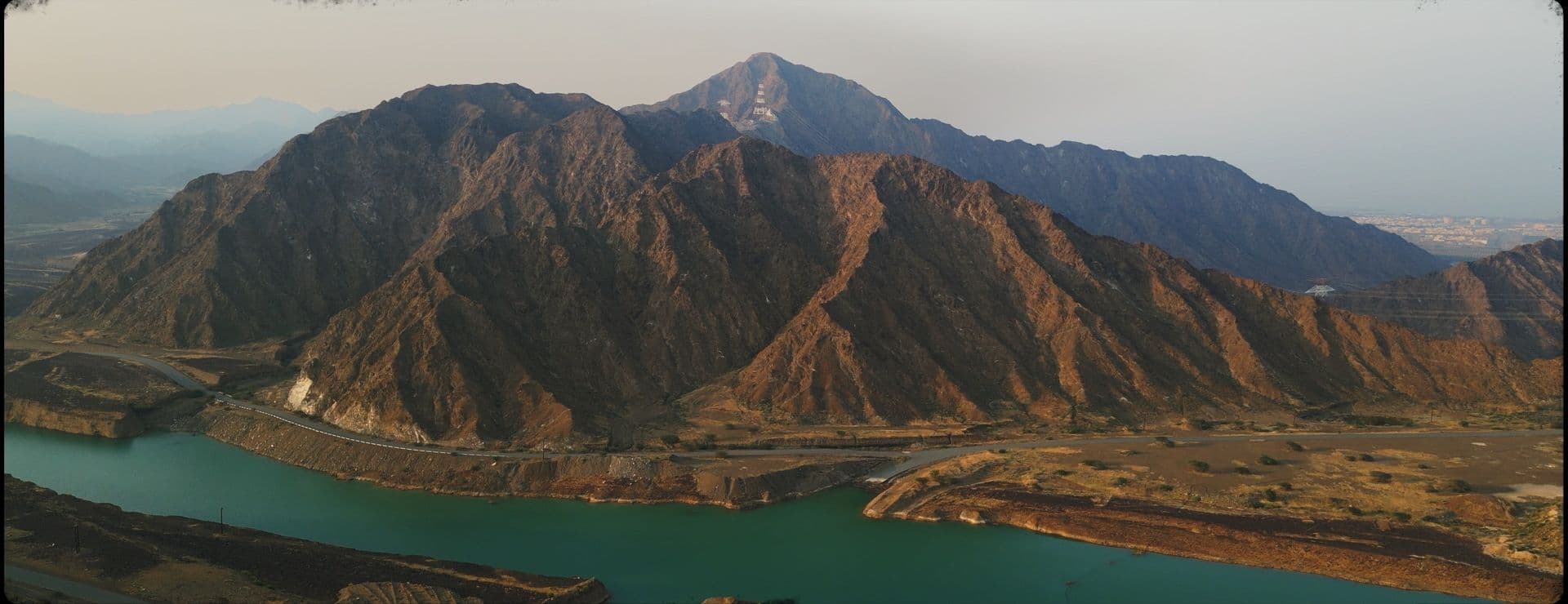
A documentary made for a UNESCO file is part of a larger dossier, and it must serve that dossier's argument. Our Wadi Wurayah documentary was made for Fujairah's UNESCO file, which was successfully nominated as human heritage. Films of this kind answer to the nomination team as well as the commissioning body, and they work to fixed international dates. For the 2027 cycle, for example, UNESCO set the nomination deadline at 31 March 2026 for inscription on the Intangible Cultural Heritage lists. The film has to be finished, reviewed and approved well before the dossier itself is due, so the real deadline for the documentary sits earlier than the official one.
Why a Single Short Film and a Multi-Episode Series Have Different Timelines
The five stages stay the same. The way they stack on the calendar changes with the format.
- Single institutional short film: How the stages run: Once, in sequence; What drives the timeline: Research depth and approval rounds
- Long-format series: How the stages run: Repeated per episode, often overlapping; What drives the timeline: Volume, consistency and release rhythm
- Access-driven shoot: How the stages run: Production shaped around people and events; What drives the timeline: Subject availability and real-world timing
A Single Institutional Short Film
A single film runs through discovery, research, scripting, production and post once. The schedule is linear, and the main variable is how many approval rounds sit inside it. For a short tribute or institutional film, the bulk of the time goes into getting the story right and signed off, not into filming.
A Long-Format Series Told Across Many Episodes
A series is a different planning problem. Alwarq, our 14-plus episode long-format series, is an ongoing series made to convey knowledge in a light format by summarizing books. A series like this needs a format that holds across every episode: a consistent visual language, narration style and structure. Long-format documentary work of this kind generally runs stages in parallel, with one episode in research while another is in the edit. The planning horizon is measured across the whole run, not per film, and approvals need a rhythm that keeps pace with production.
A Documentary Shoot Built Around Access, Not a Script
Some films are shaped by what happens in front of the camera. One example in our portfolio is a documentary shoot built around a motorcycle riding community: their workshop, their rides through the city and the desert, and the conversations in between. With observational work of this kind, the schedule generally follows the subjects' lives rather than a shot list. Research and discovery still matter, but production becomes more open-ended, and the narrative is often found in the edit.
What Stretches a Documentary Timeline Beyond the Plan
A UAE documentary production schedule built on the five-stage baseline can still run long. These are the factors worth naming at the start.
Archival Research and Rights Clearance
Historical photographs, early broadcast footage and private family collections are often what make a heritage film. They are also slow to obtain. Archives may need formal requests, owners may need to be traced, and usage rights must be cleared before material appears on screen. Starting archival requests during discovery, not after scripting, saves weeks of waiting later.
Shooting on Film Instead of Digital
On some projects we shoot entirely on film, with no digitalization. Film brings a texture and permanence that suits legacy and heritage stories, but it changes the workflow. Stock must be sourced, takes are planned more deliberately, and processing and scanning add steps between the shoot and the edit. The choice is creative first, and we build its extra steps into the calendar from the outset.
Access to Interview Subjects and Locations
The most important voices in a heritage film are often senior figures, elders or specialists whose time is limited. Locations may be protected sites, working facilities or remote terrain. Aerial sequences require a separate federal clearance: the National Media Authority's aerial photography permit covers filming on land, in the air or at sea, and it should be requested well ahead of the shoot. Each of these dependencies can move a shoot date, so we confirm them before the date is fixed.
How to Build a Realistic Schedule From the Start
Good documentary schedule planning starts before a brief is issued. Three habits make the difference.
Start From the Occasion or Deadline and Work Backward
If the film must premiere on a national occasion, that date is fixed. Work backward from it: final delivery, final sign-off, review rounds on the cut, the edit, the shoot, script approval, research, discovery. The result shows how early work needs to begin, and it holds for any fixed-date production, not only national occasions.
Lock Research Before Locking a Shoot Date
It is tempting to book the crew first. Resist it. A shoot date set before research is complete often means filming the wrong things, or filming twice. Once research is settled and the script approved, the shoot can be scheduled with confidence, and permits can be applied for with the full plan in hand.
Build Approval Rounds Into the Calendar, Not Around It
Treat each review round as a scheduled stage with its own dates, not as a pause between stages. Agree in advance how many rounds there will be for the script and the cut, who reviews at each round, and how long each reviewer has. When approvals are on the calendar, everyone can see where the time goes and the schedule holds.
Related: What the discovery stage actually involves · Documentary filming permits in Abu Dhabi and the UAE · Planning timeline for a UAE National Day film
Frequently asked questions
How far in advance should we start planning a documentary for a UAE national occasion?
As early as possible, and always before setting a shoot date. Work backward from the occasion, allowing time for research, script approval, permits, filming and several rounds of review on the cut. National occasion films carry extra scrutiny, so approval rounds should be generous.
Can a documentary production schedule be compressed for an urgent deadline?
Some stages can run in parallel, such as starting permit applications during scripting or beginning the edit while later material is still being filmed. What cannot be compressed safely is research accuracy or the institution's own review process. The fastest way to save time is to agree on a short, clear approval chain from the start.
How long does it take to get filming permits in Abu Dhabi?
The Creative Media Authority lists a service duration of up to 15 working days for its ground filming permit in Abu Dhabi, and notes it may take longer due to external approvals. Federal ground filming permits through the National Media Authority list 5 working days. Aerial filming needs a separate federal permit, so it should be requested well ahead.
Does shooting on film add time to a documentary production schedule?
Yes. Film adds sourcing, processing and scanning steps that digital capture does not require, and it calls for more deliberate planning on set. We shoot on film when the story calls for it and build those steps into the schedule from the beginning.
How many episodes can a documentary series produce in a year?
It depends on episode length, research depth, the number of locations and how quickly approvals return. A series moves faster when its format is settled early and episodes run through stages in parallel. We set the episode rhythm with each client during discovery, based on the story and the release plan.
Ready to map a realistic schedule for your documentary, from first research to final cut? Get in touch with Sedrah Stories to talk through your timeline before you set a shoot date.