


Key takeaways
- At Sedrah Stories, behind-the-scenes production runs as a separate unit alongside the main documentary crew. It is not an afterthought captured on a phone.
- A single shoot day covers setup, the conversations that happen between takes, and the people and process behind a national occasion.
- BTS footage and the main documentary belong to different archives. One is the finished narrative. The other is the record of how that narrative was made.
- Institutions often reuse BTS material for internal archives, social content, and donor or stakeholder reporting long after the main film has premiered.
- Planning BTS capture during Discovery, not adding it during Production, protects access to moments that only happen once.
What Behind-the-Scenes Video Production Covers for UAE Institutions
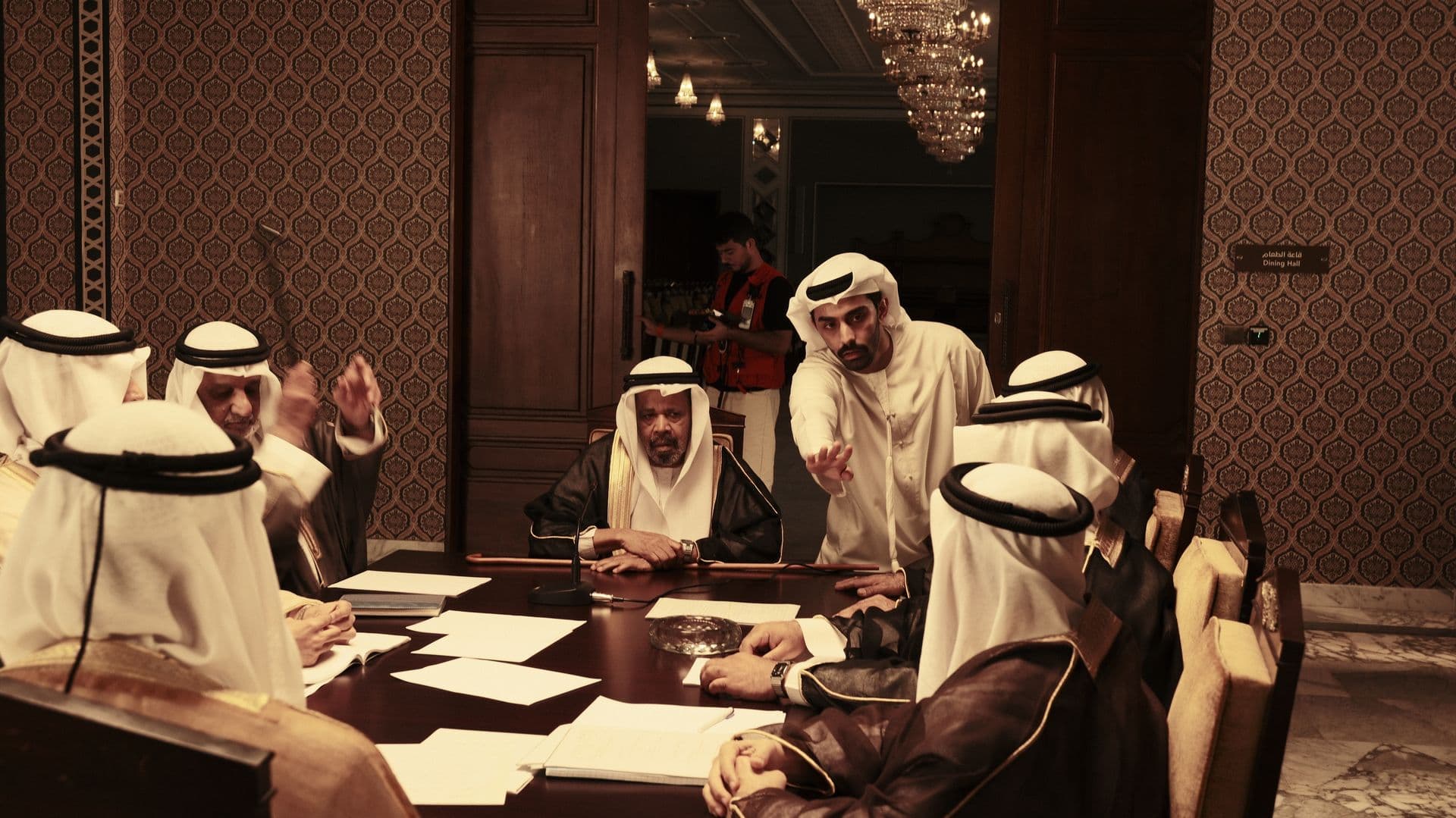
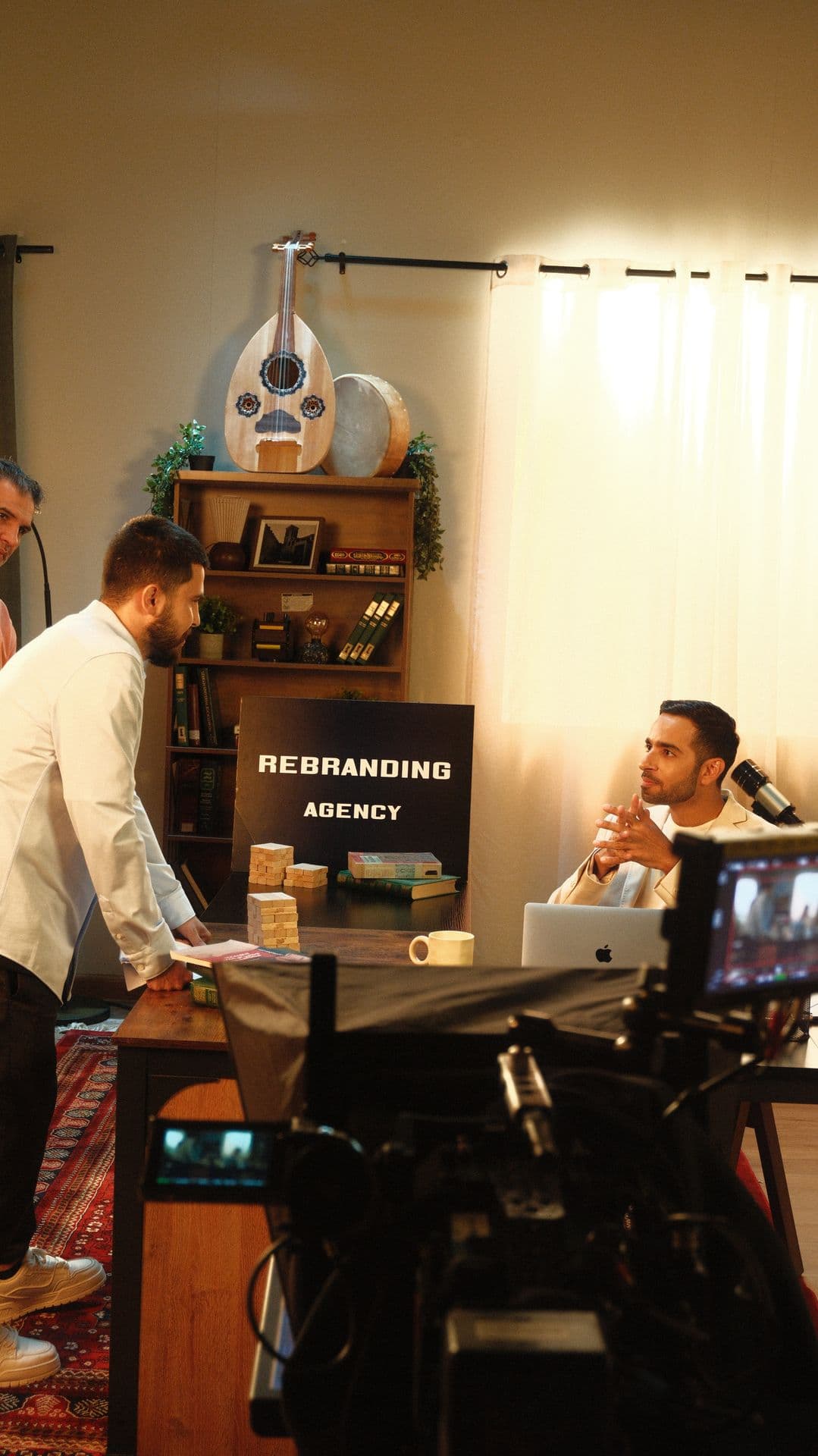
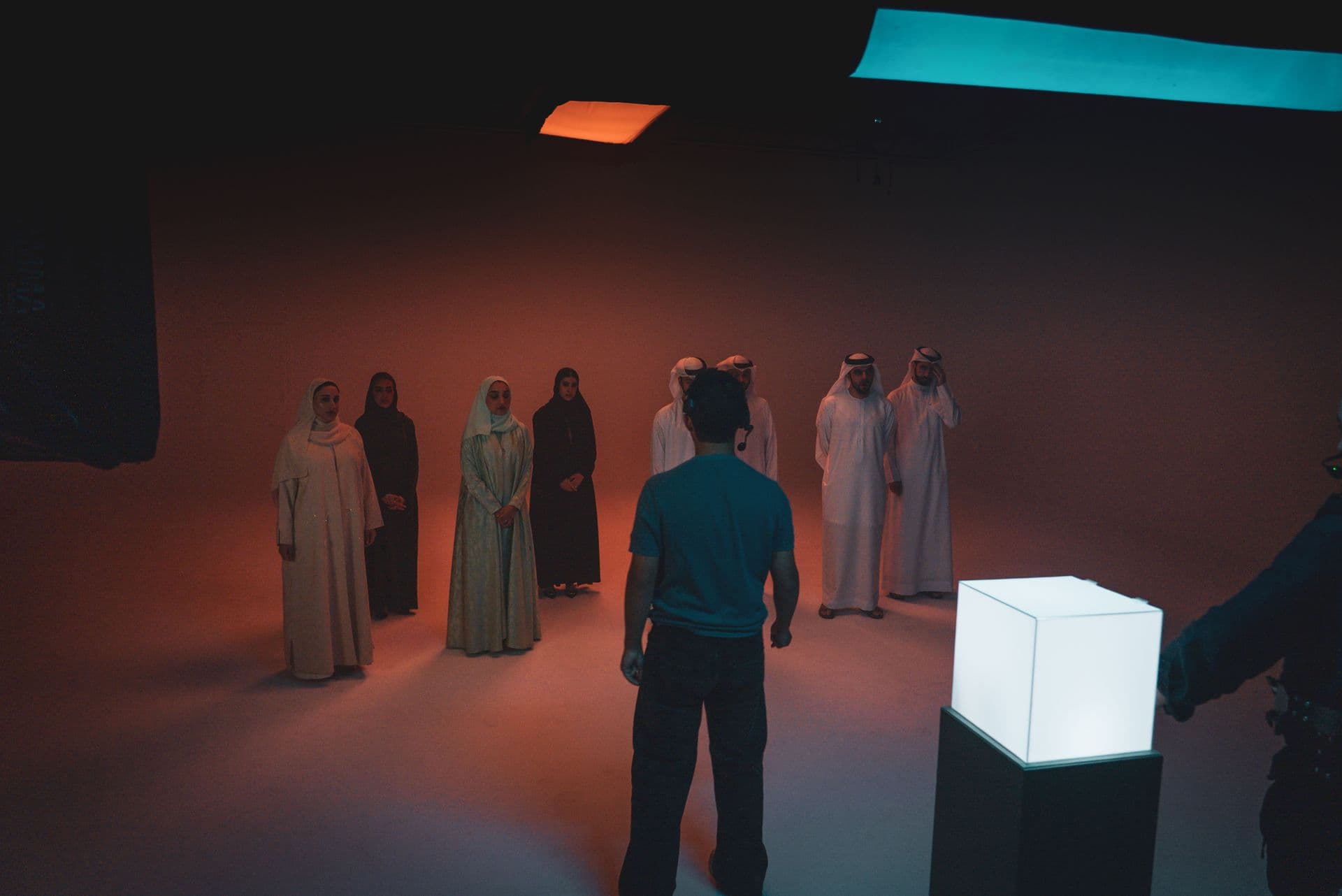
Behind the scenes video production in the UAE, done properly, is the filmed record of how an institutional documentary gets made. At Sedrah Stories, we treat it as its own production. It has its own crew, its own shot plan, and its own archive. It covers the rigging of lights in a heritage house before dawn, the elder who pauses between takes to tell a story the main camera never asked for, and the director walking a site with the institution's team. It records the craft, the logistics and the people.
Government bodies, semi-government institutions, media offices and cultural foundations commission it. They do so because a national documentary is rarely just a film. It is an event in the life of the institution, and the institution wants a record of that event.
The distinction from main footage matters. The main documentary is shaped by a script, built through research, and cut to a narrative. Everything in it serves the story on screen. BTS footage serves a different purpose. It answers how the film was made, who made it, and what it took. It sits closer to a working archive than a finished film, and it has to be shot with that in mind from the start.
Across the documentaries we have produced for UAE institutions, the principle holds. Research first, then the frame, and a second frame that watches the first.
When an Institution Needs a Dedicated BTS Unit, Not Just a Second Camera
A second camera on the main crew is useful. It gives the editor coverage, alternate angles and cutaways. But it is pointed at the story. A dedicated BTS unit is pointed at the making of the story, and its operator answers to a different brief. Three situations tend to call for one.
National Day events and one-time ceremonies
Some moments do not repeat. A National Day tribute, a commemoration, an inauguration, a ceremony with senior officials present. The main crew will be fully committed to capturing the occasion itself. Nobody on that crew has time to film the rehearsal, the preparation of the venue, the protocol briefing, or the faces of the team in the minutes before it begins.
When national occasion filming in the UAE carries this weight, the record of how it came together has value of its own. A BTS unit captures it once, because there is only one chance.
Multi-day shoots with limited access to subjects
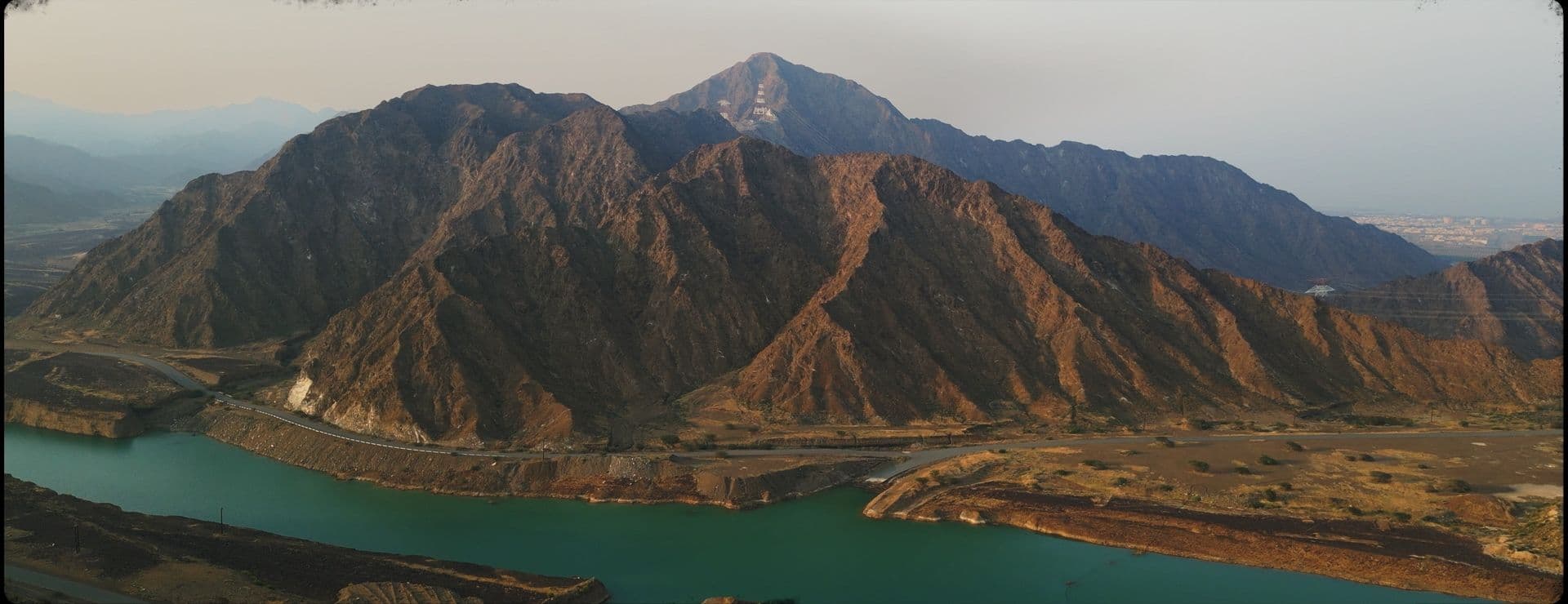
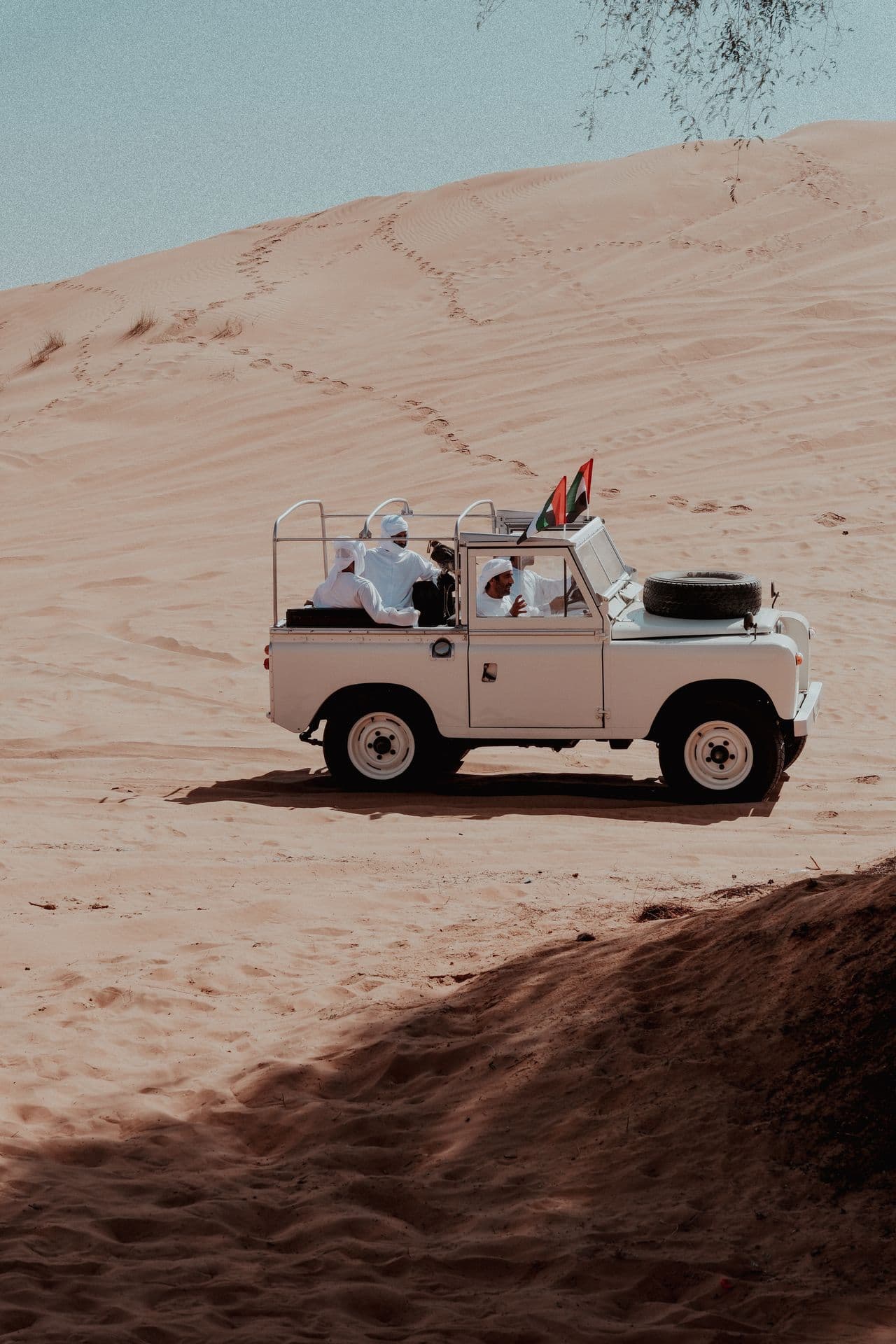
Heritage and intangible-culture projects often depend on people whose time is scarce: craftspeople, poets, falconers, elders who hold oral histories. Access may be granted for a few days and not again.
In these shoots, the most revealing material often happens off script. A craftsman corrects how a tool is being held. A family gathers to watch an interview. A BTS crew working in parallel can capture these moments without interrupting the main crew's schedule or asking the subject for more time.
Projects that will need social or archival spin-off content later
If the institution's media office will want short pieces for social channels, or the archive team will want documentation of the project, that need should be named early. Main documentary footage is often restricted until premiere and cut for a single narrative. BTS footage can be shot specifically for reuse, with its own framing, sound and logging. Any institutional video production with a long public life benefits from a parallel record built for that purpose.
What a BTS Crew Actually Does on a Shoot Day
The work is quieter than the main production, but it is planned just as carefully.
Setup and rigging before the main crew rolls
The BTS unit usually arrives with the main crew or before it. It films the location waking up: equipment unloaded, lights rigged, a set dressed with objects from a collection, the director and cinematographer blocking a scene. On productions shot on film, it records the loading of magazines and the handling of stock, a process most audiences never see.
Before any of this, permissions are settled. Every crew on site needs to be covered, and our guide to filming permits in Abu Dhabi and the UAE explains the process in detail. At the federal level, a ground filming permit application must state the purpose of filming, the exact start and end dates, and the locations to be filmed. If the BTS unit brings additional equipment from abroad, the UAE Media Council is also the body that grants permits to import photography and filming equipment.
Capturing the moments between takes
This is the heart of the work. Between takes, people relax. They talk. A subject rehearses a line, laughs at a mistake, or offers a memory unprompted. The BTS operator stays out of the main frame and out of the main crew's path while watching for these moments.
Placement matters. On approved locations in Dubai, for example, a production may only film in the specified areas and for the specified time periods approved by the authority, and must take precautions for safety and security. A BTS unit works inside the same approved footprint and timetable as the main crew. It cannot wander off to film something else.
Interviews with the people making the film, not just the subjects on camera
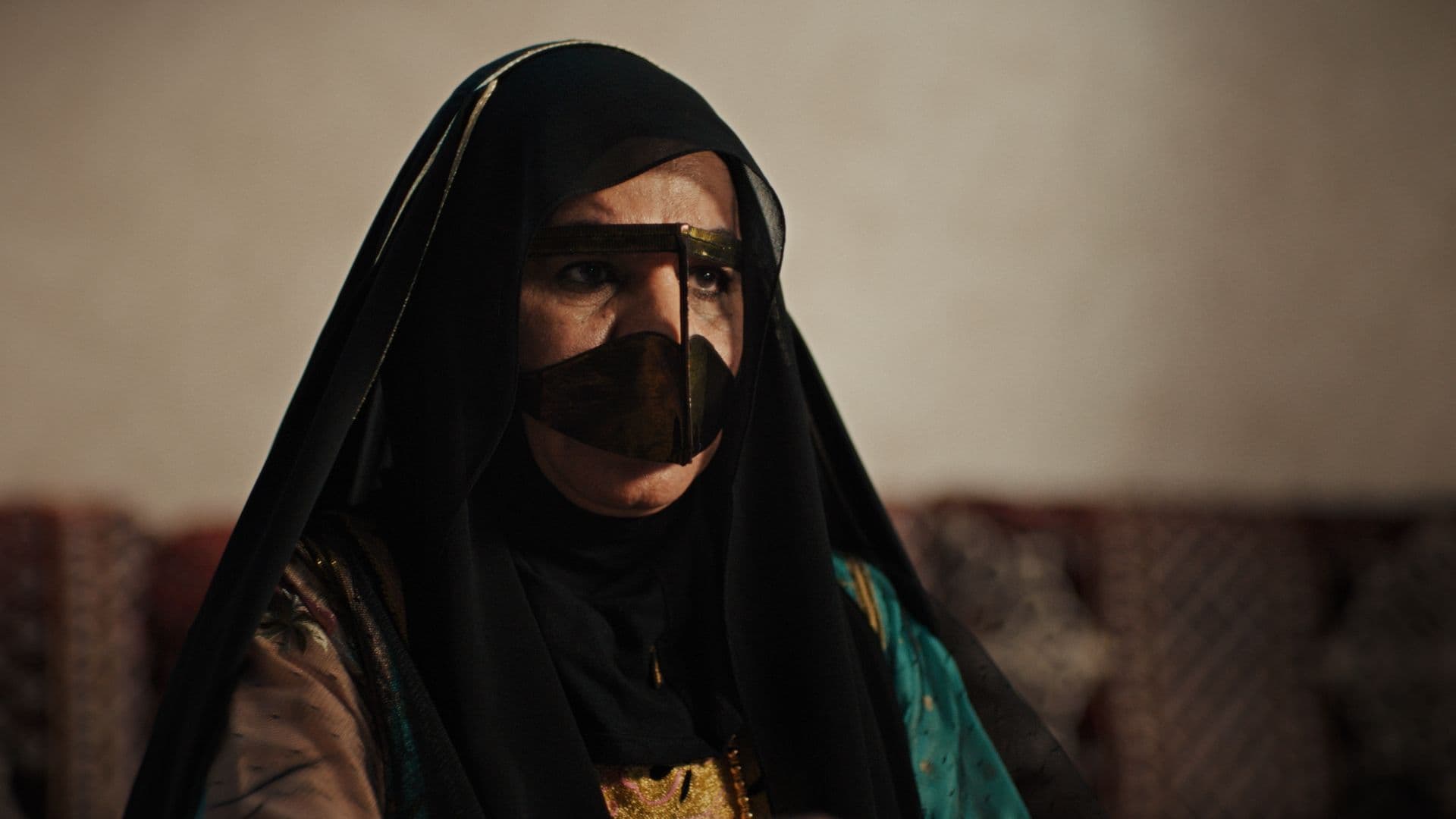
A documentary crew in the UAE is made up of researchers, directors, cinematographers, sound recordists, fixers and the institution's own staff. Their perspectives rarely appear in the finished film. The BTS unit records short interviews with them: why a location was chosen, what the research uncovered, what a particular scene means to the people who built it.
For the institution, these interviews become part of its own story. They document the intent behind the project in the words of those who carried it out.
Wrapping and logging footage for later use
At the end of the day, footage is backed up and logged. Each clip is tagged with date, location, people on screen and the scene it relates to. This step decides whether the material can be found and reused months or years later. Unlogged behind-the-scenes footage is effectively lost, however good it is.
BTS Footage vs the Main Documentary: Different Purpose, Different Archive
Institutions sometimes treat the two as one body of material. They are not. They serve different audiences, live in different archives and have different lifespans.
- Purpose: Main documentary: Tells the story the research uncovered; BTS footage: Records how the story was made
- Shaped by: Main documentary: Research, script and edit; BTS footage: Shot plan agreed during Discovery
- Audience: Main documentary: Public, broadcast, festival or official screening; BTS footage: Internal teams, media office, stakeholders
- Form: Main documentary: Finished, graded, scored film or series; BTS footage: Raw and lightly edited clips, interviews, short pieces
- Release timing: Main documentary: Premiere date, often under embargo; BTS footage: Before, during or after premiere, as agreed
- Archive home: Main documentary: Final masters and deliverables; BTS footage: Working archive of the project
- Lifespan: Main documentary: Fixed once released; BTS footage: Reused and recut over years
A documentary archive in the UAE should hold both, filed separately and labeled for what each is. Mixing them makes both harder to use.
How Institutions Reuse BTS Content After the Shoot Wraps
The value of BTS material is mostly realized after the premiere. That downstream use is often what decides whether an institution commissions it at all.
Internal archives and institutional memory
Institutions change. Teams rotate, leadership moves on, and the reasons behind a project fade. A well-logged BTS archive keeps them. It shows who was involved, what was decided, and how a sensitive national subject was handled on the ground.
For heritage nominations, this record can carry real weight. UNESCO's nomination format asks dossiers to present the facts that support the argument that a property meets the criteria of Outstanding Universal Value and the conditions of integrity or authenticity. Footage that accompanies such a file has to be evidential, not promotional. A careful record of fieldwork, sites and practitioners can support that standard. When institutions later combine BTS material with older holdings, the same care applies to sourcing and rights for archival footage.
Social and media office content
Media offices need a steady flow of material around a major release. Teasers built from the main film are limited by embargo and by the edit itself. BTS footage fills the gap: a short piece on the making of a scene, a profile of a craftsperson, a look at the research. This kind of heritage video content in the UAE builds attention before a premiere and keeps the project visible afterward.
Stakeholder and donor reporting
Foundations, sponsors, partner entities and leadership often want to see the work, not just the result. BTS footage shows where resources went and how the project was carried out. It turns institutional archive footage into a record that can be shown in a board meeting, an annual report presentation or a partner briefing.
Building BTS Capture Into the Five-Stage Documentary Process
Every film we make goes through the same five stages: Discovery, Research, Scripting, Production and Post-production. BTS capture fits into that documentary production process from the start. It is not bolted on at the end.
Why BTS planning starts at Discovery, not on set
The Discovery stage of a documentary is where we learn what the institution needs, who the audiences are, and what the project means. That is the moment to ask how the BTS footage will be used. Will it feed social channels, an archive, a nomination file, a stakeholder report? Each use changes what gets filmed and how.
Discovery is also where access is secured. Permit applications name the purpose, dates and locations of filming, so a separate unit has to be part of the plan from the start. Subjects and site custodians need to know that a second team will be present. Rights to the footage need to be agreed in writing. If any of this is left until Production, moments that only happen once can be lost to a missing permission.
What changes once production begins
During Production, the BTS unit works to its own shot plan. It moves within the same approved locations and schedules as the main crew and coordinates daily with the director so the two teams do not cross frames. Research continues to shape the work: knowing the cultural weight of a ritual or an object tells the BTS operator what deserves attention and what must stay off camera.
In Post-production, the two archives separate. The main footage goes into the edit. The BTS footage is logged, graded where needed, and delivered as a structured archive with any agreed short pieces.
Frequently asked questions
Who owns the rights to behind-the-scenes footage once a project ends?
Ownership is set by the production agreement, so it should be settled in writing before filming starts. We agree rights to BTS footage during Discovery, alongside the main documentary, so the institution knows exactly what it will hold and how it can be used. Consent from people who appear on camera is part of that agreement.
How much BTS footage should an institution expect from a single shoot day?
The volume depends on how long the main crew is on location and how many people are involved. What matters more than the amount is how it is logged: footage tagged by date, location and people on screen is footage that can actually be found and reused later.
Can BTS content be released before the main documentary premieres?
Yes, if the institution and its media office agree. BTS pieces are often used to build attention ahead of a premiere, as long as they do not reveal what is under embargo in the main film. We plan which material is cleared for early release during Discovery.
Does behind-the-scenes footage need the same filming permits as the documentary itself?
Yes. In Dubai, for example, filming permits cover all content formats, including documentary and short-form work, so a BTS unit falls under the same regime as the main production. Federal permit applications also specify the purpose, dates and locations of filming, which is why the BTS unit must be included from the start.
Is BTS production billed separately from the main documentary?
It is scoped as its own part of the project because it has its own crew, equipment and deliverables. We set it out clearly in the proposal so the institution can see what the BTS unit covers and decide on its scope alongside the main film.
If your institution is planning a national occasion or heritage project and wants the behind-the-scenes record done properly, start a project with Sedrah Stories. We will begin where every film begins: with Discovery.