





Key takeaways
- UNESCO nomination film cost depends mainly on research depth, archival rights clearance and the number of shoot locations, not on running time alone. At Sedrah Stories, these are the first three things we examine when we scope a file.
- Research and scripting take a larger share of a nomination film budget than they would on a standard institutional documentary, because the file rests on verified, cross-checked claims.
- Archival footage, oral history interviews and access to protected heritage sites each add costs that a generic corporate video budget never has to carry.
- Shooting on film rather than digital, as we do on certain projects, changes the cost structure of production. Decide it early, not after the script is locked.
- Our five-stage process (Discovery, Research, Scripting, Production, Post-production) shows an institution exactly where its nomination film budget goes.
What Actually Determines UNESCO Nomination Film Cost
A UNESCO nomination film costs what it takes to gather, verify and show its evidence. At Sedrah Stories we do not quote one figure for every file, because the running time is close to fixed while the work behind it changes from element to element. UNESCO's call for proposals on the treatment of audiovisual materials describes handling approximately 66 ten-minute videos per cycle, each an overall presentation of the nominated element. Two films of the same length can sit at very different budgets.
The film is also one deliverable among several. A Representative List nomination includes a nomination Form ICH-02, evidence of consent from the communities concerned, an extract of the inventory, ten photos and a video (UNESCO, 2025 examination of nominations). The film has to agree with every other part of the file. That alignment is where most of the cost sits.
Research depth and source verification
A nomination film makes claims about a living practice: who carries it, where, how it is passed on and what it means to its community. Each claim needs a source the evaluators can trust. A well-documented element with existing inventory records and published scholarship needs less original research. An element held mainly in memory, in a few families or in one locality, needs fieldwork, interviews and cross-checking before a single frame is planned.
Number of locations and travel
Each location adds a recce, permissions, crew travel, accommodation and shoot days. An element practiced in one village is a contained production. An element shared across several emirates, or across borders in a multinational file, multiplies every line of the schedule. Protected heritage sites add access conditions of their own, which we cover below.
Length and structure of the final film submission
Accepted films stay close to ten minutes. The Peruvian ceviche nomination logged its film at 10:00, and the "La Zaffa" nomination logged its film at 10:13. Ten minutes is short. It means every scene has to carry evidence, and the edit has to be built around the criteria rather than around the footage that happens to be most striking. A tightly structured short film takes more editorial time per minute than a loose long one.
How the Five-Stage Process Maps to the Budget
Every film goes through the same five stages: research first, then the frame. For a nomination file, that order is the budget. Money spent early in Discovery and Research prevents money lost later to reshoots and re-edits.
Discovery and scoping
Discovery defines the element, the communities involved, the criteria the film must support and the deliverables the wider file requires. It is the cheapest stage and the one that sets every later cost. Our guide to what to expect from the discovery stage explains how we run it.
Research and verification
Research is where a nomination film departs from most heritage documentary pricing in the UAE. It covers literature and inventory review, archive searches, identifying practitioners and custodians, and pre-interviews. Every fact that will appear on screen is traced to a source before scripting begins.
Scripting against the nomination criteria
The script maps each sequence to what the file needs to demonstrate. Our approach to scripting against verified research means the script is checked against sources and the written nomination form, not just for flow. Script approval rounds with the commissioning body belong in this stage's budget.
Production and post-production
Production covers crew, equipment, locations, travel and shoot days, plus the choice of format. Post-production covers the edit, color, sound, subtitles, archival integration and delivery in the format the file requires.
- Discovery: What it covers on a nomination film: Defining the element, communities, criteria and deliverables; Main cost drivers: Number of stakeholders, number of communities involved
- Research: What it covers on a nomination film: Source review, archive searches, practitioner identification, pre-interviews; Main cost drivers: How documented the element already is, languages, fieldwork
- Scripting: What it covers on a nomination film: Structuring ten minutes against the criteria, aligning with the written file; Main cost drivers: Review rounds, translation, expert checks
- Production: What it covers on a nomination film: Filming practitioners, sites and practices; Main cost drivers: Locations, travel, site access, film or digital, seasonal timing
- Post-production: What it covers on a nomination film: Edit, color, sound, subtitles, archival integration, delivery; Main cost drivers: Archival licensing, subtitle languages, revision rounds
UNESCO Nomination Films vs Standard Heritage Documentaries: Where the Cost Differs
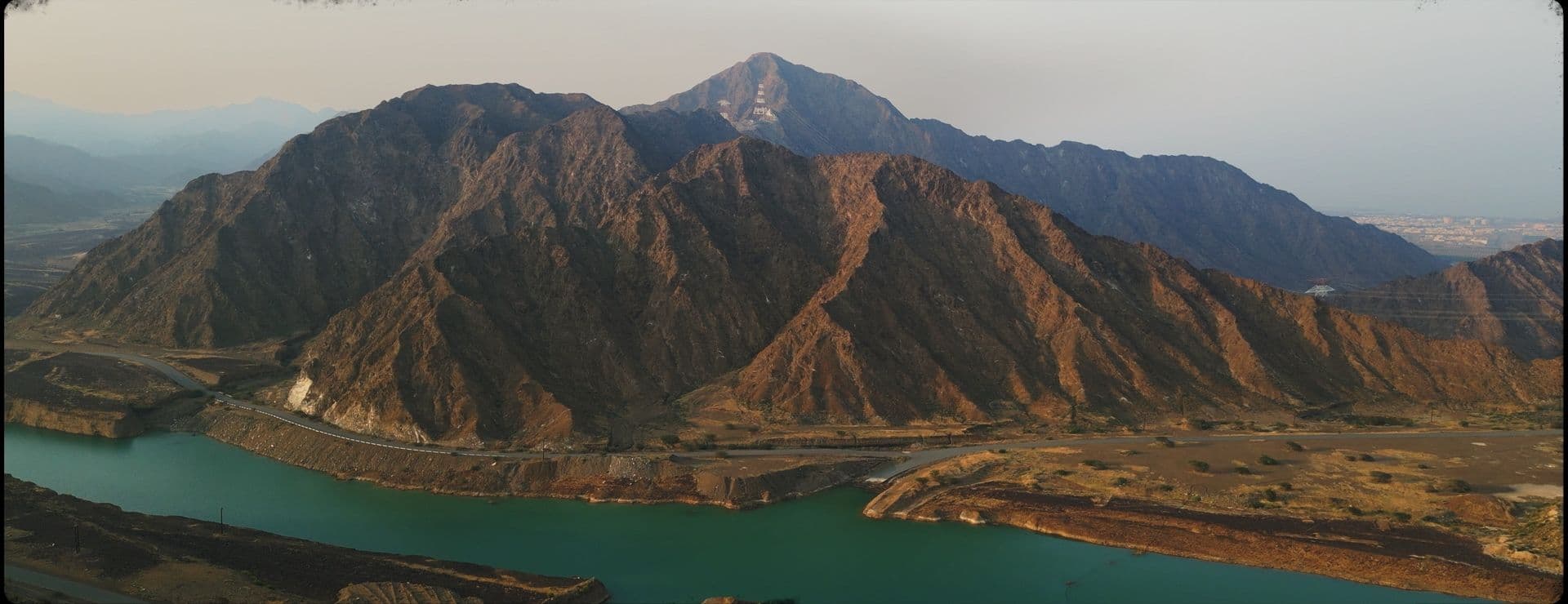
A standard heritage documentary and a nomination film can look similar on screen. Their purposes are different, and the cultural nomination film cost reflects that difference. A heritage documentary is made for an audience. A nomination film is made for evaluators, as evidence inside a formal file. We made the documentary for Fujairah's UNESCO file on Wadi Wurayah, which was successfully nominated as human heritage, and the brief for that kind of film is evidence first.
- Primary audience: UNESCO nomination film: Evaluators reviewing a formal file; Standard heritage documentary: Public, broadcast, museum or institutional audiences
- Running time: UNESCO nomination film: Close to ten minutes, set by the format; Standard heritage documentary: Set by the platform and the story
- Evidence standard: UNESCO nomination film: Every claim traceable and consistent with the written file; Standard heritage documentary: Accurate, with more room for interpretation
- Community consent: UNESCO nomination film: Documented, dated and submitted with the file; Standard heritage documentary: Standard releases and permissions
- Sign-off: UNESCO nomination film: Commissioning body, experts and communities, aligned with the file; Standard heritage documentary: Usually the commissioning body
- Flexibility after approval: UNESCO nomination film: Low; changes must match the form; Standard heritage documentary: Higher; the film stands alone
Evidence requirements
A heritage documentary can suggest. A nomination film has to show. If the film says a practice is transmitted between generations, the evaluators should see that transmission and hear it from the people involved.
Review and sign-off stages
Consent is a formal deliverable. Files for the 2022 cycle record separate dated consent evidence, such as consent from communities submitted in English and Japanese on 29 March 2021 (UNESCO, 2022 examination of nominations). Building consent and review into the schedule takes time and coordination, and that belongs in the budget from day one.
Archival and expert input
Nomination films frequently draw on historical material to show continuity, and on scholars or custodians to confirm what is on screen. Both add research hours and licensing lines that a general documentary may not need.
Where Costs Rise: Research, Archival Rights and Format Choices
Three areas move a UNESCO nomination film budget more than any others. Each is predictable if it is planned for.
Archival footage and rights clearance
UNESCO asks for audiovisual material with consent to use it (UNESCO). Any archival clip, photograph or recording in the film needs clear rights for that use. Costs come from searching, from licensing fees set by the holders, and from tracing ownership where records are incomplete. Our guide to sourcing and clearing archival footage covers the process in detail. Clearing rights before the edit is cheaper than replacing a cleared-in-theory clip after picture lock.
Oral history interviews with elders and custodians
For intangible heritage, the people who hold the practice are the evidence. Interviews with elders and custodians need careful preparation: introductions through trusted community members, time to build trust, interpretation where needed, and transcription and translation afterward. These interviews cannot be rushed, and the schedule should allow for them to happen on the participants' terms.
Shooting on film versus digital
On some projects we shoot entirely on film, with no digitalization. Film changes the cost structure: stock, processing and scanning replace much of the digital data workflow, and the shooting ratio has to be planned more tightly. It also affects how a crew works on location. Because the format shapes the shot list and the schedule, it should be decided during Discovery or Research. Our article on choosing between film and digital for a heritage project sets out the trade-offs.
How to Budget for a UNESCO Nomination Film Without Overspending
Controlling unesco nomination film cost is mostly a matter of sequence. Decisions made in the right order cost less than the same decisions made late.
Lock the research scope before scripting
Agree on which aspects of the element the film will evidence, which communities will appear and which sources the claims rest on. A script written before the research is settled will be rewritten, and every rewrite after production begins carries a shoot cost.
Decide locations and access early
Confirm locations, permissions for protected sites and any seasonal timing while the script is still flexible. Many intangible practices happen at particular times of year. Missing the window can push filming back by a full cycle.
Plan post-production around the file's submission format
Start from the deliverable: close to ten minutes, subtitled, consistent with the written form, with consent for all material documented. Planning post-production backward from that format keeps the edit focused and stops the team from cutting a long version that nobody needs.
Questions to Ask Before You Request a Quote
A clear first conversation produces a clear estimate. These are the questions we would want any institution to bring.
Questions about scope and research
- Which element is being nominated, and which criteria must the film support?
- How much existing documentation is there: inventory records, publications, previous films?
- Which communities, practitioners and experts will need to take part?
- Who will review the script, and how many approval rounds are expected?
- Is the written nomination form drafted yet, and will the film be aligned with it?
Questions about access and rights
- Which locations are involved, and do any require special permissions?
- Are there archival materials the institution already holds, and are the rights clear?
- How will community consent be gathered, documented and translated?
- Is there a preference for film or digital, and when will that be decided?
- What is the submission timeline, and are there seasonal events the film must capture?
Frequently asked questions
How long does it take to produce a UNESCO nomination film?
It depends on how documented the element already is, how many locations are involved and whether key practices happen only at certain times of year. Research and consent gathering usually set the pace more than filming does. The safest plan works backward from the submission deadline and leaves room for review rounds.
Who typically commissions and pays for a UNESCO nomination film in the UAE?
Nominations are submitted by national governments, so the film is normally commissioned by the national or emirate-level cultural and heritage bodies preparing the file. Some files are prepared jointly with other countries. Our documentary on Wadi Wurayah, for example, was made for Fujairah's UNESCO file.
Does a UNESCO nomination film need to be shot on film stock rather than digital?
No. The required nomination components are a form, community consent, an inventory extract, ten photos and a video, and nothing in that list calls for film stock (UNESCO). Shooting on film is a creative and archival choice. If you want it, decide early, because it shapes the schedule and the budget.
What length or structure do UNESCO nomination files usually require from the accompanying film?
UNESCO's own documentation describes the overall-presentation videos it reviews as about ten minutes each (UNESCO). Accepted examples include a film logged at 10:00 and another at 10:13. The structure should follow the criteria the file must demonstrate, with the practice, its bearers and its transmission clearly on screen.
Can an existing institutional documentary be adapted for a UNESCO nomination file, or does it need to be made from scratch?
Existing footage can sometimes be used, provided the rights and consent cover this use and the material fits what the file needs to show. A longer documentary rarely cuts cleanly into ten evidence-led minutes without new interviews or sequences. We assess existing material during Discovery and recommend what to keep, what to re-edit and what to film fresh.
If you are preparing a UNESCO nomination file and need a production partner who can scope the research, scripting and filming as one connected process, start a project with Sedrah Stories. Tell us about the element and its communities, and we will come back with a scoped estimate built stage by stage.