

Key takeaways
- Government and semi-government clients in the UAE often ask for proof of production insurance before they grant filming access, especially at heritage or protected sites.
- A standard documentary shoot is usually covered for equipment, public liability and, where relevant, accident cover for cast, crew and contributors.
- Drones, heritage locations and film stock each raise insurance questions that a digital-only studio shoot does not.
- Insurance belongs in the Discovery stage. It should not be added once a shoot date is already set.
- Asking a production company how it insures its own shoots is a fair and useful question when you compare proposals.
At Sedrah Stories, we treat insurance as part of the research, not a form at the end. Documentary production insurance in the UAE is the set of policies that protect a shoot against loss, damage and injury. It covers the cameras and hired gear, the people and property around the set, and the crew and contributors on both sides of the lens. The production company usually arranges and holds it, because the production company carries the liability for the shoot. For an institution commissioning a film, the questions are simple: what is covered, who holds the policy, and when it should be confirmed. This article answers each one.
What Documentary Production Insurance Actually Covers in the UAE
Production insurance is not one policy. It is a set of policies, each answering a different risk. A documentary on a working dhow, in a desert camp or inside a ministry building puts very different things at stake. The cover has to follow the shoot.
Equipment and Hired Gear
Cameras, lenses, lighting, sound kit, grip equipment and drives. Some of it belongs to the production company. Much of it is often hired for the job. Equipment cover protects against theft, accidental damage and loss, whether the kit is in a vehicle, on location or in storage overnight. Rental houses commonly ask for evidence of cover before they release gear, so this policy tends to come first.
Public and Third-Party Liability
This is the cover clients ask about most. It responds if the shoot injures a member of the public or damages property that does not belong to the production: a museum floor, a fort wall, a parked car, a tree in a protected wadi. On government property and heritage sites, this is the policy that matters most to the people granting access.
Cast, Crew and Contributor Cover
A documentary relies on people who are not actors. Elders sharing oral history. Craftspeople at work. Riders, fishermen, falconers. Crew cover addresses injury to the people working on the shoot. Accident cover can extend to contributors and on-screen participants where the activity carries physical risk. The right structure depends on employment status and the activity filmed, which is a question for a licensed broker.
Why UAE Institutions and Government Clients Ask For It
The reader commissioning a film is rarely the person who buys the policy. More often, it is a communications lead, a cultural program manager or a procurement officer. Their concern is straightforward: if something goes wrong on their watch, under their name, at their site, who answers for it?
Filming on Government or Protected Property
Permits and insurance travel together. Requirements vary by emirate, authority and site, but the pattern shows clearly in Dubai's published rules.
The Dubai Film and TV Commission labels insurance as "optional" in its permit conditions. Yet the same conditions state: "The Company shall maintain insurance for all crew, equipment, locations and workmen's compensation." Liability does not depend on whether a policy exists. The DFTC conditions add: "The Company shall indemnify any and all third parties against any losses or damages caused to any person or property... whether arising before, during or after filming and shall indemnify DFTC and its owners against any claims or other liabilities."
The same source also states that "Any individual, corporation, or entity that wishes to film in Dubai must appoint a UAE-licensed production company to obtain a filming permit." In practice, the commissioning institution works through its production partner. It does not permit or insure the shoot independently.
Some locations add their own layer. Dubai Airports' filming policy states that "All shoots at the airport that are commercial in nature require location permit(s) from the Dubai Film and TV Commission (DFTC) through local production agencies." For airside filming, "All requests involving airside locations must be received 15 working days in advance, with all necessary documents submitted at least 7 working days prior to the filming date." Insurance documents form part of that paperwork on many sensitive sites. A late certificate can move a shoot date.
Requirements differ by emirate, authority and site. A production company should confirm the conditions that apply to each location rather than assume one set of rules covers the country.
Protecting a National Occasion or Sensitive Subject
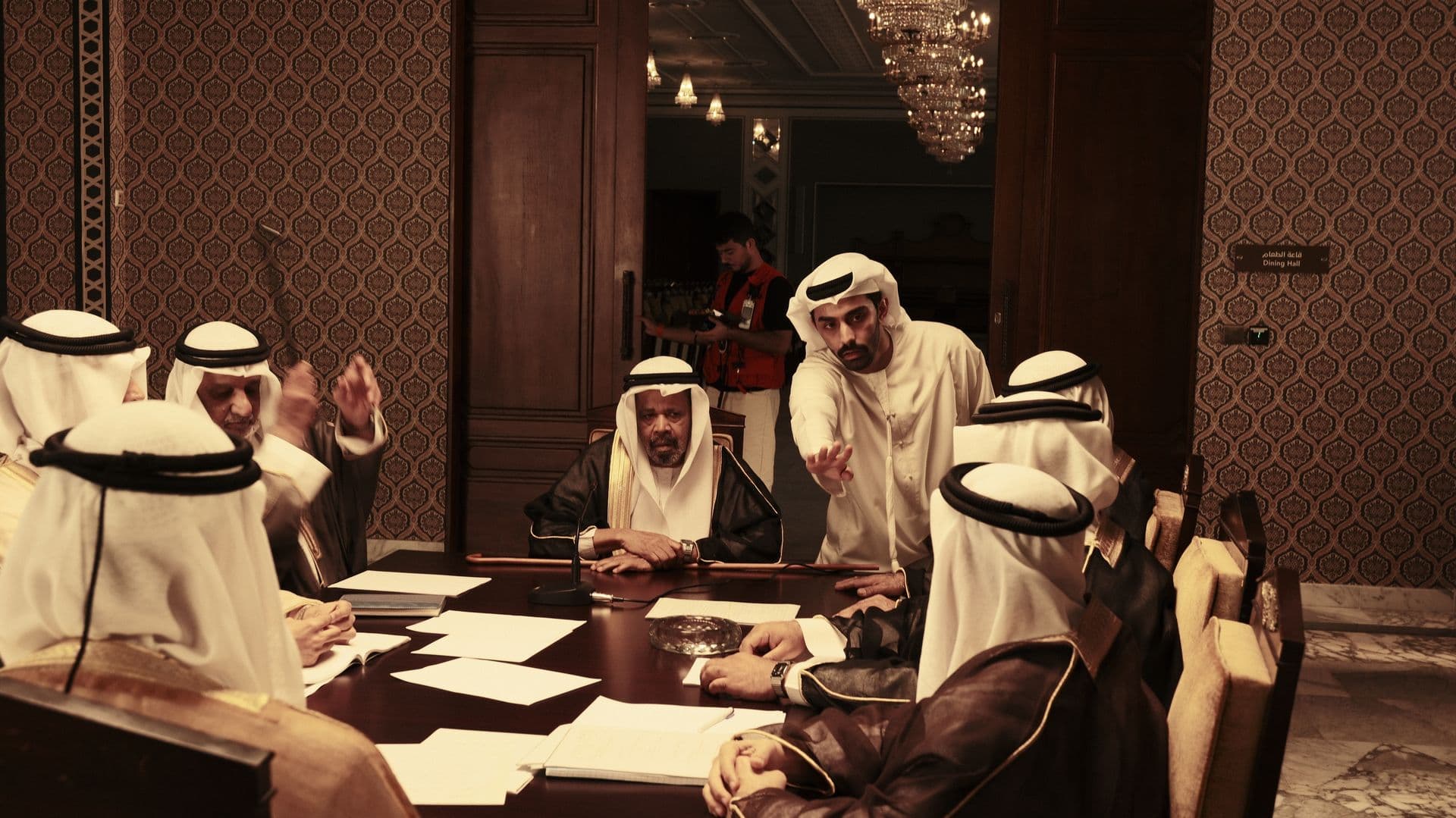
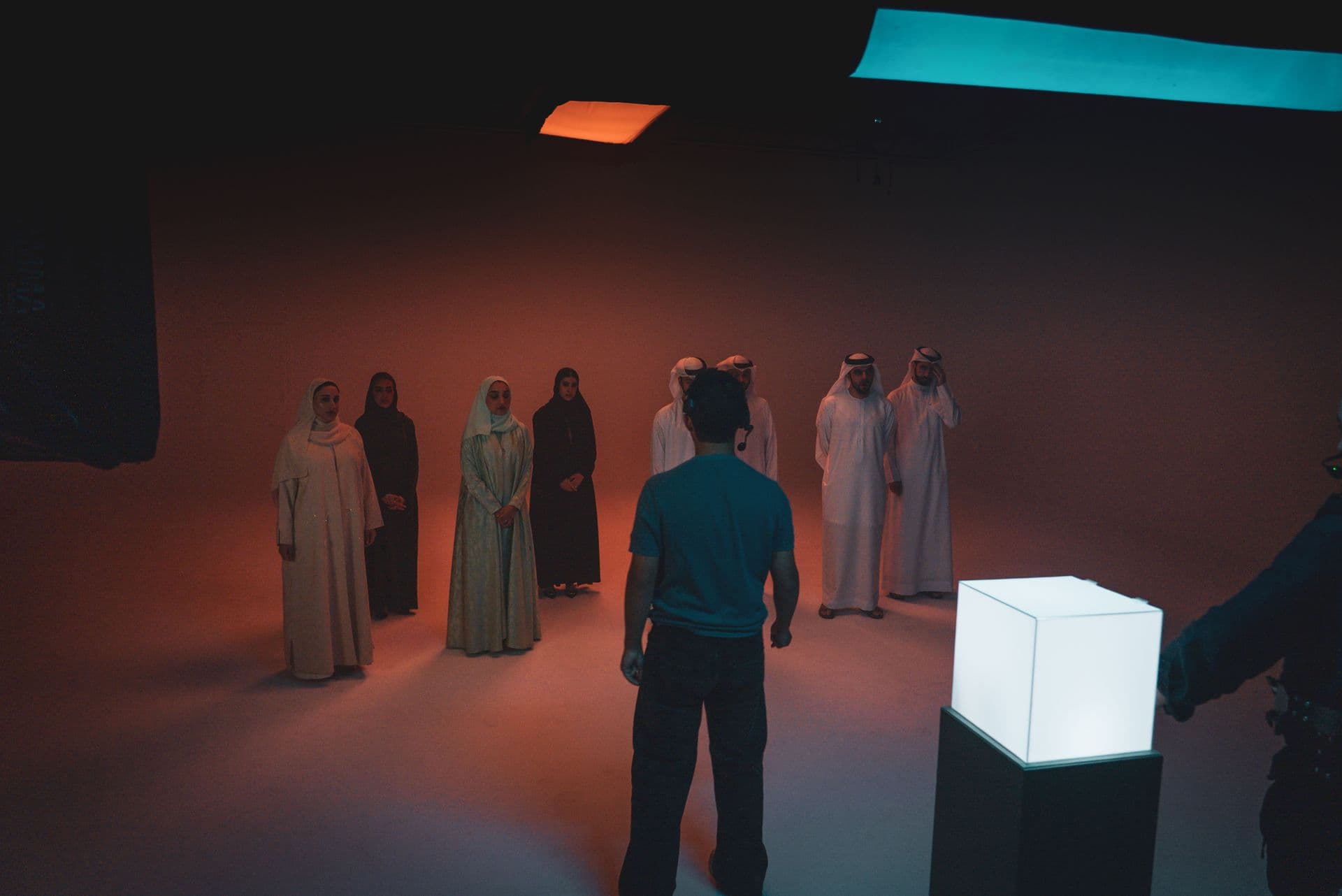
Some films carry more than footage. Challenge 71, our documentary on a competition among the UAE's top government achievers across all sectors, is the kind of subject where an institution's name sits on every frame. On films like this, the client's concern is reputation as much as property. A shoot that has to be abandoned, or a claim that surfaces after broadcast, becomes the institution's problem in public. Proper cover, held by the right party, keeps the story where it belongs: on the screen.
The Main Types of Cover a Documentary Shoot Needs
Not every shoot needs every policy. The table below sets out the types of cover most relevant to factual and heritage work, so you can match a project to the questions worth asking.
- Equipment (owned and hired): What it protects: Cameras, lenses, lighting, sound and grip kit against loss, theft and damage; When it matters most: Every shoot, and especially where gear is hired or travels between locations
- Public and third-party liability: What it protects: Injury to the public and damage to property the production does not own; When it matters most: Government buildings, heritage sites, public spaces, private homes
- Employer's liability or workers' compensation: What it protects: Injury to people employed on the shoot; When it matters most: Any shoot with a crew, including small crews
- Personal accident for contributors: What it protects: Injury to participants during filmed activity; When it matters most: Physical activity on camera: riding, sailing, climbing, craft work with tools
- Drone or aerial liability: What it protects: Damage or injury caused by an aircraft in flight; When it matters most: Aerial shots of landscapes, sites and events
- Faulty stock, camera and processing: What it protects: Reshoot costs if footage is lost to faulty stock, equipment or lab processing; When it matters most: Shoots on film, and digital shoots where footage cannot be recaptured
- Production interruption or extra expense: What it protects: Additional costs when a shoot is delayed or cancelled for an insured reason; When it matters most: Fixed dates, national occasions, one-off events
- Errors and omissions: What it protects: Claims over rights, clearances, privacy or defamation after release; When it matters most: Archival material, broadcast, institutional films with named individuals
Policy wording varies between insurers, and a single policy may bundle several of these. A licensed insurance broker can confirm what a specific shoot requires.
Where Insurance Needs Change by Shoot Type
A documentary is shaped by its subject. So is its risk. Three kinds of shoot show how the insurance picture shifts.
Heritage and UNESCO Nomination Shoots
Heritage sites are irreplaceable by definition. A scratched wall in a studio is a repair. A scratched wall in a historic fort is a loss. That raises the stakes on liability cover and on the care written into the shoot plan: where tripods stand, how lights are rigged, which areas are off limits.
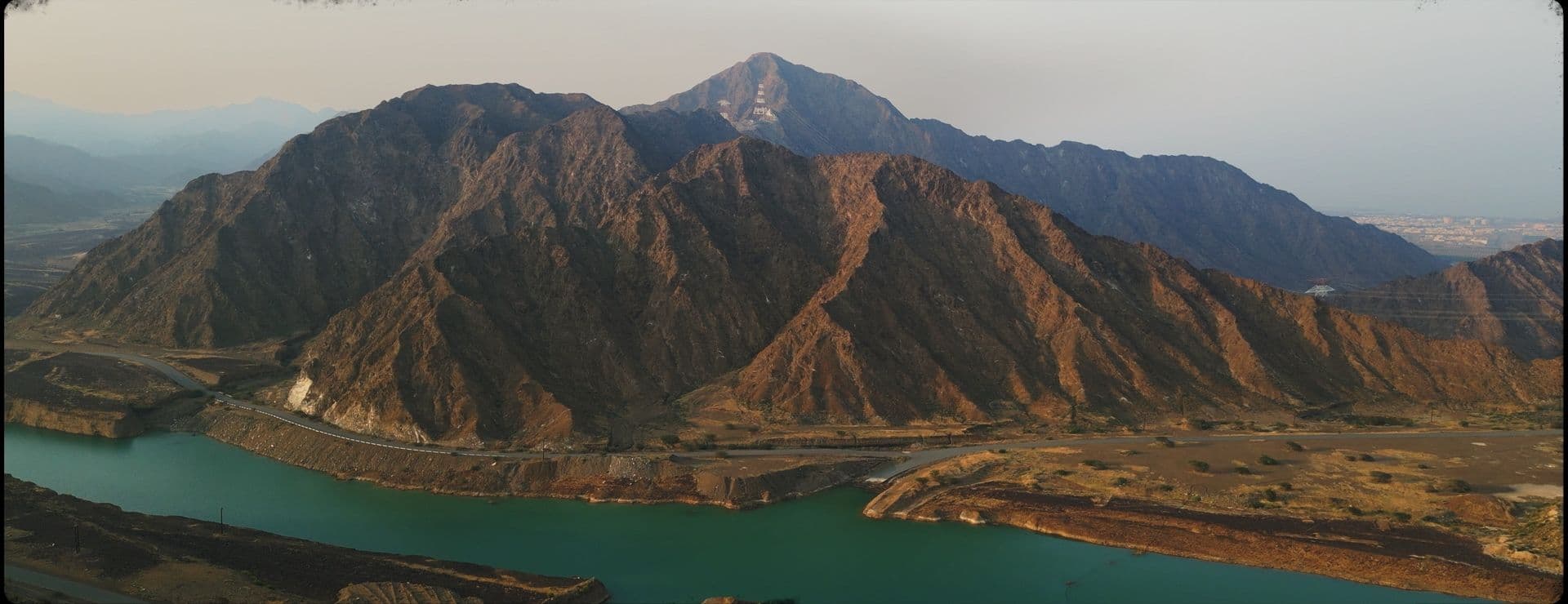
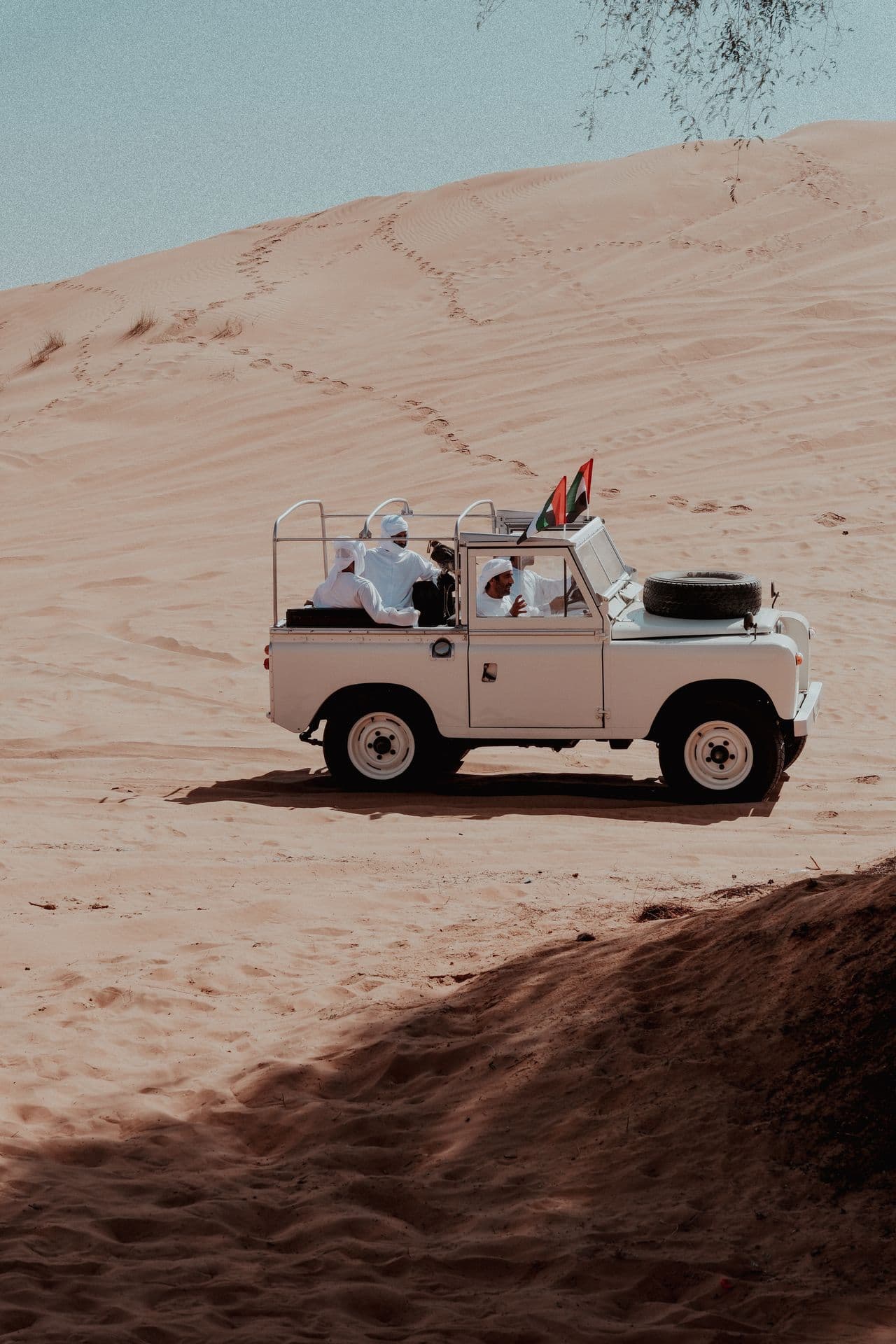
Wadi Wurayah was a documentary made for Fujairah's UNESCO file, which was successfully nominated as human heritage. Films made for nomination files are filmed in places whose value is the whole point of the film. For any shoot of this kind, the production company should confirm the site authority's conditions early and hold liability cover that suits the location.
Outdoor, Road and Community-Based Shoots
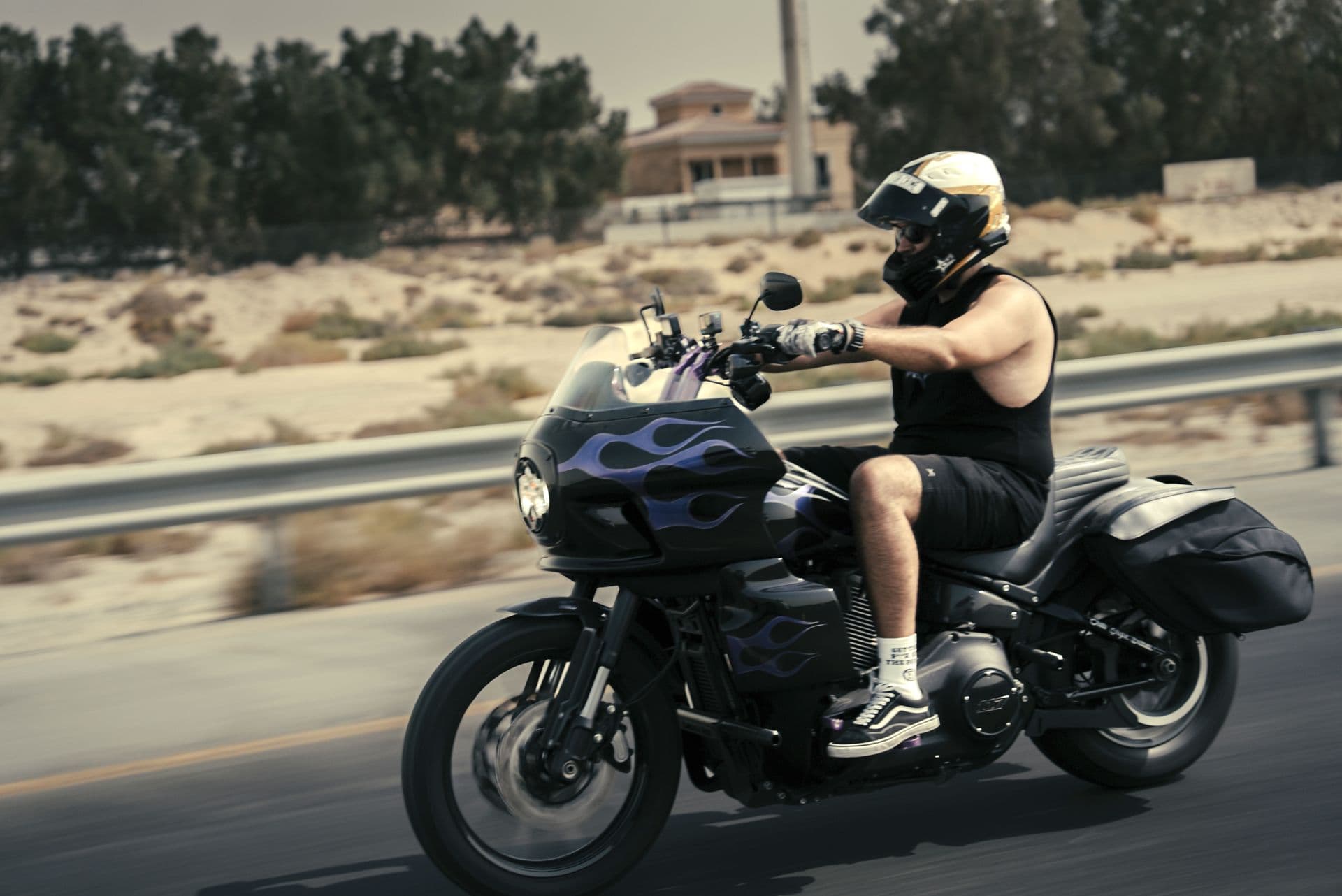
The Harley Project followed a motorcycle riding community: their workshop, their rides through the city and the desert, and the conversations in between. A documentary of that shape moves through very different spaces in a single story. A workshop, a public road, open desert.
Each space brings its own questions: who is covered while filming from a moving vehicle, whether contributors are covered for an activity they would do anyway now that it happens on camera, and whether the equipment policy extends to remote locations and vehicle transit. None of these has a universal answer. All of them should be settled before the first frame.
Shooting on Film Rather Than Digital
Some documentary shoots use film rather than digital, with no digitalisation afterward. Film carries its own risk. An exposed negative is the only copy until it is processed. A fault in the stock, the camera or the lab can lose a day's work that no backup drive can recover.
This is where faulty stock, camera and processing cover becomes relevant for a shoot like this. Handling, transport and lab turnaround also need planning. Insurance is one practical factor among several when a production weighs film against digital for a given project.
How Insurance Fits Into the Five-Stage Production Process
Every film we make goes through the same five stages: Discovery, Research, Scripting, Production and Post-production. Insurance is not a stage of its own. It is a thread that starts in the first.
Why Discovery Is the Right Stage to Raise It
Discovery is where the shape of a film first appears. The subject, the locations, the people, the format, the occasion it serves. Every one of those decisions has an insurance consequence. A heritage site means liability conditions. A drone sequence means aerial cover. A film-stock shoot means stock and processing cover. A fixed national date means the cost of delay matters more.
Raising insurance at Discovery means the cover is designed around the film rather than the film being trimmed to fit late paperwork. It also means permit lead times, like the airside deadlines above, can be planned rather than chased.
What a Production Company Should Confirm Before Scripting Begins
By the time scripting starts, the outline of the shoot should be clear enough to confirm:
- The full list of locations, including any government, protected or heritage sites.
- Whether drones, vehicles or physical activity will appear on camera.
- Which contributors will take part, and what they will be doing.
- The format: film, digital or both.
- Any archival material, music or third-party footage that needs clearance.
- Which party holds each policy, and whether the client or venue needs to be named on a certificate.
Research shapes the story. It should also shape the cover.
Questions to Ask Before You Commission a Documentary
When you compare proposals, the creative treatment rightly takes the most attention. These questions sit alongside it. They show how a production company thinks about risk, and the answers are easy to check.
Questions About Cover and Liability
- Do you hold your own production insurance, and what does it include?
- Does your liability cover suit the locations in this project?
- How are crew and contributors covered during filming?
- If the shoot uses hired equipment, how is it insured?
- If footage is lost or damaged, what happens?
- Can you provide certificates before the shoot, in the form our institution or venue requires?
Questions About Permits and Site Access
- Which permits does this project need, and who applies for them?
- What lead times apply to our locations?
- Do any sites have their own conditions beyond the filming permit?
- If drones are planned, who arranges aerial authorization and cover?
- How will you protect heritage or sensitive spaces during the shoot?
A clear answer is a good sign. If a company cannot explain its cover, that tells you something too.
Related: Documentary filming permits in Abu Dhabi and the UAE · Shooting a documentary film at UAE heritage sites · Choosing between film and digital for a heritage documentary
Frequently asked questions
Does the production company arrange insurance, or does the client need to provide it?
In most cases the production company arranges and holds production insurance, because it runs the shoot and carries the liability. In Dubai, the DFTC requires a UAE-licensed production company to obtain the filming permit, and its conditions place the insurance and indemnity obligations on "the Company". Your institution may still have its own requirements, such as being named on a certificate, so confirm these during Discovery.
What happens if filming damages a heritage site or protected location?
The production company's public and third-party liability cover is designed to respond to damage of this kind, subject to its terms. Under Dubai's DFTC conditions, the production company indemnifies third parties against losses or damage to property, whether arising before, during or after filming. Site authorities may set their own conditions too, which is why heritage shoots need careful planning before access is granted.
Do drone shots require separate insurance from the rest of a documentary shoot?
Often, yes. Standard production policies do not always extend to aircraft, so aerial work is commonly insured separately or added as a specific extension. Drone flights also need their own authorizations, so ask your production company how both are arranged for your project.
Can an international production insurance policy cover a shoot filmed in the UAE?
It depends on the policy's territorial scope and on whether local authorities and venues accept it. Some international policies include the UAE and some do not. In Dubai, a UAE-licensed production company must obtain the filming permit in any case, so foreign productions typically work with a local partner. A licensed broker can confirm whether a specific policy is suitable.
Is insurance required for a short institutional film or only for large documentary productions?
Risk does not depend on running time. A short film shot in a government building or a heritage site still involves equipment, crew and other people's property. Dubai's DFTC conditions, for example, apply to permitted shoots regardless of length. The cover may be simpler for a short film, but it should still be confirmed.
If you're weighing up a documentary or heritage film and want to know what's covered before you commit, start a project with Sedrah Stories. We begin where every film begins: with Discovery.
Read next: What Drives Documentary Production Costs in Abu Dhabi?