



Key takeaways
- Most open-air UAE heritage sites give crews a narrow window of usable light and bearable heat, often the two to three hours after sunrise and before sunset, especially during the hotter months.
- Protected or nominated heritage sites usually need written permission from the site custodian before any filming permit is issued. That approval can take longer than the permit itself.
- Crew and gear on fragile surfaces such as sandstone ruins, coral-stone walls or unexcavated ground need a marked path agreed with site staff before the shoot day, not improvised on arrival.
- Shooting on film instead of digital changes the planning at a heritage site, because you cannot reshoot from a card. Some productions, including work by Sedrah Stories, commit to film for specific projects.
- A documentary made for a UNESCO nomination file, such as Wadi Wurayah, has to meet the evidence standards of that process. Looking cinematic is not enough.
To shoot a documentary film at a UAE heritage site, the order matters. First you get written consent from the site's custodian. Then you get the filming permit. Then you plan the day around two short light windows and a marked path that keeps people and equipment off fragile ground. At Sedrah Stories we treat a heritage location as a subject of the film, not a backdrop. Every project goes through the same five stages: Discovery, Research, Scripting, Production and Post-production, and the site shapes each one. This guide covers the light, the heat, the access chain, the preservation rules and the extra standards a nomination film must meet.
What Makes Heritage Sites Different From Any Other Filming Location
A rooftop in a business district or a stretch of open desert asks for a permit, a safety plan and good timing. A heritage site asks for all of that, and more. Some of its limits are legal, some are physical and some are cultural, and all three shape the shot list.
Protected Status, Custodianship and Why It Matters on Set
Many UAE heritage sites have a formal custodian: an emirate-level cultural authority, a municipality, a religious body, a community or a family that has kept a structure for generations. The custodian's terms decide what happens on set: which areas the camera can enter, which hours the crew can work, who from the site must be present, and what can be touched.
Cultural context matters as much as the paperwork. A fort, a mosque, a burial ground or a working date farm each carries meanings no call sheet can capture. Prayer times, dress, the filming of local people and the treatment of sacred spaces all need settling before anyone unpacks a camera. This is why the discovery stage matters so much on heritage projects: it is where we learn who holds the site, what it means to them, and which stories it can carry. Our guide to the discovery stage of a documentary explains what that stage covers.
Physical Fragility: Sand, Stone and Structures
Heritage filming locations in the UAE are often built from materials that do not tolerate film crews well. Mudbrick walls crumble at the edges. Coral-stone and gypsum plaster flake when bumped. Sandstone erodes under repeated footsteps. Palm-frond structures tear. Unexcavated ground at archaeological sites can hide material that a single tripod leg could disturb.
Sand is a separate problem. It drifts into lens mounts, scratches glass and works into cable connectors. A generator running beside an old wall sends vibration into it for hours. None of this shows up in a location scout's photographs, so it has to be planned for on purpose.
Reading the Light at an Outdoor Heritage Site
Light at UAE heritage sites behaves differently from the light most cinematography guides assume. The sun climbs fast, the sky bleaches early and the pale surfaces of old buildings bounce back hard light that fights every exposure.
The Golden Hours and Why Midday Rarely Works
Midday sun falls almost straight down. It flattens the carved detail of a doorway, strips the texture from a mudbrick wall and casts deep shadows across a speaker's eyes. Pale sand and plaster add glare, so highlights clip while shadows go black.
The usable windows sit in the two or three hours after sunrise and before sunset. Low-angle light skims across the surfaces and reveals erosion, tool marks and the depth of the walls. It flatters faces in interviews too. Plan these windows with a sun-path tool during the recce, so you know which wall catches first light and which courtyard stays in shade. On the coast, humidity and haze can soften the light well into the morning. That softness helps interiors but can also flatten the horizon and hide distant landmarks.
Shooting Interiors Inside Forts, Towers and Old Majlis Structures
Interiors reverse the problem. Thick walls and small openings make the rooms dark, with a few very bright shafts of daylight. Exposing for the interior blows out the windows. Exposing for the windows turns the room to silhouette.
Work with the architecture, not against it. Use doorways and wind-tower shafts as key light. Use bounce boards to lift the shadows and flags to control spill. Choose compact, battery-powered LED sources that give off little heat and need no cables across old floors. Midday, unusable outside, often suits interiors well, because the sun sits high and the light through the openings stays steady.
Planning Around Heat Instead of Fighting It
Across the hotter months, heat sets the schedule for every outdoor heritage shoot in the UAE. A plan that ignores it fails by mid-morning.
Crew and Equipment Limits in Peak Summer
People tire faster than the schedule expects. Build in shaded rest points, a steady supply of water and rotation for anyone carrying heavy kit or standing in direct sun. Before scheduling any summer exterior, check the current guidance from the Ministry of Human Resources and Emiratisation on outdoor work. It can affect what your crew is permitted to do, not only what is comfortable.
Equipment has limits too. Digital sensors overheat and shut down. Batteries drain faster. Film stock is sensitive to heat and needs insulated, cooled storage until it is loaded. On coastal and wadi locations, lenses fog when they move from an air-conditioned vehicle into humid air. Give the glass time to adjust before the first take.
Building a Shoot Day Around Two Light Windows Instead of One
The most practical shoot day splits the hours into two outdoor blocks rather than one:
- Pre-dawn: arrive, walk the marked path, set up in the dark.
- Morning window: exteriors, establishing shots, walking interviews.
- Midday: interiors, seated interviews in shaded rooms, data or stock management, rest.
- Late afternoon: reset positions for the reverse light direction.
- Evening window: exteriors, silhouettes, the site at dusk.
This roughly doubles the usable footage per day and keeps the crew out of the worst heat.
Getting Access: Custodians, Permits and Lead Time
Access to UAE heritage sites runs through a chain, and the filming permit is only one link in it.
Who Actually Grants Access to a Heritage Site
The custodian grants access. For many sites this is an emirate-level cultural body, such as the Department of Culture and Tourism – Abu Dhabi or Dubai Culture. For others it is a municipality, a mosque authority, a private owner or a community trust. A useful access request sets out the scope of the film, the proposed dates and hours, crew size, a full equipment list, the areas you want to film and how the footage will be used. It should also say who the film is for, because a national tribute reads differently to a custodian than a commercial project.
Why Site Approval Usually Comes Before the Filming Permit
Permit authorities generally want proof that the location has agreed to host you. In practice, the custodian's written approval comes first, and that approval can take longer to secure than the permit itself, especially at nominated or protected sites, where specialists may need to review the request. Start the custodian conversation as early as possible and treat the permit as the second step. For the permit stage itself, see our guide to documentary filming permits in Abu Dhabi and the UAE.
Site-Preservation Rules Every Crew Should Plan For
Preservation is not only the custodian's job. Every heritage production should arrive with its own rules and follow them more strictly than the site requires.
Marking a Safe Path for Crew and Gear
Agree a path with site staff during the recce, not on the shoot day. Mark it with tape on the ground or stakes placed outside sensitive areas, and brief every crew member on it before the first case comes out of the vehicle. Good practice includes:
- Carrying cases, never dragging them across stone or plaster floors.
- Laying ground mats where gear will be staged.
- Fitting rubber feet to tripods and light stands, and weighting them with sandbags.
- Never leaning equipment, ladders or people against historic walls.
- Asking the custodian about load limits before putting anyone on a roof or upper floor.
What Usually Stays Off Limits: Tripod Spikes, Drones and Open Flame
Some items need explicit approval or should be left behind entirely. Tripod spikes pierce soft ground and scratch stone. Drones need separate aviation clearance and the custodian's consent, and their downdraft can lift sand and debris. Open flame, including candles, braziers or smoke used for atmosphere, can stain plaster and wood and carries obvious fire risk. Smoke machines, tape fixed to surfaces and generators placed near walls also tend to be off limits. Agree each item in writing before the shoot day.
Shooting for a UNESCO Nomination File vs a General Heritage Documentary
A general heritage documentary needs to move an audience. A nomination film also has to persuade evaluators, who read it as evidence.
What a Nomination File Documentary Needs to Show
A nomination film has to show the heritage clearly and accurately: what it is, who keeps it alive, where it sits, why it matters. Drama is secondary. Every frame should be honest about the current state of the site or practice, and every claim in the narration should trace back to the research. The current UNESCO guidance for the relevant list sets the expectations, so the script should be built around that guidance from the start.
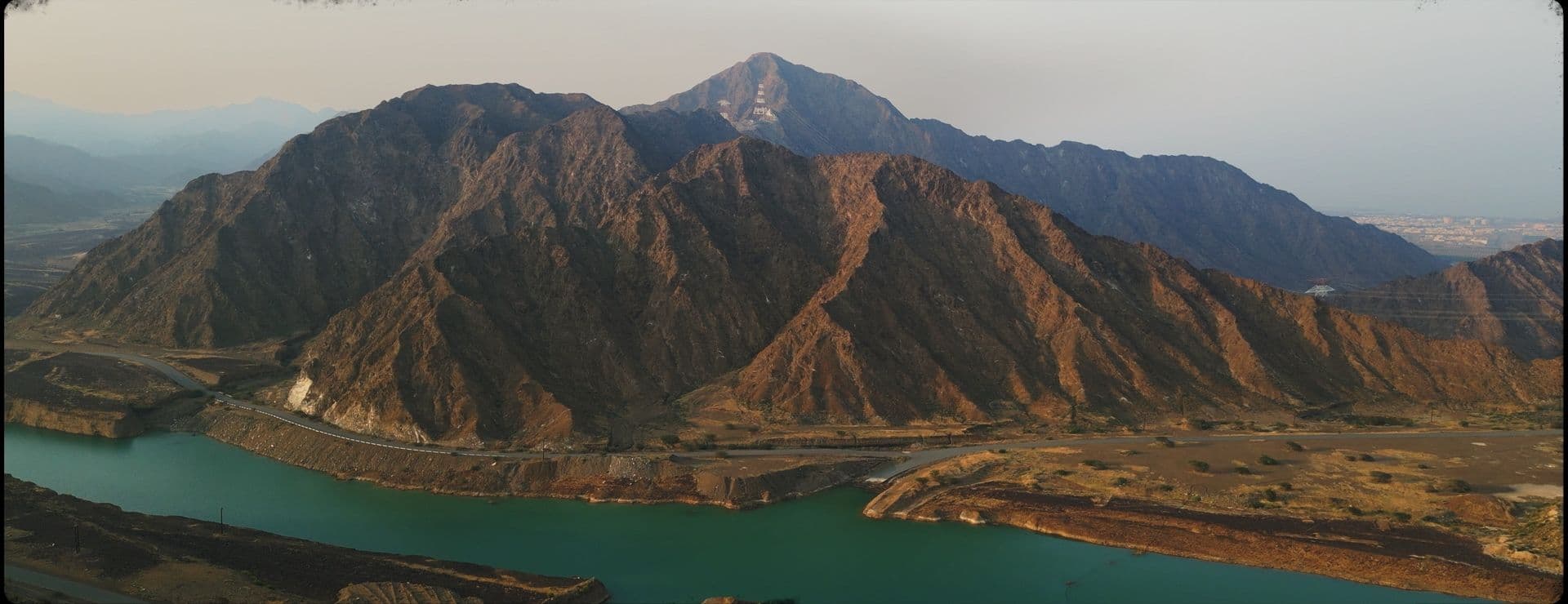
Our film for Wadi Wurayah was made for Fujairah's UNESCO file, which was successfully nominated as human heritage. Work like this is where research-driven scripting matters most, because the film has to stand up to scrutiny long after it has been screened.
Film vs Digital on a Heritage Shoot
Shooting on film changes the arithmetic of a heritage day. There is no reviewing a take on a card and reshooting on the spot, so preparation does more of the work: exact exposure readings, careful slating, stock budgeted per light window, and a clear plan for getting exposed rolls safely to the lab. Some of our projects have been shot entirely on film, with no digitalisation. That commitment suits subjects where texture and permanence carry meaning. Our guide to choosing between film and digital for heritage documentaries goes into the trade-offs.
Pre-Shoot Checklist: How to Shoot a Documentary Film at Heritage Locations
Before the Shoot Day
- Identify the custodian and send a written access request with scope, dates, crew and equipment.
- Secure written site approval, then apply for the filming permit.
- Recce at the hours you plan to shoot, with a sun-path tool.
- Agree and mark a safe path with site staff.
- Confirm in writing which items are off limits.
- Plan two light windows and a midday interior block.
- Arrange shade, water and cooled storage for batteries and stock.
On the Shoot Day
- Brief the full crew on the path, no-touch zones and cultural conduct.
- Check in with the site representative before unloading.
- Stage gear on mats and keep the path clear.
- Log every take, especially when shooting on film.
- Walk the site with staff at wrap and leave it as you found it.
- Primary goal: General heritage documentary: Engage and move an audience; UNESCO nomination film: Provide credible evidence to evaluators
- Script basis: General heritage documentary: Research and narrative arc; UNESCO nomination film: Research mapped to nomination guidance
- Custodian involvement: General heritage documentary: Access and conduct; UNESCO nomination film: Access, conduct and often content review
- Tolerance for staging: General heritage documentary: Limited, with transparency; UNESCO nomination film: Very low
- Accuracy check: General heritage documentary: Before the final cut; UNESCO nomination film: Throughout every stage
You can see how these principles carry through finished films in our documentary work.
Frequently asked questions
Do you need a permit to film drones at UAE heritage sites?
Treat drone filming as needing its own clearance, separate from both the site approval and the general filming permit. Aviation rules fall outside the custodian's authority, so confirm current requirements with the relevant civil aviation authority before planning any aerial shots. The custodian must also agree to drone use in writing.
How far in advance should you request access to a protected heritage site?
As early as the project allows. Custodian approval for protected or nominated sites can take longer than the filming permit, and it usually has to come first. Contact the custodian during the discovery stage, before the shooting schedule is fixed.
Can you use artificial lighting or generators inside old forts and towers?
Sometimes, with the custodian's agreement. Compact, battery-powered LED lights that run cool are the safest choice. Generators are often kept well away from historic walls because of vibration, fumes and fire risk, so agree placement in writing during the recce.
What happens if a heritage site has no official custodian listed?
Someone still holds responsibility for it, whether a municipality, a landowner, a community or a family. Ask the emirate's cultural authority who to approach, and keep a written record of any permission received. Do not treat an unlisted site as open access.
Is night filming allowed at UAE heritage sites?
It depends on the site and its custodian. Some sites close at dusk, and lighting a fragile structure at night raises its own preservation and safety questions. If night scenes matter to the story, raise them in the first access request.
If you are planning a documentary at a UAE heritage site, start a project with Sedrah Stories and we will walk the location with you before we plan a single shot.