



Key takeaways
- At Sedrah Stories, one research and scripting phase can produce both a long-format documentary and a multi-episode short-film series, but only if the structure is set before production starts.
- Decide episode length and count before shooting, not in the edit, so each short stands as a complete story.
- Cutdowns for social media need their own shot list, captured on the same production day. Trimming the long edit is not enough.
- Release sequencing (daily, weekly, or tied to a national occasion) shapes how a series is shot and paced from the start.
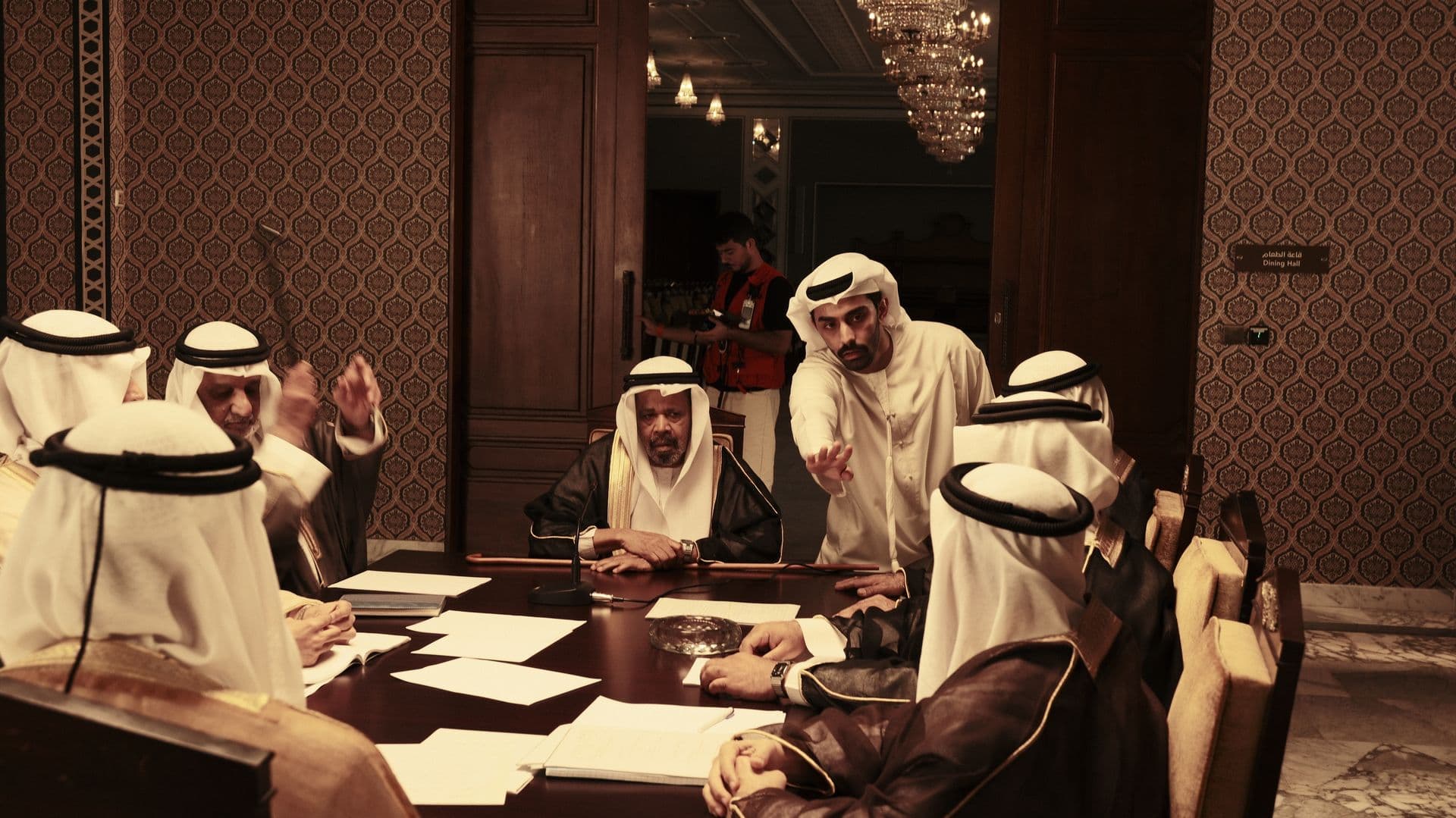
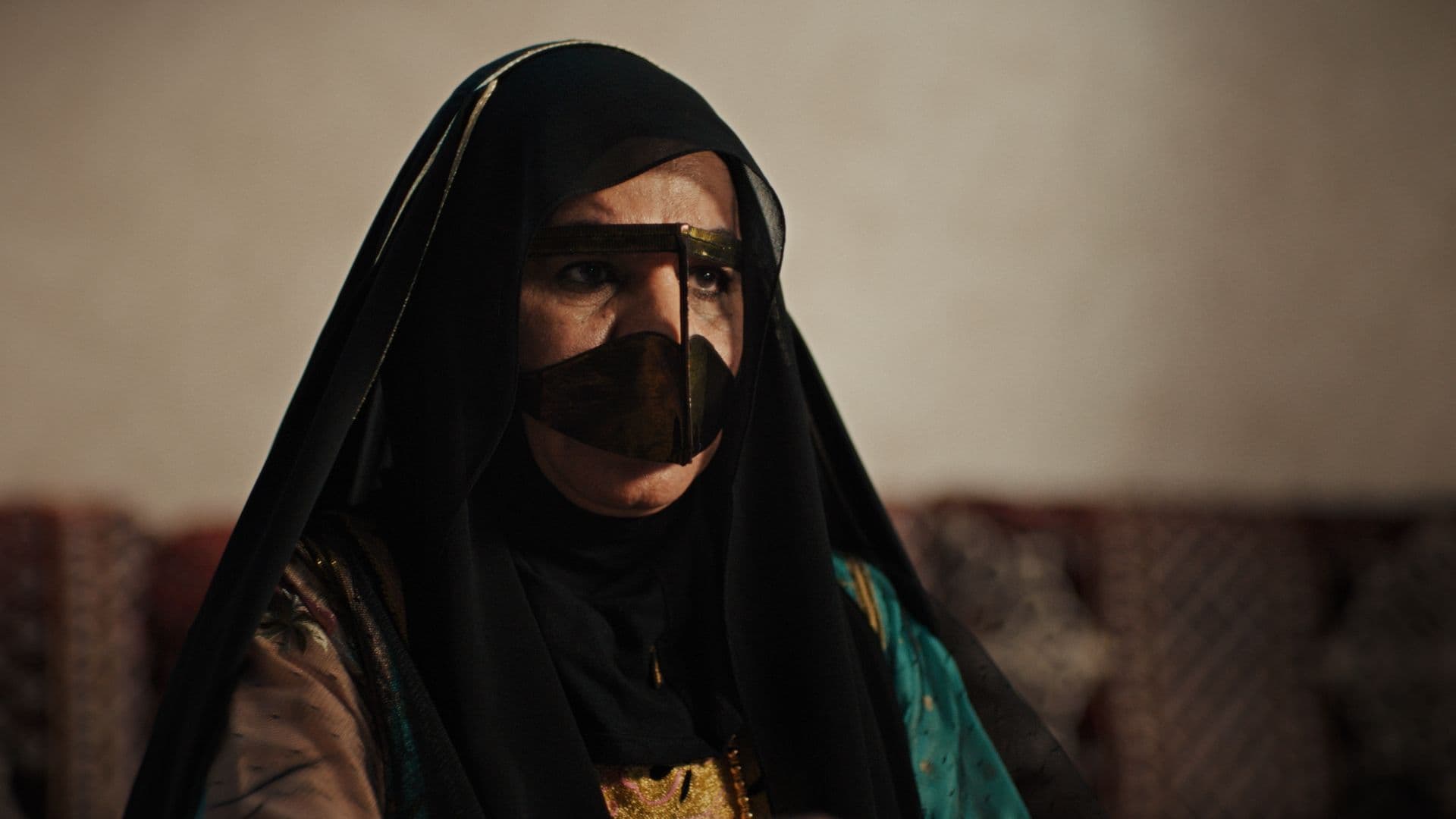
- Our series Sirat Arzag, twelve short documentaries built from more than 60 hours of recorded intangible heritage, shows how one body of research can support a long-running episodic structure.
How to Make a Documentary Short Film Series: Start With the Research, Not the Episodes
If you are working out how to make a documentary short film series for social media, start here: build one research base, design the episodes on paper before you shoot, capture coverage for every format on the same production days, then edit and release the shorts as a planned sequence rather than leftovers from a longer film.
That is short-film series production done well. The series is designed from the first conversation, not improvised from a finished long edit.
Every film we make at Sedrah Stories goes through the same five stages: Discovery, Research, Scripting, Production and Post-production. A short-film series follows the same path. The difference is that each stage has to serve several outputs at once, whether that's a long documentary, a set of short episodes, or an archival cut. The rest of this article walks through what changes at each stage when the goal is a series built for social channels.
Start With a Single Research Base, Not a Separate Script Per Episode
A common instinct is to treat each short as its own small project, with its own brief, interviews and script. This produces episodes that contradict each other, and it wastes the most expensive part of the work.
In heritage and institutional filmmaking, the research is the asset. Interviews with knowledge-holders, archival searches, site visits and expert review all take time. They should happen once, thoroughly, and feed everything that follows. The script for a twelve-episode series and the script for a long film draw from the same verified material. They differ in how that material is divided and paced.
If you are new to how this begins, our guide to the discovery stage of a documentary explains how a project's scope, audience and sensitivities are defined before research starts.
What the research phase needs to capture for a series
Research for a series has to be organized differently from research for a single film. Beyond facts, sources and contributors, it should map out three things:
- Natural chapters. Which parts of the subject can stand alone? A craft might divide into materials, techniques, the makers and the rituals around it. Each could become an episode.
- Self-contained moments. A short episode needs its own beginning, turn and resolution. Research should flag the stories, demonstrations and testimonies that can carry a complete arc in a few minutes.
- Context every episode depends on. Some background, such as where a practice comes from or why it matters to the country, has to reach viewers who only ever see one episode. Research should identify that core context early, so the script can deliver it briefly in each short.
Keeping one source of truth across episodes
Once research is verified, it becomes the single reference for every script, caption and on-screen title. Names, dates, place names, transliterations and the meaning of terms should live in one document that every writer and editor works from.
This matters most for cutdowns. When a two-minute episode is cut from a longer sequence, the editor is compressing, and compression is where errors creep in. A shared, verified source lets an editor check a line against the research instead of relying on memory. For more on this discipline, see our guide to scripting a documentary using verified research.
Decide the Episode Structure Before You Shoot
The most expensive mistake in short-film series production is deciding the episode structure in the edit suite. By then the coverage has already been shot. If a planned episode has no opening image, no closing beat and no self-contained interview answer, nothing in the footage can create one.
Decide the episode count, approximate length and theme of each episode during scripting. Then shoot to that plan.
Choosing episode length for social platforms
There is no single correct length. It should follow the story each episode tells and the platform where it will be seen. Platforms change their formats often, so check current specifications at the scripting stage, not afterward.
UNESCO's nomination process offers a useful model for official heritage film. Its main nomination films give an "overall presentation of the element nominated" and run to around ten minutes, while separate shorter videos of two to eight minutes show community consent and support. Recent examples hold close to that ten-minute mark: 'Ceramic arts in Uzbekistan' ran 10:00 and 'Summer carnival Rotterdam' ran 10:04, according to UNESCO's 2023 Representative List page. Arab heritage films sit in the same range. 'Semsemiah instrument playing and crafting' ran 10:13 in Arabic and English, and 'Traditional Syrian glassblowing' ran 9:37.
The lesson for heritage content built for social media is that one research base can support films of different lengths for different purposes. A master film presents the whole subject. Shorter pieces each do one job well.
Splitting one theme across several short films
When dividing a subject into episodes, give each one a single, clear question to answer. "How is the material gathered?" is an episode. "Everything about the craft" is not.
- One idea per episode. If an episode needs two ideas, it is probably two episodes.
- Vary the type of episode. Alternate between portraits of people, demonstrations of process and episodes about place or history, so a long series doesn't feel repetitive.
- Plan the series arc. Even when each episode stands alone, the order should build. Early episodes establish context; later ones can go deeper.
- Write the first and last frame of every episode. If you cannot describe how an episode opens and closes, it isn't ready to shoot.
For institutions planning a multi-part project, our guide to producing a documentary series for a cultural institution covers how scope, approvals and stakeholders shape the structure.
When a single long film makes more sense than a series
Not every subject divides well. Some stories depend on slow accumulation. A national tribute, a single life or an event that unfolds over time may lose its emotional weight when cut into pieces. If the power of the story lies in its build, make the long film the primary work and use short clips to point audiences toward it, rather than forcing a full series. The research phase usually makes this clear: if the material doesn't fall into natural chapters, don't force one.
Shooting for Both the Long Film and the Short Cutdowns
Good documentary production for a series does not mean doubling the shoot. It means planning each production day so that the same contributor, location and time of day yield footage for every format.
Planning coverage that serves both formats
Build the shot list with two columns: what the long film needs and what each short episode needs. Many shots serve both. Some don't. A long film can take its time establishing a place; a short episode needs an opening image that orients the viewer in seconds. A long film can weave several voices through one scene; a short episode often needs one contributor delivering one complete thought.
Practical steps for the shot list:
- Mark which shots are opening or closing images for specific episodes.
- Plan interview questions so key answers are complete on their own, without depending on an earlier question.
- Capture process shots from start to finish, so a craft can be shown in sequence in a short.
- Note framing needs for vertical or square delivery, so key action stays inside the frame for every crop.
What changes on set when a series is the goal
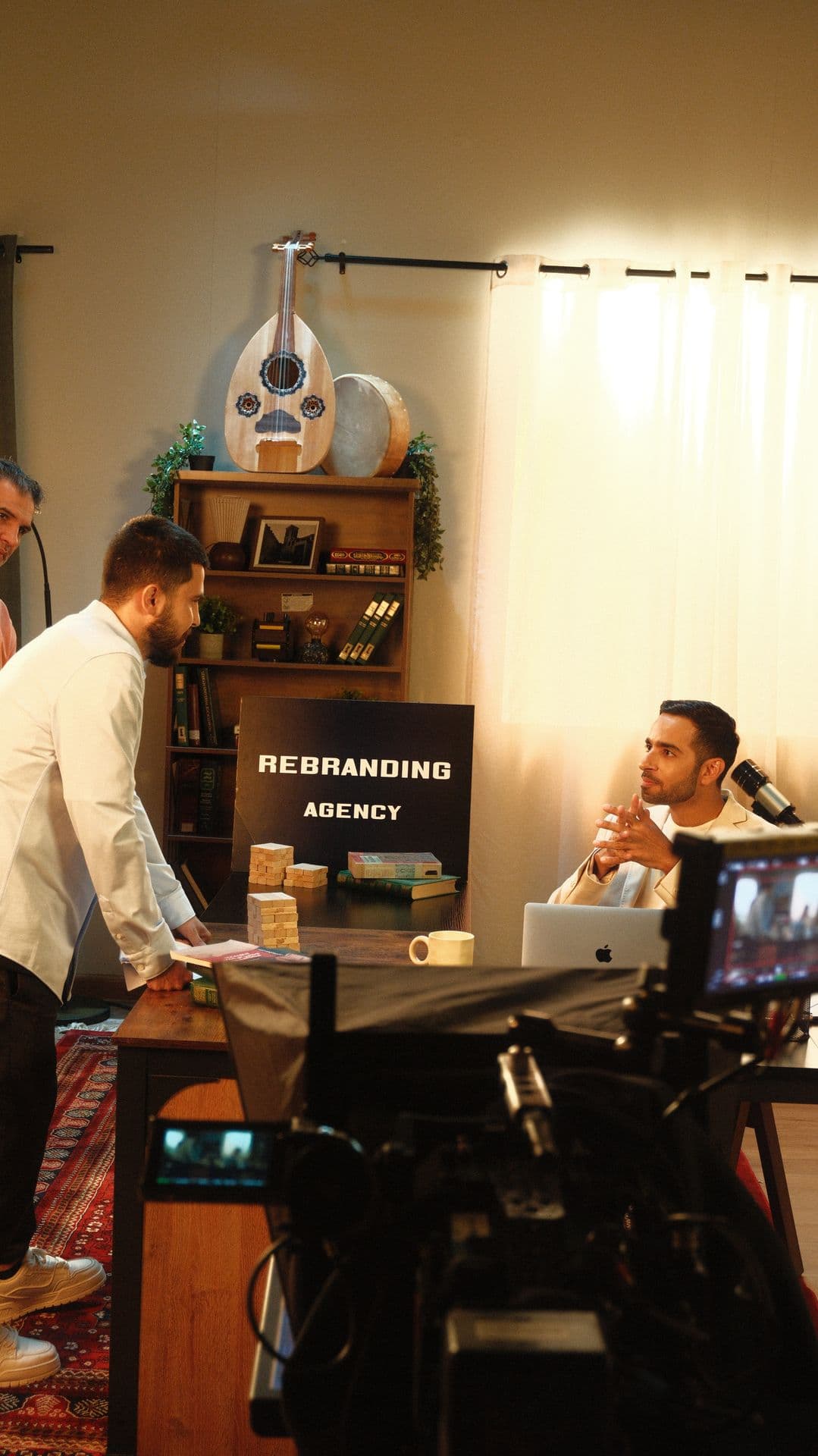
On set, the director has to think in episodes. That means asking a contributor to restate an answer more concisely, getting a clean ending to a demonstration rather than cutting away, and recording ambient sound an editor can use to open and close each short.
Framing also changes. A wide composition that works beautifully in a long film may leave the essential action outside a vertical crop. Some productions shoot protection framing for each format; others shoot dedicated vertical setups for key moments. Either way, the decision belongs in pre-production, not in the edit.
Editing Cutdowns Without Losing Accuracy or Depth
A reasonable worry: does shortening a documentary strip out nuance or distort the research? It can, if cutdowns are treated as trims. Good factual and heritage filmmaking treats each short as its own edit, built from the same verified material.
What stays in a cutdown and what gets cut
A short episode keeps:
- One complete idea, told with a beginning, turn and resolution.
- The essential context a first-time viewer needs to understand why the subject matters.
- The voice of the knowledge-holder, wherever possible, rather than narration standing in for them.
- Accurate names and terms, in on-screen text and subtitles, matched to the research document.
A short episode loses secondary threads that belong to other episodes, extended establishing sequences, and the kind of repetition a long film uses for rhythm.
The test is simple: if a viewer only ever sees this one episode, will they come away with something true and complete? If not, the cut needs another pass.
Checking accuracy across every episode before release
Run a fact and cultural review across the whole series, not one episode at a time. Reviewing episodes side by side catches inconsistencies, a term spelled two ways, a date stated differently, a contributor credited under two titles. For heritage subjects, include community or expert reviewers where appropriate. A practice belongs to the people who keep it, and they are the final authority on how it's represented.
This review also protects other uses of the material. A UNESCO nomination file for the Representative List, for example, combines a nomination form, evidence of community consent, an inventory extract, ten photographs and a video, as set out on UNESCO's nomination page. The film is one fixed piece of a larger evidence package, and every short drawn from the same research should stay consistent with it.
Publishing and Sequencing a Short-Film Series on Social Channels
Release strategy is not an afterthought. A series released daily across one week is paced differently from one released weekly across a season. A series timed to a national occasion has to be ready, reviewed and approved before that date, and fixed dates don't move.
Sequencing episodes around a national occasion or theme
When a series is tied to a national day, an anniversary or a cultural season, work backward from the date. Fix the release calendar during scripting. Decide which episode opens the series and which one lands on the day itself. Build approval time into the schedule, because institutional sign-off on sensitive national subjects takes care.
Official bodies show how deliberate this timing can be. UNESCO publishes nomination films on its YouTube channel only when the element is inscribed during the Committee session. It adds a short bumper and opening and closing slides naming the country, list and year; films for elements not inscribed are taken down, as described in its audiovisual call for proposals. The release is part of the occasion, not separate from it.
A long-running series can also carry a theme over time rather than a single date. Sirat Arzag is an ongoing series of twelve short documentaries positioning the UAE among the old and new worlds, drawn from more than 60 hours of recorded intangible heritage. A body of research that deep can support episode after episode without thinning out.
Matching release pace to the platform
Different channels reward different rhythms. Some suit a tight run of daily episodes; others suit a slower, weekly cadence where each film has time to travel. Choose the pace before shooting, because it affects how much each episode needs to recap and how strongly it should point to the next.
If a series is promoted through individual creators or influencers, check UAE rules first. The UAE Media Council requires citizens, residents and visitors to obtain an Advertiser Permit before posting advertising content on social media for any product, service, event or activity in the UAE.
Frequently asked questions
How many episodes should a documentary short-film series have?
The research decides, not a fixed formula. Count the natural chapters in your subject, the self-contained stories that can each carry one idea, and build the series around them. Sirat Arzag, for example, runs to twelve short documentaries drawn from more than 60 hours of recorded heritage.
How long should each short episode be for social media?
Long enough to tell one complete idea, and no longer. Check each platform's current format specifications during scripting, since they change. UNESCO's model of a ten-minute overview film supported by shorter two-to-eight-minute pieces shows how lengths can vary by purpose within one project.
What is the difference between a documentary cutdown and a standalone short film?
A cutdown is trimmed from a longer edit and often depends on context the viewer hasn't seen. A standalone short film is planned, shot and edited to tell a complete story on its own. The strongest series use the same research and production days, but edit each short as its own film.
Can one research phase really support both a long documentary and a short-film series?
Yes, if the structure is planned before production. The research has to map out natural chapters and self-contained moments, not only facts and sources. Once that's done, one verified research base can feed a long film, a series and other cuts without contradiction.
Do we need a separate crew for the social media cutdowns?
Usually not. What you need is a shot list that plans coverage for every format, including framing for vertical delivery and complete interview answers for short episodes. A single crew working to that plan can capture everything on the same production days.
If your institution has a story that deserves both a long film and a short-film series, start a project with Sedrah Stories. We begin with research, then the frame.
Read next: How Long Does It Take to Make a Documentary in the UAE?