


Key takeaways
- A corporate heritage archive film is built from photographs, documents, correspondence and old footage rather than a blank script. The studio's handling of that material matters as much as its camera work.
- Sedrah Stories works through five fixed stages: Discovery, Research, Scripting, Production and Post-production. The research stage is what separates a verified institutional history from a generic heritage video.
- Most finished films combine existing archive material with newly filmed interviews or re-enactments. Settle the balance between the two before scripting begins, not during it.
- Scale decides the format. A single institutional film suits a focused anniversary. A short-film series suits an archive with distinct eras, departments or figures that deserve their own space.
- A studio's track record with government and institutional clients shows it can handle sensitive, unreleased material responsibly.
What Counts as a Corporate Heritage Archive Film
To choose a documentary company for a corporate heritage archive film, judge it on five things: how it researches, how it treats fragile and sensitive material, whether it has worked for institutions rather than brands, whether it can offer more than one format, and how disciplined its post-production is. A showreel tells you only part of this. At Sedrah Stories, we treat an archive as a primary source. It is evidence to be verified and then shaped into a film that carries an organization's institutional legacy forward. Every film goes through the same five stages: research first, then the frame.
Photographs, documents and footage as raw material
An archive film starts from what already exists. That might be founding letters, board minutes, building plans, staff photographs, press cuttings, film reels and early broadcast recordings. Each piece carries a date, a place and a set of people, and each one can be right or wrong about all three. The filmmaker's first job is to find out which.
Why this differs from a standard corporate video
A corporate video is written to persuade. It begins with a message and then looks for images to support it. A heritage archive film works the other way round. The material comes first and the story follows from it, so the narrative has to stand up to anyone who was there or who holds the original documents. When the film will screen at a national occasion or enter a permanent collection, that standard matters a great deal, because errors outlast the event.
Archival Footage vs New Filming: Weighing the Two Sources
Almost every heritage film draws on two sources: material the organization already holds, and material filmed for the project. Each does a different job.
- What it proves: Existing archive material: That something happened, and when; New filming: How people remember it and what it means now
- Main effort: Existing archive material: Locating, cataloging, digitizing, verifying; New filming: Planning, permits, crew, interviews, locations
- Main risk: Existing archive material: Gaps, damage, unclear dates or rights; New filming: Drifting into opinion without evidence
- Best for: Existing archive material: Founding years, early leadership, lost buildings; New filming: Living witnesses, present-day operations, context
- Visual character: Existing archive material: Period texture, varied quality; New filming: Consistent look set by the director
- Approval sensitivity: Existing archive material: Unreleased documents may need clearance; New filming: Interviewees and locations need consent
When to lean on existing archive material
Lean on the archive when it is rich, dated and visually strong. An organization with decades of photographs and film reels can often tell its early story almost entirely through them, with narration and a careful score. Archive material carries an authority that no reconstruction can match. A viewer trusts a photograph of a founding ceremony in a way they will never trust a re-enactment of one.
When new filming is worth commissioning
New filming earns its cost when the archive is thin, when the people who built the institution are still alive to speak, or when the present matters as much as the past. Interviews with founders and long-serving staff turn a sequence of dates into lived history. Carefully staged re-enactments can bridge years where nothing was recorded, provided the research supports every detail on screen. Decide the balance during Discovery and Research. If you leave it until scripting, the script ends up written around footage that may not exist.
Five Criteria for Shortlisting a Studio
Use these criteria to compare studios before you issue a request for proposal. Shortlisting a documentary studio on these grounds will tell you more than comparing showreels.
Research methodology, not just a showreel
Ask each studio to describe how it verifies a date, a name or a claim before it reaches the script. A studio with a real method will name its stages, explain who does the research, and tell you where it checks sources outside your own archive. If the answer is mostly about cameras and drones, the research will be thin.
Experience handling sensitive or fragile material
Archives contain material that was never meant for publication, and originals that can be damaged by careless handling. Ask how the studio receives, logs, digitizes and returns originals, and who on its team sees unreleased documents. Ask too whether the studio can shoot on film when a subject calls for that texture, rather than digitizing everything by default.
Track record with institutions rather than brands
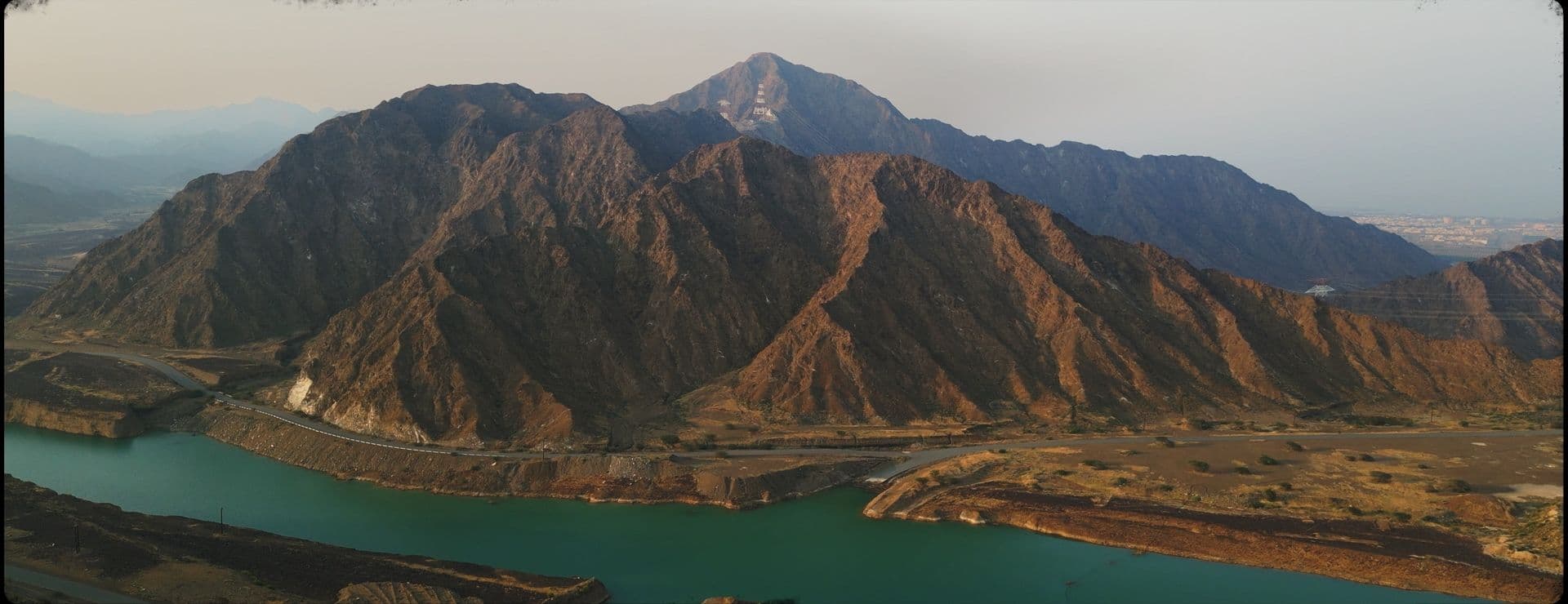
Brand work and institutional work reward different instincts. A brand film can exaggerate. An institutional film cannot, because ministers, historians and former staff will watch it. Sedrah Stories made Wadi Wurayah, a documentary produced for Fujairah's UNESCO file, which was successfully nominated as human heritage, work that had to stand up to the scrutiny of a formal international record. You can see the documentaries Sedrah Stories has produced and judge the range for yourself.
Format flexibility
An archive rarely fits one shape. A studio that only makes single films will push you toward a single film. Look for one that can propose a standalone institutional film, a short-film series or a long-format internal record, and explain why one suits your material better than the others.
Post-production discipline
Archive films are won or lost in the edit. Mixed sources need consistent color, careful sound restoration, accurate captions and dates, and a clear system for tracking where every clip came from. Ask how the studio documents sources through post-production. A clean source log protects you when a stakeholder asks where an image came from, which may be years after the premiere.
How Discovery and Research Protect an Institution's Legacy
A research-driven documentary protects its subject by refusing to guess. The first two of our five stages exist to make sure nothing reaches the script that cannot be supported.
Discovery: establishing what already exists
The discovery stage maps the raw material. We find out what the organization holds, where it is stored, what condition it is in, who controls access, and what is missing. Discovery also identifies the people worth interviewing and the occasion the film must serve. How long this takes depends on the size and condition of the archive: a small, well-organized collection is mapped far faster than one spread across multiple departments, sites or decades. By the end of it, everyone knows what the archive can carry and where new filming will be needed.
Research: verifying history before writing a script
Research tests every claim the film might make against documents, records and testimony. Dates are cross-checked. Names are confirmed with families or colleagues. Where sources disagree, the disagreement is resolved or acknowledged before a single line of narration is written. The time this takes depends on how much material needs cross-checking and how many sources need reconciling; a straightforward timeline moves quickly, while contested or missing history takes longer to verify properly.
This matters most when a film becomes part of a formal record. A UNESCO Intangible Cultural Heritage nomination file, for example, includes a nomination form, evidence of community consent, an inventory extract, ten photos and a video. We made Wadi Wurayah, a documentary for Fujairah's UNESCO file, which was successfully nominated as human heritage. A corporate archive will rarely face that level of scrutiny, but the principle is the same: a film that enters a permanent record has to be right.
Choosing the Right Format for an Archive Project
The documentary format should follow the shape of the archive and the purpose of the occasion. For a fuller treatment, read our short-film series vs feature documentary comparison.
A single institutional film
A single film suits a focused moment: an anniversary, a building opening, a leadership transition. It tells one story with one arc and is built to be screened at a single event and then kept. The discipline is selection. Much of a rich archive will be left out, and that is a strength.
A short-film series across departments or eras
An institutional film series suits archives with distinct chapters. Each episode can take one era, one department or one founding figure, and give it room. Series also suit organizations that want to release work over time, on their own channels or in a heritage space, rather than all at once.
A long-format archive film for internal use
Some organizations need a fuller record than any public screening could hold. A long-format internal film can include extended interviews, detailed timelines and material too sensitive for public release. It becomes a reference for future leadership and new staff, and a source for shorter public films later.
What to Prepare Before You Request a Proposal
A clear starting point makes a documentary proposal more accurate and easier to compare. Our guide on how to brief a documentary production company covers the full brief. For a heritage archive project, prepare these three things first.
Inventory of existing material
List what you hold, even roughly:
- Photographs, with approximate dates and quantities
- Film reels, tapes and digital video, with formats where known
- Founding documents, correspondence and publications
- Objects, uniforms or artifacts that could be filmed
- Known gaps, such as years with no records
Key milestones or anniversaries driving the project
Name the occasion and its date, if there is one. A fixed screening date shapes every stage that follows, from research depth to the number of episodes that are realistic. If there is no occasion, say so. That opens up formats that would not fit a deadline.
Internal stakeholders who must approve the narrative
Identify who signs off on the story: leadership, legal, communications, and any founding families or senior figures whose history appears on screen. Agree early who has final approval. A film can stall in post-production when a new voice joins late with objections to the narrative.
Frequently asked questions
How long does it take to produce a corporate heritage archive film?
Timelines follow the five stages, and each one scales with the archive. Discovery and Research usually take the longest, since they involve locating, cataloguing and verifying material before any filming begins. Scripting follows once the research is settled and the claims it can support are clear. Production, the filming itself, is often the shortest stage in calendar terms, though interviews, re-enactments and locations add to it. Post-production, the edit, colour work and sound, can take as long as production, especially when the film mixes archive footage with new material. The state of the archive, the number of films, and how many people must approve the narrative all affect how long each stage runs.
Permits can add time too, and the requirements differ by emirate. In Dubai, script approval is mandatory for documentaries before the permit application, and the permit application must be filed no later than 15 working days before filming starts. Abu Dhabi runs its own process: a filming permit is mandatory for all filming activities, including documentaries, and requires approval from the Abu Dhabi Film Commission. We confirm which rules apply, and build the time for them into the schedule, once Discovery shows us where filming will take place.
Can old photographs and film reels be restored for use in a documentary?
Often, yes, though condition decides how much can be recovered. The UAE's National Archives in Abu Dhabi inspects and digitizes 16mm and 35mm reels using international preservation standards, which is the benchmark serious archive work should follow. Originals should be handled once, digitized carefully, and returned.
Who owns the footage and final film once production is complete?
Ownership is set in the production contract, so agree it before work begins. Separate the original archive material, the new footage and the finished film, since each can be treated differently. A useful reference point: donors to the National Archives retain ownership of their original collections and receive detailed copies. Your originals should stay yours in the same way.
Should a corporate heritage film be shown publicly or kept for internal use?
That depends on the material and the purpose. A public film builds reputation and suits anniversaries. An internal film can hold sensitive documents and candid testimony. Many organizations make both: a long internal record and a shorter public cut drawn from it.
What happens if large parts of the archive are missing or undocumented?
Gaps are common, and research is how they are handled. We look beyond the organization's own holdings to interviews with people who remember the period and to external collections such as the National Archives, which held 6.7 million photographs and documents when The National reported on its work. Where nothing survives, carefully researched re-enactment or narration can bridge the gap honestly.
If your organization is sitting on photographs, footage or documents that deserve more than a drawer, start a project with Sedrah Stories. Tell us what you hold, and we will tell you what kind of film it can become.
Read next: How to Choose a Documentary Partner for a Museum Opening in the UAE