


Key takeaways
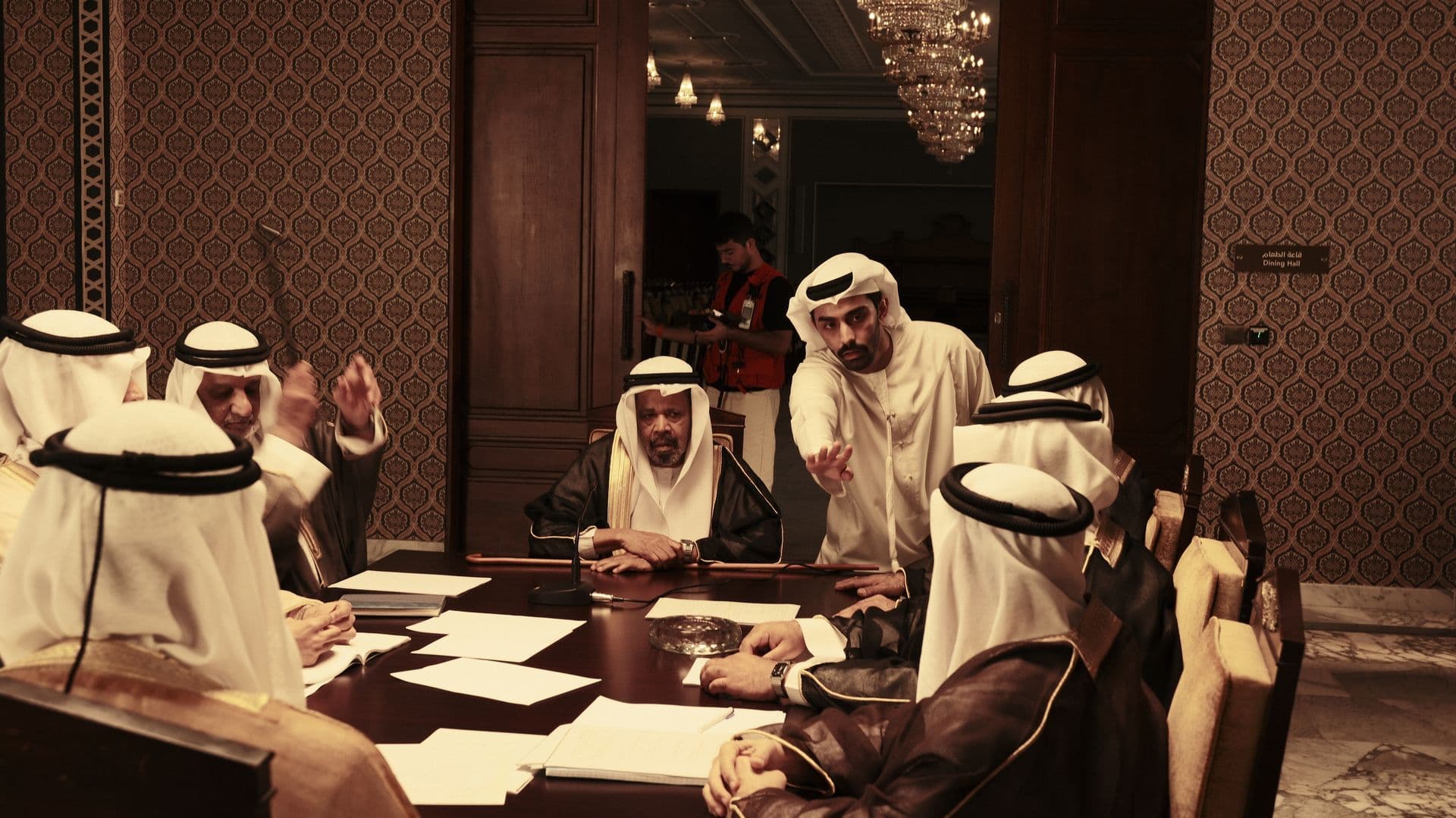
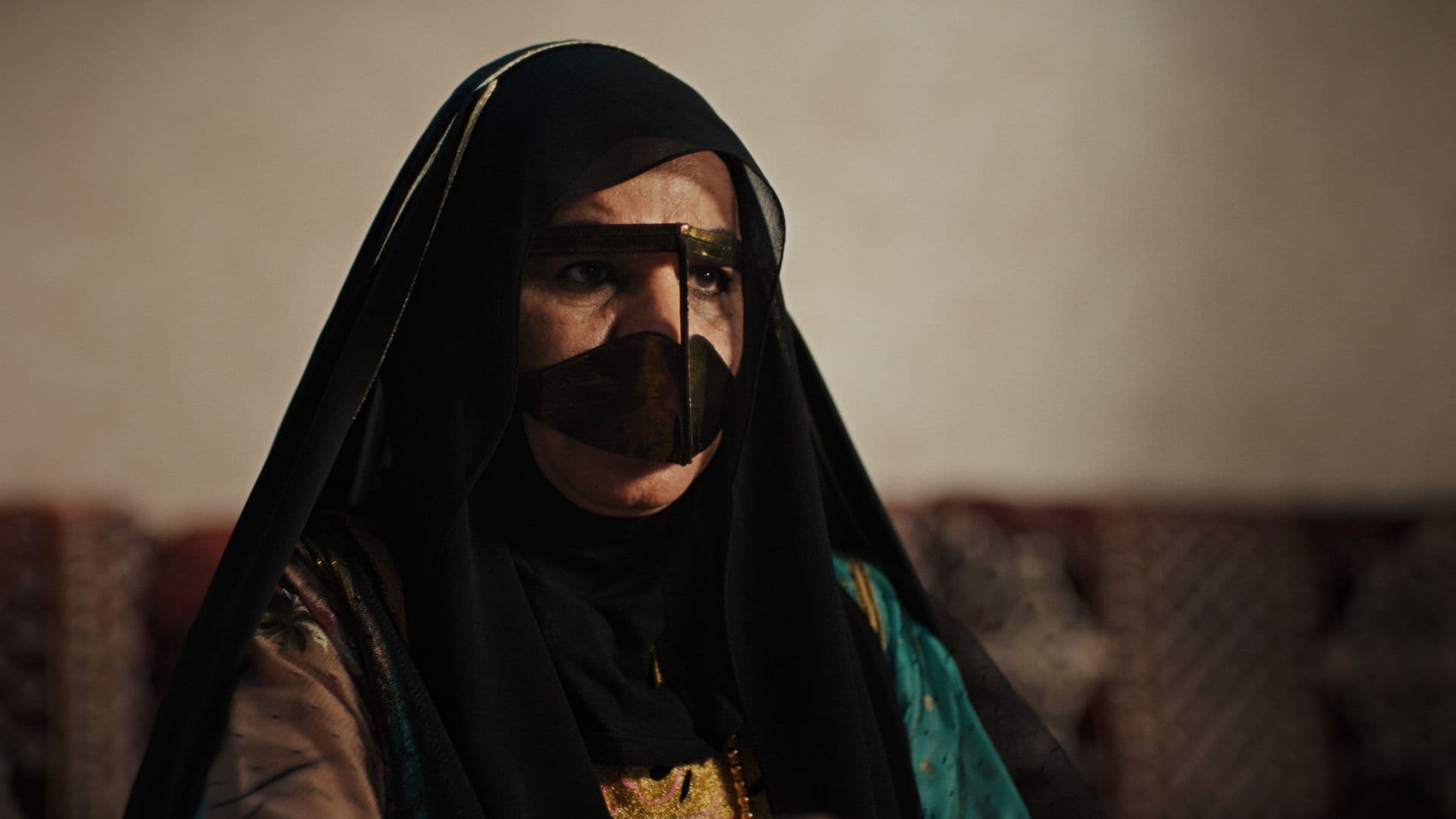
- A short-film series suits subjects with many distinct chapters, such as intangible heritage practices, where each episode can stand alone. Sedrah Stories built Sirat Arzag as 12 short documentaries drawn from more than 60 hours of recorded intangible heritage.
- A feature documentary suits a single, sustained narrative arc, such as one institution's founding story or one national moment, where splitting the material would weaken it.
- The research stage should decide the format, not precede it. The shape of the material, not a preference for one structure, tells you which fits.
- Distribution plans matter as much as content. A series spreads across platforms and occasions over months, while a feature is built for one sustained screening or broadcast moment.
- Budget and timeline differ by structure, not by prestige. A series multiplies scripting and editing work across episodes, while a feature concentrates that work into one continuous cut.
Why This Decision Comes Before Everything Else
The documentary short film series vs feature question is structural before it is creative, and at Sedrah Stories we treat it that way from the first meeting. A series breaks a subject into multiple 3 to 12 minute episodes, while a feature runs 60 to 90 minutes or more as one continuous film. The short answer is this: choose a series when your subject breaks into distinct chapters that can each hold an audience alone, and choose a feature when the story depends on one continuous arc that builds toward a single payoff.
The format decides almost everything that follows. It sets how wide the research has to range and how deep it has to go. It determines whether the script needs one opening and one ending or a dozen of each. It shapes the shoot schedule, the number of interviews, the archive you license and the length of the edit. It also decides where the film will live once it is finished: a premiere hall, a broadcast slot, a museum screen or a social feed.
When institutions choose by default, the material pays the price. A feature chosen because it feels more prestigious can stretch a set of separate stories into a shapeless two hours. A series chosen because short formats seem to suit social platforms can break a story that only works whole. Every film goes through the same five stages: research first, then the frame.
When a Short-Film Series Is the Right Shape
A short-film series is a set of standalone documentaries linked by a shared theme, a consistent visual language and a common purpose. Each episode has its own subject, its own people and its own resolution. A viewer can watch one and understand it fully, and watching several builds a larger picture than any single film could.
Subjects That Naturally Break Into Chapters
Intangible heritage is the clearest case. A craft, a poetic form, a musical tradition, a maritime practice, a way of preparing food: each has its own practitioners, its own setting, its own vocabulary and its own rhythm. The UAE now has 19 elements inscribed on UNESCO's Representative List of Intangible Cultural Heritage, and each of those traditions carries enough story for a film of its own.
Sirat Arzag, our series of 12 short documentaries, positions the UAE among the old and new worlds and draws on more than 60 hours of recorded intangible heritage. That volume of material, spread across many practices, is exactly the kind of body a series is built to hold. Forcing it into one film would mean either cutting most of it or rushing through all of it.
A subject is probably a series if:
- You can name the episodes before a script exists.
- Each chapter has its own protagonist, place or practice.
- An audience might reasonably meet one chapter without the others.
- The project is meant to grow, with new chapters added over time.
How a Series Extends a Project's Life After Launch
As a general principle for heritage series, not tied to any one project: a feature has one big moment, but a series can have many. Episodes can be released over months and tied to occasions across the calendar: National Day, heritage festivals, institutional anniversaries, exhibition openings, school terms. Each release is a fresh reason for audiences and press to pay attention.
Heritage work in particular runs on long horizons. The UAE's falconry file, for example, was originally nominated in 2000, first inscribed in 2010, and reached its fourth, expanded inscription after 11 years of continuous effort. A series can keep pace with that kind of timeline, adding episodes as the story develops.
The trade-off is consistency. A series only feels like a series if every episode shares a recognizable grammar: the same approach to titles, music, interview framing and narrative structure. That discipline has to be set in scripting and held through post-production.
When a Feature Documentary Is the Right Shape
A feature documentary is a single long-form film, typically running 60 to 90 minutes or more, built around one continuous arc. It asks the audience for sustained attention and rewards it with accumulation: scenes gain meaning from what came before them.
One Arc, One Occasion
Features suit stories with a clear beginning, middle and end. An institution's founding and growth. A national milestone and the years that led to it. A single life whose meaning is only visible across its full span. These subjects have one thread, and the film's job is to follow it.
They also suit occasions with one moment of focus: a premiere, a national broadcast, an anniversary screening, a gala. When an institution wants an audience in one room, watching one story at one time, a feature is the format built for that.
Why Splitting Some Stories Weakens Them
Some stories depend on setup and payoff. An archival photograph introduced early carries far more weight an hour later. A founder's early doubt gives the final achievement its meaning. A place seen empty at the start means something different when it is seen full at the end.
Cut that story into eight-minute pieces and each piece needs its own opening, its own tension and its own ending. The connective tissue disappears. The payoff loses its setup. A useful test: if the most important scene in your story only works because of everything before it, you are looking at a feature.
Comparing the Two Formats: Documentary Short-Film Series vs Feature
- Structure: Short-film series: Many standalone episodes linked by a theme; Feature documentary: One continuous narrative arc
- Research demand: Short-film series: Breadth: many subjects, practitioners and locations; Feature documentary: Depth: one subject, followed closely and verified thoroughly
- Scripting: Short-film series: An opening, structure and resolution for every episode; Feature documentary: One script with long-range setups and payoffs
- Production: Short-film series: Many locations and contributors, often shot in blocks; Feature documentary: Fewer subjects, revisited across time
- Post-production: Short-film series: Repeated edits held to a shared visual grammar; Feature documentary: One sustained edit, shaped as a whole
- Distribution: Short-film series: Released over months across platforms and occasions; Feature documentary: Built for a premiere, broadcast or screening moment
- Typical use case: Short-film series: Intangible heritage, multi-part knowledge programs, archives of practice; Feature documentary: Founding stories, national milestones, single lives
- Main risk: Short-film series: Episodes drifting apart in tone or quality; Feature documentary: Pacing that sags if the arc is not strong enough
How the Five-Stage Methodology Applies to Each Format
Our five stages stay the same whichever format a project takes: Discovery, Research, Scripting, Production, Post-production. What changes is the shape of the work inside each stage.
Discovery is where the format question is first raised, but not answered. We look at the purpose, the audience, the occasion and the material that already exists. A research-driven documentary begins with listening, not with a structure.
Research for a Series: Mapping Many Threads
Series research works like cartography. We identify the practices, people and places that belong in the project, then test each one: is there enough story here for a standalone film? Are the practitioners willing and available? Does this chapter add something the others do not? The output is a map of episodes, each with its own sources, contributors and cultural sensitivities to respect. For intangible heritage, that often means working closely with communities and custodians across several regions at once.
Research for a Feature: Following One Thread Deep
Feature research works like excavation. One subject, explored from every angle: archives, oral histories, documents, the people who were there and the people who remember them. Every claim has to hold up, because a feature's argument builds across its whole runtime. A single weak fact early on can undermine everything after it.
Scripting follows from research. A series script is really a set of scripts sharing a template, with recurring structure and a common voice. A feature script is one long architecture, where the placement of each scene matters as much as its content.
Production for a series often means more locations and more contributors, scheduled in efficient blocks. A feature may involve fewer subjects but more returns to them, sometimes across months.
Post-production is where the formats diverge most in time. As a rough industry guideline, the Alliance of Documentary Editors suggests roughly one month of editing per ten minutes of finished content for feature and long-form work, a benchmark that would put a 90-minute feature at around nine months in the edit alone rather than a fixed rule for every project. For episodic work, the same guide recommends 16 to 18 weeks for a 42-minute episode as a guideline, a faster pace per minute. Shorter episodes move faster again, but they repeat: every episode needs its own rough cut, fine cut, grade and mix.
Questions to Settle Before You Commission Either Format
Before commissioning a documentary, work through these questions with your stakeholders. The answers will tell a production partner far more than a format preference will.
- What is the story in one sentence? If it needs a list rather than a sentence, you may be describing a series.
- Is there one occasion or many? A single launch date points toward a feature. A year of occasions points toward a series.
- Where will audiences watch? A screening hall, a broadcast slot, an exhibition, a website and a social feed each favor different lengths.
- How many distinct subjects, people or practices are involved? Count them honestly.
- What material already exists? Archive footage, photographs, previous interviews and documents all shape what is possible.
- Who must review the film for cultural and historical accuracy? Build their time into the schedule.
- Is there a heritage nomination or official file involved? Formal requirements may dictate length and content for at least one deliverable.
- How long should the work stay in use? A project meant to grow over years suits a series. A definitive record of one moment suits a feature.
Related: How to make a documentary short-film series for social platforms · Documentary production for cultural foundations
Frequently asked questions
Can a single project combine a short-film series and a feature documentary?
Yes, and for large heritage or institutional projects it can be the strongest approach. The research and production stages serve both, and the edit produces a feature for the main occasion alongside shorter episodes for ongoing release. The key is planning both from Discovery, so the shoot captures what each format needs.
How long does producing a short-film series take compared to a feature documentary?
A single short documentary of 3 to 12 minutes typically takes two to four months from first conversation to final delivery, broken down roughly as four to six weeks of pre-production, one to five days of shooting and four to six weeks of post-production. A feature typically takes six months to two years from concept to finished film. A series multiplies that short-documentary baseline by the number of episodes, though research, shooting and editing can overlap. Release can also begin before every episode is finished.
How many episodes does a typical heritage short-film series have?
There is no fixed number. The research should decide it, based on how many distinct practices, places or people the subject genuinely holds. Sirat Arzag runs to 12 short documentaries, but a smaller subject may need only a handful, and an ongoing project can keep adding chapters.
Does a feature documentary generally cost more than a series with the same total runtime?
Not necessarily. A series with the same total runtime often needs more scripting, more locations and more separate edits, since every episode needs its own structure and finish. A feature concentrates the work into one sustained edit, which takes longer per minute. The real cost drivers are research depth, number of contributors, shoot days, archive licensing and editing time.
Which format works better for a UNESCO nomination file?
Each nomination file requires a video alongside the nomination form, community consent, an inventory extract and ten photos, and the required videos cluster around the ten-minute mark. That makes a tightly made short film the right deliverable for the file itself. A series or feature can then extend the story for public audiences beyond the nomination.
Can a feature documentary later be recut into a short-film series, or vice versa?
It is possible, but the two rarely translate cleanly. A feature's scenes depend on each other, so extracted episodes often lack openings and endings, while stitched-together episodes can feel repetitive as one film. If both versions are likely, plan for them in Scripting so the material is shot and structured to work either way.
Costs for either format vary with research depth, the number of shoot days and the number of episodes, so there is no single figure that fits every project. Not sure which format fits your institution's story? Start a project with Sedrah Stories and we will work through Discovery with you, and give you a quote tailored to your project, before you commit to either shape.