



Key takeaways
- A UNESCO nomination film specialist builds evidence for a dossier. The work is not a promotional reel, so research and documentation matter more than visual flair.
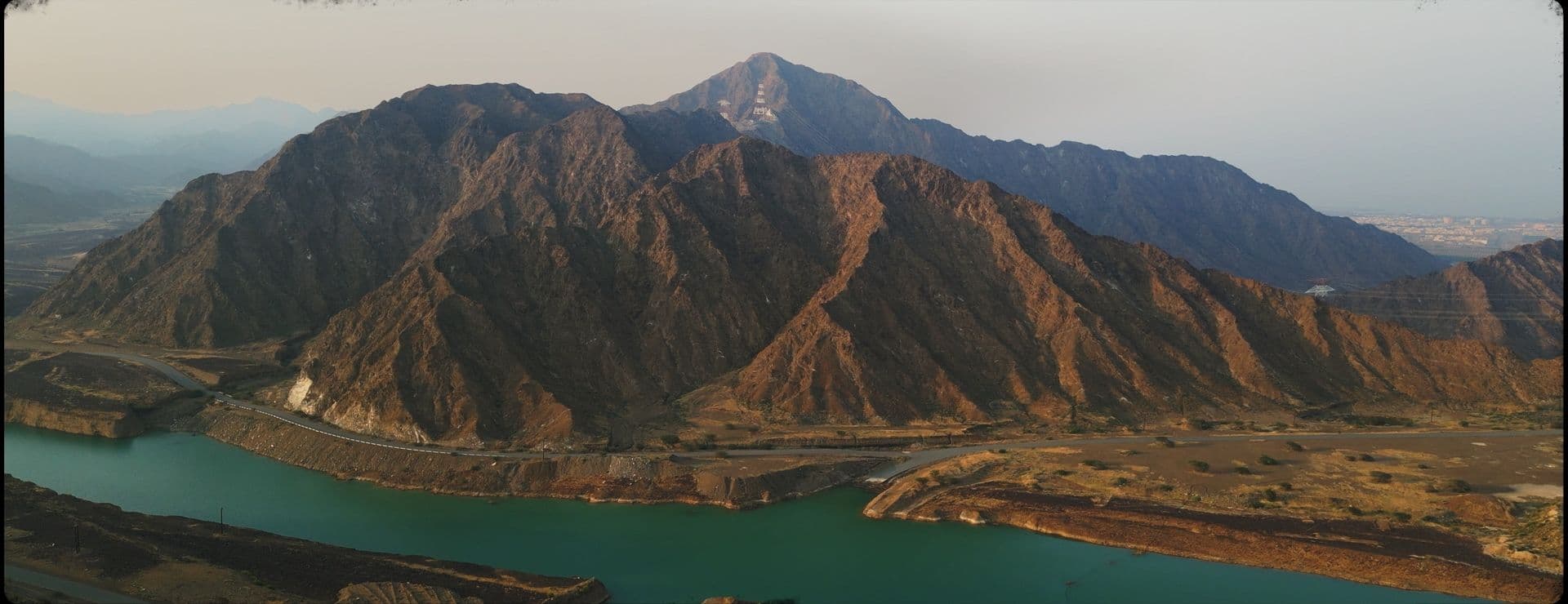
- Sedrah Stories made the documentary for Fujairah's Wadi Wurayah file, which was successfully nominated as human heritage.
- The right specialist works in five stages: Discovery, Research, Scripting, Production, Post-production. Research comes before any filming decision.
- Before you judge any showreel, ask for evidence of archival sourcing, community consultation and cultural accuracy review.
- A heritage file timeline and a list of practitioners or custodians, prepared in advance, shortens discovery and sharpens the eventual film.
What a UNESCO Nomination Film Specialist Actually Does
A UNESCO nomination film specialist makes a film that works as evidence. It sits inside a nomination dossier and supports what the written file claims: that a practice or place exists, that it is alive, that its community recognizes it, and that it deserves protection. At Sedrah Stories, we treat that film as a document first and as cinema second. When you choose a specialist, look for someone who can research, consult and verify. Visual craft matters, but it comes after.
Documentation for a dossier, not a trailer for an audience
A corporate or event film is made to persuade a viewer. A nomination film is made to be examined. Its audience is a panel of evaluators who read it alongside forms, inventories and photographs. They want to see the practice, the place and the people. Sweeping aerials set to a rising score will not answer their questions.
For intangible heritage files, UNESCO's forms page lists a separate video form (ICH-07-video) and photo form (ICH-07-photo) that accompany the written nomination form, ICH-01. The film is an annex with its own requirements. It cannot be a general promotional video with a new title card.
Why the film becomes part of the written case
Every frame should answer to a claim in the dossier. Suppose the file describes how a craft passes from elder to apprentice. The film should show that transmission, in the voices of the people who carry it. Suppose the file describes a site and its bond with a community. The film should show both, accurately, without decoration.
The documentary made for Fujairah's UNESCO file was successfully nominated as human heritage. It shows what that kind of evidence can look like on screen.
The Checklist: What to Look For in a Specialist
Heritage filmmaking in the UAE attracts many production houses. Few are built for nomination work. Four tests separate real heritage expertise from a general pitch:
- The studio can research before it can shoot.
- It can show how it consults communities and records their consent.
- It works to a written methodology with defined stages.
- It understands the nomination category your file sits in.
Research capability before camera capability
A research-driven documentary starts with sources: archives, oral histories, academic references and national inventories. Ask who does the research, what their background is, and how findings are logged. For intangible heritage, UNESCO's procedure of inscription requires that the element is already "included in an inventory of the intangible cultural heritage present in the territory(ies) of the submitting State(s) Party(ies)". A serious specialist checks that inventory entry and works from it, so the film and the record speak the same language.
Evidence of cultural and community consultation
UNESCO asks that an element be identified with "the widest possible participation of the community, group or, if applicable, individuals concerned and with their free, prior and informed consent" (source). A film built on interviews gathered without proper consent records can weaken the file it was meant to support. Ask to see how a studio documents consent, who it consulted on past work, and how practitioners review their own portrayal.
A documented methodology, not an improvised brief
Nomination work needs stages, deliverables and sign-off points on paper. It also needs current paperwork. The ICH-01 nomination form was most recently revised on 9 April 2025 (source), so a specialist should confirm they are working against the current version. The UNESCO Secretariat handles technical questions at ICH-Nominations@unesco.org, which is the right place to verify a form version.
Experience with the specific nomination category
A living practice and a natural or cultural site call for different evidence. One centers on people and transmission. The other centers on place, ecology and history. A studio that follows the UAE's new UNESCO heritage listings will understand what has already been recognized and where your file fits.
- Starting point: Heritage nomination specialist: The dossier and its criteria; General production agency: A creative concept or mood board
- Research: Heritage nomination specialist: Dedicated research stage, sources logged; General production agency: Light background reading, if any
- Community role: Heritage nomination specialist: Consulted, consent documented, portrayal reviewed; General production agency: Interviewed on the day
- Methodology: Heritage nomination specialist: Written stages with sign-off points; General production agency: Shoot schedule and edit rounds
- Accuracy review: Heritage nomination specialist: Names, terms and translations checked against sources; General production agency: Spell-check on subtitles
- Deliverables: Heritage nomination specialist: Film, research file, consent records, archive; General production agency: Final cut and social edits
Questions to Ask Before You Shortlist Anyone
These questions are short. The answers tell you a great deal.
Questions about sourcing and references
- Who leads the research, and what is their background in history, anthropology or heritage?
- How is each factual statement in the script sourced and recorded?
- Can you show a research file from a past project, where confidentiality allows?
- How do you clear rights for archival photographs, footage and recordings?
Questions about access and custodian relationships
- Which practitioners, families or site custodians do you plan to speak with, and how will you reach them?
- How will consent be recorded, and in which language?
- Will the people on screen see how they are represented before the film is final?
- Who is your cultural advisor, and can we speak with them?
Questions about timelines and nomination deadlines
UNESCO deadlines are fixed and they do not move for a late edit. For the cycle now in progress, the Representative List deadline fell on 31 March 2026, for possible inscription in 2027, and the Urgent Safeguarding List transfer deadline fell earlier still, on 31 January 2026 (source). Both cycles now wait on the Intergovernmental Committee, which meets for its 21st session on 30 November 2026 (source).
- Is your schedule built backward from the submission deadline for our cycle?
- How much time have you set aside for the file's authors to review the cut?
- What happens to the schedule if a key practitioner becomes unavailable?
- If our file concerns urgent safeguarding, are you familiar with Form ICH-05, the request for financial assistance to prepare such nominations, revised on 18 March 2026 (source)?
How the Five-Stage Methodology Supports a Nomination File
Every film goes through the same five stages: research first, then the frame. For a nomination file, that order is the point.
Discovery and Research: building the evidence base
Discovery is listening. We learn the file: its category, its criteria, its authors, its deadline and the people whose heritage it describes. We map what already exists in writing, in archives and in memory.
Research is verification. We check the inventory entry. We gather sources and record where each fact comes from. We meet practitioners and custodians, explain the film, and document their consent. Nothing is scheduled for filming until research tells us what the film must show.
Scripting against the dossier's own language
Research-driven scripting means the script is mapped to the dossier. Each sequence answers a criterion. Names of places, practices and tools match the spelling and transliteration in the written file. Where Arabic terms appear, they appear as the community uses them.
Narration stays restrained. Practitioners speak for their own heritage. The script supports their words and does not compete with them.
Production and Post-production: keeping the record intact
On location, we film what the research identified and log who appears, where and with what consent. In post-production, the edit serves accuracy. Subtitles are checked against the original speech. Nothing is cut in a way that changes meaning.
Our work on The Pledge Day shows the habit we bring to every film. It was a tribute shot 100% on film, with no digitalization, and its research notes and references sit beside the frames they informed. For a nomination file, that link between source and frame is what lets evaluators trust what they see.
Red Flags That Signal a Studio Isn't Ready for This Work
Some warning signs show up in the first meeting. Screen for them early.
A showreel with no research credits
A reel proves a studio can light and edit. It does not prove it can research. If no project lists a researcher, historian or cultural advisor, ask why. Our guide on how to judge a documentary filmmaker's showreel covers what to look for beyond the images.
No named cultural advisor or custodian contact
A nomination film depends on trust with the people it portrays. A studio that cannot name who will advise on cultural accuracy, or who will act as the bridge to practitioners, is planning to improvise that trust. Improvised trust tends to break at the consent stage.
A production timeline set before research begins
If a proposal fixes shoot days and locations before anyone has read the dossier, the film is being designed from the outside in. Research may later reveal a seasonal practice, a ceremony on a fixed date or a custodian who needs more time. A schedule written before research cannot absorb that.
What to Prepare Before You Approach a Specialist
Good preparation on your side shortens Discovery and gives the film a firmer spine. Gather these before the first meeting.
The nomination file's existing timeline
Bring the submission deadline you are working toward, the internal review dates, and the stage the written dossier has reached. Note whether the element already appears in the national inventory. A clear timeline also makes it easier to discuss what a UNESCO nomination film costs in the UAE, because scope and schedule shape each other.
A list of practitioners, custodians or site contacts
List the people who hold the practice or care for the site. Include elders, families, associations and authorities, with a note on who has already been approached and who has agreed to take part. This list is the start of the consent record UNESCO expects.
Any prior documentation, footage or archival material
Collect old photographs, recordings, earlier films, field notes and published research. Note who owns each item and whether rights are cleared. Existing material can strengthen the film, and knowing its status early avoids surprises in post-production.
Frequently asked questions
How long does a UNESCO nomination film usually take to produce in the UAE?
It depends on the category, the number of practitioners and whether the practice is seasonal. The most reliable approach is to plan backward from the UNESCO submission deadline for your cycle, leaving room for research, consent, review by the file's authors and revisions. Starting research well before filming protects the deadline.
Who typically commissions a UNESCO nomination film, a government body or the practitioners themselves?
Nominations are submitted by States Parties, so in the UAE the commission usually comes from a government or cultural authority preparing the file. The communities concerned still play a central role. UNESCO expects their wide participation and their free, prior and informed consent, so practitioners should be partners in the film, not only subjects.
What happens to the film after a site or practice is successfully listed?
The film remains part of the documentary record of the nomination. Institutions often go on to use the footage and research in archives, education and safeguarding work, subject to the rights and consents agreed. Planning for that afterlife during production makes the material far more useful later.
Does a UNESCO nomination film need to be shot differently from a standard institutional documentary?
Yes. The priority is accurate documentation of the practice or site, with the community speaking in its own voice and every scene tied to a claim in the dossier. It is also delivered against UNESCO's own video form rather than a broadcast or campaign brief, so consent records, sourcing and accuracy checks carry as much weight as the images.
Can an existing corporate video be adapted for a UNESCO nomination file?
Rarely in full. Corporate footage is usually shot without consent documentation for nomination use, without sourced research behind it, and with a promotional purpose. Some clips may be usable as supporting material if rights and consent can be confirmed, but the nomination film itself is best built from research outward.
If your institution is preparing a nomination file, start a project with Sedrah Stories and let's talk through the research before we talk about the camera.