


Key takeaways
- Cultural foundation documentary production in the UAE begins with research and cultural verification. The camera plan comes later.
- A foundation's film often has to satisfy scholars, government reviewers and the public at once. A generic corporate video brief is not built for that.
- The five-stage methodology (Discovery, Research, Scripting, Production, Post-production) gives a foundation points at which to approve content before a single frame is shot.
- Formats range from single long-form documentaries to UNESCO nomination films. Sedrah Stories' work on Wadi Wurayah's human heritage nomination is one example.
- Ask about research sourcing, archival rights and cultural advisors before you compare day rates or shoot schedules.
What Cultural Foundation Documentary Production Actually Means in the UAE
Cultural foundation documentary production in the UAE is the commissioning of a factual film whose first duty is to the record. The record might be a craft, a place, a family of oral traditions or an institution's own history. The film must be accurate enough for scholars, careful enough for the state and moving enough for the public. At Sedrah Stories, we treat it as research that happens to end in cinema.
That definition rules some things out. A launch video for a new cultural center is marketing. A recap of a festival weekend is event coverage. Both have their place, and neither is what this article covers.
This article applies if your commission matches any of the following:
- The subject is heritage, tangible or intangible, and it belongs to the nation or a community, not to a brand.
- The film will outlive the occasion it was made for and sit in an archive, a museum or a nomination file.
- Experts outside your organization will judge whether it is right.
- You need someone to find the story, not only to film one you already have.
Why a Cultural Foundation's Brief Differs From a Corporate One
A corporate brief asks for a message. A foundation's brief asks for the truth, told well. That difference shapes everything that follows: who works on the film, how long research takes, and how many people have to say yes before it is released.
Heritage filmmaking in the UAE also carries the weight of national identity. A film about falconry, pearl diving or a mountain wadi is never only about its subject. It speaks for a country that is still deciding how it wants to be remembered. Cultural accuracy in a documentary of this kind is not polish. It is the brief.
Who actually reviews the film before it is released
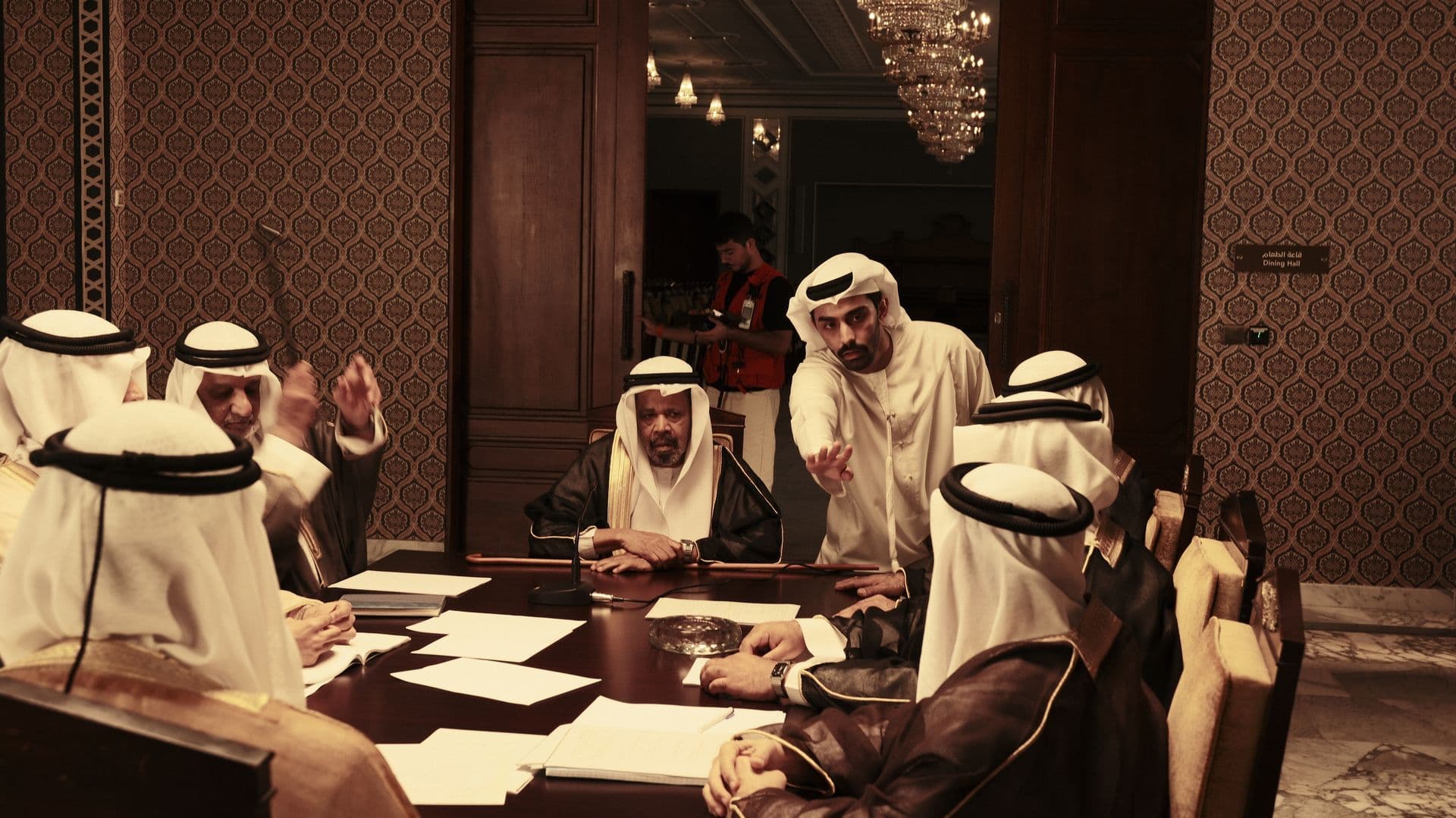
A corporate film usually passes through a marketing lead and a senior executive. A foundation's film may pass through many more hands:
- Subject experts: historians, anthropologists, linguists or the practitioners themselves.
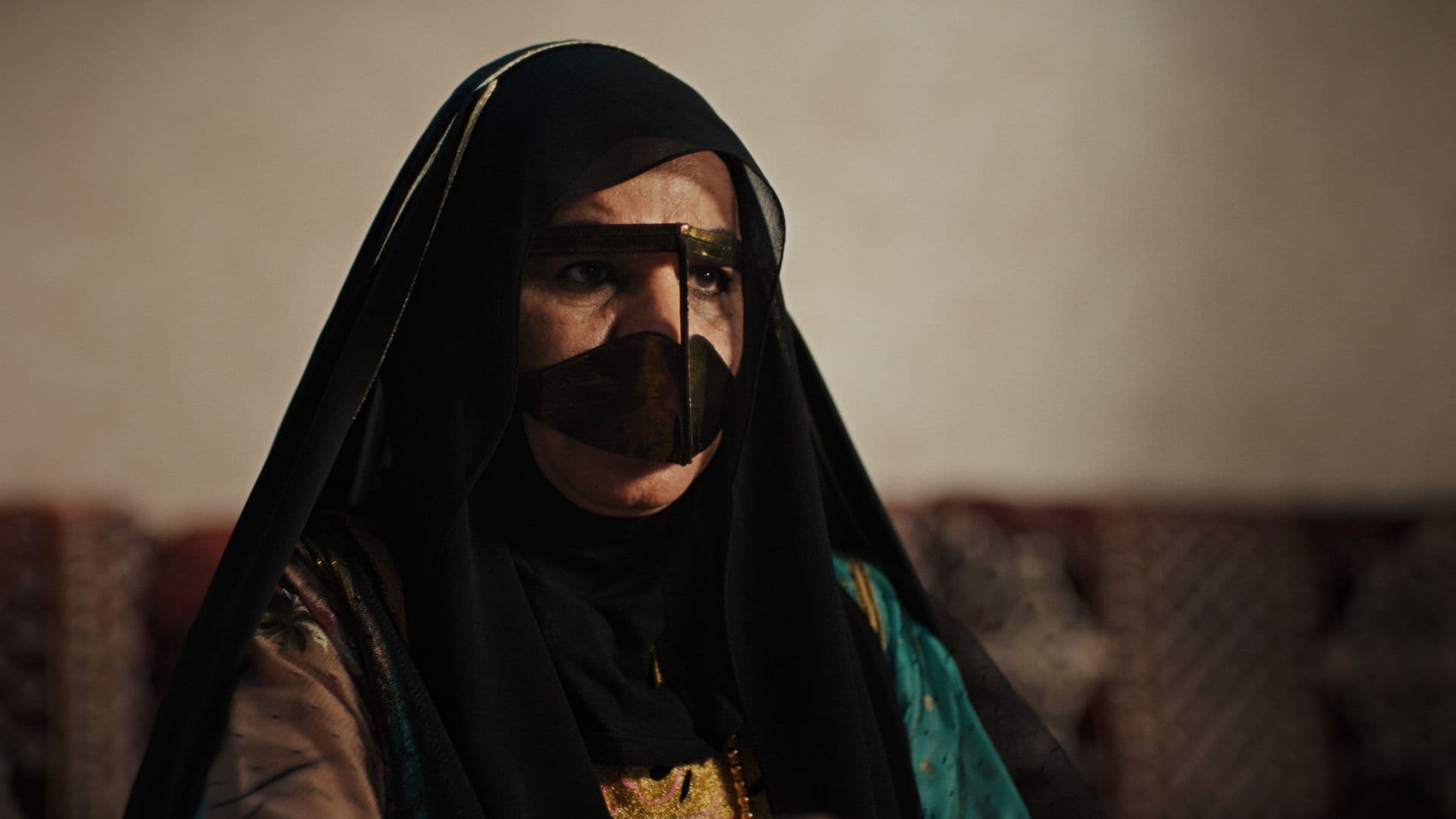
- Community bearers: the families and elders whose knowledge the film carries.
- Government reviewers: departments with oversight of culture, media or the sites involved.
- The foundation's board or leadership, who answer for the film publicly.
- International bodies, where the film supports a nomination or partnership.
Each group reads the film differently. A scholar watches for a wrong date. An elder listens for a wrong word. A reviewer looks at framing and tone. A production partner has to plan for every one of them from the start, not discover them at the final cut.
Why a single factual error carries more weight here
In a product film, an error costs a reshoot. In a heritage film, it can enter the record. Films are screened, quoted and archived, and they are sometimes cited in place of the sources they drew on. A misattributed tradition or a mispronounced place name can travel further than any correction.
There is also a question of trust. Communities share knowledge with a foundation because they believe it will be handled with care. This is why we verify before we write, and write before we film.
The Five Stages, Applied to a Foundation's Commission
Every film goes through the same five stages: research first, then the frame. For a cultural foundation, each stage ends with a checkpoint, a point at which you approve the work before more is built on it.
Discovery: defining what the foundation is actually preserving
Discovery answers one question: what must this film keep alive? The answer is rarely the first one offered. A foundation may ask for a film about a festival when what it truly holds is the knowledge of the people who run it.
In Discovery we meet the foundation's team, map its audiences and agree on the film's purpose, length and final home. Will it run in a gallery, on broadcast or inside a dossier? That decision changes the structure of everything after it.
Checkpoint: a written statement of subject, audience and purpose, signed off by the foundation.
Research: building the file before the script
Research is where our approach differs most from a standard production. We build a research file: archival sources, published scholarship, oral testimony and a list of the people who can confirm or correct each claim. Research-driven scripting in the UAE depends on this file. Without it, the script is guesswork with good lighting.
We also identify cultural advisors at this stage. Their role is to read the research and later the script, and to flag anything that would sit wrongly with the community or the state.
Checkpoint: an approved research file and an agreed list of advisors and interviewees.
Scripting and production: where the research becomes a story
The script turns verified material into narrative. It sets the structure, the voice and the order in which the viewer learns things. For heritage subjects, it also marks what must be filmed with particular care: a ritual that should not be staged, a site that needs permission, an object that can only be handled by its keepers.
Production follows the approved script, though a documentary always leaves room for what the camera finds.
Checkpoint: an approved script before the shoot, and a review of interview selections afterward.
Post-production: review cycles for accuracy as much as tone
Editing is where a film finds its rhythm. For a foundation, it is also where accuracy is checked a second time. We plan review rounds in which advisors watch rough cuts for factual and cultural correctness, separately from the foundation's notes on tone and pacing.
Subtitles, translations and on-screen text receive the same scrutiny. A transliterated name or an Arabic term rendered loosely in English can undo careful research.
Checkpoint: advisor sign-off on facts, then foundation sign-off on the final cut.
The Formats Cultural Foundations Commission Most Often
The format follows the purpose agreed in Discovery. These are the four we see foundations need most.
Single-subject heritage documentaries
A heritage documentary in the UAE often centers on one subject explored in depth: a craft, a figure, a landscape or a tradition. These are long-form films, made to be watched in full and kept. They suit foundations that want a definitive account of something they safeguard, and they carry the heaviest research load of any format.
Institutional tribute and milestone films
Some commissions honor people or achievements within national life. Challenge 71, a documentary on a competition among UAE government achievers, followed a competition among the country's top government achievers across all sectors. Films like this sit between documentary and tribute. They need the same factual discipline, because they become part of how an institution remembers its own people.
UNESCO nomination and dossier support films
Nomination films have one of the clearest briefs a foundation will ever write. UNESCO's published nomination examples for the Representative List of the Intangible Cultural Heritage of Humanity show accompanying films with a runtime of about ten minutes. Ten minutes must make the case for an entire tradition to an international committee.
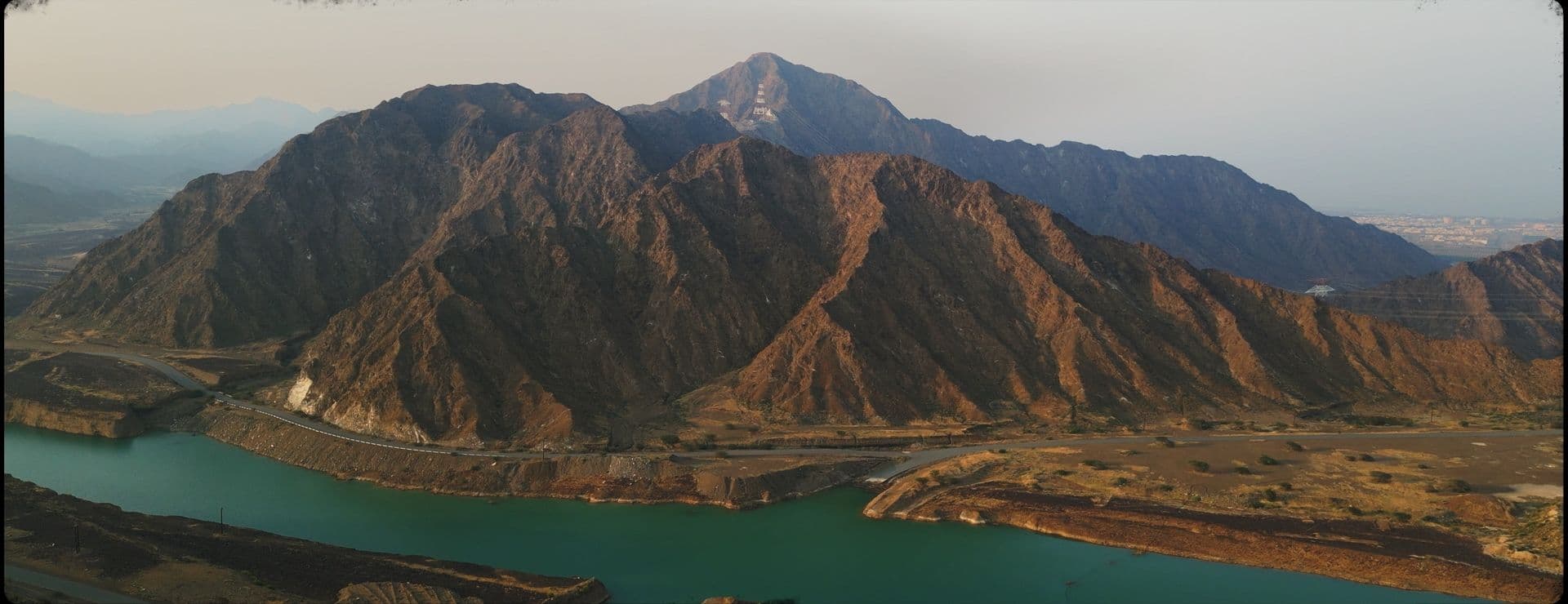
The Wadi Wurayah documentary made for Fujairah's UNESCO file was part of a nomination that was successfully nominated as human heritage.
Short-film series for intangible culture
An intangible culture film rarely fits a single runtime. Songs, games, crafts, recipes and oral poetry often work better as a series of short films, each giving one practice its own space. Series also suit digital channels and school programs, and they let a foundation add episodes as its research grows.
Cultural Foundation Documentary vs Generic Heritage Video
A heritage video production comparison comes down to where the work begins. Research-led production starts with the record. A generic approach starts with the shoot.
- Starting point: Research-led cultural foundation documentary: Discovery and a research file; Generic heritage video: A shot list and a shoot date
- Sources: Research-led cultural foundation documentary: Archives, scholarship and oral testimony, verified and logged; Generic heritage video: The client's brief and whoever is available on the day
- Cultural advisors: Research-led cultural foundation documentary: Named early, consulted at script and rough cut; Generic heritage video: Rarely involved, or only at the end
- Approval points: Research-led cultural foundation documentary: One at the end of each of five stages; Generic heritage video: Usually a single review of the edit
- Interviews: Research-led cultural foundation documentary: Chosen for authority and community standing; Generic heritage video: Chosen for availability and screen presence
- Script: Research-led cultural foundation documentary: Written and approved before filming; Generic heritage video: Often built in the edit from what was captured
- Accuracy review: Research-led cultural foundation documentary: A separate round for facts and terminology; Generic heritage video: Folded into general feedback
- Lifespan: Research-led cultural foundation documentary: Built to be archived, screened and cited; Generic heritage video: Built for a campaign or an event
- Typical use: Research-led cultural foundation documentary: Heritage records, tributes, UNESCO files; Generic heritage video: Promotion, social media, event recaps
Neither column is wrong for every purpose. A festival recap does not need a research file. A film that will speak for a tradition does.
What to Ask Before You Commission a Cultural Foundation Film
Day rates and shoot schedules are easy to compare and tell you little. These questions to ask a documentary production company reveal how the film will actually be made.
Questions about research and sourcing
- Who does the research, and what are their qualifications in this subject?
- Will we receive the research file as a deliverable?
- How are claims verified, and who confirms them?
- Which archives will you draw on, and who clears the rights to that material?
- Who are the cultural advisors, and how were they chosen?
Questions about review and approval stages
- At which points will we approve the work before you move on?
- How many rounds of review are included at each stage?
- Is there a separate accuracy review for facts, names and terminology?
- How do you handle a disagreement between an advisor and our own team?
- Who manages permits, and how much time is built in for them?
Questions about format and audience
- Given our purpose, which format do you recommend, and why?
- Where will the film be shown, and how does that shape its length?
- Will we receive language versions, subtitles or cut-downs?
- If this film might later support a nomination, how will it be structured for that?
- Who owns the raw footage, interviews and research once the project ends?
A partner who answers these clearly, before discussing cameras, is a partner who has done this before.
Related: UAE's new UNESCO heritage listings in 2026 · How to shoot a documentary film at UAE heritage sites
Frequently asked questions
How long does it take to produce a documentary for a cultural foundation in the UAE?
It depends most on research depth, the number of review rounds and the permits involved. A short-film series on a well-documented subject moves faster than a long-form film on a tradition held mainly in oral memory. We agree on a schedule at the end of Discovery, once the scope and the approvals required are clear.
Who owns the footage and research material after a foundation commissions a documentary?
Ownership is set in the production contract, so agree on it before work begins. Ask specifically about raw footage, interview recordings, the research file and any licensed archival material. Archival rights often belong to third parties, and their license terms may limit future use.
Can a cultural foundation documentary be used later for a UNESCO nomination file?
It can supply material, but a nomination film usually needs its own edit. UNESCO's published examples show accompanying films of about ten minutes, shaped to make a specific case. If a nomination is possible, say so in Discovery so we can film and clear material with that use in mind.
What size team does a foundation need to assign to work with a production company?
A small, committed team works best. Most foundations need a project lead who handles day-to-day decisions, a subject expert who checks facts, and a senior approver with authority to sign off each stage. Clear roles matter more than numbers, because unclear approvals cause more delay than any shoot.
Does a cultural foundation documentary need a government permit to film at heritage sites?
Yes. Each emirate has its own film authority, and heritage sites often require extra approval from the body that manages them. In Dubai, documentaries fall under the scripted long-form category, listed at Dh2,500 for up to 30 days and applied for by a UAE-licensed production company. Your production partner should plan permit time into the schedule from the start.
If your foundation is weighing up how to carry its story on film, talk to Sedrah Stories and we will walk you through discovery and research before anything else.