


Key takeaways
- Health and education institutions need a documentary partner who can manage clinical access, patient or student consent and privacy. A crew that can only point a camera is not enough.
- Sedrah Stories applies the same five-stage methodology (discovery, research, scripting, production and post-production) to an institutional legacy film as it does to a national heritage tribute.
- Films commissioned by health and education bodies range from full-length legacy documentaries to short series and behind-the-scenes archival capture.
- Institutions that prepare access approvals and a clear research brief before requesting a quote move through the five stages faster.
Health Institution Documentary Production in the UAE: What Health and Education Bodies Actually Need
Health institution documentary production in the UAE means turning the history and daily practice of a hospital, health authority, school or university into a factual film. That film has to be accurate, fully consented and fit to sit in the institution's archive for decades.
At Sedrah Stories, we treat it as documentary filmmaking under clinical and academic constraints. The research comes before the camera. The signed approvals come before access. The script is built from what is true inside the building, not from what reads well in a brochure.
This is why these institutions cannot treat the work as corporate video. The subject is rarely a product. It might be the founding generation of a hospital's physicians, a university's first graduating class, or a public health effort that reached every emirate. These films are screened at anniversaries, official visits and graduations. They are kept long after the people in them have retired.
A serious partner for this work brings:
- A research lead who can work through archives, annual reports, oral histories and photographs, and can separate the record from institutional folklore.
- A producer who can secure access with clinical leadership, infection control, security, legal and communications teams, and can plan around them.
- A consent process that covers staff, patients, students and guardians, and is documented well enough to survive a later review.
- A director who knows when to step back so a nurse, surgeon or teacher can do their job on camera.
- A post-production team able to restore archive material, de-identify footage where required and deliver versions for every screening context.
Why a Standard Corporate Video Crew Falls Short in Clinical and Learning Environments
A corporate crew is built for a controlled day. It arrives with a shot list, lights the room, asks people to repeat their lines and leaves with polished material. A hospital documentary crew works inside a building that cannot pause for it. A school or university film runs on a timetable set by students, not by the production.
The craft difference is close to the one we describe in our piece on documentary production for private organisations. The stakes rise when the location is a ward, a laboratory or a classroom.
Patient Privacy and Clinical Protocol
In a clinical setting, the patient's dignity outranks the shot. A crew has to know which areas are restricted, how to move through them without disrupting care and how to frame a scene so that no patient, chart or monitor is identifiable without consent. Equipment may need cleaning protocols. Positions may be fixed by clinical staff, and a procedure can be cancelled minutes before it starts. A documentary team plans for this. It writes alternative scenes into the schedule and accepts that the real moment sometimes happens off camera.
Classroom and Campus Scheduling
Education sector filming in the UAE has its own rhythm. Exam periods, term breaks, prayer times, assemblies and graduation rehearsals all shape when a camera can be in the room. Many subjects are minors. A good production fits around the academic calendar instead of asking the institution to bend to the shoot. It also keeps the footprint small: fewer lights, fewer people and shorter setups, so a lesson stays a lesson.
Access, Consent and Dignity: The Rules That Shape Filming Inside a Health or Education Facility
Two layers govern filming in these spaces. The first is permission to film at the location at all. The second is permission to film the people in it. Both need to be settled in writing before production days are confirmed.
On the people side, the law is clear about health information. Under the UAE's federal Health Data Law (Federal Law No. 2 of 2019), healthcare providers must keep health data confidential and may not use it for non-health purposes without the patient's written consent. Federal Decree-Law No. 45 of 2021 on data protection classes health-related data as sensitive personal data. That includes information about a person's physical or mental state and information about the healthcare services they receive. Patient-identifying footage falls into the strictest category.
Who Needs to Sign Off Before a Camera Enters
Approvals usually need to come from these parties, in this order:
- Institutional leadership, who commission the film and confirm its purpose and audience.
- The location owner and the departments affected, such as clinical directors, heads of school, facilities, security and infection control.
- The relevant filming authority. Filming permit rules, fees, timelines and fines vary by emirate, and each emirate's media or film authority runs its own process. The figures below apply specifically to Dubai, under the Dubai Film and TV Commission (DFTC); Abu Dhabi and other emirates have separate authorities and fee schedules, so confirm requirements with the authority covering your location before relying on these numbers. In Dubai, a DFTC permit is mandatory for commercial production inside a hospital, clinic, school or university. The application fee is AED 500. The permit category covering documentaries for a UAE-licensed production company costs AED 2,500 and is valid for up to 30 days. Script approval for a documentary takes 20 to 25 working days, and the permit application should be filed no later than 15 working days before the shoot. Filming without a permit carries a fine of AED 25,000. For Abu Dhabi-based institutions and locations elsewhere in the UAE, treat these as illustrative of how strict the process can be, and confirm the actual fees and timelines with the relevant local authority.
- Every identifiable individual, or a guardian for minors, through signed release forms that state how and where the footage will be used.
There is a narrow exemption in Dubai for filming for educational purposes for schools and colleges. That separates a school's own internal classroom recording from a commissioned institutional documentary, which still needs a permit. Liability is a separate question again. It is worth understanding what documentary production insurance actually covers before a crew enters a working facility.
Protecting Identity Where It Matters
Consent is not the only tool. Often the better film is one that never needs a patient's face. We build scenes around staff who have agreed to appear, and around hands, corridors, equipment and the passage of a shift. Screens and files are kept out of frame or de-identified in post. Where a story depends on a patient's experience, a consented interview carries it better than intrusive observational footage.
Within Dubai Healthcare City, the Health Data Protection Regulation requires patient consent for any use of patient health information beyond its original purpose, with limited exceptions where data stays de-identified. That makes de-identification a craft skill, not an afterthought.
The Five-Stage Methodology Applied to a Health or Education Commission
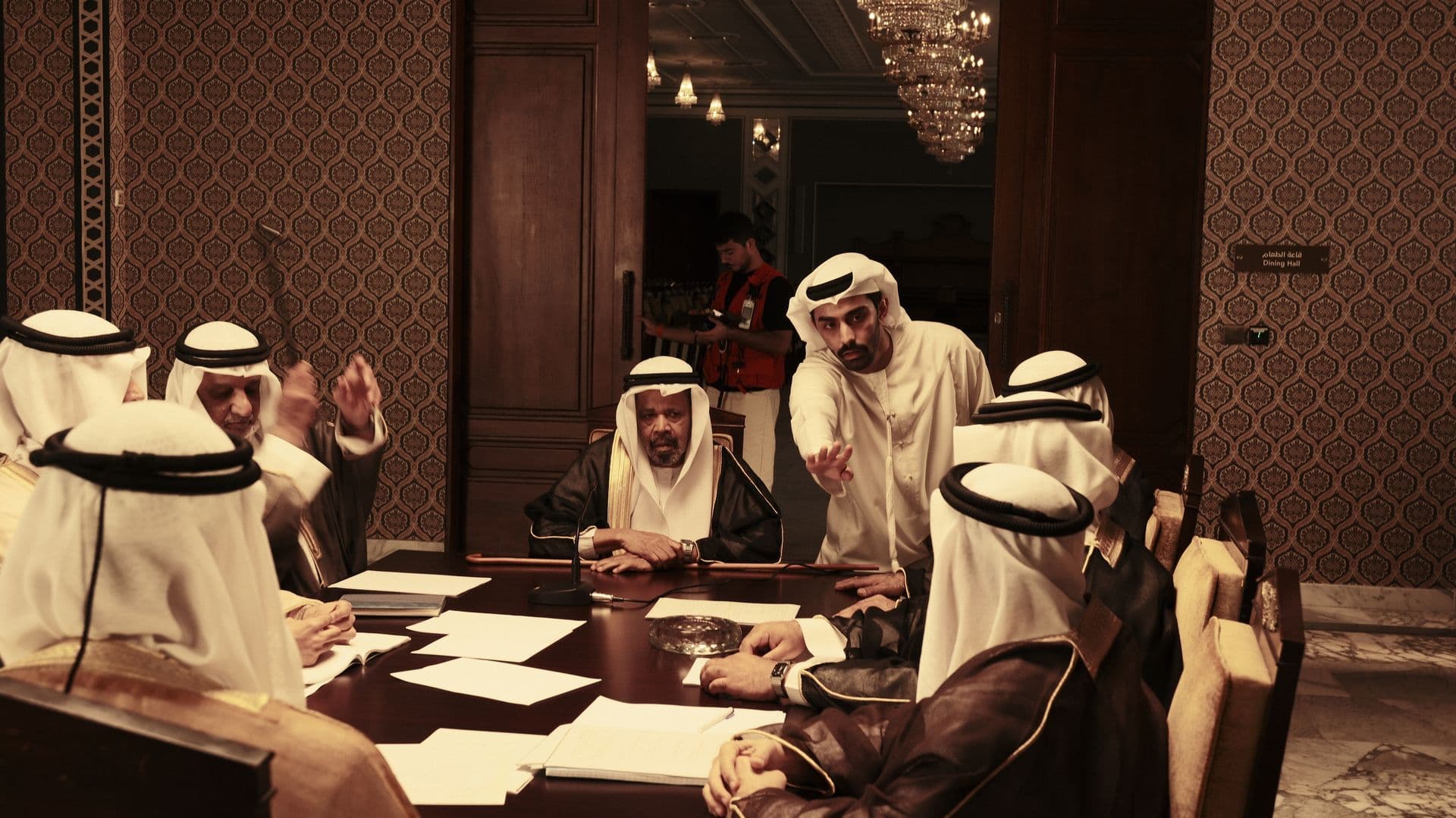
Every film goes through the same five stages: research first, then the frame. It is the method we bring to a hospital or university commission, and it is the same method behind a film like Challenge 71, our documentary on a competition among the UAE's top government achievers across all sectors. Here is how each stage adapts for a health or education commission.
Discovery and Research
Discovery defines the purpose of the film. We establish who will see it, on what occasion, and what the institution needs it to say about itself. We also map the access landscape: which wards, labs or classrooms are available, and which are off limits.
Research then builds the factual spine. That means founding documents, archive photographs, oral history interviews with retired staff or alumni, and the institution's own published record. In a health setting, research also identifies which stories can be told without patient involvement and which need a consent pathway.
Scripting Around Clinical or Academic Reality
A documentary script for a hospital cannot assume a procedure will happen on schedule. A script for a school cannot assume a class will behave as planned. We write around anchors that are reliable, such as interviews, archive material and the architecture of the place. Observational scenes are treated as opportunities rather than dependencies. Where a filming authority requires script approval, this draft is the one submitted. That is another reason the research has to be finished before scripting begins.
Production Days and Post-Production
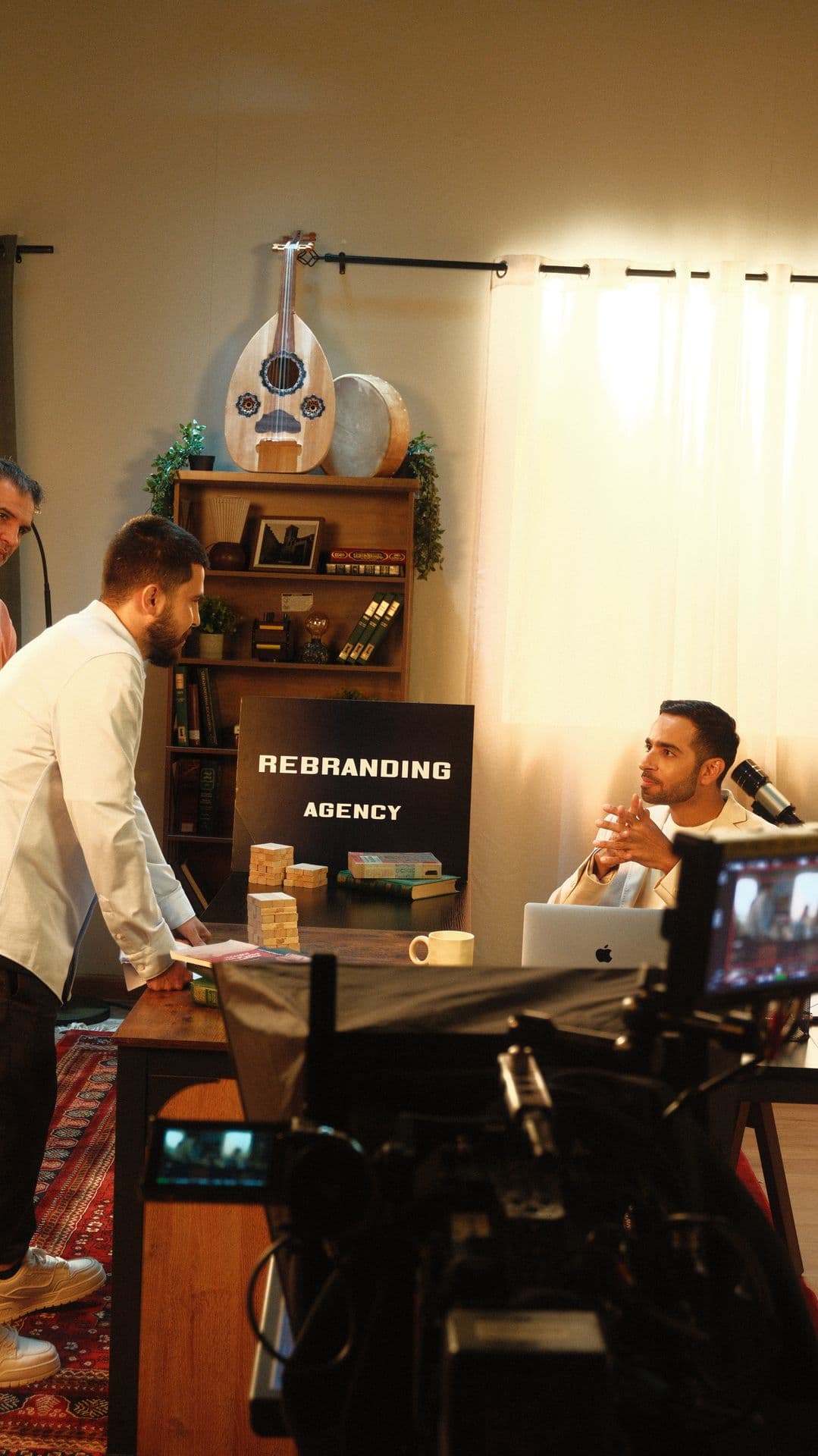
Production days are planned with the facility's own teams. Crews are kept small, call times follow shift patterns or the academic timetable, and someone from the institution is always present.
Post-production is where archive restoration, de-identification, sound design, grading and subtitling come together. The edit then goes back to the institution for factual and cultural review before anything is locked.
The Kinds of Films Health and Education Institutions Commission
Most commissions fall into one of four formats. The right one depends on the occasion, the audience and how much access the institution can grant.
- Legacy documentary: What it is: A long-form film tracing the institution's history, people and impact; Best suited to: Anniversaries, founding milestones, a hospital legacy film for public screening; Access demands: High: archive research, many interviews, filming across departments
- Short-film series: What it is: Several short episodes, each focused on one department, program or person; Best suited to: Digital channels, public awareness, internal culture; Access demands: Moderate: spread across several production days
- Behind-the-scenes and archival capture: What it is: Observational footage of a project, opening or transition, recorded as it happens; Best suited to: Building handovers, new services, institutional records; Access demands: Variable: depends on the event, often needs fast approvals
- Institutional tribute: What it is: A focused film honoring a founder, a team or a national contribution; Best suited to: Official ceremonies, awards, national occasions; Access demands: Moderate to high: interviews and archive, sensitive tone
Behind-the-scenes capture is often the most overlooked of the four, and often the most valuable decades later. We cover it in more depth in our guide to behind-the-scenes video production for UAE institutions.
What to Prepare Before You Request a Quote
A documentary production quote in the UAE is only as accurate as the brief behind it. Institutions that arrive with the following move through discovery faster and get a clearer scope:
- The occasion and audience. Name the anniversary, opening or event, and say who will watch the film.
- The format you have in mind, even if provisional: legacy documentary, series, archival capture or tribute.
- A named internal lead with authority to coordinate departments and approvals.
- An access map showing which buildings, wards, labs or classrooms can be filmed, and which cannot.
- An inventory of archive material: photographs, film, documents, publications and contacts for retired staff or alumni.
- Your consent position. Will the film feature patients, students or minors, or only staff?
- The locations by emirate, so permits can be planned with the right authority.
- Any review requirements from legal, communications or a parent ministry.
You do not need all of this finished. Even a partial answer to each point shortens the conversation. To see the range of what we have produced for UAE institutions, browse our documentary work.
Frequently asked questions
How long does it take to produce a documentary for a hospital or university in the UAE?
Timelines depend on format, archive depth and how quickly access approvals come through. A legacy documentary takes considerably longer than a short series or archival capture. In Dubai, script approval for a documentary alone takes 20 to 25 working days, so permits need to be built into the schedule from the start.
Do we need patient or student consent to film inside a health or education facility?
Yes, for anyone who can be identified. UAE law requires the patient's written consent before health data is used for non-health purposes, and filming minors needs guardian consent. We plan scenes so that consent is sought only where the story genuinely needs that person on screen.
Can a documentary made for a hospital or school later support an institutional archive or UNESCO file?
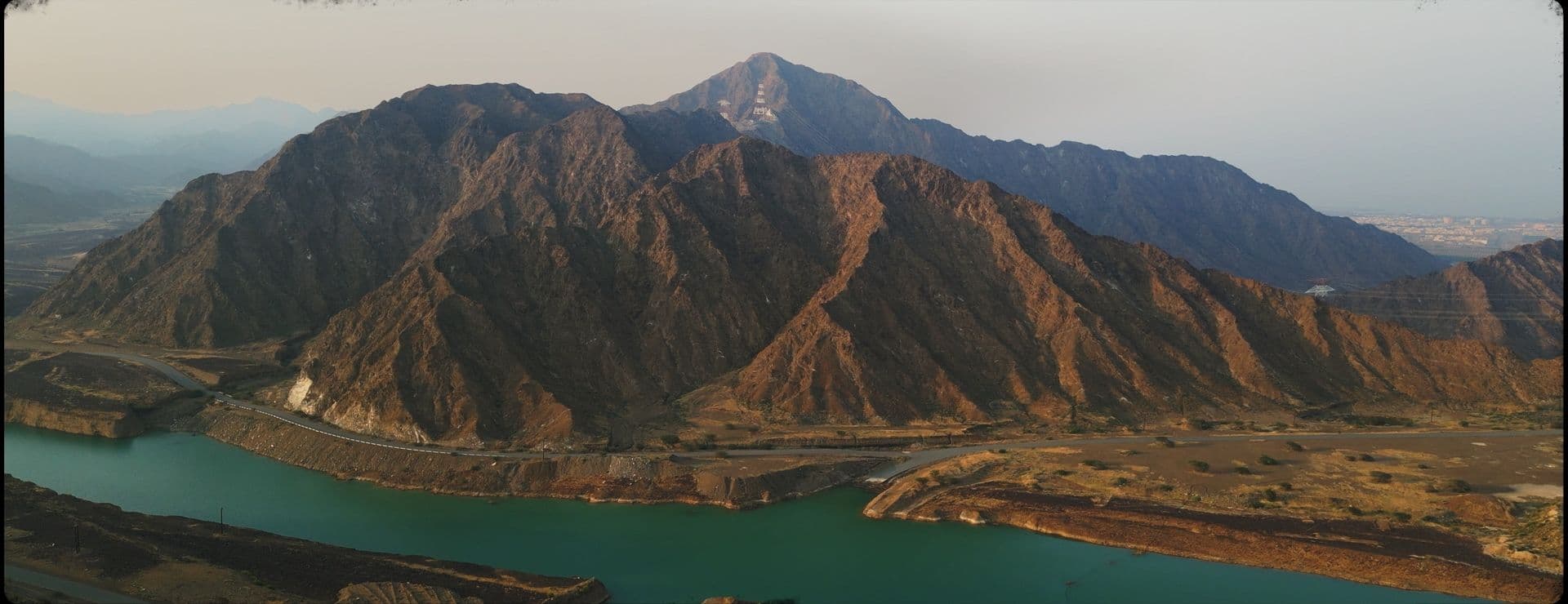
It can, if it is researched and documented to that standard from the beginning. Our film on Wadi Wurayah is one example of this standard of research, though it was made for Fujairah's UNESCO file, which was successfully nominated as human heritage, not for a health or education institution. The same discipline of archive research, sourcing and documentation applies whichever sector the film serves. For archive planning, it helps to know that health records must be retained for at least 25 years from the last procedure. That is a useful horizon when deciding what raw footage and releases to keep.
What's the difference between a behind-the-scenes film and a full documentary for a health institution?
A behind-the-scenes film records events as they happen, such as a new wing opening or a service launching, with lighter scripting and a focus on the record. A full documentary is researched and scripted around a narrative, combining interviews, archive and observational scenes. Many institutions commission both, using archival capture as raw material for a later legacy film.
Does Sedrah Stories work with private hospitals and universities, or only government health bodies?
We work with government, semi-government and private organizations across the UAE. Private institutions follow the same five-stage process, with access and consent handled to the same standard.
If your institution is weighing up how to document a health or education milestone with the research and care it deserves, start a project with Sedrah Stories. Tell us the occasion, and we will come back with a scope and a quote.