


Key takeaways
- Private sector documentary production in the UAE follows the same five-stage process used for government and semi-government commissions: Discovery, Research, Scripting, Production and Post-production.
- A documentary is not a corporate or brand video. It is built on verified research and a narrative arc, not a list of achievements to display.
- Private organizations most often commission a documentary for founder stories, company anniversaries, industry-first milestones and CSR heritage projects.
- When choosing a production partner, check for a research stage before scripting. A showreel of finished footage is not enough.
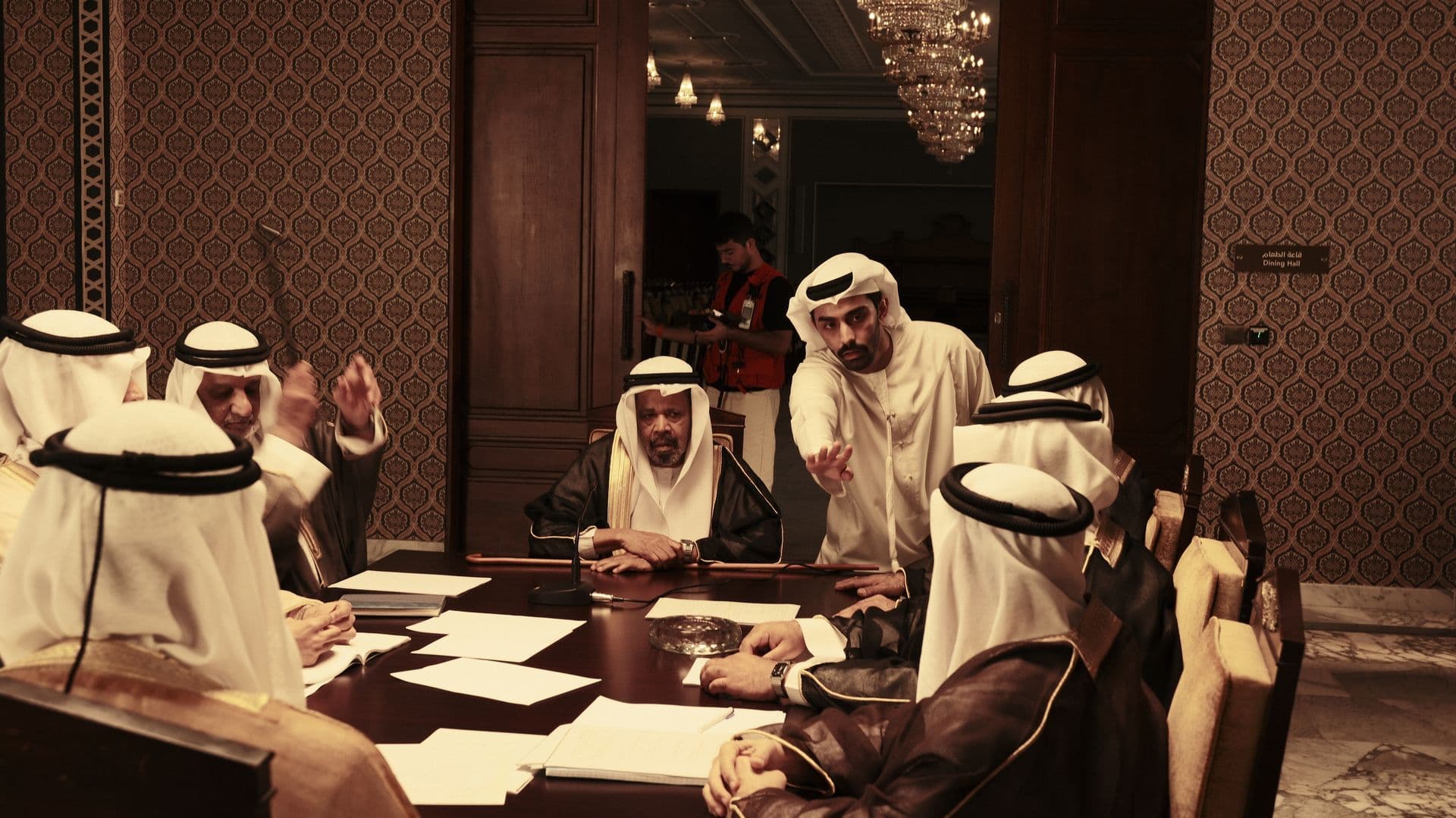
- Sedrah Stories produced Challenge 71, a documentary on a competition among the UAE's top government achievers across all sectors, which shows the same methodology we bring to private commissions.
What Counts as Private Sector Documentary Production in the UAE
Private sector documentary production in the UAE is factual filmmaking commissioned by a company, family business or private foundation to record a history that matters beyond the next campaign. At Sedrah Stories, we treat these commissions with the same rigor we bring to national heritage films. The subject is smaller in scale. The obligation to get it right is the same.
The work is defined by its purpose. A promotional film asks an audience to act. An institutional documentary asks an audience to understand, and it is meant to hold up years after release. Most private commissions fall into three types.
Founder histories and company origin films
Many UAE businesses began within living memory, often alongside the country itself. A founder's account of the early years, the first premises, the first contracts and the people who were there is a primary source. Once it is lost, it cannot be recovered. An origin film records that testimony and places it in its historical context: the city as it was, the trade routes, the economic conditions that made the venture possible.
Industry-first and milestone documentaries
Some organizations reach a point that belongs to the record of an industry: the first facility of its kind in the region, a technical achievement, a long-running partnership. A milestone documentary explains why that point mattered, who made it happen and what it changed. It does not simply announce that it happened.
Institutional legacy pieces for boards and shareholders
Not every documentary is made for public release. Boards and shareholders often commission long-format films to preserve institutional memory through a change of leadership, a merger or a generational handover within a family business. These films serve as an archive. They also give new leaders and employees a shared account of where the organization came from.
Why Generic Corporate Video Falls Short for Institutional Legacy Work
The distinction between a documentary and a corporate video is not about budget or camera equipment. It is about what each form is built to do.
What a promotional video is built to do
A promotional or brand video exists to persuade. It is usually short and paced for social feeds or event screens. It is structured around messages the organization has already decided to communicate. Its sources are the marketing team and the brand guidelines. Nothing is wrong with that. It is a legitimate form with a clear job, but its value tends to expire with the campaign it supports.
What a documentary is built to do instead
A documentary begins with questions rather than messages: what actually happened, who can speak to it with authority, and what the records show where accounts disagree. The answers shape a narrative arc with tension, context and consequence. That arc is why audiences keep watching, and it is why the film still carries weight a decade later.
Heritage filmmaking adds one more layer. A history set in the UAE sits inside the country's culture, values and national story, and the film has to reflect that accurately. Details such as dress, setting, language, the order of events and who is credited for what are not decoration. Getting them wrong undermines everything else on screen.
Where the two get confused in a private-sector brief
Confusion usually shows up in the brief itself. A request for a "documentary" that lists twelve achievements, three key messages and a closing logo sting is really asking for a promotional video in documentary styling. The reverse also happens: an organization wants a lasting historical record but frames it as a marketing deliverable and gets a three-minute highlight reel.
A useful test is to ask what the film should still be doing in ten years. If the answer is "informing people about our history," the project needs documentary methods from the start.
The Five-Stage Methodology, Applied to a Private Commission
Every film goes through the same five stages: research first, then the frame. The stages do not change for a private commission. What changes is the material: company archives instead of state records, founders and early employees instead of public officials, internal milestones instead of national occasions.
Discovery: understanding why the story matters now
Discovery establishes the purpose before anyone discusses shots. We want to know why the organization is telling this story now, who the film is for, how it will be screened and what it must never get wrong. For a private client, this stage often brings out sensitivities that a brief does not mention. These include family dynamics in a founder story, commercial confidentiality, or how far a film can credit partners and government stakeholders. Our journal sets out what to expect from the discovery stage in more detail.
Research: verifying the history before any script is written
Research is where a documentary earns its authority. We gather and cross-check company archives, photographs, press coverage, official records and oral testimony. Dates are confirmed. Competing accounts are noted rather than smoothed over. Cultural and historical context is built around the organization's own story so that the film places the company within the wider history of the UAE.
This stage also shows what the film can honestly claim. If a "first" cannot be verified, the script should not rest on it. It is far better to learn that during research than after a public screening.
Scripting, production and post-production: turning research into film
Scripting turns verified material into structure: an arc, a point of view and a sequence of scenes and interviews. Production follows the script but stays open to what interviewees reveal on camera, with archival footage treated with the same care as freshly shot material. Post-production brings together the edit, archival restoration, sound design, color, music and subtitling. The aim is a finished film that respects both the history and the audience.
Moments That Call for a Documentary, Not a Promo
Most organizations do not need a documentary every year. They need one at specific moments, when a promotional film would undersell the occasion. Recognizing those moments early also leaves time for proper research.
A company anniversary or founding milestone
Anniversaries are the most common trigger, and the most often rushed. A milestone year is a natural point to record the full history while founders and early staff are still available to speak to it. A well-researched anniversary documentary can open a celebration and then become a permanent part of the corporate archive, onboarding and heritage displays.
A founder or leadership transition worth recording
When a founder steps back or leadership passes to a new generation, the organization risks losing first-hand knowledge of its origins. Recording that testimony while it is available is one of the most valuable things a private institution can commission. It needs careful handling. Interviews have to be prepared and scheduled with respect for the people involved, and they have to be grounded in research so that the right questions get asked.
An industry-first achievement with national relevance
Some private achievements belong to the national story as well as the company's: a contribution to infrastructure, healthcare, energy, culture or innovation that aligns with the country's priorities. These films benefit from the same discipline we bring to institutional work. Challenge 71, for example, was a documentary on a competition among the UAE's top government achievers across all sectors. Achievement on that scale deserves to be documented with care, not just celebrated.
CSR heritage projects fit here too. A private foundation supporting intangible cultural heritage may need film that meets formal standards. UNESCO nomination files for the Representative List include a filmed communities' statement and filmed consent of communities among the required documents. The UAE also holds a role in UNESCO's Intergovernmental Committee for the Safeguarding of Intangible Cultural Heritage. Heritage film in the country is therefore held to an international standard.
Comparing a Documentary Production Partner Against a Standard Video Agency
Organizations weighing up a commission often receive proposals from both documentary producers and general video agencies. The showreels can look similar. The working method underneath them usually does not.
- Starting point: Documentary production partner: Questions about the history and purpose; Standard video agency: Key messages and brand guidelines
- Research stage: Documentary production partner: Dedicated stage before scripting; Standard video agency: Often limited to a client briefing
- Sources: Documentary production partner: Archives, records, oral testimony, cultural context; Standard video agency: Client-supplied materials
- Script basis: Documentary production partner: Verified facts and a narrative arc; Standard video agency: Messaging framework
- Archival material: Documentary production partner: Sourced, assessed and restored as needed; Standard video agency: Used if supplied
- Sensitive or national subjects: Documentary production partner: Cultural review built into the process; Standard video agency: Handled case by case
- Intended lifespan: Documentary production partner: Years, as a historical record; Standard video agency: A campaign or event cycle
Research depth before filming starts
Ask any prospective partner to describe what happens between the first meeting and the first draft script. If the answer is "we send you a script," research is not part of their process. A documentary partner should be able to explain how they verify claims, which sources they consult and how they handle gaps in the record.
Access to archival and cultural expertise
Company histories rarely sit neatly in one folder. Photographs, early documents and footage may be scattered across family collections, former employees and public archives. A documentary partner knows how to locate, assess and restore this material. It should also bring cultural knowledge so that the film reflects the UAE's heritage accurately rather than generically.
How each handles sensitive or national-interest subject matter
Private stories in the UAE often touch on national figures, government partnerships or moments of national significance. These require judgment about tone, attribution and protocol. Look for a partner whose track record includes work for major institutions. That experience carries directly into how a private film handles national context.
What to Prepare Before You Request a Quote
A documentary production quote depends on scope, and scope depends on what exists already. A little preparation makes the first conversation far more productive.
Materials and access the production team will ask for
- Any existing archive: photographs, documents, early footage, press clippings and annual reports.
- A list of people who could speak on camera, including founders, long-serving staff and external partners.
- The occasion or deadline the film is tied to, if there is one.
- The intended audiences and screening formats: internal, public, event, broadcast or archive.
- Any locations that matter to the story, and who controls access to them.
Timelines vary with research depth, interview scheduling and archival work. Our guide to how long a documentary actually takes to make in the UAE explains what drives the schedule.
Questions worth raising during the discovery conversation
Ask how the partner will verify the history and what happens if a claim cannot be confirmed. Ask who reviews the script for cultural and historical accuracy. Ask how interviews will be prepared and how much involvement your team will have at each stage. Ask what you will own at the end, including raw interviews and restored archive, because these often become valuable in their own right.
Frequently asked questions
How long does a private-sector documentary take to produce in the UAE?
It depends on the depth of research, the number of interviews, the state of the archive and the length of the finished film. Research and interview scheduling usually shape the timeline more than filming does. We set out a realistic schedule during discovery, once we know what material exists.
Can a documentary be used for internal communications as well as public release?
Yes. Many organizations plan a long-format film for public or event screening and shorter cut-downs for onboarding, internal events and archive use. Planning these versions during discovery means the production captures everything each audience needs.
Do private organizations need filming permits for documentary production in the UAE?
Permissions depend on where and what you film. Private premises generally need the owner's consent, while public spaces, government sites and landmarks may involve approvals from the relevant authority. We confirm what applies to each location during discovery and plan around it.
How is a documentary different from a brand film or CSR video?
A brand film or CSR video communicates messages the organization has already chosen. A documentary starts from research and builds a narrative arc from verified facts and testimony. It is made to last as a historical record, not to support a single campaign.
What research is needed before scripting begins on a private commission?
We review the organization's archives, cross-check dates and claims against external records and press, and conduct preliminary conversations with key figures. We also build the cultural and historical context around the story. The script is written only once we know what can be verified.
If your organization has a story worth preserving on film, start a project with Sedrah Stories and we'll walk you through discovery first.
Read next: Documentary Production Insurance in the UAE: What to Know