



Key takeaways
- A UNESCO listing in the UAE rests on a documented nomination file built over years. Being well known does not qualify a practice or site on its own.
- The Representative List of the Intangible Cultural Heritage of Humanity, the World Heritage List and Man and the Biosphere reserves follow separate UNESCO processes. Each asks for its own kind of evidence.
- Sedrah Stories produced a documentary on Wadi Wurayah in Fujairah, which was inscribed on the UNESCO World Heritage List in July 2026.
- A strong file needs sustained field research and recorded evidence of the practice or site before any committee reviews it.
- Inscription is a milestone, not a finish line. UAE institutions keep safeguarding and documenting after the listing.
The UAE UNESCO heritage list grew on two fronts in the lead-up to and during 2026. In December 2025, UNESCO's intangible heritage committee inscribed Al Ahala, Al Bisht, the bride's procession and Kohl, bringing the UAE to 19 elements on the Representative List. In July 2026, Wadi Wurayah in Fujairah was inscribed on the World Heritage List. None of these arrived by reputation alone. Each rests on a file of research, testimony and recorded evidence. At Sedrah Stories, we made a documentary on Fujairah's Wadi Wurayah. This article explains what each list means, how a file is built, where film fits, and what the work looks like after inscription.
UAE UNESCO Heritage List 2026: What It Means When a Site or Practice Is Added
A UNESCO listing is international recognition that something belongs to the heritage of humanity. It is also a commitment. The state that nominates it takes on the duty to protect it, and the world now watches how well it does.
The word "listing" covers several different systems. They have different committees, different criteria and different evidence. Institutions that confuse them lose time.
Intangible Cultural Heritage vs World Heritage Sites
Intangible heritage is living practice. It is knowledge, craft, ritual and performance carried by people and passed between generations. The UAE's December 2025 inscriptions were decided at the 20th session of the Intergovernmental Committee for the Safeguarding of Intangible Cultural Heritage, held in New Delhi from December 8 to 13, 2025. Al Aflaj, the traditional irrigation network, also appears on UNESCO's official intangible heritage lists as knowledge of construction and maintenance. It is listed for the skill, not for the channels themselves.
Many of these files are shared. Al Ahala went forward as a national file, while Al Bisht, the bride's procession and Kohl were registered as joint Arab files. Henna was inscribed as a joint file spanning the UAE and ten other countries, from Algeria and Morocco to Oman and the State of Palestine.
World Heritage Sites are places. A site is judged on its physical substance, its integrity and what it reveals about human or natural history. According to a Gulf News explainer, the UAE now counts three World Heritage sites, including Faya Palaeolandscape in Sharjah and Wadi Wurayah in Fujairah.
- What it recognizes: Representative List of Intangible Cultural Heritage: Living practices, crafts, rituals, knowledge; World Heritage List: Places of outstanding cultural or natural value; Man and the Biosphere Reserves: Ecosystems managed alongside the communities living in them
- Who carries it: Representative List of Intangible Cultural Heritage: Practitioners and communities; World Heritage List: The site itself and its custodians; Man and the Biosphere Reserves: Land managers, researchers and local communities
- Core evidence: Representative List of Intangible Cultural Heritage: Testimony, community consent, proof of transmission between generations; World Heritage List: Physical integrity, boundaries, comparative value; Man and the Biosphere Reserves: Ecological data, zoning, evidence of sustainable use
- Often shared across countries: Representative List of Intangible Cultural Heritage: Yes, many UAE files are joint; World Heritage List: Less common; Man and the Biosphere Reserves: Less common
- UAE examples cited here: Representative List of Intangible Cultural Heritage: Al Sadu, Al Aflaj, Henna, Al Ahala, Al Bisht, Kohl; World Heritage List: Faya Palaeolandscape, Wadi Wurayah, and a third site per Gulf News; Man and the Biosphere Reserves: Designated through a separate UNESCO program
Where Biosphere Reserves Fit In
Biosphere reserves sit outside both lists. They belong to UNESCO's Man and the Biosphere Programme, which recognizes places where conservation and human livelihood are designed to coexist. The emphasis is on ecology and management, not on a single monument or practice.
For an institution, the practical point is simple. A wadi, a coastline or a mountain range may qualify under more than one system. The choice of system shapes the entire file, from the research questions to the footage.
How a UNESCO Nomination File Actually Gets Built
A nomination file is a long argument, made in writing, maps, photographs and film. It has to persuade experts who may never visit the place or meet the people. Building it is slow work, and most of that work happens before the first page is written.
Identifying the Candidate
Every file starts with a choice. Which practice, which site, and under which list. For World Heritage, a site usually appears first on a country's Tentative List. Sharjah's historic coastal network linking Dibba Al-Hisn, Khor Fakkan and Khor Kalba has been added to UNESCO's Tentative List, the preliminary step before a full dossier.
For intangible heritage, the question is often whether to go alone or with neighbors. The UAE Ministry of Culture has shown how far a shared file can reach. It led the efforts of 24 countries to extend the Falconry inscription to six more, a decision taken at the committee's 16th session.
Research and Community Consultation
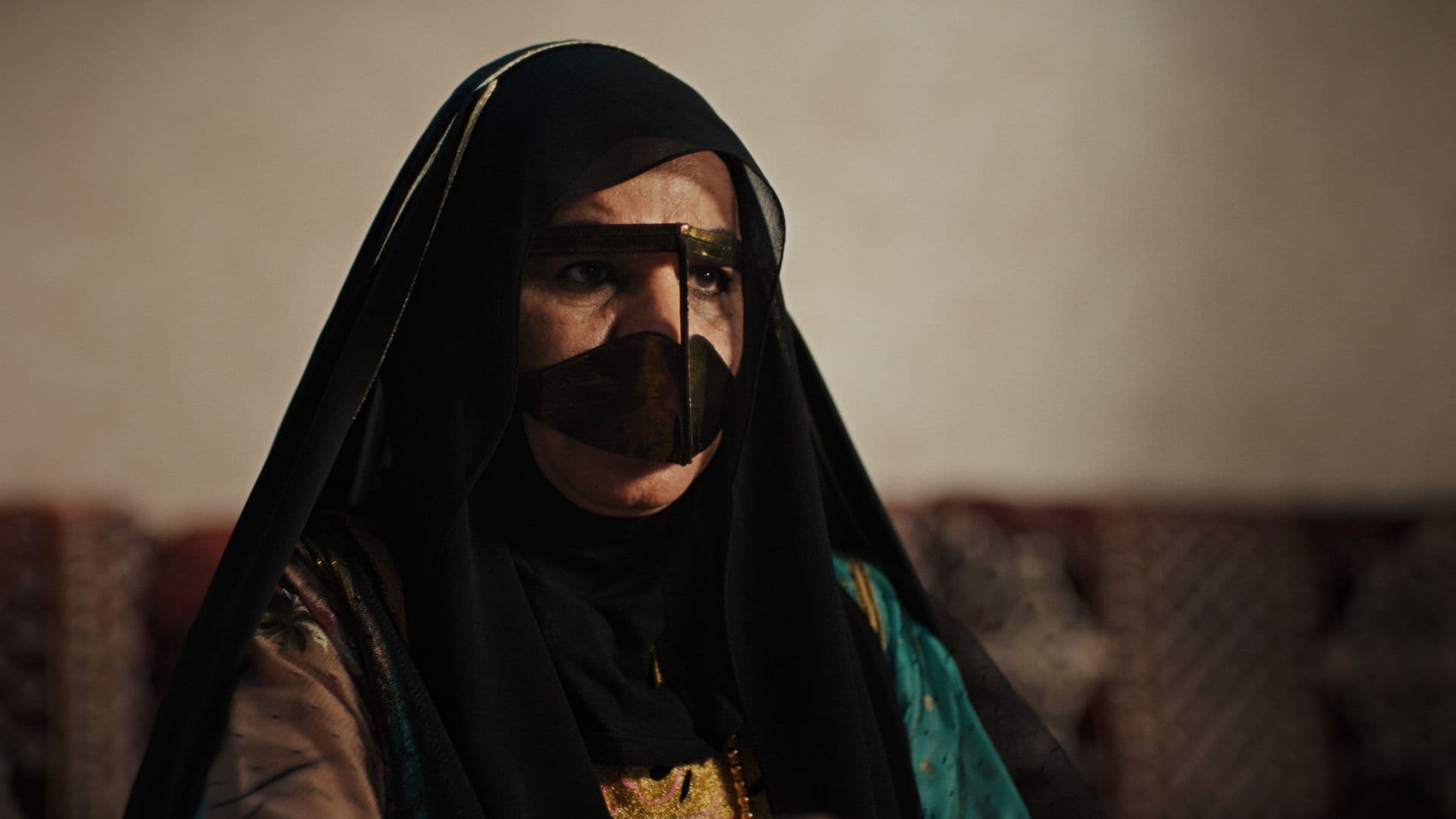
Then comes the field. Researchers trace the history of the practice or site, its variations across emirates, and the families and craftspeople who still hold it. For intangible heritage, the community is not a source to be quoted. It is the owner of the element, and its consent and participation have to be visible in the file.
This is the stage that most resembles the discovery stage of a documentary. The core task stays the same: find who still holds the knowledge, trace what has changed, and record what must not be lost before memory does the editing for you.
Documentation and Evidence
Research becomes evidence when it is recorded. Interviews are filmed. Techniques are captured step by step. Seasons, gatherings and occasions are documented when they actually happen, which means the calendar sets the pace, not the deadline.
Written sections describe the element, its meaning and its threats. Maps and photographs locate it. Film shows it alive. Each piece has to agree with the others. A gap between the text and the footage is a gap a reviewer will notice.
Submission and Committee Review
The finished file goes forward at national level, through the state. Advisory experts examine it and report to the relevant UNESCO committee, which decides at its session. The outcome may be inscription, a request for more information, or a decision not to inscribe. The institution that prepared the file has little room to act at this point. Everything depends on what was already gathered.
Why Documentary Film Has Become Part of the Nomination Process
A committee member reading a file in another continent cannot stand in a wadi in Fujairah or sit beside a weaver in Al Ain. Film closes that distance. It lets the practice speak in its own voice, at its own pace, in its own setting.
That is why we treat a nomination film as evidence first and cinema second. Both matter. But the frame serves the argument.
What UNESCO Committees Look For in Visual Evidence
A reviewer watching a nomination film is asking practical questions. The footage should answer them without narration doing the heavy lifting.
- Is the practice living? Real practitioners, doing the work, in real places.
- Who carries it? Faces, names and voices of the community, not presenters.
- Is it being passed on? Younger generations learning, practicing, taking part.
- Does the film match the file? The same element, the same scope, the same claims.
- Is it accurate? Cultural and historical detail that holds up to expert scrutiny.
Polish without accuracy fails. Accuracy without clarity struggles. The film has to carry both, which is why research shapes the script long before a camera moves. Budget follows from these choices.
The Wadi Wurayah Example
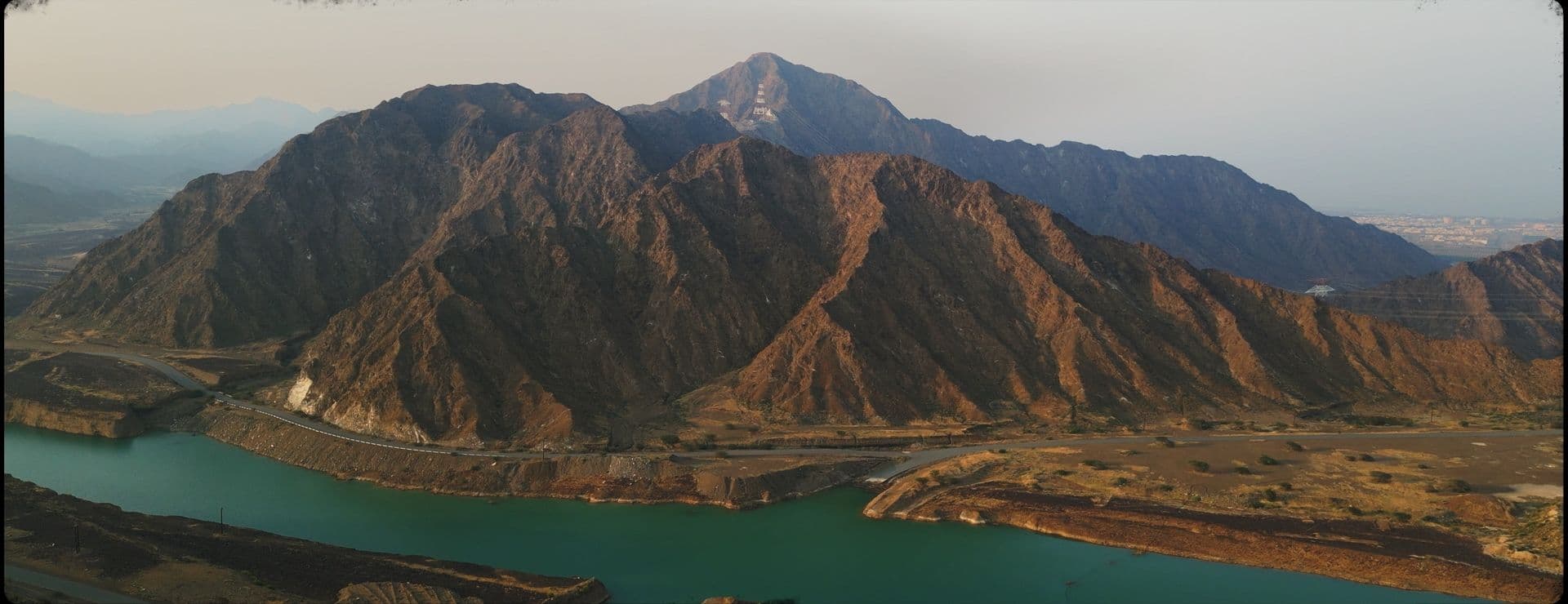
Wadi Wurayah is our own reference point. We made a documentary on the site for Fujairah. In July 2026, the UAE announced the inscription of Wadi Wurayah on the UNESCO World Heritage List.
A film is one part of a file, never the whole of it. But for a place like Wadi Wurayah, its water, its mountains, its quiet, film is how a distant committee comes to know what the written pages describe.
What Happens to a Practice or Site After It Is Listed
Inscription is a public moment. It brings ceremony, coverage and national pride. Then the obligation begins.
Safeguarding Plans
Every file makes promises. It sets out how the state and its institutions will protect the element: training, transmission, research, public awareness, site management. Those promises are reviewed over time, and a listing reflects how well they are kept.
Al Sadu shows the other direction. The traditional Bedouin weaving craft was first inscribed in 2011 on the List of Intangible Cultural Heritage in Need of Urgent Safeguarding. In December 2025, it was transferred to the Representative List. A listing can be upgraded once sustained safeguarding work is shown.
Why the Documentation Work Continues
Safeguarding needs a record. Practitioners age. Techniques shift. A practice filmed once is a snapshot, not an archive. Institutions that keep recording build the evidence they will need for periodic reporting, for future extensions, and for the next generation of learners.
Sirat Arzag, our ongoing series positioning the UAE among the old and new worlds, is part of that kind of long-term documentation. It also means future films can draw on existing material, which makes sourcing and clearing archival footage part of the safeguarding conversation, not an afterthought.
Preparing an Institution's Own Heritage File Before 2026 Ends
Committee sessions follow a fixed rhythm, and files take years to mature. An institution considering a nomination does not need a finished file by any particular date. It needs to begin the research early enough that the evidence exists when the national process calls for it.
Signs a Practice or Site Is Ready for Nomination
- The community wants it. Practitioners or custodians support the nomination and will take part.
- The practice is still living. People do it now, not only in memory.
- Its history can be documented. Sources, testimony and records exist, or can be gathered.
- The scope is clear. You can say exactly what is being nominated, and under which list.
- There is a safeguarding commitment. Someone will carry the work after inscription.
- The question of sharing is settled. You know whether this is a national file or part of a regional one.
If several of these are uncertain, the first step is research, not production.
What a Research-First Production Partner Adds
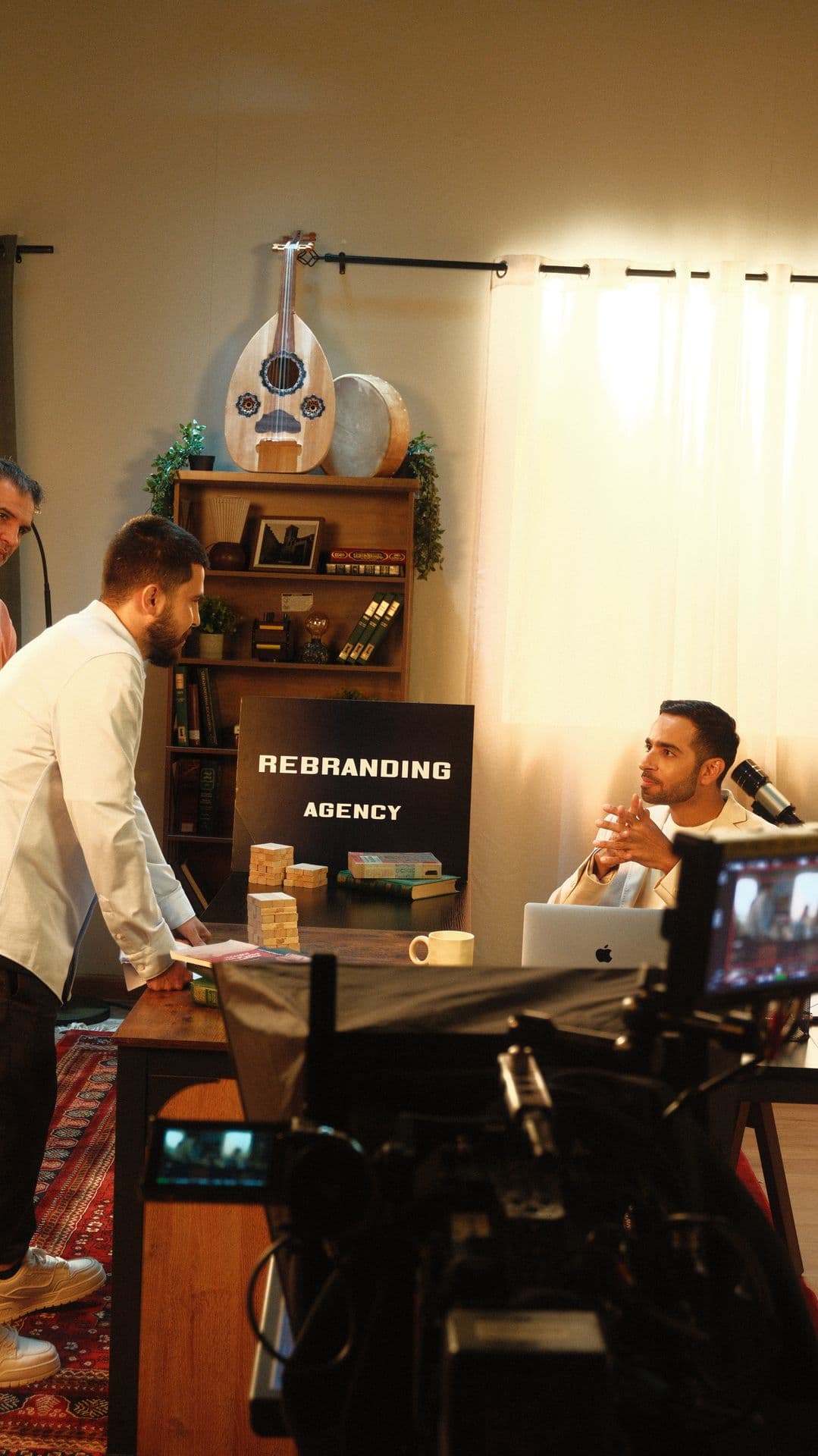
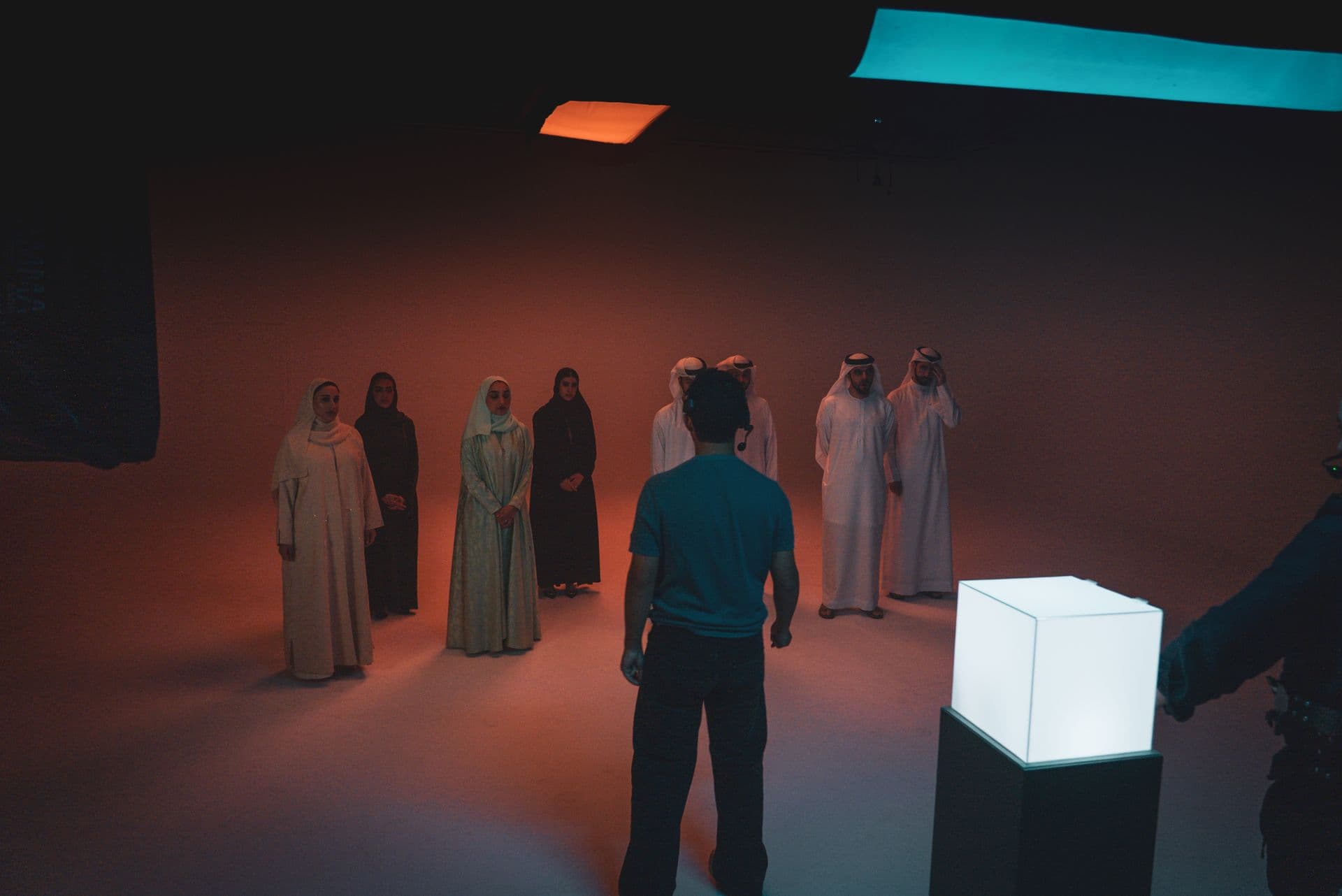
A nomination film cannot be made by arriving with cameras. It is built on the same groundwork as the file itself. Every film we make passes through the same five stages: discovery, research, scripting, production and post-production. Research first, then the frame.
For an institution, this means one partner can help define the element, find the voices, shape a script that matches the written file, film at the right moments and deliver material that serves both the committee and the national archive. Our approach stays aligned with the country's values and culture, because a heritage film that misreads its subject damages the file it was meant to support.
Related: Separate guide to UNESCO nomination film costs · Documentary work
Frequently asked questions
How long does a UNESCO nomination usually take in the UAE?
There is no fixed duration. A file moves at the pace of its research, its community consultation and the national process that selects which files go forward. Al Sadu shows how long safeguarding work can run: first inscribed in 2011, it was upgraded to the Representative List in December 2025, a gap of 14 years. World Heritage sites typically spend time on the Tentative List before a full dossier is prepared. Institutions should plan in years, not months.
Who manages UNESCO nominations for UAE heritage sites and practices?
Nominations go forward at national level, with the UAE Ministry of Culture acting as coordinator, including on multi-country files such as the Falconry extension. Emirate-level bodies play a central role in their own files, as the Department of Culture and Tourism Abu Dhabi did when Henna was inscribed. Communities, researchers and production partners contribute to the evidence.
What happens if a UNESCO nomination is rejected?
A committee may decline to inscribe, or it may ask for more information before deciding. In either case, the file can be strengthened and brought forward again through the national process. The feedback usually points to gaps in evidence, scope or community involvement, which is why research quality matters from the start.
Can a private organisation nominate a heritage practice, or only government bodies?
Formal submission happens through the state, not through a private organization. A private organization can still play a real part: commissioning research, documenting a practice, supporting communities and working with the relevant government body to propose an element. Good evidence gathered early can make a candidate far stronger when the national process considers it.
Does a UNESCO listing bring funding for ongoing preservation?
Inscription is recognition, not a grant. The responsibility for safeguarding stays with the state and its institutions, which fund training, research, site management and documentation. A listing can raise visibility and support, but institutions should budget for the work after inscription as part of the plan.
If your institution is weighing a UNESCO nomination or a heritage documentary of its own, start a project with Sedrah Stories. We begin where every file begins: with the research.