


Key takeaways
- A usable brief settles three things before you approach any company: who the film is for, why it is being made now, and what research or archival material already exists.
- Fixed dates, such as a national occasion or a UNESCO submission deadline, belong at the top of the brief, because they shape every later stage of the work.
- Sedrah Stories works in five stages: Discovery, Research, Scripting, Production and Post-production. Your brief does not need a script or a shot list, only the facts a researcher cannot guess.
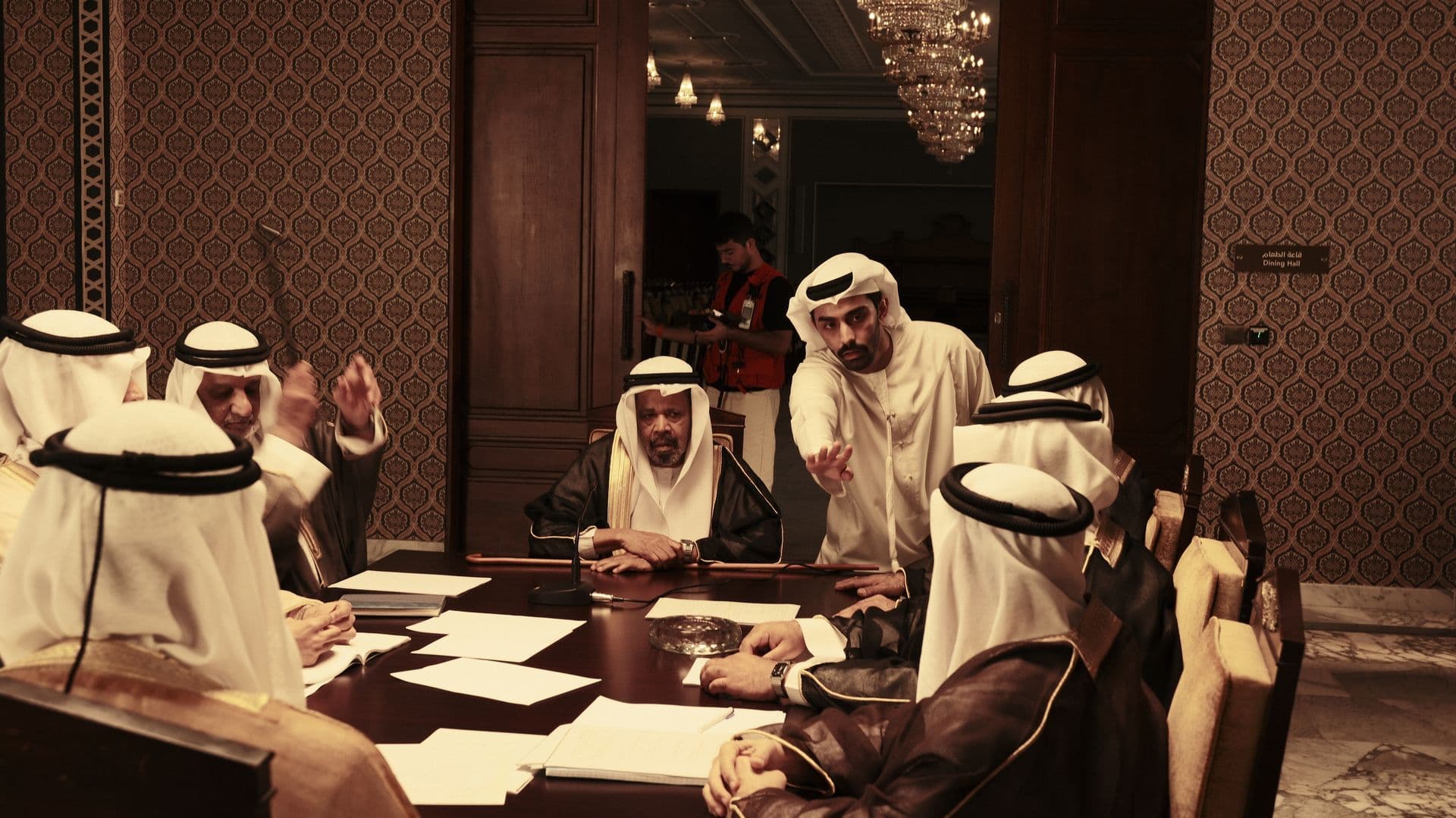
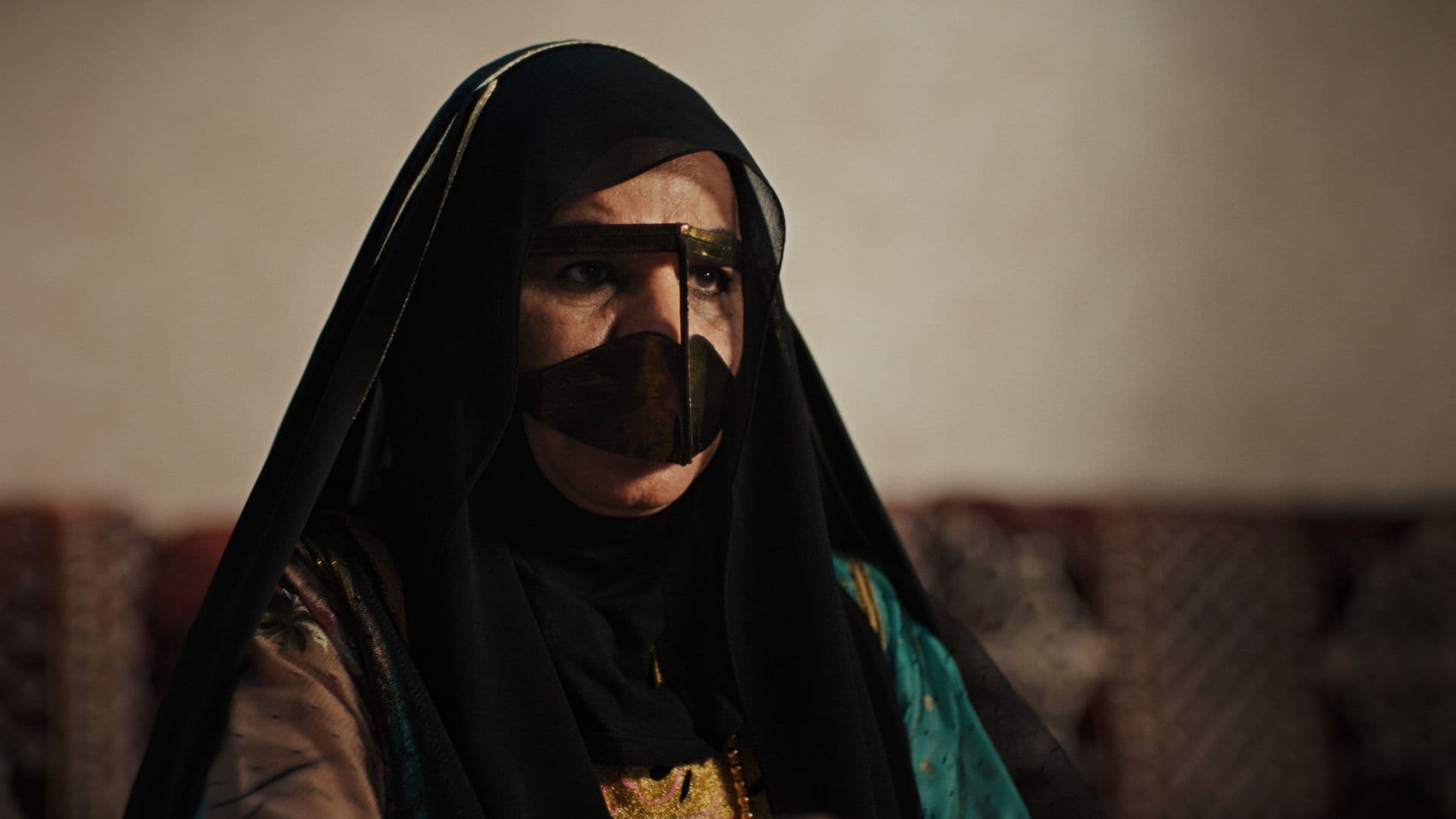
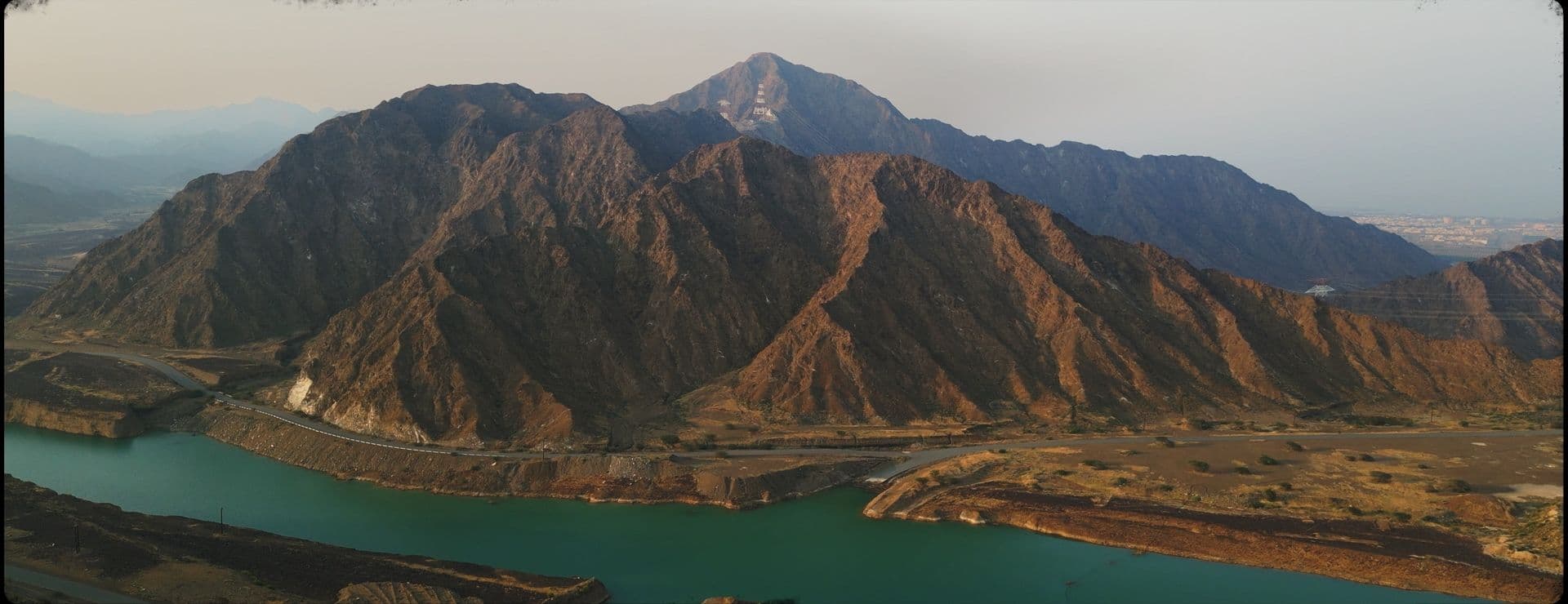
- Wadi Wurayah, a documentary made for Fujairah's UNESCO file that was successfully nominated as human heritage, and Challenge 71, a documentary on a competition among the UAE's top government achievers, show how differently a brief can be scoped depending on the occasion.
- A brief that leaves out audience, purpose or timeline costs more back-and-forth during Discovery than one that states plainly what is not yet known.
What You Need to Brief a Documentary Production Company
To brief a documentary production company well, settle four things before any creative conversation begins: purpose, audience, timeline and existing material. Purpose is why the film is being made, and why now. Audience is who will watch it and where. Timeline is any date the film cannot miss. Existing material is the research, archive footage, photographs and oral histories you already hold or can open up to a film team.
At Sedrah Stories, these four answers are where our Discovery stage begins. Everything after them (the structure, the voices, the visual language) is work a documentary production company should do alongside you, not ask you to hand over.
This matters more for heritage and institutional films than for most commissions. A national tribute, a UNESCO file or a film about a government program carries facts that must be right and sensitivities that must be respected. A brief that names those facts early lets the research start in the right archive, with the right people, on the right schedule.
The Questions a UAE Institution Should Answer First
Before you contact any studio, gather the people who own the project and answer the following internally. Short, honest answers are better than polished ones.
Who is the film for, and where will it be shown?
Name the audience as precisely as you can. A film for a UNESCO evaluation panel, a film for a national television broadcast and a film for an internal leadership event are three different films, even on the same subject. Say where it will be seen: a broadcast slot, a museum gallery loop, a ceremony screen, an online archive, a submission portal. The screen shapes the length, the pacing and often the language.
What is the occasion or purpose behind the commission?
State what the film needs to do. Preserve a legacy before living witnesses are lost. Support a nomination file. Mark an anniversary. Record a program's achievements. If there is a single outcome that would make the project a success, write it down in one sentence.
What research, archive or oral history material already exists?
List what you have and what you can reach: institutional archives, family collections, published histories, earlier films, photographs, recorded interviews. Note who controls access to each. If you know of elders, craftspeople or officials whose testimony is essential, name them. A researcher can find a great deal, but cannot guess which private collection your institution has a relationship with.
Is there a fixed date, such as a national occasion or a submission deadline?
Put any fixed date in the first paragraph of the brief. A national day, a ceremony, an exhibition opening or a nomination deadline sets the pace for all five stages. Permits also take time. Under the UAE's media law regulations, filming permit applications must be submitted, with all required documents, fifteen working days before filming starts, so a late shoot date leaves less room than it seems.
What language, tone and length fits the subject?
Say whether the film should be in Arabic, English or both, and whether subtitles or dual versions are needed. Describe the tone you expect: reflective, ceremonial, investigative, intimate. Give a rough length or say you are open on it. If you have a view on format, such as shooting on film rather than digitally, mention it here.
What Belongs in Your Brief vs What Belongs in Discovery
Many institutions over-prepare, drafting scripts and shot lists before a film team is involved. Others under-prepare and send a single line. The useful brief falls between facts only you hold and questions a production company's Discovery stage is designed to answer.
- Purpose: Supply in your brief: The occasion and the outcome you need; Leave for Discovery: How the story is structured to reach it
- Audience: Supply in your brief: Who watches and on which screen; Leave for Discovery: How tone and pacing serve that audience
- Timeline: Supply in your brief: Fixed dates and approval deadlines; Leave for Discovery: The detailed production calendar
- Archive: Supply in your brief: What exists and who controls access; Leave for Discovery: What the material is worth on screen
- Contributors: Supply in your brief: Essential names and relationships; Leave for Discovery: Who else should be interviewed
- Sensitivities: Supply in your brief: Protocol, cultural and institutional limits; Leave for Discovery: How to handle them in the edit
- Format: Supply in your brief: Language, rough length, any format preference; Leave for Discovery: Series or single film, visual approach
- Budget: Supply in your brief: A range or a ceiling, if known; Leave for Discovery: How the range maps to scope
If you are unsure where something sits, put it in the brief and mark it "not yet decided." That one phrase saves a round of emails.
How a Written Brief Moves Into Research and Scripting
Our five-stage methodology runs in a fixed order: Discovery, Research, Scripting, Production, Post-production. Research comes first, then the frame. A clear brief is what lets the first two stages move quickly and in the right direction.
From brief to research question
In Discovery, we turn your brief into a small set of research questions. "Make a film about our valley" becomes something more precise: what makes this place significant, who can speak to it with authority, and what evidence a panel or a viewer will need to believe it.
The occasion changes those questions completely. A film like Wadi Wurayah, made for Fujairah's UNESCO file, sits inside a formal nomination, so its research questions follow what the file has to prove. A film like Challenge 71, about a competition among the UAE's top government achievers across all sectors, starts from people and their work rather than from a place. Both are documentaries. Their briefs would have asked for very different things. You can see the documentaries we have completed to compare how scope follows the occasion.
Research then works through the material you listed, and fills the gaps: archives, published sources, field visits and pre-interviews with the contributors who carry the story.
From research to script
Research-driven scripting means the script is written from what the research found, not from what anyone assumed at the start. The structure, the narration and the interview questions all trace back to verified material.
The script also has a formal role in the UAE. The regulations require a script approval permit to be attached to the filming permit application, and that application must state the start and end dates of filming and the locations in detail. In practice, the script and the shoot calendar have to be settled before cameras can roll, which is one more reason fixed dates belong at the top of your brief.
Signs a Brief Is Not Ready Yet
Read your draft against these three gaps before you send it. Each one tends to add a round of questions during Discovery.
No named audience or outcome
If the brief describes the subject at length but never says who will watch or what the film must achieve, it is not ready. "A film about our history" could be a two-minute ceremony opener or a multi-part series. Add one sentence on the audience and one on the outcome, and the scope narrows at once.
No mention of existing archives or access
A brief that says nothing about archives leaves the film team to assume there is nothing. Usually there is something: a box of photographs, an oral history project, a retired official with a long memory. List it, even roughly, and note any permissions needed to use it.
This gap matters most for nomination films. For UNESCO's Urgent Safeguarding List, a complete file includes a nomination form, the consent of communities, an extract of the intangible heritage inventory, ten photos and a video. The film is one element among several, and it must agree with the rest. Our guide to briefing a UNESCO nomination film specialist covers this in more depth.
No sense of timeline or occasion
If the brief has no date at all, the film team cannot plan research, permits or approvals. Even "before the end of next year" helps. For nominations, the calendar is long: UNESCO's operational guidelines describe a cycle that normally lasts one and a half years, from submission in February of one year to the Committee's decision in June of the next. A film needed for that file has to be finished well before the submission date.
What to Prepare Before You Request a Quote
When you request a documentary quote, a short, factual package gets you a more accurate answer than a long creative essay. Prepare the following:
- A one-paragraph purpose statement: the occasion, and the outcome the film must achieve.
- The audience and the screen: who watches, and where.
- Fixed dates: event dates, submission deadlines and internal approval points.
- An inventory of existing material: archives, photographs, footage, oral histories, and who controls access.
- Essential contributors: people whose testimony the film cannot do without.
- Language and length: Arabic, English or both; a rough running time or an open mind.
- Format thinking: whether you see one film or several. If you are unsure, our piece on deciding between a short-film series and a feature documentary sets out how each one serves different goals.
- Sensitivities and protocol: anything about the subject, the people or the institution that requires special care.
- A budget range or ceiling, if one exists.
- A single point of contact who can make decisions or reach the people who do.
If several of these are still open, send the brief anyway and say which ones. An honest "not yet known" gives us a starting point for Discovery.
Frequently asked questions
How long should a documentary brief be?
One to two pages is usually enough. The brief needs purpose, audience, timeline, existing material and any constraints, written plainly. Long creative treatments are rarely useful at this stage, because the structure of the film should come from research.
Who inside our organization should write the brief?
The person who owns the project's outcome should write it, with input from whoever controls archives and approvals. In government and semi-government bodies, that often means a communications lead working with a subject expert. What matters most is that the author can answer follow-up questions or reach the people who can.
Do we need a finished script before approaching a production company?
No. In our five-stage methodology, Scripting comes after Discovery and Research, so the script is built from verified material. A script written before research often has to be rewritten once the facts are in.
Can a production company help us write the brief itself?
Yes. If your team knows the subject but not how to frame it as a film, a first conversation can turn your notes into a working brief. That conversation is, in effect, the start of Discovery.
What happens if our project has a fixed public event date?
Put the date at the top of the brief, because every stage is planned backward from it. Filming permit applications in the UAE must be submitted fifteen working days before filming begins, with an approved script attached. The earlier the date is known, the more time research and scripting receive.
How much detail do we need about budget in the first brief?
A range or a ceiling is enough. It lets the production company suggest a scope that fits, such as a single film or a short series, rather than quoting for something you cannot commission. If no budget is set yet, say so, and ask for options at different scales.
Ready to brief Sedrah Stories on your next documentary? Start a project, and we will begin where every film begins: with Discovery.
Read next: What a Factual Content Production Company in the UAE Delivers