

Key takeaways
- A museum opening documentary has a fixed public date. Research and access approvals must be settled weeks before any camera rolls.
- The right partner works through discovery, research and scripting before production, not after a rough cut has proven the approach wrong.
- Studios used to generic corporate video often lack the access protocols and archival handling a gallery or collection store requires.
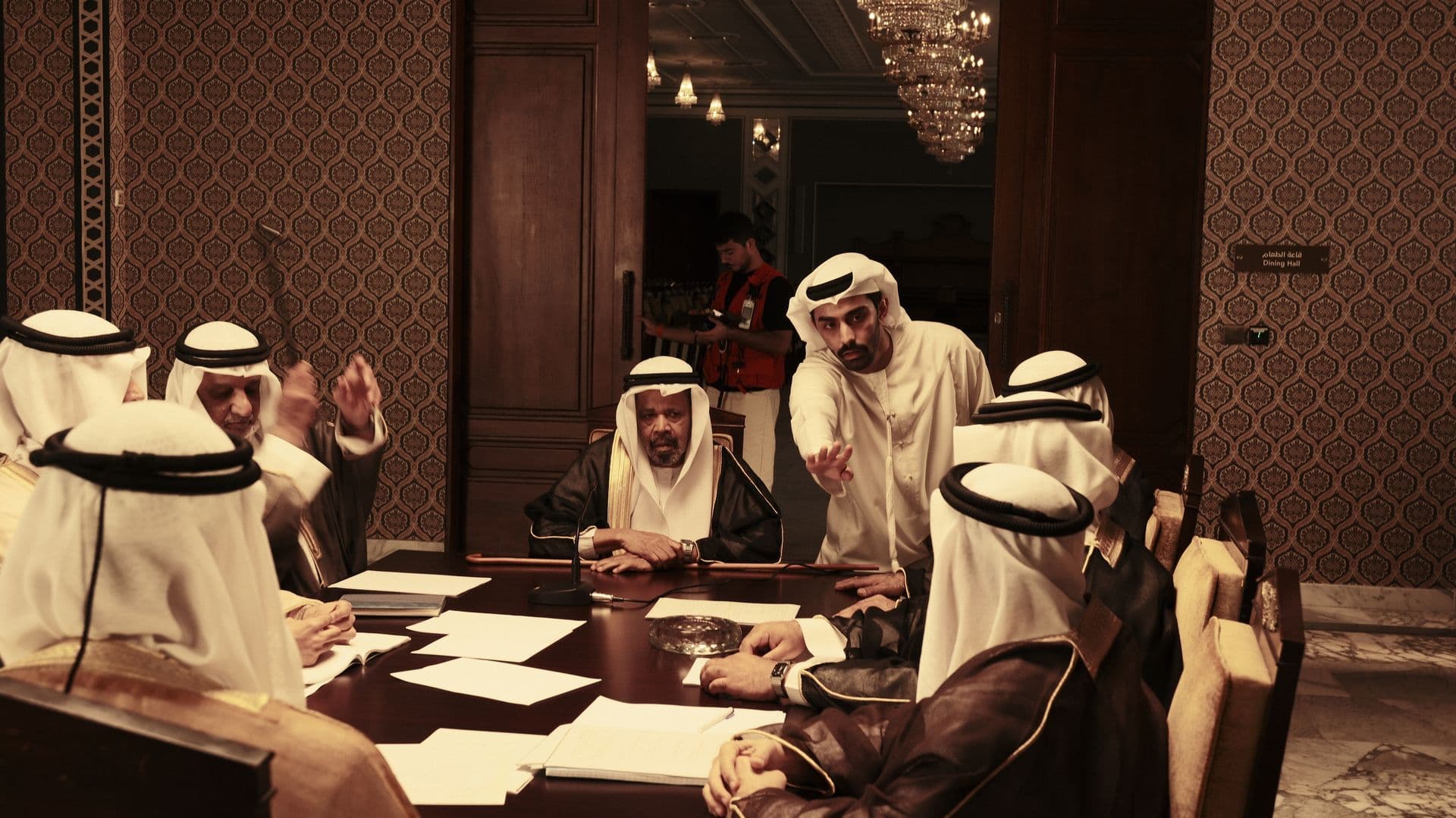
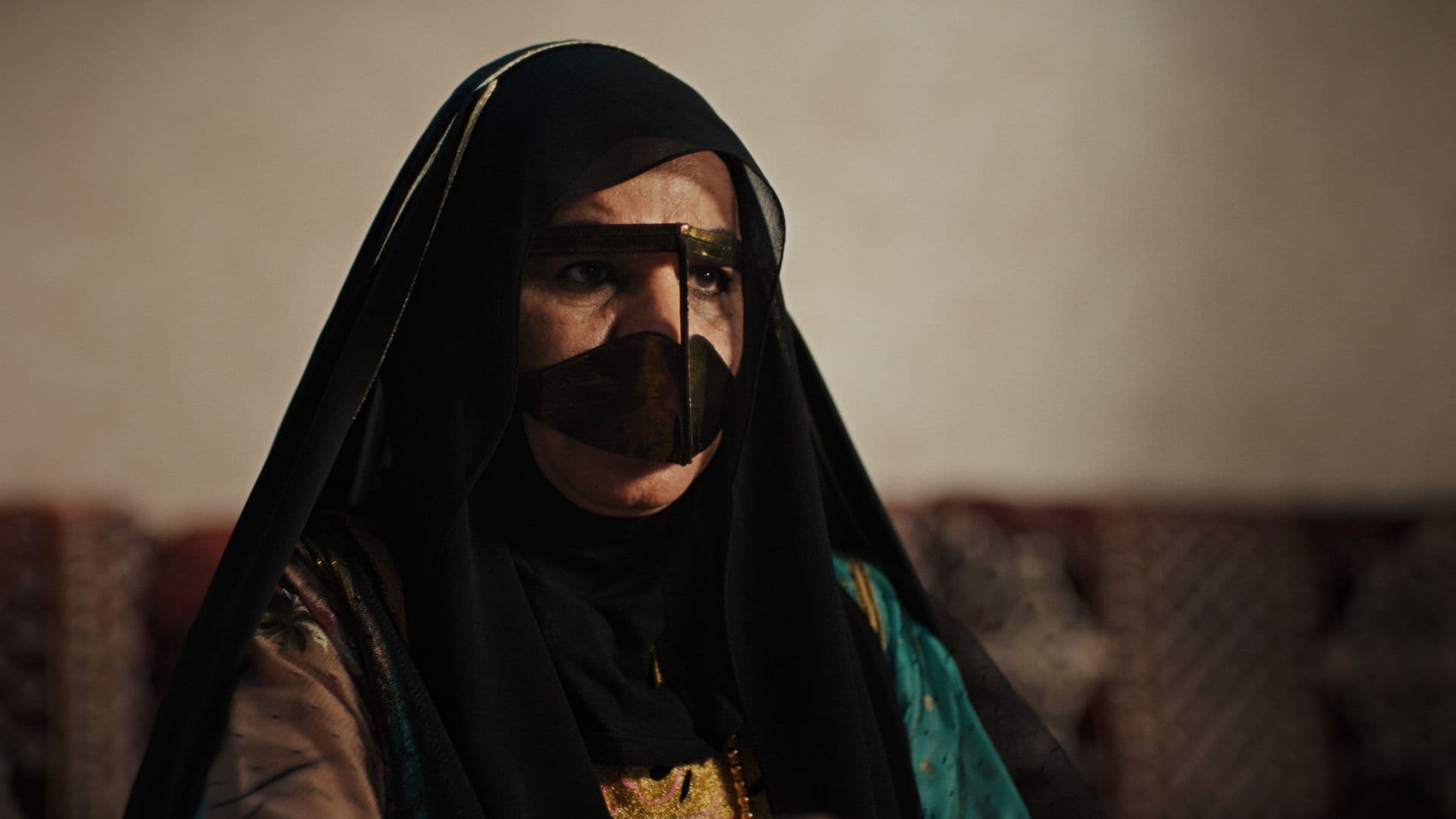
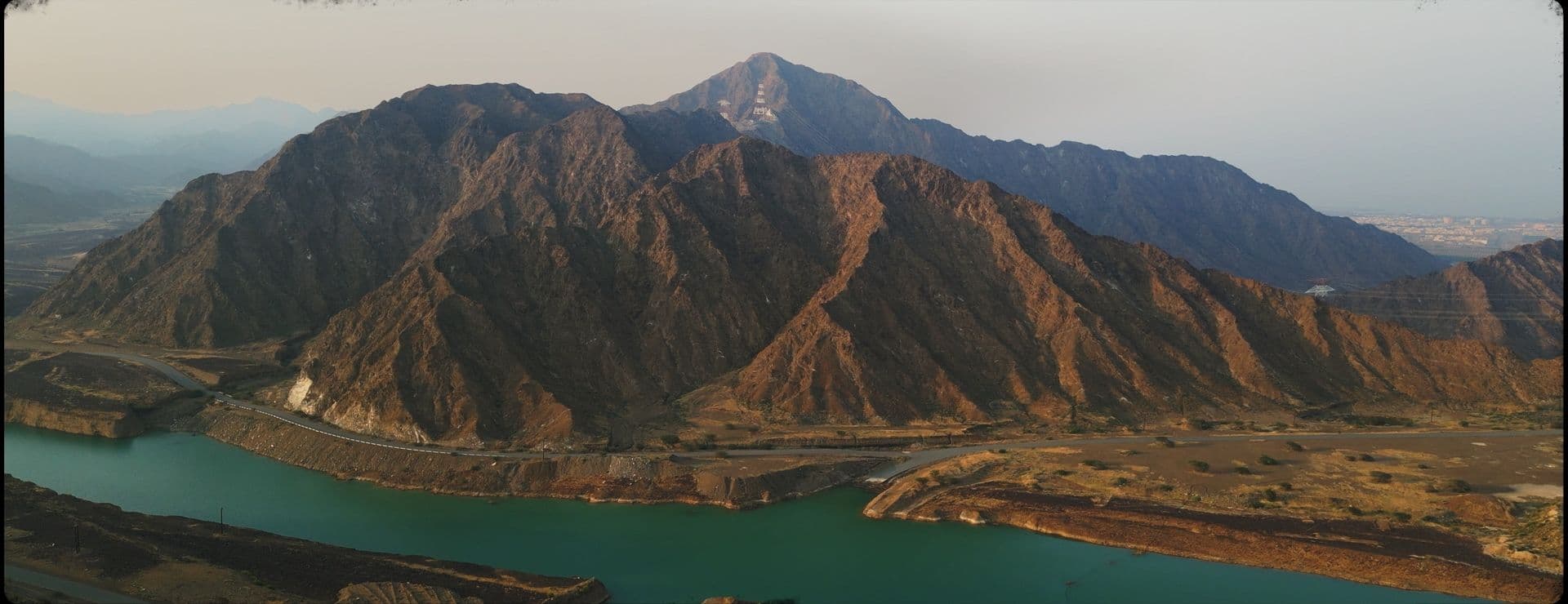
- Sedrah Stories made the documentary for Fujairah's UNESCO nomination file, Wadi Wurayah. That same research-first process is what a museum opening demands.
- A short-film series and a single feature documentary serve different opening needs. Decide between them before you shortlist a studio.
What a Museum Opening Documentary in the UAE Actually Needs to Deliver
The right partner for a museum opening documentary in the UAE treats the film as research with a deadline. It has to be accurate to the collection, approved by the institution, and finished before a date that will not move. At Sedrah Stories, we judge a museum opening film on three things: whether the story is true to the objects and the people behind them, whether every stakeholder has signed off on it, and whether it is ready, mastered and tested before the doors open. Look for a studio that can show a research-first method, a working knowledge of collection access and permits, and a delivery schedule built backward from opening day.
A museum opening film is rarely just a celebration reel. It may be screened at the inaugural ceremony, cut down for broadcast and social channels, looped in a gallery, and kept in the institution's archive as the record of how the museum came to be. Each use carries its own demands: a ceremony screening needs a running time that fits the program, a gallery loop needs to work without sound, and an archival master has to hold up decades from now.
Then there is the subject itself. A museum in the UAE holds the nation's memory: its objects, its landscapes, its people. The film has to carry that with care. Every name, date, attribution and translation must be checked, and the cultural context has to be right, both on screen and in the narration. You can see how we approach this across Sedrah Stories' documentary production work, where heritage and national identity sit at the center of each film.
Why a Fixed Opening Date Changes Everything About the Production
Most corporate shoots can slip a week without consequence. A museum opening cannot. The date is announced to the public, ministers and partners plan around it, and the film has to be ready on that day. The Guggenheim Abu Dhabi, for instance, is officially scheduled to open on 11 December 2026, a date set long in advance that becomes the fixed point every other workstream answers to.
Dates can still move during final commissioning. The Natural History Museum Abu Dhabi was planned for completion between late 2025 and early 2026, and ultimately opened on 22 November 2025. A documentary schedule has to absorb that kind of shift in either direction without losing its research foundation.
There is also competition for time. Several major Abu Dhabi museum launches are clustering in the same window, including the Natural History Museum Abu Dhabi, the Guggenheim Abu Dhabi and the Zayed National Museum. Specialist crews, archival researchers and permit slots are all in demand at once.
Permits add their own lead time, and it varies by emirate. Commercial filming in Dubai, including documentaries and corporate videos, requires a permit from the Dubai Film and TV Commission. Standard Dubai approvals run 2 to 5 working days, rising to 10 working days for sensitive sites such as government buildings or airports, with script approval taking up to 25 working days. In Abu Dhabi, standard approval runs 3 to 5 working days, but complex or high-profile shoots can take 10 to 25 working days, plus 5 to 15 days for script approval. Sharjah's standard turnaround is 3 to 5 working days, applied for 7 to 10 working days ahead. For a museum opening, these timelines belong at the front of the schedule, not the week before the shoot.
What Happens If Research Starts Too Late
When research starts after the shoot is booked, the camera ends up deciding the story. Crews film what is available, the edit tries to find a narrative in the footage, and the first rough cut reveals the gaps: a missing voice, an object that should have been filmed in conservation, a date no curator can confirm. With a fixed opening, there is rarely time to go back. Late research also puts sign-off at risk, because scripts that have not been reviewed by curators and institutional leadership tend to come back with major changes at the worst possible moment.
How Access to a Collection Is Usually Controlled
Collection access is governed by conservation, security and installation schedules, not by the film crew. Objects may only be handled by registrars or conservators. Lighting may be restricted near light-sensitive material. Galleries may be closed for installation, climate stabilization or security sweeps, leaving short windows for filming, and collection stores often sit under stricter rules than the galleries themselves. A capable documentary partner asks for these protocols at the start and plans the shoot around them, rather than discovering them on the day.
Seven Questions to Ask Before You Shortlist a Studio
When choosing a documentary studio in the UAE for an opening, the conversation should test method, not just showreels. Put these seven questions to every studio on your list.
- 1. How do you research a subject before scripting?: Weak answer: "Your team sends us the key messages."; Strong answer: A defined research stage with curators, archives, primary sources and fact-checking before a script is written.
- 2. Who signs off at each stage, and when?: Weak answer: "We share the final cut for feedback."; Strong answer: Named approval points for treatment, script, rough cut and fine cut, scheduled backward from opening day.
- 3. How will you work inside a collection or gallery?: Weak answer: "We bring a small crew and work around people."; Strong answer: Asks for conservation and security protocols, plans low-heat lighting, and works only with registrar-led object handling.
- 4. Who manages filming permits and script approval?: Weak answer: "That is usually the client's job."; Strong answer: Takes ownership of permits across the relevant emirates and builds script approval time into the schedule.
- 5. What happens if the opening date moves?: Weak answer: No clear answer.; Strong answer: A schedule with fixed research and scripting milestones and flexible production windows.
- 6. Have you made films for national or heritage institutions?: Weak answer: Corporate and advertising work only.; Strong answer: Documentary work on UAE heritage, culture or government subjects, with films you can watch.
- 7. What will we receive, and in what formats?: Weak answer: "A final video file."; Strong answer: A delivery list: ceremony master, broadcast version, short cuts, subtitles, and archival-grade masters.
On question six, look for subjects that match the weight of your occasion. Our documentary Challenge 71, for example, follows a competition among the UAE's top government achievers across all sectors. It is a different subject from a museum, but it sits in the same register of national, institutional storytelling.
How the Five Stages Apply to a Museum Opening
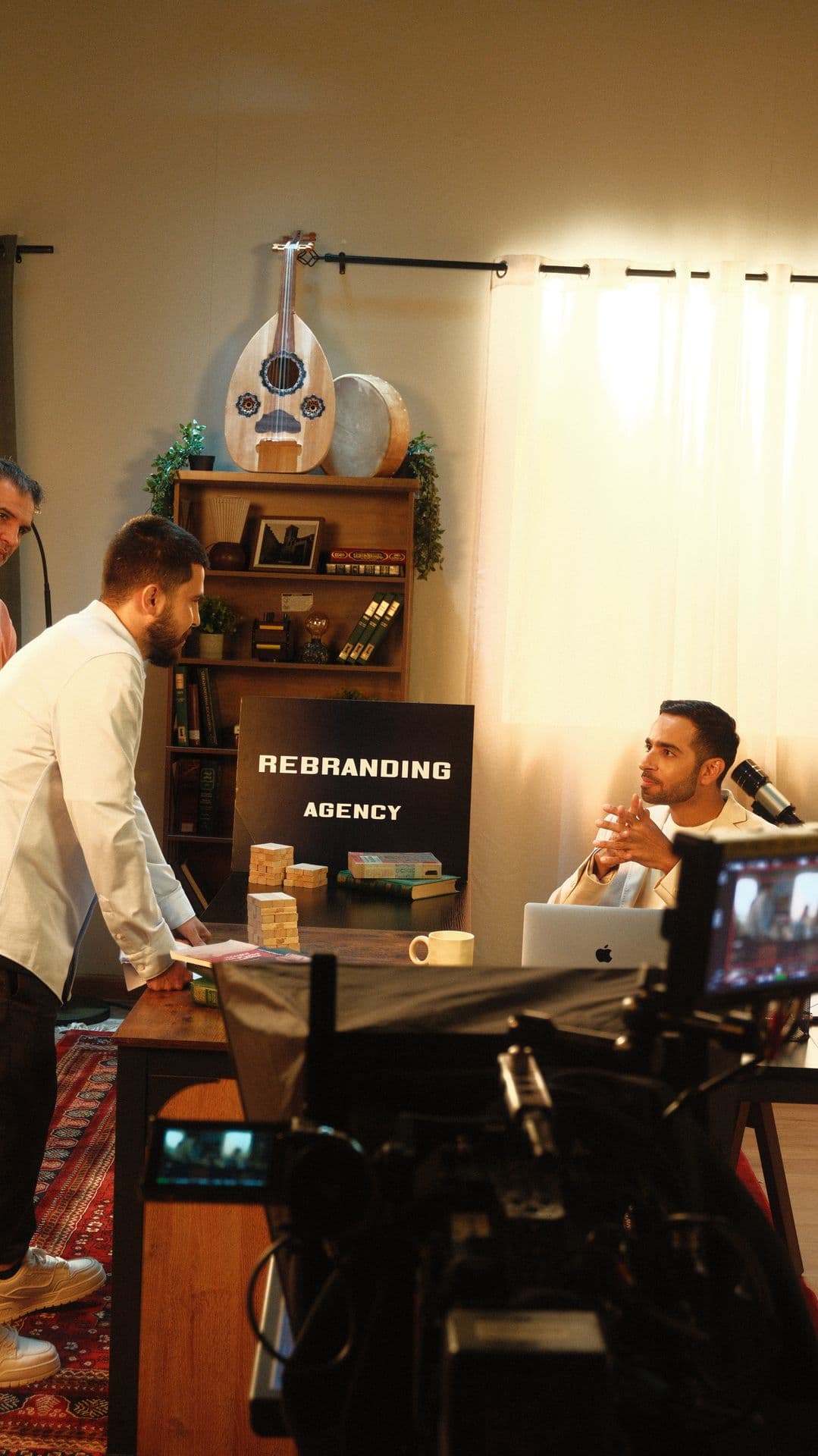
Every film we make goes through the same five stages: Discovery, Research, Scripting, Production and Post-production. Research comes first, then the frame. For a museum opening, each stage carries specific work.
Our documentary for Wadi Wurayah was made for Fujairah's UNESCO file, which was successfully nominated as human heritage. A nomination film and a museum opening film share the same demand: the story must stand up to expert scrutiny and honor the place it represents, and that is only possible when the research is done before the camera arrives.
Discovery: Mapping the Collection and the Occasion
Discovery defines what the film is for and who it speaks to. We map the collection's key objects and themes, the people who hold its knowledge, and the occasion itself: who will be in the room on opening day, where the film will screen, and what it must leave behind once the ceremony is over. This is also where access windows, permit needs and approval chains get identified, so they shape the schedule rather than disrupt it.
Research and Scripting: Getting the Narrative Right Before Filming
Research turns the map into evidence: curatorial interviews, archival searches, provenance checks, and a review of the cultural and historical context behind each object and theme. The script follows from that evidence. It sets the narrative arc, the interview subjects, the objects to be filmed and the archival material to be licensed, and it goes through institutional review before production begins. A research-driven process means the hardest editorial questions get answered on paper, where changes are cheap, rather than in the edit, where they are expensive.
Production and Post-Production: Working Around Opening-Day Constraints
Production follows a shot list tied to access windows. Gallery shoots are scheduled around installation, collection work around conservators, and interviews are often captured early, before leadership calendars fill up as the opening approaches. Post-production works to a locked delivery date with a buffer for technical checks on the actual screening equipment, because a film that plays perfectly in the edit suite can still fail on a ceremony projector. Subtitles, translations and archival masters get finished in the same pass, so nothing is left until after the doors open.
Choosing the Right Format for an Opening
The format you choose shapes everything that follows, from crew size to delivery schedule. Settle it before you shortlist, because it changes which studios are right for the job.
- A single feature documentary suits an institution that wants a definitive film: one story of the museum, its collection and its meaning, screened at the opening and kept as a lasting record.
- A short-film series suits a collection with many distinct stories, such as individual objects, galleries or communities. Episodes can be released before the opening to build anticipation, then used in galleries and online afterward.
- Behind-the-scenes and archival footage records the making of the museum itself: installation, conservation and the people who brought it together. It works alongside either format above, and it is often the material that becomes most valuable over time.
Weigh running time and audience reach against your occasion before settling on a format, since that choice shapes which studios fit the job.
What to Have Ready Before You Approach a Studio
You do not need a finished brief to start a conversation, but a few internal answers will make the first meeting far more productive. Before you contact a studio, gather:
- The opening date and any related milestones, such as press previews or VIP events.
- The intended uses of the film: ceremony, broadcast, galleries, digital channels, archive.
- Your preferred format, or the options you are weighing.
- The key stakeholders who will approve the treatment, script and cuts.
- A named curatorial contact who can open the collection and its records to the research team.
- Known access constraints, such as installation schedules, closed galleries and conservation rules.
- Existing archival material, including photographs, footage and documents the institution already holds.
- Languages required for narration and subtitles.
A brief built from these points gives a studio enough to propose a realistic schedule.
Related: How to brief a documentary production company · Short-film series versus a feature documentary · Shooting a documentary at a UAE heritage site
Frequently asked questions
How far in advance should a museum start planning its opening documentary?
As early as the opening date is fixed. Discovery, research and scripting take time, and script approval and permits can add weeks before filming starts. Starting early also lets the crew capture installation and preparation as they happen, which cannot be recreated later.
Does a museum opening documentary need a different crew than a standard corporate video shoot?
Usually, yes. A museum film needs researchers and a writer before the shoot, and a crew that understands conservation rules, low-heat lighting and working alongside registrars. A corporate crew can be technically strong and still be unprepared for the protocols of a gallery or collection store.
Can a documentary studio film inside a museum before the public opening?
Yes, and much of the most valuable footage comes from that period. Access is controlled by the institution's installation, security and conservation schedules, and the shoot needs the relevant filming permits. A good partner plans around those windows from the discovery stage.
What is the difference between a documentary and behind-the-scenes footage for a museum opening?
A documentary tells the story of the museum and its collection through research, narrative and interviews. Behind-the-scenes footage records the process of making the museum: installation, conservation and the teams involved. Many institutions commission both, using the documentary for the opening and the behind-the-scenes material for the archive and digital channels.
Who usually owns the archival footage from a museum opening documentary?
Ownership is set by the production agreement, so it should be agreed in writing before filming begins. Institutions commissioning a film about their own opening often want full rights to the finished film and the raw footage. Third-party archival material licensed for the film carries its own terms, which should be clarified at the same time.
If your institution has a museum opening on the calendar, start a project with Sedrah Stories and let's talk through the research and the timeline first.