

Key takeaways
- Drone filming in the UAE requires approval before the shoot. Restrictions tighten near government buildings, palaces, military sites and some heritage locations.
- A drone day has no single fixed rate. Pilot and spotter time, insurance, equipment class and permit lead time all move the cost, so treat it as a variable line in the budget.
- Aerial footage earns its place when it shows scale, geography or the distance between old and new. It should not be a default opening shot.
- Permits near sensitive sites can take weeks, so aerial dates belong early in the schedule, not in the week before delivery.
- At Sedrah Stories, we weigh every aerial shot against the research and the story before it goes on a shot list, in line with our five-stage process.
Drone filming in the UAE is entirely possible for documentary work, but it is not something you add on the day. A commercial flight needs layered approvals, it is close to impossible near palaces, airports and military sites without specialist clearance, and its cost depends on time, crew and paperwork more than on the camera in the air. This guide covers the rules, the restricted zones, the real cost drivers and how to fit a drone day into a production without putting the delivery date at risk.
Does This Documentary Actually Need Drone Shots?
We ask this before we talk about permits or budget. Sedrah Stories works through five stages on every film: Discovery, Research, Scripting, Production and Post-production. The question of aerial footage belongs to the first three. If the research and the script do not call for a view from above, the drone stays on the ground. You can read more about Sedrah Stories' documentary production process and how each stage shapes the one after it.
When Aerial Footage Earns Its Place
In UAE culture and heritage film production, aerial shots work when they show the viewer something they cannot see from the ground:
- Scale. The spread of a date plantation, the length of a falaj channel, the reach of a mountain wadi.
- Geography. How a fort sits against the coast, or why a settlement grew where it did.
- Distance between old and new. A historic quarter seen in the same frame as the city that grew around it.
- Movement through a place. A route, a migration, a trade path that only makes sense as a line across terrain.
In each case the shot carries information the script needs. It answers a question the narration would otherwise have to explain.
When It's a Default Habit Instead
Much of the advice on how to shoot a documentary film treats the drone as standard kit. It is not. A slow aerial push over a skyline has become shorthand for "this is a film about the UAE," and audiences have seen it many times. When the subject is a craftsman's hands, an elder's memory or a recited poem, a drone shot often pulls the viewer away from the story. It can also cost a production weeks of permit time for a few seconds of footage that the edit then cuts.
UAE Drone Filming Rules for Documentary Production
Commercial drone work in the UAE runs on federal aviation rules, with additional local and security approvals layered on top. For institutions planning a film, the main point is simple: approval comes before the shoot, and it comes from more than one authority.
Who Approves a Drone Flight
In Abu Dhabi, commercial drone filming needs sign-off from the General Civil Aviation Authority (GCAA), the Ministry of Defence and Abu Dhabi Police, according to a 2026 guide to Abu Dhabi drone law. A Letter of Intent and a location NOC usually start the process. Across the market, Abu Dhabi processing is commonly planned at around 18 to 20 working days from that submission. Dubai is commonly planned at around 14 to 16 working days.
The operator also needs its own standing authorization. Commercial operations require an Unmanned Aircraft Operator Authorization (UOA) from the GCAA. It involves safety assessments, pilot certification and insurance cover of at least AED 2 million, and it has to be renewed every year. This is the operator's responsibility, not the client's. It is still worth confirming before you sign, because a lapsed authorization stops a shoot.
Extra Steps Near Heritage and Government Locations
Heritage sites often add a second set of owners to the conversation. A fort may be managed by a cultural authority, sit inside a municipal zone and lie under controlled airspace, all at once. Each needs to agree, and processing for UNESCO World Heritage locations is widely reported to take longer than for basic or standard government sites, sometimes up to a month.
If you are at the start of a project, our guide to commissioning a heritage documentary in the UAE covers how permissions, archives and access fit into the wider commission.
No-Fly and Restricted Zones Near Heritage and Government Sites
Several categories of airspace are closed to drones by default. The difficulty is that the UAE does not publish every restricted location, so an operator must check each site rather than rely on a map alone.
Palaces, Military Sites and Airports
- Airports. All UAE airports carry a 5 km no-fly radius, including Abu Dhabi International, Dubai International, Al Maktoum, Sharjah and all military airbases.
- Royal palaces and government buildings. Flying over or near them is prohibited without specific clearance.
- Diplomatic missions and military installations. These carry the same prohibition.
These areas are not automatically ruled out for documentary work, but they need specialist clearance. That usually means additional Ministry of Defence review and, sometimes, a NOTAM (a notice to other airspace users) issued for the flight window.
The penalties are serious. An airport or restricted-area violation can carry a fine of AED 100,000 and imprisonment of six months to three years under Federal Decree-Law No. 31 of 2021 and the UAE Penal Code. Filming restricted or defense-related locations can also lead to criminal prosecution under the UAE Cybercrime Law. For an institution commissioning a film, the reputational risk matters as much as the legal one.
Museums, Forts and Protected Heritage Areas
Many heritage sites sit inside or beside protected zones: historic forts in city centers, archaeological sites, nature reserves and museums near government districts. Some are restricted because of what they are; others because of what is next to them, and a fort two streets from a palace inherits the palace's airspace. Each location needs its own check and its own NOC, and the owner of the heritage site is often a different body from the owner of the airspace.
What Drives Drone Filming Costs on a Documentary Shoot
Anyone asking how much it costs to make a documentary in the UAE will find that the aerial line is one of the least predictable. Drone filming in the UAE does not have a standard day rate that holds from project to project. These are the variables that move it.
- Pilot and spotter: What it covers: Licensed pilot, visual observer, travel; What pushes it up: Remote locations, long days, multiple sites; How to budget it: Day rate per crew member, plus travel
- Insurance: What it covers: Operator liability cover; What pushes it up: Higher-value equipment, sensitive sites; How to budget it: Usually inside the operator's rate; confirm it
- Equipment class: What it covers: Drone body, camera, lenses, batteries; What pushes it up: Cinema-grade cameras, heavier lift drones; How to budget it: Match the class to the delivery format
- Flight conditions: What it covers: Weather, light, wind, heat; What pushes it up: Dust, summer heat, narrow light windows; How to budget it: Hold a contingency day
- Permits and NOCs: What it covers: Applications, site fees, coordination; What pushes it up: Government or UNESCO sites, multiple authorities; How to budget it: Treat as a time cost as well as a fee
- Reshoots: What it covers: Repeat flights; What pushes it up: Missed light, denied windows; How to budget it: Build into contingency, not the base
Pilot, Spotter and Insurance
A professional drone unit is at least two people: the pilot flying and a spotter watching the airspace and the ground. Complex shots add a camera operator controlling the gimbal separately. Insurance is a condition of the operator's authorization, so it should already be priced in. Ask to see it anyway.
Equipment Class and Flight Conditions
A small drone is fine for scouting and for some web deliveries. A film for broadcast, a museum screen or a nomination file needs footage that cuts cleanly with the main camera, which often means a heavier platform. UAE conditions matter too. Heat limits battery life, wind over the coast or mountains grounds small aircraft, and the best light is short. Each of these can turn one planned day into two.
Dubai's Published Fees and Fines
Dubai publishes its drone filming fees more clearly than most emirates. A 2026 industry fee guide lists a non-refundable permit application fee of AED 520, with location fees for government sites running from AED 0 to 2,500 and private site fees from AED 0 to 25,000 per day, depending on the location. Filming without permission carries a fine of AED 25,000, and unauthorized aerial filming carries a separate fine of AED 20,000. These figures are specific to Dubai; Abu Dhabi and the other emirates set their own fee structures through the same layered approval process described above.
Permit Lead Time as a Hidden Cost
The fee for a permit is rarely the expensive part. The waiting is. If approval for a government site lands a week late, the crew, the contributors and the location booking all have to move. The usual time-saving tactic is to ask for priority handling. Authorities can expedite government or major-event projects case by case, but this is never guaranteed. Plan on the full timeline.
How We Decide Where Aerial Shots Belong in the Story
In our process, the drone decision is made at the Scripting stage, after Discovery and Research have told us what the film is about. Each aerial shot on the list has to answer a question the research raised. Every film goes through the same five stages: research first, then the frame.
Landscape and Scale Stories
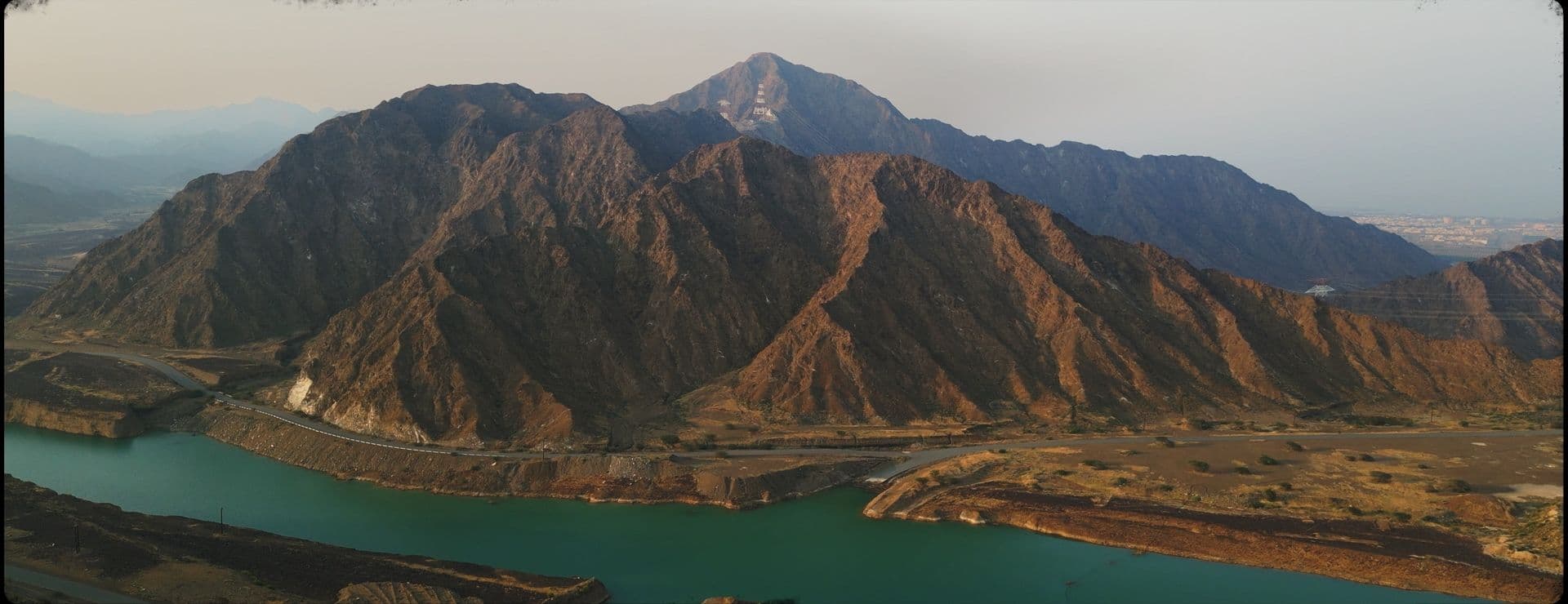
When the subject is a place, the case for aerial footage is strongest. The Wadi Wurayah documentary made for Fujairah's UNESCO file, which was successfully nominated as human heritage, is the kind of project where the place itself is the subject. In films like this, the viewer needs to understand a site's extent, its terrain and its relationship to what surrounds it. UNESCO nomination films and projects on protected natural or heritage sites tend to carry longer permit timelines in general, because more than one authority has to sign off.
Human and Intangible Heritage Stories
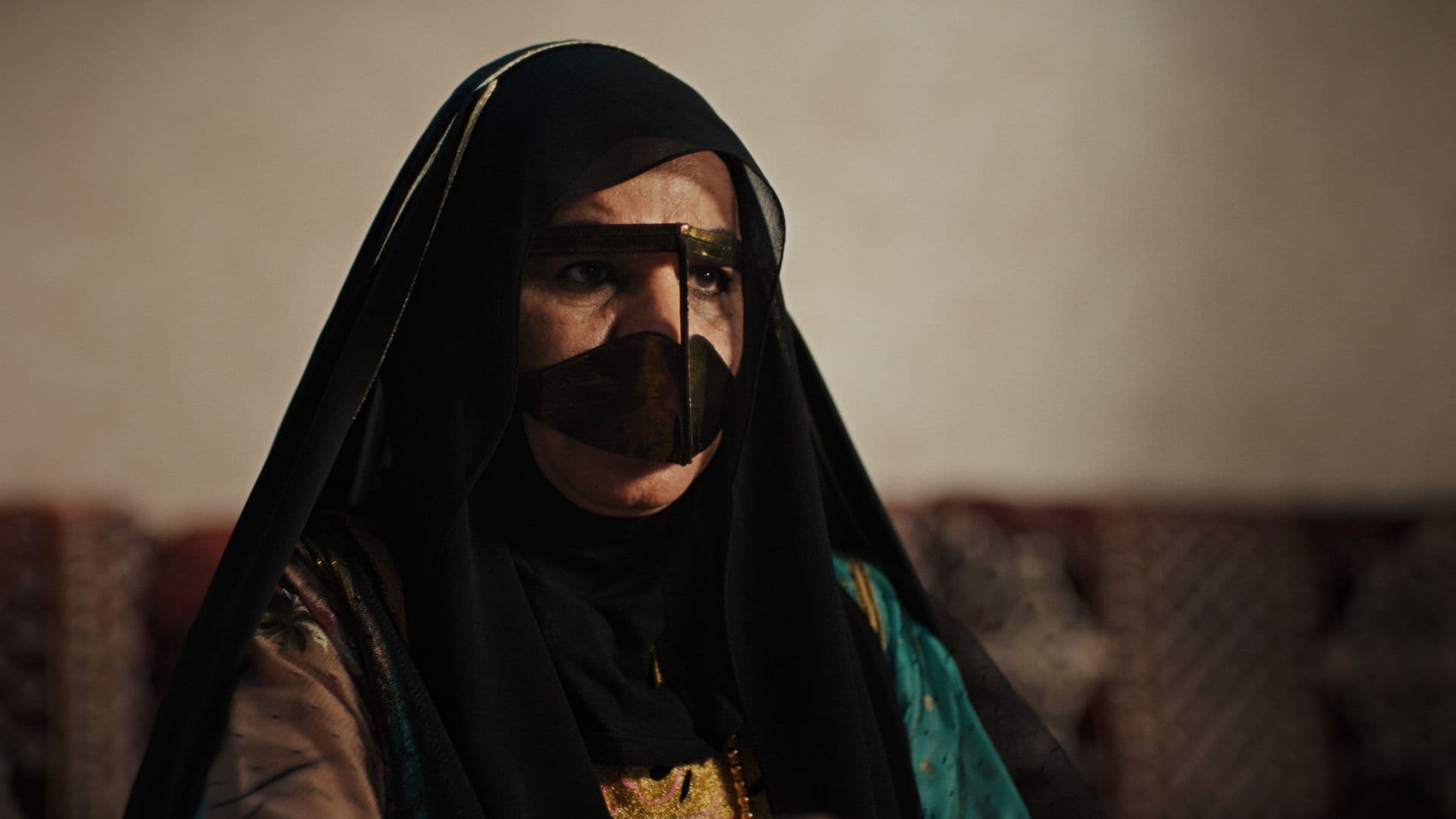
Intangible heritage lives in voices, gestures, songs and practices. The Sirat Arzag series of twelve short documentaries positions the UAE among the old and new worlds and draws on more than 60 hours of recorded intangible heritage. In stories built on recorded memory and practice, the camera's place is usually close to the people. Aerial shots, if used at all, work as brief context between those moments: where a community lives, the ground a practice comes from. They support the testimony. They do not replace it.
Planning a Drone Day Without Losing Your Schedule
The safest drone day is one that was planned in the first weeks of the project. Use this as a working checklist.
Before the Shoot
- Confirm the need in the script. List each aerial shot and the story question it answers. Cut any that do not.
- Check every location against restricted airspace. That includes airports, palaces, government buildings, military sites and anything next to them.
- Confirm the operator's UOA and insurance before you sign.
- Secure location NOCs early. Heritage sites may need sign-off from several owners.
- Submit the Letter of Intent with time to spare. Work from the full processing window, and allow more time for government and UNESCO sites.
- Place the drone day early in the shoot. If approval slips, you can still move it without touching delivery.
- Plan a ground-based alternative for every aerial shot, in case approval does not arrive.
If you are still selecting a partner, our guide to choosing an institutional film production company explains what to ask about permits and scheduling before you commit.
On the Day
- Carry the approvals in print and on a device. Police or site security may ask to see them.
- Brief the site contact on flight times and the area to be covered.
- Fly the approved window and area only. Changes need new approval.
- Schedule around light and heat. Early morning and late afternoon give better light and better battery performance.
- Log every flight. Keep a record of time, location and footage for the archive and for any later questions.
Frequently asked questions
Do I need a permit to fly a drone for filming in Abu Dhabi?
Yes. Commercial drone filming in Abu Dhabi requires approval from the GCAA, the Ministry of Defence and Abu Dhabi Police, and the operator must hold a valid GCAA operator authorization. A Letter of Intent and a location NOC usually start the process.
How far in advance should drone permits be requested for a government site?
Plan for weeks, not days. Standard Abu Dhabi processing is commonly planned at around 18 to 20 working days from submission, and government and UNESCO sites often take longer. Request permits as soon as locations are confirmed in the script.
Can drones film near palaces or military installations in the UAE?
Flying over or near royal palaces, government buildings, diplomatic missions and military installations is prohibited by default. Documentary work near them is sometimes possible with specialist clearance, which involves additional Ministry of Defence review and sometimes a NOTAM. It should never be attempted without that clearance in hand.
What happens if aerial footage isn't approved in time for the shoot date?
The flight cannot go ahead, and flying anyway carries heavy fines and possible criminal penalties. This is why we plan a ground-based alternative for every aerial shot and place drone days early in the schedule. That way a late approval moves one day rather than the delivery date.
Does every documentary budget need to include a drone day?
No. Aerial footage should earn its place through the research and the script, not by habit. Films about places and scale often need it. Films about people, crafts and intangible heritage often do not.
If you're weighing up whether a project needs aerial filming, talk to Sedrah Stories and start a project. We will work through the research and the story with you before a single flight is planned.
Read next: Choosing a Heritage Preservation Film Company: 8 Must-Haves