


Key takeaways
- A research-first methodology, not a showreel, is what separates a documentary specialist from a general production house. At Sedrah Stories, every film passes through five stages: Discovery, Research, Scripting, Production and Post-production.
- Institutions filming national occasions should ask three questions early: who owns the research, who signs off at each stage, and what happens to the archive after delivery.
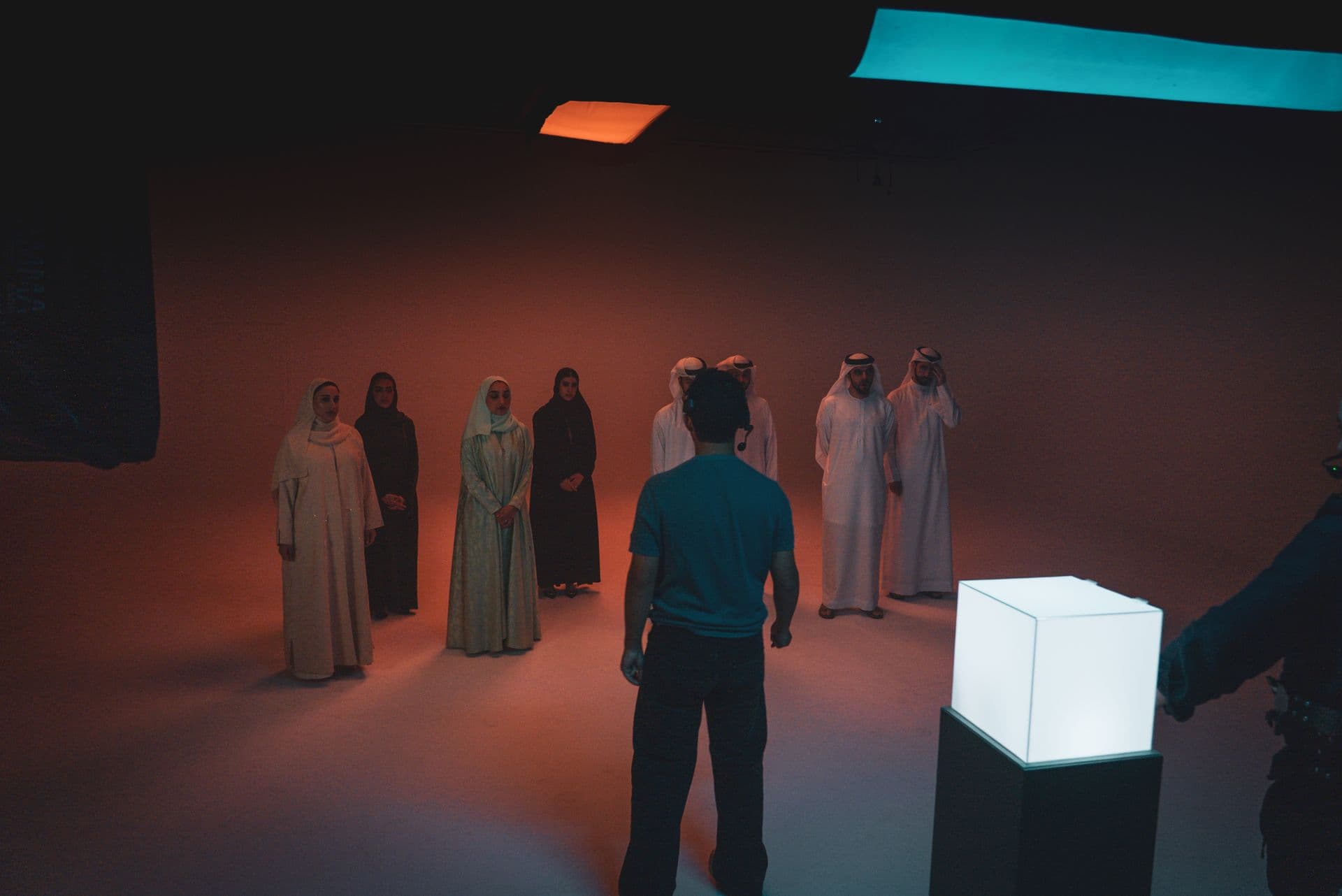
- Format choices carry different costs and timelines. Shooting on film rather than digital, as we did on The Pledge Day tribute, should be confirmed before a budget is fixed.
- General agencies, corporate video houses and heritage documentary specialists differ most in how much research sits behind the camera.
- A short decision framework narrows most shortlists to one or two names. Match the partner to the occasion, ask for evidence over promises, and confirm the process in writing.
What Counts as Institutional Film Production in the UAE
Choose the company whose research you can see, whose process is written down, and whose record includes occasions like yours. That is the short answer. The rest of this guide explains how to test each of those claims in a first meeting.
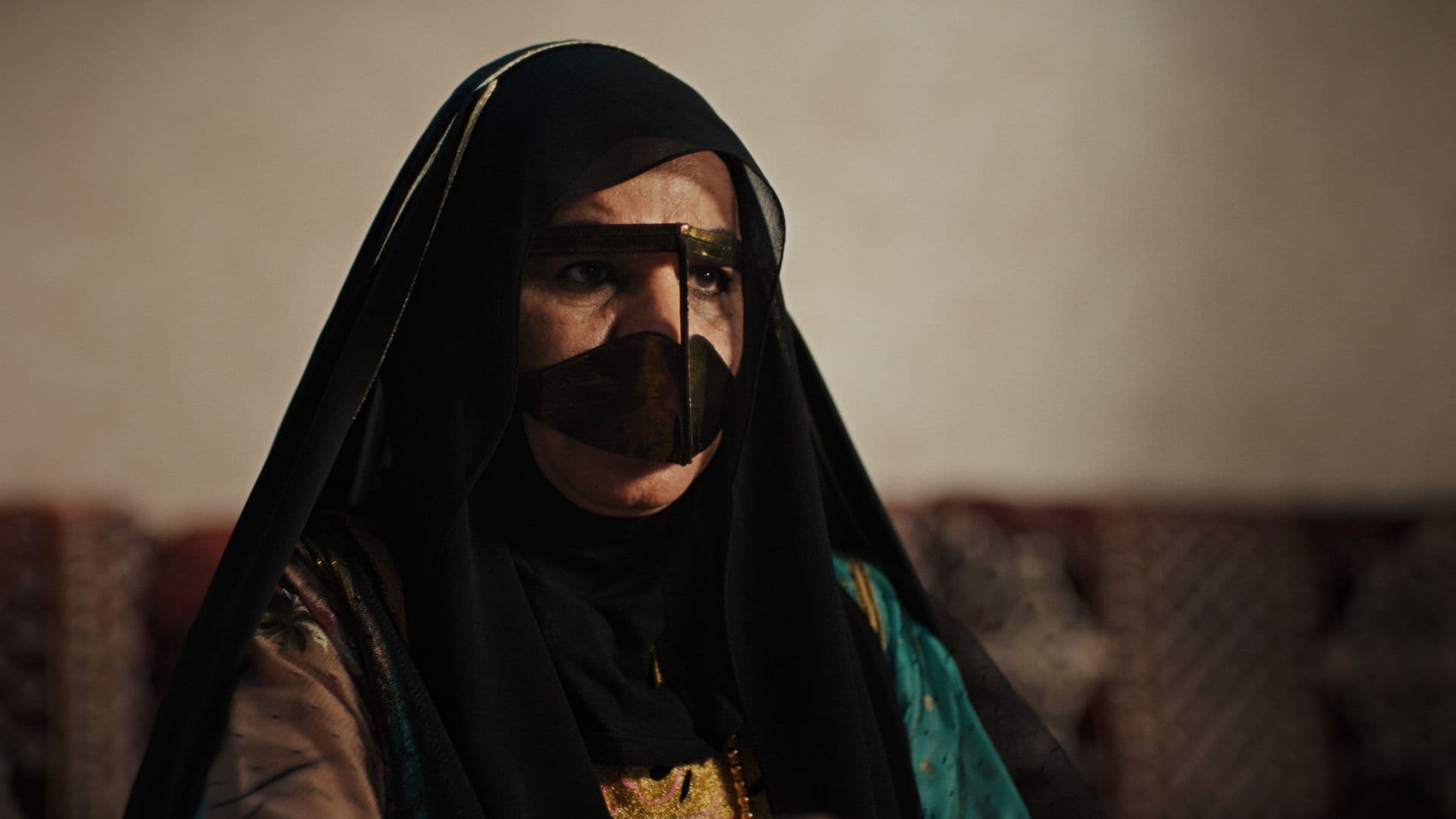
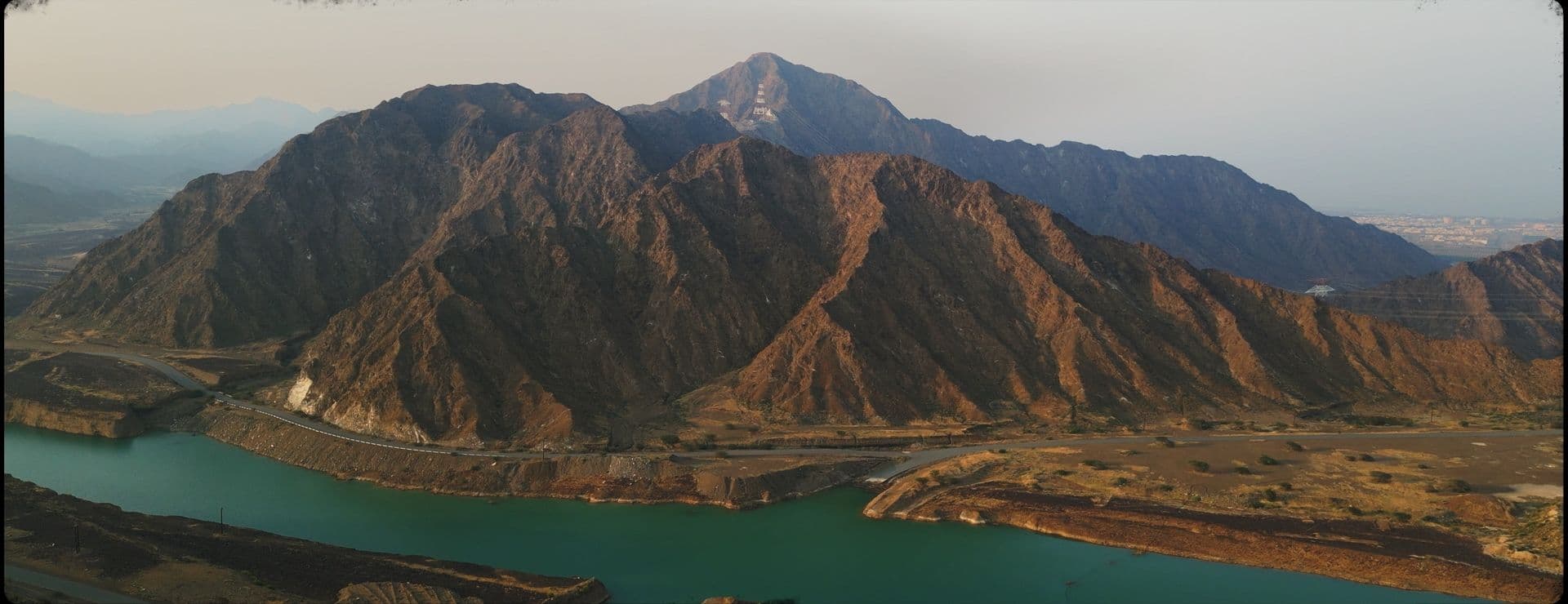
Institutional film production in the UAE covers films made for government bodies, semi-government institutions, cultural foundations and organizations whose work is part of the national story. These include national tributes, intangible-culture series, UNESCO nomination films, heritage records and long-format knowledge programs. The audience is often the nation itself. The subject is often a custom, a value or a moment in the country's history.
This is not corporate video with a larger budget. A product launch can tolerate a loose fact. A government documentary cannot. A heritage film that misnames a craft, misdates an event or frames a tradition carelessly does lasting harm to the institution that commissioned it.
That is why heritage filmmaking needs a different kind of partner. The work begins in archives, interviews and consultation, long before a camera is hired. Sedrah Stories was built around that order of work. We turn history, culture and heritage into cinema, and every film goes through the same five stages: research first, then the frame.
The Five Questions That Separate Serious Candidates
A reel shows what a company can light and cut. It does not show what the company knows, or how it behaves when a script needs approval from three offices. These five questions do. Ask them in the first meeting, and listen for specifics.
Who owns the research before a script is written?
Ask who reads the sources, who conducts the interviews, and who checks the facts. Some companies hand research to the client and film whatever arrives. A documentary production company that leads with research-driven scripting will name the people responsible, describe the sources it uses, and explain how disagreements between sources are resolved.
What does the five-stage process look like in practice?
Any company can list stages. Ask what is delivered at the end of each one. Discovery should end with an agreed understanding of the subject and the audience. Research should end with a body of verified material. Scripting should end with a document your team can approve line by line. If the stages have no outputs, they are not stages.
Has the team handled national or institutional occasions before?
National occasions carry protocol, symbolism and fixed dates. Ask which occasions the company has filmed, for which kind of institution, and what its role was. Then ask to see the finished work on the company's own site, not only in a private reel.
Who signs off at each stage, and how?
Institutional films pass through several reviewers. Ask how the company structures approvals: who receives drafts, in what form, and how many rounds are planned. A clear sign-off map protects the timeline and protects the people whose names sit on the final film.
What happens to the archive and raw material after delivery?
Footage, interviews and research files can outlive the film by decades. Ask who owns them, how they are stored, and in what formats they will be handed over. For heritage subjects, the raw material is often as valuable as the cut.
Comparing the Three Types of Production Partner
Most shortlists for institutional film production in the UAE mix three kinds of company. Each has a place. The table below shows where each one fits.
- Research depth: General creative agency: Light; often relies on client-supplied material; Corporate video house: Moderate; focused on the brief's key messages; Heritage documentary specialist: Deep; primary sources, interviews, expert review
- Cultural sensitivity: General creative agency: Varies by team; Corporate video house: Varies; strongest on commercial tone; Heritage documentary specialist: Central to the work; framed around national values and identity
- Methodology: General creative agency: Campaign-led: concept, shoot, edit; Corporate video house: Production-led: brief, shoot, edit; Heritage documentary specialist: Research-led: Discovery, Research, Scripting, Production, Post-production
- Typical use case: General creative agency: Advertising, social campaigns, events; Corporate video house: Internal communications, product and facility films; Heritage documentary specialist: National tributes, heritage series, nomination films, long-format documentaries
- What to ask for: General creative agency: Campaign results; Corporate video house: Client list and turnaround; Heritage documentary specialist: Research notes, sources and finished factual work
A general agency may be right for a social campaign around a national day. A corporate video house may be right for a training film. When the subject is the country's heritage or an institution's legacy, the difference in research depth decides the outcome.
What a Research-First Process Looks Like
Research-driven scripting and production is a sequence. Each stage shapes the one after it. When the order breaks, the film shows it: interviews that repeat each other, visuals that decorate rather than explain, and facts that need correcting in the edit.
Discovery and research before a frame is shot
Discovery defines the subject, the audience and the purpose: what a viewer should understand, or feel, by the end. It identifies which communities, families or institutions hold the knowledge, and what must not be said.
Research then gathers the material. That means archives, published histories, oral testimony and consultation with people who carry the tradition. In factual and heritage filmmaking, this is where the film is really made. The camera only records what research has already found.
Scripting that carries the research forward
A good documentary script is a map of evidence. Every claim should trace back to a source. Every scene should exist because research showed it matters.
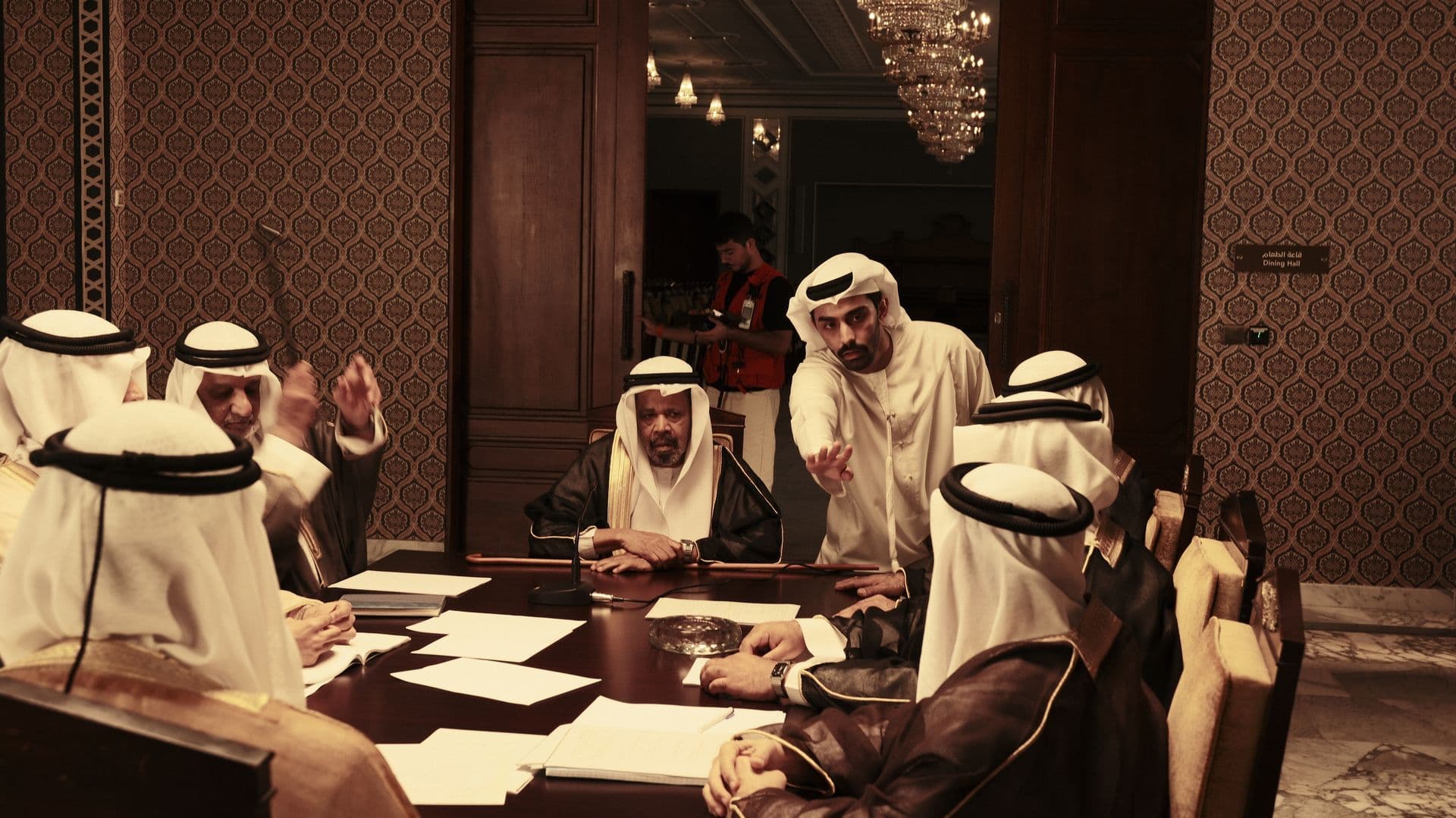
The Pledge Day, our tribute to the country for Union Pledge Day on 18 July, sets research notes and references beside the frames they informed on its project page. That is the principle in plain view. The image answers to the research, not the other way round.
Production choices that respect the subject
Production follows from the script. Where to film, whom to film, what to leave out, how long to hold a frame: these are editorial choices before they are technical ones.
National occasions also sit inside larger programs. Our National Day work comprised two of the Eid Al Etihad 54 campaign films, made with the Eid Al Etihad team. A film made for a national campaign has to belong to that campaign. Its tone, symbols and message must align with the whole, and the production partner must work as part of that team.
Production Values That Matter on National and Government Occasions
High production value on a national occasion is not about spectacle. It is about care that shows on screen: in the texture of the image, the accuracy of the archive and the steadiness of the approvals behind it.
Shooting on film versus digital
Film and digital produce different images and demand different workflows. Film brings a texture and permanence that suit tributes and heritage subjects. It also changes how a shoot is planned, how material is processed and how the edit is scheduled.
The Pledge Day was shot 100% on film, with no digitalization. That was the right format for that tribute. It will not be right for every project. Ask any candidate to explain the cost and timeline implications of each format for your film before you agree a budget.
Archival and behind-the-scenes material
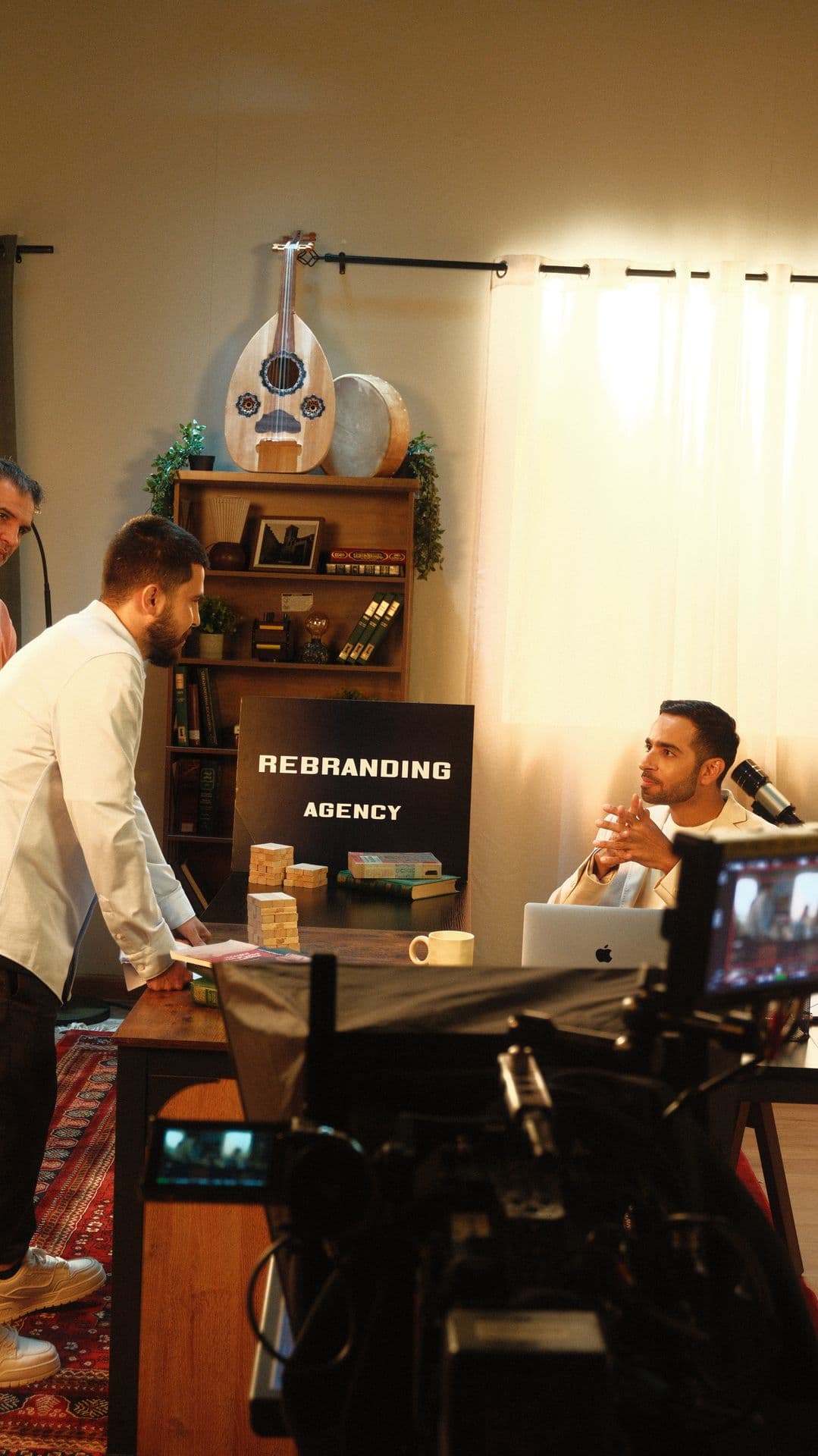
Many institutional films rely on archival photographs, footage and documents. Ask how the company sources them, clears rights and records provenance. Ask, too, whether behind-the-scenes material will be captured. A record of how a national film was made can become part of the institution's own archive.
Working within institutional sign-off
Government and semi-government films pass through internal reviews and, often, external approvals. Filming permits in the UAE are handled emirate by emirate rather than through a single national permit. Under federal rules, a filming activity permit application must include a pre-approved script, and the competent authority reviews applications within fifteen working days (UAE filming permit legislation). Heritage sites add a separate layer: a dedicated application to the relevant cultural authority, with stricter limits on equipment and crew size, and commercial filming at government-designated heritage sites carries a published fee of AED 1,000 to AED 5,000 per shoot day (filming permits at Dubai's iconic locations).
A partner who plans for these steps from discovery onward keeps the film on schedule. A partner who discovers them during production does not.
A Decision Framework for Choosing Your Partner
Most institutions do not need a long tender to find the right documentary production company. They need a short, repeatable method applied with discipline.
Match the partner to the occasion
Start with the film, not the company. A national tribute, a heritage series and a nomination film each need different depth of research and different sensitivities. Write one paragraph describing the occasion, the audience and the purpose. Then remove any candidate whose finished work does not include something comparable.
Ask for evidence, not just a reel
Ask each remaining candidate for research samples, a draft script structure from a past project, and the names of the stages they will deliver. Look for published work on their own site that you can verify. Promises about quality are easy. Research notes are not.
Confirm the process in writing
Before signing, put the process on paper: the five stages, the deliverables at each, the sign-off route, the format, and the handover of archive and raw material. A partner who welcomes this step is usually the partner to choose.
Related: Evaluating a documentary company for government projects · How to brief a documentary production company
Frequently asked questions
How long does an institutional documentary take to produce in the UAE?
It depends on the depth of research, the number of locations and the approvals involved. Regulatory steps alone take time: in Dubai, script approval can take up to 25 business days, and permits for landmark or drone shoots can take 10 to 25 days (media production setup in Dubai). Build these into the schedule from the start, and fix the delivery date around the occasion rather than the other way round.
What is the difference between a corporate video company and a documentary production company?
A corporate video company is built to communicate a client's messages efficiently. A documentary production company is built to investigate a subject and tell it truthfully. The difference shows in the research: documentary specialists spend most of their effort before the shoot, verifying sources and shaping a script from evidence.
Do we need government approval before filming heritage content in the UAE?
In most cases, yes. Filming permits are issued at the emirate level, a foreign production must apply through a UAE-licensed production company, and heritage sites require a separate application on top of the standard permit, with commercial filming at government-designated heritage sites costing AED 1,000 to AED 5,000 per shoot day. Federal media regulation has also changed: the National Media Authority took over from the UAE Media Council, in force from January 2026 (media production setup in Dubai).
Can a production company help with a UNESCO nomination file?
A production company can create the film that accompanies a nomination, and a research-led partner can help document the element with care. The file itself must show the widest possible participation of the community concerned, with their free, prior and informed consent (UNESCO ICH report). It must also identify the inventory in which the element is already recorded (UNESCO ICH report). The film should reflect that participation, not replace it.
What should be included in a documentary proposal for a UAE institution?
A strong proposal sets out the subject and purpose, the research approach and sources, the stages and their deliverables, the sign-off route, the format, and the archive handover. It should also flag likely permits and approvals. If a proposal shows only a creative concept and a price, ask for the rest before comparing it with others.
If you are weighing up partners for a national occasion or institutional series, start a project with Sedrah Stories and we will walk you through the five-stage process in detail.