


Key takeaways
- Most failed government documentaries fail in research, not on camera. Before you ask a documentary company for government projects about equipment, ask how it structures its research phase.
- Late stakeholder sign-off is one of the most common causes of delay. A serious partner names approval stages during scripting and at the rough cut, not only at final delivery.
- Tone mismatches on national occasions usually begin when a crew treats the brief as corporate video rather than heritage storytelling grounded in context.
- A company's own project list should show institutional subjects, not just brand films. Sedrah Stories' Challenge 71 is one example of what to look for.
- Ask for a written five-stage breakdown (discovery, research, scripting, production, post-production) before you commission. A vague process description is a warning sign.
Why Government Documentary Projects Fail in Predictable Ways
Evaluating a documentary company for government projects comes down to four questions. How does it research? When does it ask for approval? How does it judge tone? What institutional subjects has it already filmed? A showreel answers none of them. At Sedrah Stories, we make research-driven documentaries and heritage films for government, semi-government and private institutions across the UAE. Every film goes through the same five stages: discovery, research, scripting, production and post-production. Research first, then the frame.
The failures in government documentary production are rarely mysterious. They repeat. A film is shot before the history is checked. A senior stakeholder sees the cut for the first time a week before the occasion. A national tribute arrives with the rhythm of a product launch. A partner is chosen because its footage looked beautiful, and nobody asked how it handles approvals.
Each section below names one of these mistakes and pairs it with a fix you can write straight into a procurement brief or vendor review. When you assess a partner's past work, look for subjects that carry institutional weight. Our own list includes Challenge 71, a documentary on a competition among the UAE's top government achievers across all sectors. That is the kind of subject matter that shows a company understands public institutions, not only brands.
Mistake One: Skipping Research to Save Time
Research is the stage most often squeezed when a deadline is fixed to a national date. It feels like the safest place to cut. It is the most expensive.
What Gets Lost When Research Is Rushed
A national documentary becomes part of the record. Once it is broadcast, screened at an official event or archived by an institution, its errors travel with it. A rushed research phase tends to lose the same things:
- Accuracy of names, dates and sequence. Small slips in chronology or attribution are hard to spot on set and harder to remove after picture lock.
- Cultural context. Terms, customs and protocol carry meaning that a crew without grounding will flatten or misread.
- Archive and rights. Footage, photographs and documents need sourcing and clearance. Discovering a gap in the edit forces substitutions that weaken the story.
- The right voices. Interviewees chosen in haste are often the most available rather than the most knowledgeable.
Some projects make research a formal requirement. A UNESCO Intangible Cultural Heritage nomination file must include a nomination form (ICH-02), evidence of community consent, an inventory extract, ten photos and a video, according to UNESCO's published nomination materials. A film for that file has to rest on documented consent and inventory work. No amount of grading fixes a missing consent record.
The Fix: Ask to See the Research Phase in the Proposal
Research-driven scripting starts before a single camera is booked. Ask any company you are considering to show, in writing:
- Which archives, libraries and institutional sources it will consult.
- Who will review cultural and historical accuracy, and at what point.
- How interviewees are identified and vetted.
- What the research stage produces (a dossier, a source log, a story outline) and how that output feeds the script.
- How long the research phase is allotted relative to the shoot.
If the proposal moves from "kick-off meeting" straight to "filming days", the research is happening informally, or not at all.
Mistake Two: Leaving Stakeholder Sign-Off Until the End
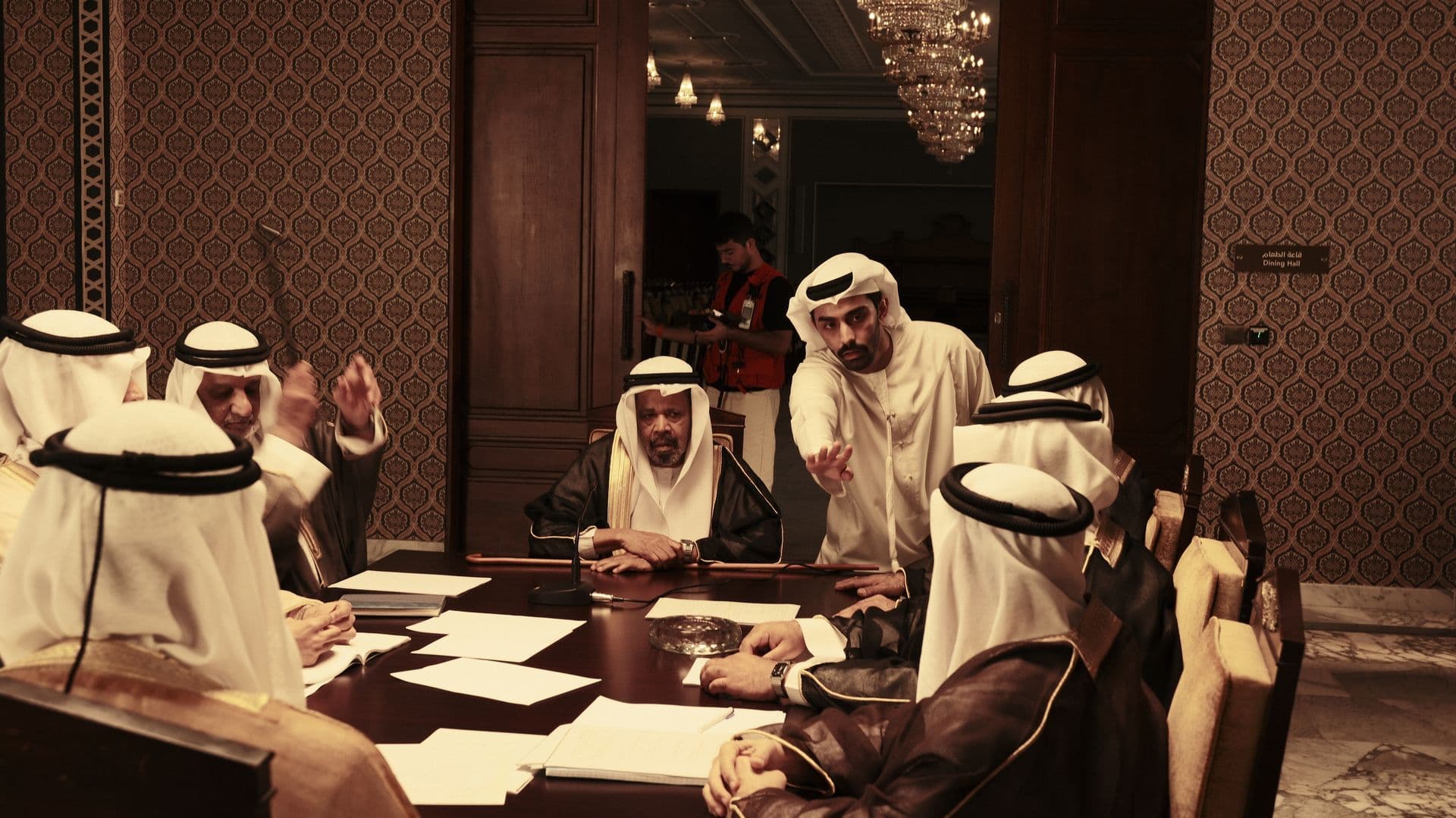
Government films have many owners. A department commissions, a communications office reviews, a senior leader approves, and sometimes a separate authority signs off on facts or protocol. When all of these people first meet the film at final delivery, the schedule breaks.
Why Late Sign-Off Derails Government Timelines
Documentary approvals that arrive late arrive as structural notes. A change to who speaks first, which era is emphasized or how a figure is introduced cannot be solved with a trim. It reaches back into the script, sometimes into the shoot. If the delivery date is tied to a national occasion, there is no room to absorb a reshoot.
There is also a regulatory layer. UAE legislation requires a script and content approval permit from the Media Council, whose role now sits with the National Media Authority, before filming any movie, play or series in the country, with an electronic copy of the script submitted (UAE legislation). A script that is still changing when the shoot begins creates risk on two fronts: internal approval and external compliance.
The Fix: Build Sign-Off Into Scripting and the Rough Cut
Ask your partner to name its approval checkpoints before you sign. A sound structure for government documentary production looks like this:
- Treatment sign-off. The story, structure and tone are agreed on paper.
- Script sign-off. Facts, interviewees and narration are locked before filming.
- Rough-cut review. Stakeholders see the shape of the film while changes are still cheap.
- Fine-cut review. Notes are limited to detail, not structure.
- Final delivery. Technical approval only.
Each checkpoint should have one named approver on the client side and one consolidated set of comments.
Mistake Three: Tone Mismatches on National Occasions
A national documentary made for a tribute, an anniversary or a heritage celebration is judged first by how it feels. Viewers forgive a modest budget. They do not forgive the wrong register.
How Generic Treatment Shows Up on Screen
When a crew treats the brief as corporate video, the signs are easy to recognize:
- Openings built on drone glides and swelling stock music, regardless of subject.
- Narration written as a list of achievements rather than a story with a point of view.
- Fast cutting where the subject calls for stillness and time.
- Slogans in place of context: what happened, why it mattered, who carried it forward.
- Interviews framed like testimonials instead of testimony.
None of this is a failure of skill. It is a failure of reading. The crew has understood the deliverable and missed the occasion.
The Fix: Test Tone Against the Occasion, Not the Brief Alone
A brief tells a company what to make. The occasion tells it how the film should sit with the people watching it. Ask any documentary company for government projects to show you, before production:
- A short written tone statement that names the occasion and the audience.
- Visual and music references, with reasons for each choice.
- A sample sequence or mood film, if the budget allows.
- How format choices will serve the subject rather than habit.
Then judge those references against the event itself: where it will screen, who will be in the room, and what the moment asks of them.
Mistake Four: Choosing on Showreel Alone
A showreel is a highlight of the best frames a company has captured. It is useful. It is also the least informative document in a vendor review.
What a Showreel Doesn't Tell You
Footage cannot show you who researched the film, how approvals were handled, whether the schedule held or whether the company was licensed for the work. It cannot tell you if the striking images came from the company's own crew or from a subcontractor. It says nothing about how the company behaves when a senior stakeholder asks for a structural change two weeks before delivery.
It also cannot tell you whether the company is properly licensed. Since January 2026, UAE media regulation has three distinct layers: a trade licence (from DET or a free zone), a media activity licence from the federal National Media Authority, and a per-shoot filming permit from the Dubai Films and Games Commission under the Dubai Media Council for work in Dubai (Business Dubai). The NMA's application lists an existing trade licence among its required documents, so a trade licence is a starting point, not proof of readiness. Location filming is a separate question again. A company licence does not authorize a shoot at a location, and other authorities can be involved depending on the site (DM UAE). For on-site heritage filming, this matters.
The Fix: Ask About Institutional Track Record, Not Just Footage
Replace "show us your reel" with questions that reveal process:
- Which government or institutional subjects have you filmed, and what was the occasion?
- Who on your team led research and scripting on those films?
- How many approval rounds did those projects include, and at which stages?
- Which licences do you hold, and how do you handle location permits?
- Can we speak to an institutional client?
A Checklist for Evaluating a Documentary Company for Government Projects
Use this table in procurement or vendor review. Each row ties back to one of the mistakes above.
- Process: Strong answer: A written five-stage breakdown: discovery, research, scripting, production, post-production; Warning sign: "We'll start with a kick-off and go from there"
- Research phase: Strong answer: Named sources, archives, reviewers and a defined research output; Warning sign: Research folded into "pre-production" with no detail
- Documentary approvals: Strong answer: Named sign-off points at treatment, script, rough cut and fine cut; Warning sign: Approval only at final delivery
- Script compliance: Strong answer: A plan to lock the script before filming and handle content approval; Warning sign: Script still open once shooting begins
- Tone: Strong answer: A tone statement and references tested against the occasion; Warning sign: Generic references reused from brand campaigns
- Track record: Strong answer: Institutional and national subjects on the company's own project list; Warning sign: Mainly commercials and brand films
- Licensing: Strong answer: Trade licence, NMA media activity licence and a permit plan for each location; Warning sign: Only a trade licence offered as proof
- Heritage files: Strong answer: Ability to deliver consent, inventory and video materials to a fixed specification; Warning sign: Treats a UNESCO film as a purely creative brief
If a company passes on process, research and approvals, its footage will usually follow. If it fails on those three, a strong reel will not save the film.
Related: Verify a documentary production company's credentials · Write a documentary proposal for UAE institutions · Planning a government anniversary documentary
Frequently asked questions
How long does a government documentary typically take from discovery to delivery?
It depends on the depth of research, access to archives and interviewees, and the number of approval rounds. A short institutional film moves faster than a multi-episode heritage series. The most reliable way to protect a fixed national date is to agree the research period and sign-off stages before production is booked.
Who should be involved in sign-off meetings for a national documentary?
Keep it small and named. Typically that means the commissioning lead, a communications or media representative, a subject-matter or cultural reviewer for factual accuracy, and the senior approver who will speak for the institution. Each stage should end with one consolidated set of comments rather than separate notes from every attendee.
Can a documentary company work on both UNESCO nomination films and anniversary films?
Yes, but they are different jobs. A UNESCO nomination film must meet the file's fixed requirements, which sit alongside evidence of community consent and an inventory extract. An anniversary film is shaped by the occasion and its audience, so ask the company how its process changes between the two.
What should be in a documentary company's proposal for a government project?
A clear five-stage breakdown, a defined research phase with named sources, explicit approval checkpoints, a tone statement for the occasion, the team who will do the work, and the licences and permits the shoot will need. If any of these are missing, ask for them in writing before you commission.
How do we check a production company's research credentials before hiring them?
Ask who led research on past institutional films and what that research produced, such as a source log or dossier. Request a sample of research material from a previous project, where confidentiality allows. Speak to an institutional client about how accuracy and cultural review were handled.
If you're weighing up partners for a government or institutional documentary, start a project with Sedrah Stories and we'll walk you through our five-stage process from discovery onward.