


Key takeaways
A documentary proposal for a UAE institution succeeds when it proves the story has been researched before it asks for a budget. At Sedrah Stories, we build every proposal around that principle, because it is the first thing government and cultural reviewers test.
- Lead with research, not cameras or shot lists. Reviewers want evidence the story has been verified before they commit funds.
- Name a specific format: a single film, a short-film series or a UNESCO nomination film. A defined format moves through approval faster than an open one.
- State your track record with comparable institutions plainly. Do not leave reviewers to infer it.
- Structure the proposal around five stages: Discovery, Research, Scripting, Production, Post-production. This shows the institution what happens before a single frame is shot.
- Vague narrative framing sinks more proposals than budget does. Give the research summary and the narrative approach the most care.
What Reviewers at UAE Institutions Look for in a Documentary Proposal
An institutional documentary in the UAE is rarely a marketing exercise. It might mark a national occasion, record a living tradition or support a heritage file. The people reviewing your documentary proposal for a UAE institution know this. They are reading for one thing above all: whether you understand the subject well enough to be trusted with it. A proposal that answers this should contain seven elements, context and occasion, research summary, narrative approach, format and episode count, production method, team and track record, and timeline and deliverables, structured around the same five stages Sedrah Stories uses on every project: Discovery, Research, Scripting, Production and Post-production.
That trust is built from several signals.
Fit with the occasion. The proposal should show why this film, and why now. A tribute to a founding figure carries different expectations from a series on a regional craft.
Cultural and historical accuracy. Reviewers need confidence that names, dates, places and customs will be represented correctly and with respect. A proposal that cites its sources, its archives and the people it plans to consult answers that concern before it is raised.
Method and approach. Under federal procurement, evaluation weighs more than price. Technical quality, including methodology and proposed approach, sits alongside experience, team credentials and references (TenderG). For a documentary, "methodology" means how you will research, write and film the story.
Local presence and language. The same guide notes that a genuine UAE-based team carries significant weight, and that Arabic-language capability is a practical necessity because many tender documents and communications are in Arabic (TenderG).
Compliance. For federal tenders, the paperwork comes first. A bidder that cannot evidence its tax position, AML registration, Emiratisation status and integrity declarations does not reach the technical comparison at all (Kayrouz & Associates).
Semi-government bodies and private foundations may run lighter processes, but the underlying questions stay the same. If you want a sense of how a research-first studio frames these answers, Sedrah Stories' documentary production work is built on exactly this sequence.
The Seven Elements Every Documentary Proposal Needs
Whether you are writing the proposal yourself or preparing to brief a documentary production company to write it with you, these seven elements form the spine of the document. Use them to build a first draft or to audit one you already have.
Context and Occasion
Open with the reason the film exists. State the institution, the occasion or anniversary, the audience and where the film will be shown. One clear paragraph here frames everything that follows. A reviewer who understands the purpose in the first page reads the rest of the proposal more generously.
Research Summary
This is where most proposals are won. Summarize what is already known about the subject, which archives and collections you have identified, which historians or community members you intend to interview, and what remains to be verified. Be honest about gaps. A proposal that says "we have not yet confirmed the date of this event and will do so through these two sources" is more convincing than one that glosses over it.
Narrative Approach
Explain the story you intend to tell, not just the topic. Who carries the narrative? Is it told through a single voice, several witnesses or an unseen narrator? What is the arc from opening to close? Describe the emotional register too: reflective, ceremonial, intimate. Reviewers should be able to picture the film after reading this section.
Format and Episode Count
Commit to a format. A single long-form documentary, a short-film series with a defined number of episodes, or a film made for a nomination file. Give approximate durations and explain why this format serves the occasion. We cover how to choose below.
Production Method
Describe how the film will be made: locations, filming approach, whether you will use archival material, reconstruction, aerial footage or interviews, and the camera format. If a project calls for a particular method, such as shooting entirely on film, state it here with the reason. Method choices should follow from the story, not the other way round.
Team and Track Record
Name the key people: director, researcher, writer, producer, editor. Then list comparable work for comparable institutions, plainly. If you have made a film for a heritage file or a government programme, say so and link to it. Reviewers are not looking for adjectives. They are looking for proof that you have done this before.
Timeline and Deliverables
Lay out the schedule by stage and list exactly what the institution will receive: master files, language versions, subtitles, cut-downs, stills, behind-the-scenes material. If the film must be ready for a fixed national date, build the timeline backward from that date and show it.
How the Five-Stage Process Should Shape Your Proposal
Every film we make goes through the same five stages: research first, then the frame. Those stages map cleanly onto a proposal, and using them gives reviewers a document they can follow.
- Discovery. This is your Context and Occasion section. It records what the institution needs, who the audience is and what the film must achieve. In a proposal, Discovery shows you listened before you wrote.
- Research. This feeds the Research Summary. It is the stage that separates heritage filmmaking from corporate video. Archival work, interviews with knowledge holders and fact-checking against primary sources all happen here.
- Scripting. This drives the Narrative Approach. Research-driven scripting means the script grows from verified material. The story is shaped by what the research reveals, not decided in advance and then decorated with facts.
- Production. This is your Production Method section: the shoot itself, its locations, crew and format.
- Post-production. This covers editing, sound, color, graphics, archival restoration and versioning, and it maps onto your Deliverables.
Presenting the proposal this way does two things. It shows the institution that most of the critical decisions happen before any filming begins. And it gives the reviewer a natural place to ask questions at each stage, rather than one undifferentiated block of promises.
Choosing the Right Format to Propose
The format you propose should match the occasion, the audience and where the film will live. A defined format also makes your timeline and deliverables credible. For a deeper comparison of two of the options, see our guide to short-film series vs feature documentary.
- Best suited to: Single documentary film: National tributes, anniversaries, landmark institutional stories; Short-film series: Intangible culture, knowledge content, multi-topic programmes; UNESCO nomination film: Supporting a heritage or intangible-culture nomination file
- Where it is seen: Single documentary film: Premieres, ceremonies, broadcast; Short-film series: Social channels, websites, museum screens, broadcast slots; UNESCO nomination film: Submitted with the file to UNESCO, then often shown publicly
- Narrative shape: Single documentary film: One continuous arc; Short-film series: Self-contained episodes linked by a theme; UNESCO nomination film: Focused demonstration of the element and its community
- What reviewers need to see: Single documentary film: A strong central story and a clear emotional arc; Short-film series: Episode list, shared visual language, release plan; UNESCO nomination film: Alignment with the file's requirements and community consent
- Research emphasis: Single documentary film: Depth on one subject; Short-film series: Breadth across several subjects; UNESCO nomination film: Accuracy and community voice above all
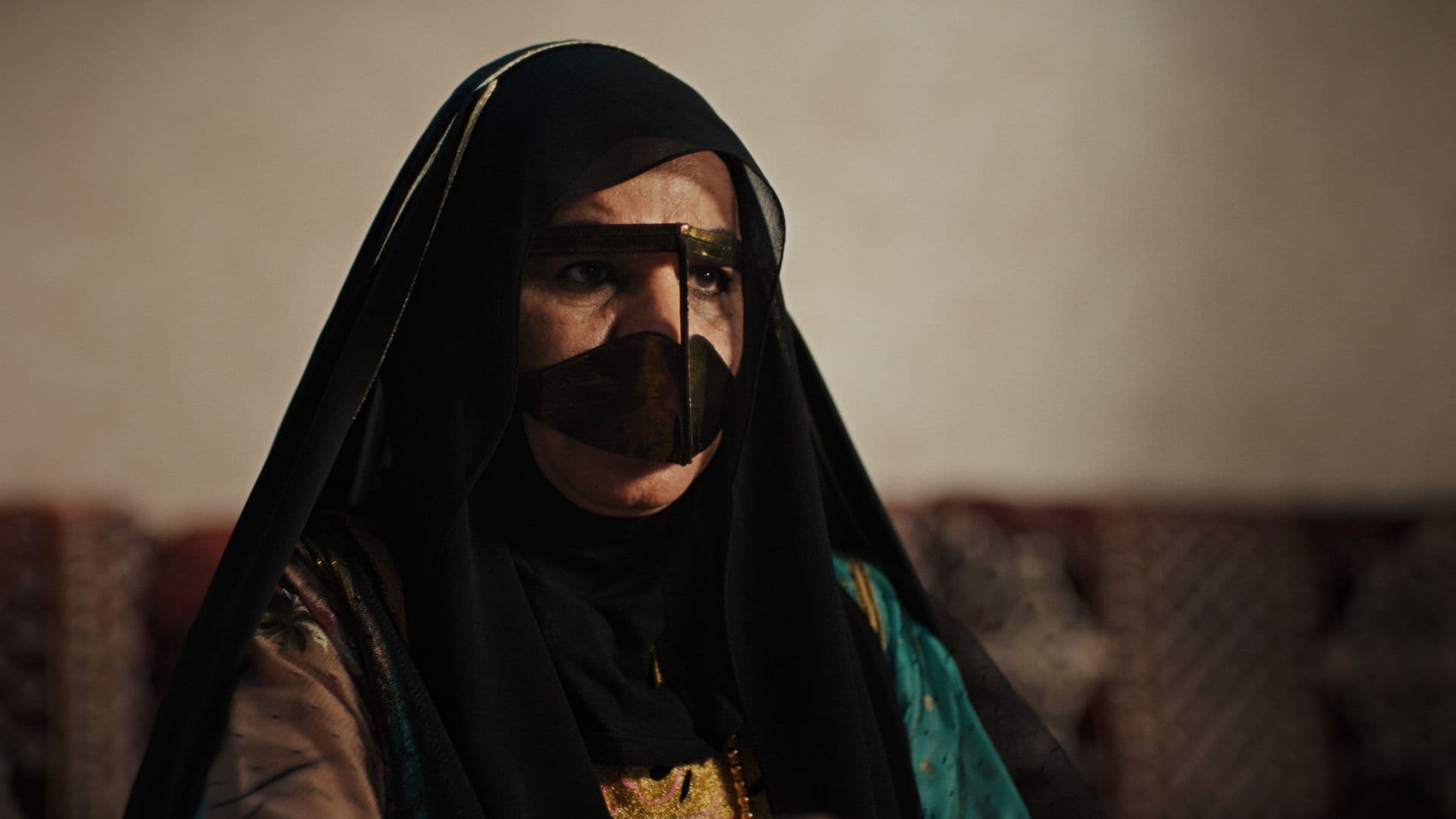
A UNESCO nomination film is a distinct discipline. For Intangible Cultural Heritage nominations, the file includes a nomination form, evidence of consent from the communities concerned, ten photos and a video (UNESCO, Representative List; UNESCO, Urgent Safeguarding List). The film is one part of a larger case, and it must support the written file rather than compete with it. The UAE has continued to add elements to the Representative List, including Harees and the Oud instrument in 2026 (UNESCO), so reviewers in this area know what a strong submission looks like.
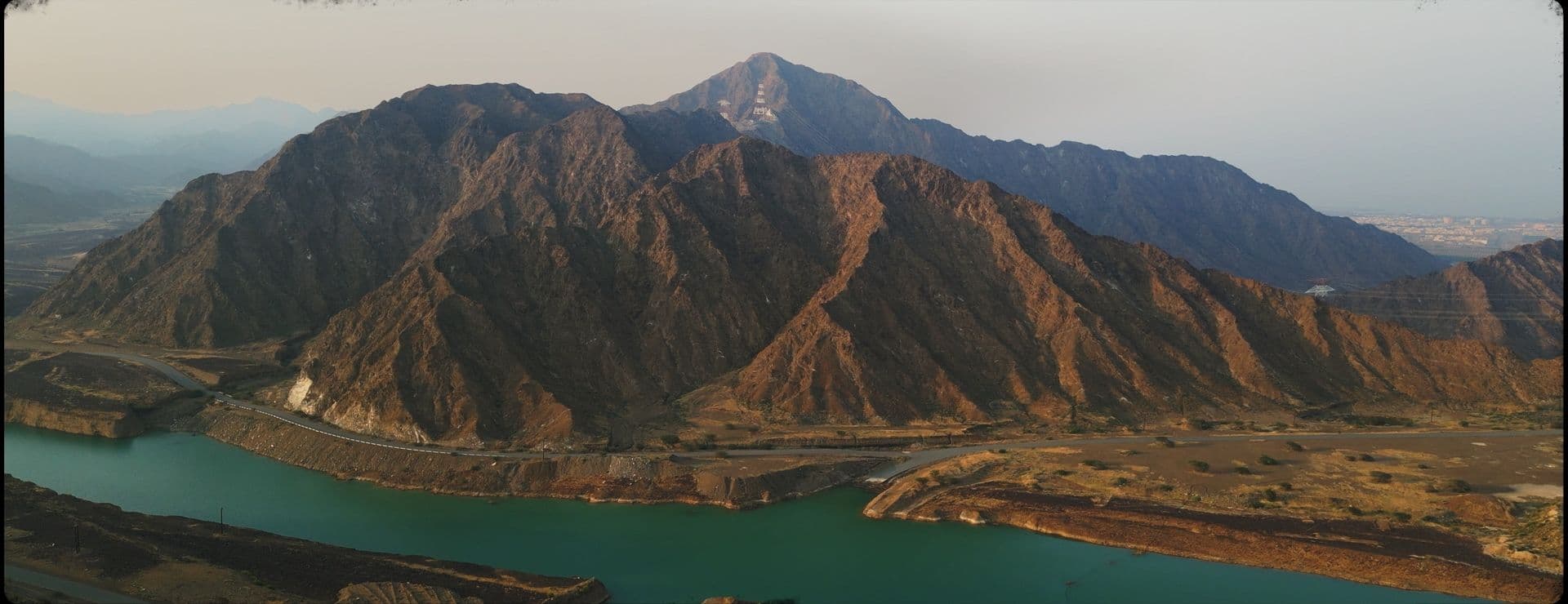
Our documentary on Wadi Wurayah was made for Fujairah's UNESCO file, which was successfully nominated as human heritage. If your proposal falls into this category, it is worth speaking with a UNESCO nomination film specialist before you commit to a structure.
Three Reasons Proposals Get Turned Down
Rejection is rarely about one missing page. It usually comes from a weakness reviewers sense across the whole document. These three are the most worth checking for.
Vague Narrative Framing
"A documentary celebrating our heritage" is a topic, not a story. Reviewers cannot approve a film they cannot picture. Replace general statements with specifics: whose story, told from whose perspective, moving from where to where. If you cannot describe the opening and closing scenes, the narrative approach is not ready.
No Evidence of Research
A proposal that describes cameras, drones and crew sizes in detail but says little about sources tells the reviewer where the priorities lie. For heritage and national subjects, that is a warning sign. Show the archives, the interviewees and the open questions. Even a preliminary research summary signals that accuracy will come first.
Format Mismatched to Occasion
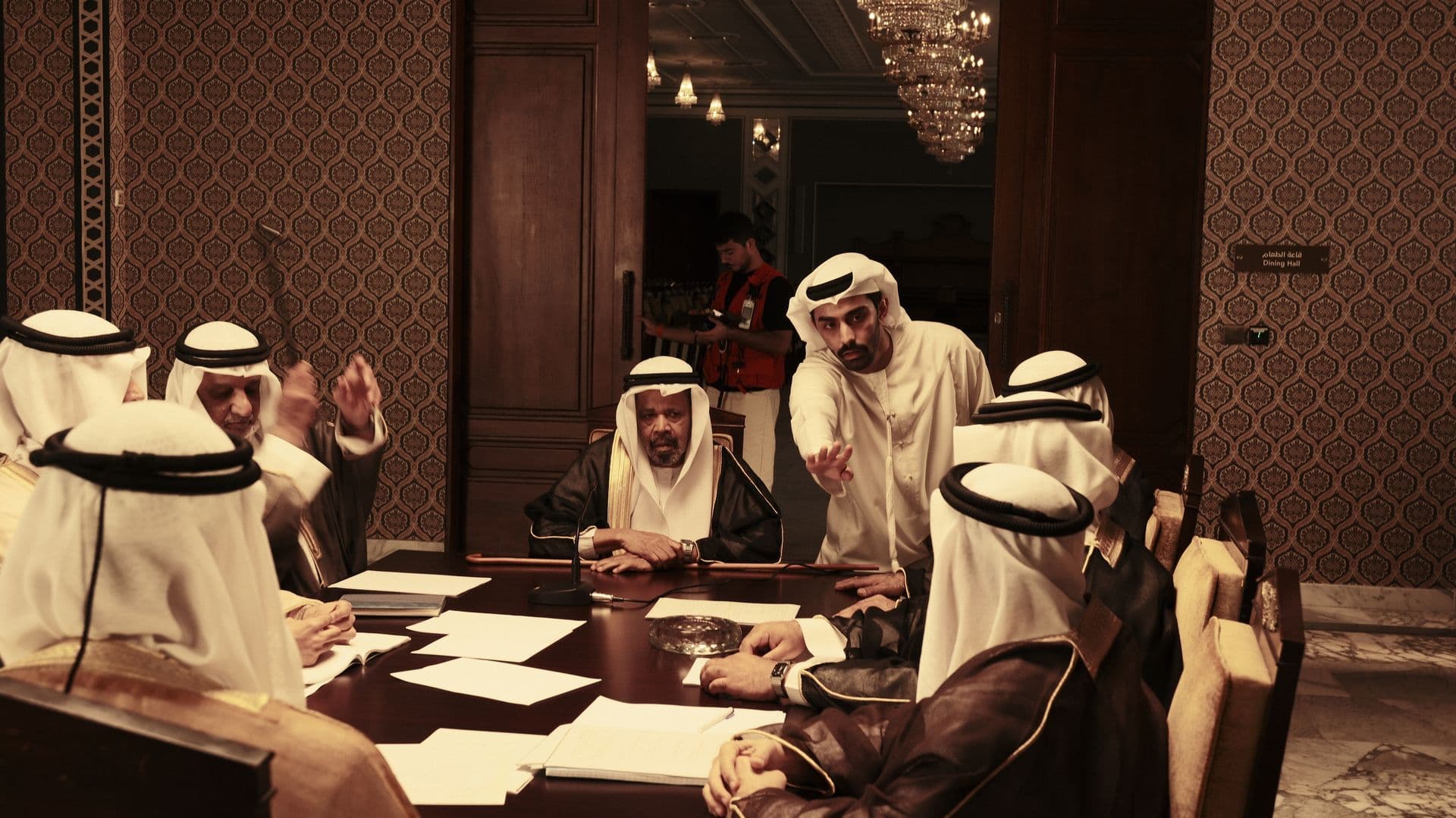
A long single film may be the wrong choice for a campaign that will run across social channels over months. A short series may feel too light for a national tribute. Our documentary for Challenge 71 highlighted a competition among the UAE's top government achievers across all sectors. A subject spanning multiple institutions and sectors is exactly the kind of case where format deserves a deliberate choice rather than a default one. Explain why your format fits the occasion, and the reviewer will not have to wonder.
A Checklist Before You Submit
Run through this list before the proposal leaves your hands.
- The first page states the institution, the occasion, the audience and the purpose of the film.
- The research summary names sources, archives and interviewees, and admits what still needs verifying.
- The narrative approach describes a story with a perspective and an arc, not only a theme.
- One format is proposed, with episode count and approximate durations where relevant.
- The production method follows from the story, including any special approach such as shooting on film.
- The team section names key people and lists comparable institutional work, with links.
- The timeline runs by stage and works backward from any fixed occasion date.
- Deliverables are listed in full, including language versions and subtitles.
- For federal tenders, the technical and financial proposals are in separate envelopes, with the financial proposal stamped and signed by the authorized officer (the federal procurement regulation).
- Pricing is in UAE Dirhams. Proposals in other currencies can be disqualified (the federal procurement regulation).
- Tax, AML, Emiratisation and supplier-registry documents are current.
- Arabic versions are prepared where the tender or institution requires them.
- The submission meets the deadline and the clarification deadline set in the tender announcement (the federal tender regulation).
Frequently asked questions
How long should a documentary proposal be for a government institution?
Long enough to cover all seven elements clearly, and no longer. If the tender or brief sets a page limit or template, follow it exactly. Otherwise, a one-page summary at the front followed by focused sections lets senior reviewers grasp the idea quickly and specialists find the detail they need.
Who typically signs off on a documentary proposal inside a UAE institution?
It depends on the institution and the size of the project. Communications, culture or strategy teams often champion the idea, while senior leadership approves the story and its sensitivities. For federal tenders, a procurement committee also evaluates the submission, so the proposal has to satisfy both editorial and procurement readers.
Do we need a finished script before submitting a proposal?
No. A finished script before research is complete usually means the story was decided before the facts were checked. The proposal should show a clear narrative approach and a research plan, with the full script developed during the Scripting stage, once Discovery and Research have done their work.
How much budget detail should go into the proposal itself?
For federal tenders, the financial proposal goes in a separate envelope from the technical proposal and must be priced in UAE Dirhams (the federal procurement regulation). For other institutions, a budget broken down by stage is usually more persuasive than a single figure. Either way, keep the creative case strong on its own, because price is weighed alongside quality, method and experience.
Can a proposal specify shot-on-film production as a method?
Yes, and it can be a strong choice for heritage and national subjects where texture and permanence matter. Shooting on film, rather than digital, is a deliberate production decision some institutional and heritage projects call for. State the reason in the Production Method section and reflect the method honestly in your timeline and costs.
If you are drafting a proposal for an institutional or heritage documentary, start a project with Sedrah Stories and we will help you structure the research, format and team sections before you submit.