


Key takeaways
- Ask for uncompressed rushes, not just the final cut. The finished film is one edit of material that someone may need to re-cut decades from now.
- Put rights ownership of footage, interviews and research notes in writing, assigned to your institution, rather than leaving it with the production company by default.
- Long-term file formats and a documented storage plan matter more than resolution specs. Codecs and platforms change, but the archive still has to open.
- Experience with UNESCO or national nomination files shows that a company understands documentation standards beyond broadcast or marketing video, as Sedrah Stories' work on Fujairah's Wadi Wurayah file demonstrates.
- A research-first methodology, with Discovery, Research and Scripting finished before a camera rolls, is what separates a heritage preservation partner from a generic production house.
What a Heritage Preservation Film Company Delivers Beyond a Standard Documentary
A heritage preservation film company makes films that have to outlive their premiere. The right one gives you eight things: uncompressed rushes, files in long-term formats, transcripts and research notes, searchable metadata, rights written into the contract, a research-first method, nomination-file experience, and storage commitments on paper. At Sedrah Stories, we treat those eight as the baseline. A heritage film does two jobs. It is a story for audiences now and a record for researchers later.
A standard documentary is judged on the night it screens. A heritage film is judged again in twenty or fifty years, when a curator, a ministry or a school needs an elder's full interview and not just the forty seconds that made the cut. That changes what you should ask of a production partner. Craft still matters: the frame, the sound, the pacing, the respect a subject is owed on camera. The archive matters just as much.
This guide sets out the eight must-haves in two groups: what should physically land in your archive, and how the work should be governed. If your organization is a company rather than a cultural body, our companion piece on choosing a documentary company for corporate heritage archives covers that angle in more depth.
Four Deliverable Must-Haves: What Should Land in Your Archive
Most contracts say what you will see. Fewer say what you will keep. Archival film deliverables are the materials your institution holds after the crew has gone home, and in legacy film production they are the real output.
Uncompressed rushes and raw footage, not only the edit
The final cut is one interpretation. The rushes hold every take, every pause before an answer, and the ambient sound of a place that may change within a generation. Ask for camera-original files, complete interviews, all supporting footage and separate audio recordings, at the quality they were captured. Proxies and web exports do not count. If the company routinely clears its drives after delivery, you need to know that before you sign.
Multiple long-term file formats for future-proofing
Resolution is the spec everyone quotes and the one that matters least over time. The real question is whether the file will open in thirty years. A sensible delivery has three layers:
- A preservation master in an open, well-documented, lossless or uncompressed format.
- An edit master for re-versioning, subtitling or cutting new films from the same material.
- An access copy for everyday viewing and internal sharing.
Each layer does a different job, so losing one should not cost you the others. Project files, graphics and music stems should come too, so a future editor can rebuild a sequence instead of guessing at it.
Transcripts, research notes and interview releases
Spoken testimony is hard to search. Full transcripts, in Arabic and English where the interviews call for it, make an oral history usable. Research notes record where each fact came from: which archive, which document, which voice. Interview releases record what each contributor agreed to. Without those releases, you may own footage you cannot actually use.
Cataloging and metadata so the archive can be searched later
A drive of files named by camera number is a box in a basement. Every asset should carry who, what, where and when, plus its rights status. International film archives share a reference point here: the EN 15907 metadata standard, developed by FIAF's Cataloguing and Access to Information group, is the recommended cataloging standard for moving-image collections. Your production partner does not need to run a national archive. They should still hand over metadata structured well enough for your archivists to map into whatever system you use.
Four Process Must-Haves: Rights, Research and Storage
The deliverables protect the material. The process protects the institution, legally and culturally. A heritage preservation film company should be able to show you each of the following on paper. Before you get that far, it helps to verify a documentary production company's credentials so you know the track record is real.
Full rights ownership written into the contract
Holding the drive is not the same as holding the rights. Under UAE copyright law, unless otherwise agreed, an author handing over the original copy of a work does not by itself assign any economic right in it. Federal Decree-Law No. 38 of 2021 gives a commissioned work to the commissioning party unless agreed otherwise in writing. The same law requires any assignment or license of economic rights to be in writing and to specify each right, its purpose, its duration and its territory. Rights not expressly covered remain with the author.
Two further points shape archive planning. Moral rights, including attribution and the right to object to distorting changes, cannot be assigned or time-barred. Economic rights last for the author's life plus 50 years. The practical answer is to make the contract name the footage, interviews, transcripts, research notes and stills, and the uses you intend, rather than relying on defaults.
A documented research-first methodology before production
Ask how the film will be researched, not only how it will be shot. Every film we make goes through the same five stages: Discovery, Research, Scripting, Production and Post-production. The first three happen before a camera rolls. Discovery defines what the institution needs the film to hold. Research tests sources against one another and identifies who should speak. Scripting turns that work into a structure your team can review and correct before anyone is filmed. Once a film has represented a nation's history on screen, an error is hard to take back. Research first, then the frame.
Experience preparing material for UNESCO or nomination files
Nomination dossiers follow their own rules. A UNESCO intangible cultural heritage nomination typically bundles five core elements: a nomination form, evidence of community consent, an extract of the inventory, ten photographs and a video. The current instructions set the video at five to ten minutes with an English or French soundtrack or subtitles, extendable to twenty minutes for multinational nominations involving four or more countries. The ten photographs go in as .tiff, .raw, .jpeg or .pdf files at a minimum of 1800 pixels on one dimension. Both the video and the photographs need a non-exclusive grant of worldwide rights to UNESCO, carrying an original signature, not a scan.
A partner who has worked on a nomination file understands that in this setting the film is evidence. It is not promotion.
Written storage and backup commitments, not verbal promises
"We keep everything" is not a policy. Ask for answers in writing: how many copies, on what media, in how many locations, for how long, and what happens at the end of that period. Handover should come with a file manifest and checksums, so your team can confirm that every file arrived intact and stays intact.
A Generic Production House vs a Heritage Preservation Partner
Use this table to score a shortlist. Give each company 0, 1 or 2 points per row, based on what they put in writing rather than what they say in a pitch meeting.
- Main deliverable: Generic production house: The final edit; Heritage preservation partner: The final edit plus the full archive
- Rushes: Generic production house: Often kept internally or deleted; Heritage preservation partner: Camera-original files handed over
- File formats: Generic production house: One delivery format for screening; Heritage preservation partner: Preservation master, edit master and access copy
- Research: Generic production house: Brief from the client, light fact-checking; Heritage preservation partner: Dedicated Discovery and Research stages before scripting
- Transcripts and notes: Generic production house: Rarely supplied; Heritage preservation partner: Full transcripts, sourced research notes, signed releases
- Metadata: Generic production house: File names only; Heritage preservation partner: Structured cataloging your archivists can import
- Rights: Generic production house: Usage license, ownership left vague; Heritage preservation partner: Named rights assigned in writing, with purpose, duration and territory
- Nomination experience: Generic production house: Broadcast and marketing standards; Heritage preservation partner: Familiar with dossier rules for video, photos and rights grants
- Storage: Generic production house: Verbal assurance; Heritage preservation partner: Written backup plan with manifest and checksums
A heritage preservation film company worth shortlisting should score well on research, rights and deliverables, not only on the showreel.
How This Looks in Practice
Two of our projects show where these must-haves meet real commissions.
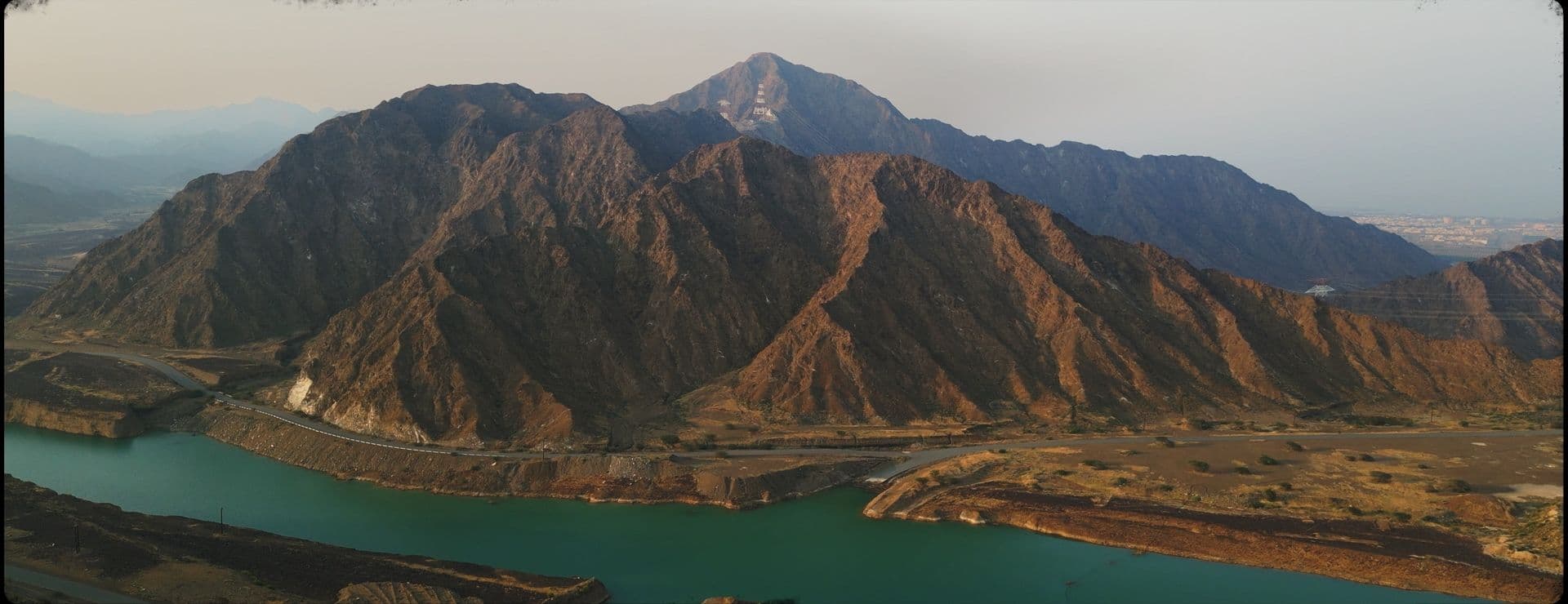
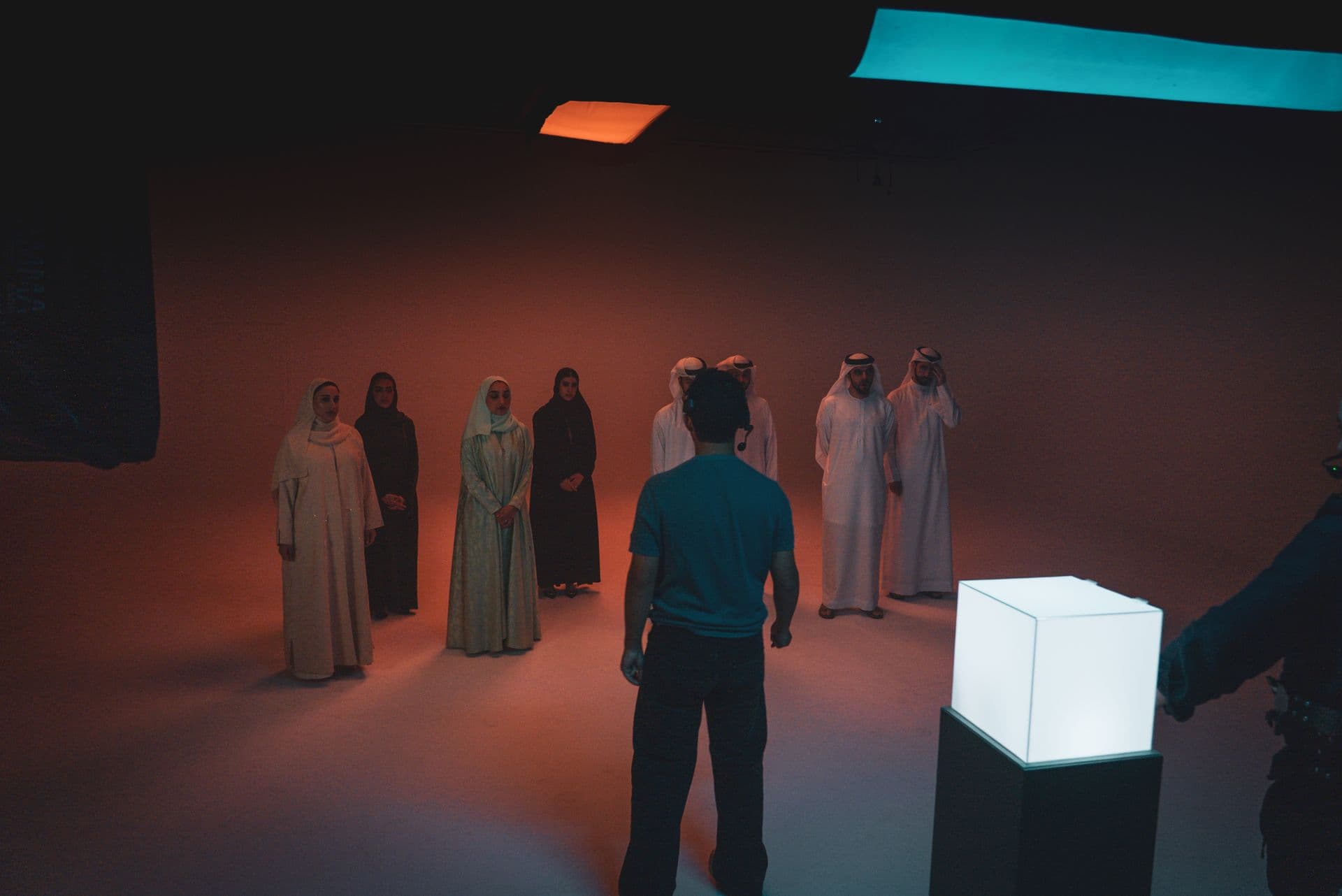
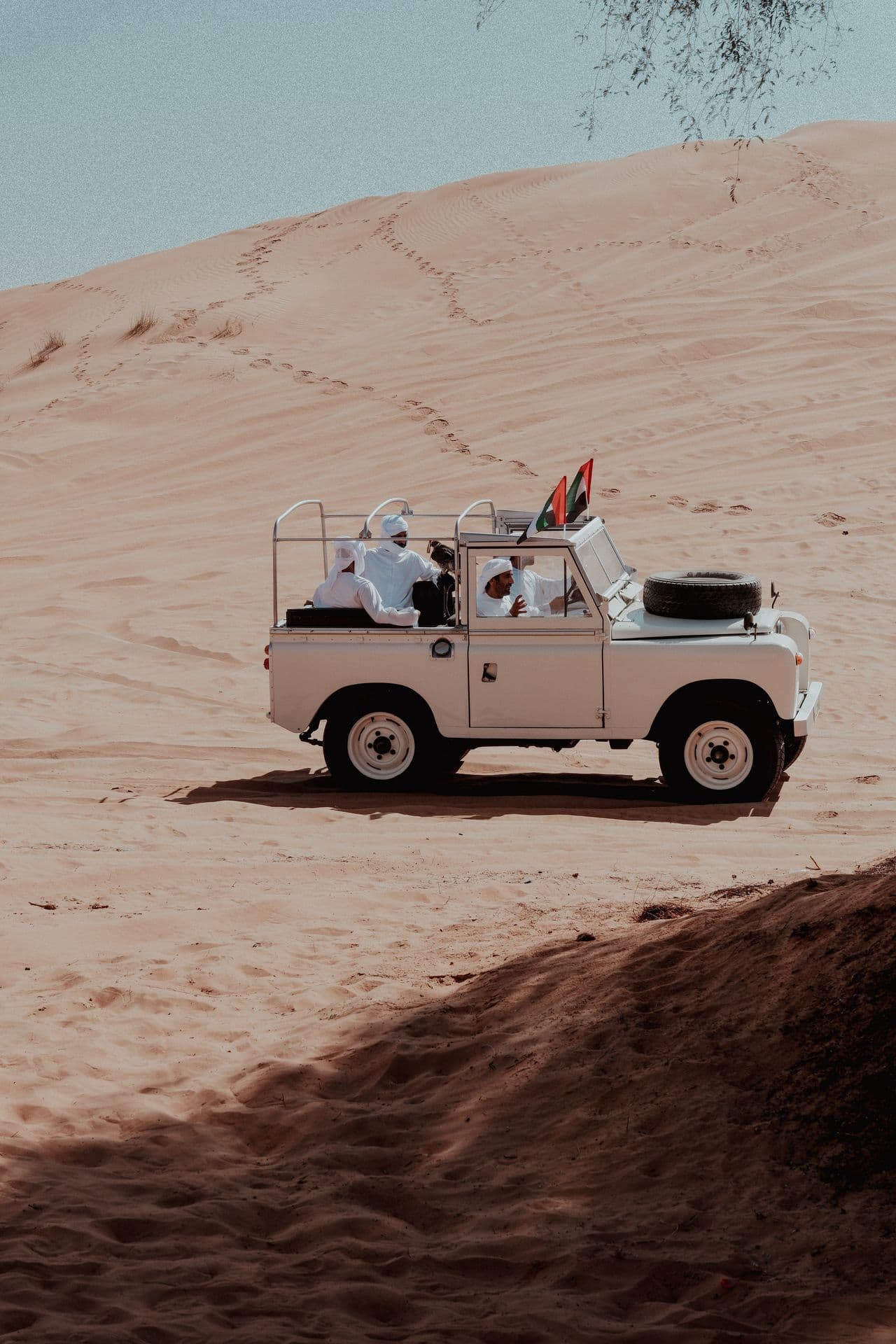
The first is Wadi Wurayah: a documentary we made for Fujairah's UNESCO file, which was successfully nominated as human heritage. Here the film sat inside a formal dossier, which is exactly why nomination experience belongs on any heritage checklist. A film made for that purpose is read against documentation standards, not audience metrics.
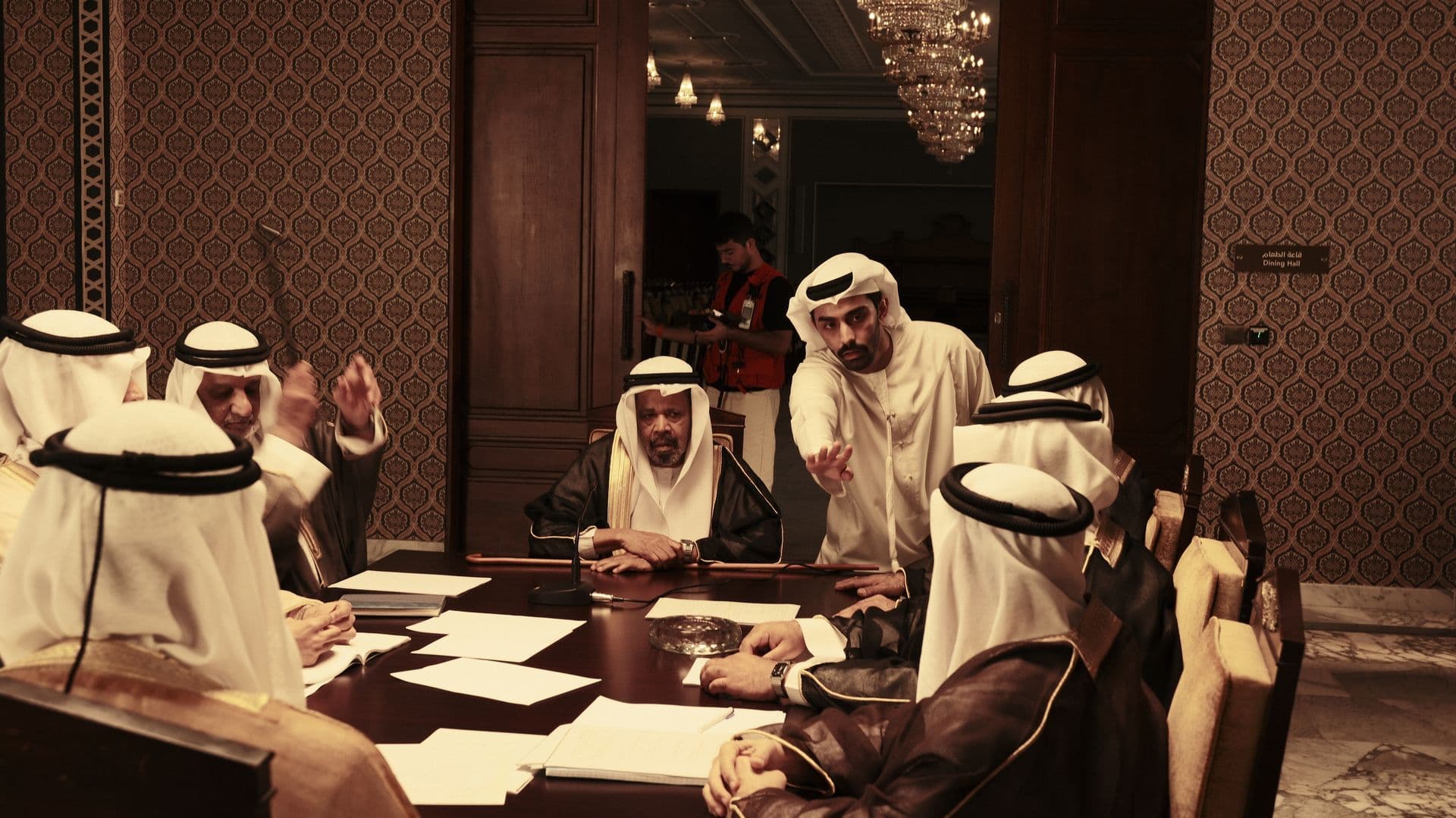
The second is National Day. We were proud to carry out two of the Eid Al Etihad 54 campaign films with the Eid Al Etihad team. National occasions sit under scrutiny from government stakeholders and the public alike, which is why this kind of commission is a useful test of a production company's institutional experience.
Both sit within a wider body of legacy film production, and you can see the documentaries Sedrah Stories has produced across heritage, culture and national identity.
Questions to Ask Before You Sign
Take these into your evaluation meeting. Ask each company to answer in writing, so the answers can be attached to the contract.
Questions about deliverables and formats
- Will we receive camera-original rushes, complete interviews and separate audio, or only the edit?
- Which formats will you deliver for preservation, editing and access, and why those?
- Will project files, graphics and music stems be part of the handover?
- Will you supply full transcripts, and in which languages?
- How will each file be cataloged, and can your metadata be imported into our archive system?
- Will handover include a manifest and checksums we can verify?
Questions about rights and future use
- Which rights will be assigned to us, and does the contract name each one with its purpose, duration and territory?
- Who owns the research notes, transcripts and stills, not just the footage?
- Do signed releases from every contributor allow future re-cuts, exhibitions and educational use?
- How are third-party archive materials and music cleared, and for how long? Our guide to clearing music and footage rights for your film covers what to look for.
- If the film may support a nomination file, can the rights be structured so a grant to UNESCO is possible?
- How long will you keep backup copies, and what happens to them afterward?
Frequently asked questions
How long should archival rushes be kept after a documentary is delivered?
For heritage material, the institution should plan to keep rushes indefinitely, because their value often grows as the people and places in them change. The production company's own backup period should be written into the contract, with notice before any deletion. UAE economic rights run for the author's life plus 50 years, which gives a sense of the horizon an archive should plan for.
What file formats are best for long-term heritage film storage?
Open, well-documented, lossless or uncompressed formats make the best preservation masters, because they do not depend on a single vendor's software. Keep a separate edit master and an access copy alongside them. Pair the files with structured metadata so they can be found as well as opened.
Who owns the footage after a heritage documentary is completed?
Under UAE law a commissioned work belongs to the commissioning party unless the contract says otherwise. Any assignment of economic rights still has to be in writing and specify each right, its purpose, duration and territory. Moral rights stay with the author and cannot be signed away. The safest route is a contract that names every type of material and every intended use.
Can a documentary support a UNESCO nomination file?
Yes. A video is one of the core elements of an intangible cultural heritage nomination, alongside the form, community consent, an inventory extract and ten photographs. Current instructions set the video at five to ten minutes, and it must come with a signed rights grant to UNESCO. Our documentary for Fujairah's Wadi Wurayah file was made for exactly this purpose.
What is the difference between a corporate video company and a heritage preservation film company?
A corporate video company is built to deliver a finished piece for a campaign or event. A heritage preservation film company also delivers the archive: rushes, transcripts, research notes, metadata and clearly assigned rights. It also puts research and scripting ahead of the shoot, so the film holds up to scrutiny years later.
Does shooting on film instead of digital make a documentary more archive-durable?
Film negative is a physical medium. It does not depend on a codec or playback software, and stored in the right conditions it can still be scanned with future equipment. It still needs climate-controlled storage and good cataloging, so film capture complements a sound digital preservation plan rather than replacing one.
If you're weighing up who should preserve your institution's history on film, start a project with Sedrah Stories and we'll walk you through the five-stage process from discovery to delivery.
Read next: How to Choose an Institutional Film Production Company in the UAE