



Key takeaways
- Before you approach any production company, write a brief that states the occasion, the audience and what the finished film must leave behind in the archive. This is the first step when you commission a heritage documentary in the UAE.
- Agree and cost research separately from filming. Research decides how accurate the film is, which sources you can reach and how long the final cut runs.
- Budget approval moves faster when the quote is split into five stages (discovery, research, scripting, production and post-production) instead of one lump sum.
- The contract should name who owns the raw footage, who holds archival rights and which delivery formats any UNESCO or institutional file requires.
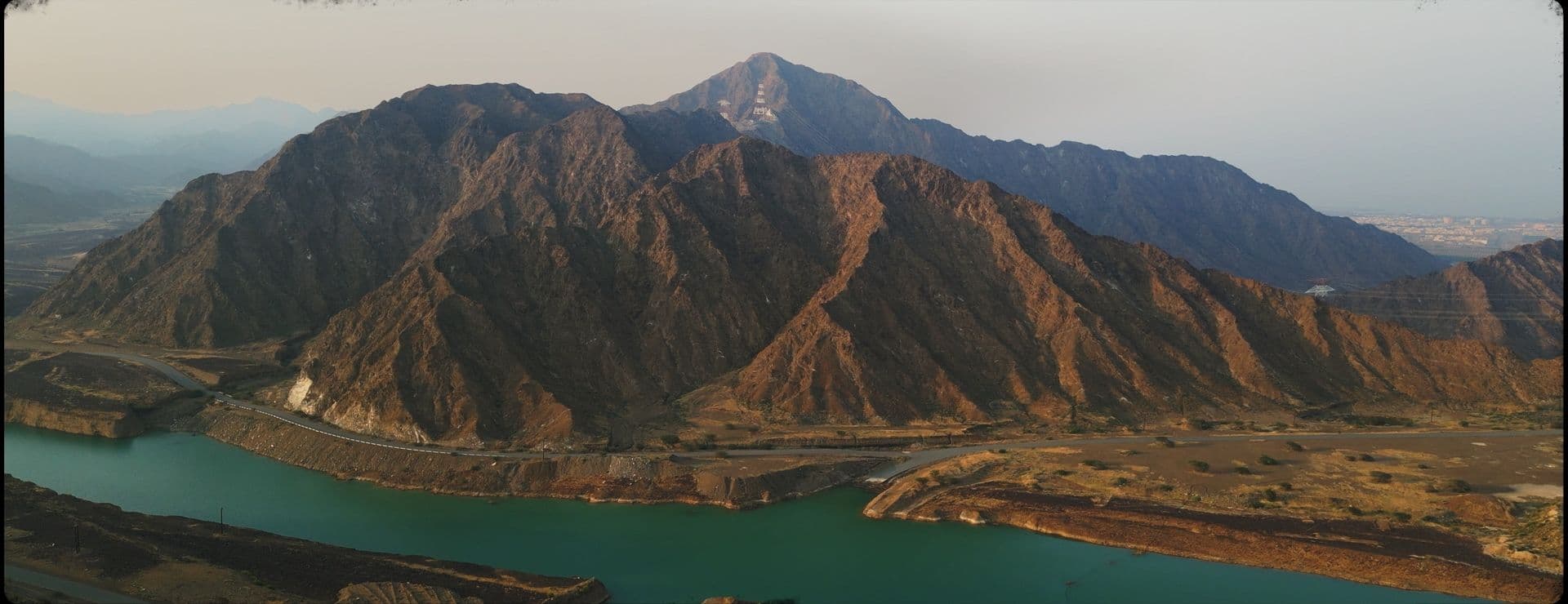
- For an example of what this kind of film is made to serve, see Wadi Wurayah, a documentary made for Fujairah's UNESCO file, successfully nominated as human heritage.
What It Takes to Commission a Heritage Documentary in the UAE
To commission a heritage documentary in the UAE, an institution makes five decisions in order. It writes a brief, agrees a research scope, approves a staged budget, signs a contract that protects the archive, and holds a kickoff meeting with its production partner. Each of these decisions shapes the film more than any choice made on set. We are Sedrah Stories, a documentary production company in Abu Dhabi, and every film we make goes through the same five stages: research first, then the frame.
"Commissioning" sounds formal, but it rarely starts that way. It usually begins with a mandate. A leadership office wants a tribute for a national occasion. A cultural department needs a film for a nomination file. A foundation wants to record a craft while its last practitioners can still speak to camera. Commissioning turns that mandate into something a production company can price and a committee can approve.
Heritage documentary production is different from buying a video. It deals with living memory, family archives, elders, religious context and national symbols. The person commissioning the film becomes the custodian of how that story will be told for decades. The steps below follow that responsibility from the first internal note to the first day of work.
Step 1: Write the Brief Before You Call Anyone
The most useful thing you can do to start a documentary project is write two pages before you speak to anyone outside your institution. A clear brief lets you compare production companies on the same terms. It also forces internal agreement early, before a committee member raises a question in week eight that should have been settled in week one.
The Occasion, the Audience and the Outcome
Three answers belong at the top of every brief:
- The occasion. Is there a fixed date? A national day, an anniversary, a museum opening or a nomination deadline cannot move, so everything else is planned backward from it.
- The audience. Who will watch, and where? An international evaluation committee, schoolchildren, visiting delegations and a television audience each need a different film. Note the languages and whether you need subtitled versions.
- The outcome. What should exist once the premiere is over? A broadcast master, an archival master, a museum loop, a file submission, a photographic record. Naming the archive outcome now changes how the film is shot.
Add the subject boundaries (what the film covers and what it does not), the stakeholders who must be consulted and the name of the person who signs off.
What to Leave Out of the Brief
Leave out the script. Leave out the shot list and a fixed runtime. These come from research, and setting them early locks in assumptions nobody has tested yet. Avoid style references taken from unrelated commercial work. Describe the feeling you want instead: reflective, ceremonial, intimate. Then let the production company propose how to reach it.
For a fuller template, see our guide on how to write a documentary proposal for UAE institutions. If you are ready to share the brief externally, read how to brief a documentary production company so the first meeting starts from shared ground.
Step 2: Agree the Research Scope
Research is a separate, costed phase, and it should be agreed before filming is priced. In UAE culture and heritage film production, a wrong date, a misattributed photograph or a misremembered family name is not a small error. It can undermine a film made for a national occasion. Research is the stage that prevents this.
Primary Sources, Archives and Elders
A research scope for heritage documentary production should list the sources it will cover and the permissions each one needs:
- Published histories and academic work on the subject.
- National, emirate-level and institutional archives, including photographs, film and documents.
- Private collections held by families, which often need careful, respectful approaches.
- Oral testimony from elders, craftspeople and practitioners.
- Site visits to the places the film will show.
For intangible heritage, the community itself is a primary source, and its consent is part of the record. UNESCO's process for the Representative List requires a nomination file that includes evidence of consent from the communities concerned. Research should keep a log of every permission, release and source, so that the film and any file built around it can be defended line by line.
Our documentary on Wadi Wurayah was made for Fujairah's UNESCO file, which was successfully nominated as human heritage. A film with that purpose is read by evaluators who know the subject far better than a general audience does, and the research has to hold up to that reading.
How Research Scope Affects Runtime and Format
Research tells you how much story there really is. A narrow subject with limited archive may suit a single short film. A subject with deep archive, many voices and several historical periods may need a long-format documentary or a series of episodes. Fixing the runtime before research often means padding a thin story or cutting a rich one. Agree the format once the research findings are in, and allow for that decision in the schedule.
Step 3: Build and Approve the Budget
Finance teams approve faster when they can see what each part of the money buys. A single figure for "documentary production" invites questions. A staged budget answers them in advance.
Breaking the Budget Into Five Stages
- Discovery: What it covers: Workshops, stakeholder interviews, defining the story and the archive outcome; What drives the cost: Number of stakeholders and sites; What finance should see: A short scope document and timeline
- Research: What it covers: Archive searches, oral history interviews, fact-checking, permissions; What drives the cost: Depth of archive, number of sources, access needs; What finance should see: A research plan with a source list
- Scripting: What it covers: Narrative structure, narration, interview selection, treatment; What drives the cost: Number of drafts and review rounds; What finance should see: The approved treatment and script
- Production: What it covers: Filming, crew, equipment, locations, travel; What drives the cost: Shoot days, locations, film or digital format; What finance should see: A shooting schedule and crew list
- Post-production: What it covers: Editing, color grading, sound, music, subtitles, versions; What drives the cost: Episode count, languages, delivery formats; What finance should see: A deliverables list matched to the contract
Approving stage by stage also gives the institution natural review points. Scripting cannot begin until research is signed off, and production cannot begin until the script is approved.
Where Costs Shift: Film Format, Archival Licensing and Episode Count
Three choices move a budget more than any other.
Film format. Shooting on celluloid instead of digital adds stock, processing and scanning to the production and post-production lines. It also gives the image a texture and a physical archival life that some national tributes call for. Decide early, because it changes the camera, the crew and the schedule.
Archival licensing. Third-party footage and photographs are licensed by use, territory and term. A film made for a single ceremony costs less to license than one meant for broadcast, museum display and permanent archive. State the full set of intended uses in the brief so the quote reflects them.
Episode count. A series spreads research across several films, but each episode adds editing, grading, sound mixing and subtitling. Moving from one film to several episodes affects post-production most of all.
Step 4: Negotiate and Sign the Contract
A heritage documentary contract has to protect more than the finished film. It protects interviews with elders, family photographs and research that the institution may want to use for decades. Before signing, it helps to know how to evaluate a documentary company for government projects, so the contract reflects the capabilities you selected for.
For federal entities, the 2024 executive regulation on procurement sets out that contracts of a special nature are prepared within a maximum of thirty business days from the date the winning supplier is notified of the award. Build that window into your plan.
Ownership of Footage and Archive Rights
Specify each of these in writing:
- Raw footage. Who owns the rushes, where they are stored and in what format, and for how long.
- Interviews and transcripts. Signed releases from every contributor, stating how their words and image may be used.
- The research dossier. Source lists, permissions and fact-check notes, handed over as part of delivery.
- Third-party archive. License terms for each item, including whether the institution can reuse it in future work.
- Music. Commissioned or licensed, and for which uses.
Delivery Formats for UNESCO or Institutional Files
If the film supports a nomination, the deliverables must match the file. For intangible cultural heritage, the complete file includes Form ICH-02, community consent, an extract of the inventory, ten photos and a video. For World Heritage nominations, UNESCO's format guidance states that slides shall be in 35mm format, electronic images in jpg at a minimum of 300 dpi, and Beta SP is recommended for film material. Confirm the current requirements with your file coordinator, and list every master, version and still in the contract's deliverables schedule.
Step 5: Move From Contract to Kickoff
Once the contract is signed, the first weeks are about access and alignment, not cameras. The production team confirms the research plan, requests archive access, arranges introductions to elders and families, and agrees the review schedule with your committee. This is when you truly start a documentary project, and good preparation here protects every later stage.
What Happens in the First Discovery Meeting
- Revisit the brief. Both sides confirm the occasion, the audience and the archive outcome.
- Map stakeholders. Identify who must be interviewed, who must approve, and who holds key archives.
- Agree on sensitivities. Name the subjects, people and symbols that require particular care.
- Set review points. Fix dates for research sign-off, script approval and rough-cut review.
- Assign contacts. One person on each side owns communication, so decisions do not stall.
How Long Does Commissioning Usually Take
The timeline depends mostly on the procurement route. A direct commission from a cultural foundation can move quickly. A public tender follows fixed rules. Under Cabinet Resolution No. 4 of 2019, public tenders apply to purchases exceeding AED 250,000 and not exceeding AED 10,000,000, with a bid receipt period of not less than 15 business days. Bids under that resolution remain binding for 90 days from the RFP deadline, extendable by 60 days. The 2024 executive regulation sets a supplier response period of 15 business days, extendable to 30.
Add internal brief approval, evaluation and contract preparation, and commissioning alone can take several months before research begins. For UAE culture and heritage film production tied to a national occasion or a nomination deadline, plan backward from the fixed date. Allow time for all five production stages, then add the procurement window on top. You can see the range of formats and occasions in our documentary work.
Frequently asked questions
Who should be involved in approving a heritage documentary brief internally?
At minimum: the executive sponsor, a subject expert or heritage specialist, the communications lead and someone from procurement or finance. If the film touches on a community or family history, include someone who can speak for that relationship. Agreeing the brief with this group early prevents late changes to the story.
Can a heritage documentary be commissioned without a fixed budget first?
Yes. Many institutions commission discovery and research first, then approve the rest of the budget once the scope is clear. This often gives a more accurate figure, because research reveals how much archive, how many voices and how many episodes the subject can support.
What's the difference between a heritage documentary and a corporate institutional film?
A corporate film presents an organization's message. A heritage documentary records and interprets history, culture or identity, and it has to hold up to scrutiny from historians, communities and, sometimes, international evaluators. That is why research, consent and archival rights carry far more weight in heritage work.
Do we need a signed contract before research begins, or can discovery start informally?
Initial conversations can be informal, but research should not begin without a written agreement. Research involves archive requests, interviews and permissions issued in your institution's name. A short discovery-and-research agreement can cover this phase before the full production contract is signed.
How many people typically sit on a review committee for a national heritage film?
There is no fixed number, and committees are often smaller than the advisory groups behind heritage inventories. For scale, Al Sadu's UNESCO file notes that ADACH set up a committee of about 30 men and women to identify UAE cultural elements, and two federal committees of about 24 persons helped build the national inventory. For film review, a small core group with clear sign-off authority keeps decisions moving.
If you are ready to move from brief to kickoff, start a project with Sedrah Stories and we will walk you through discovery, research, scripting, production and post-production, stage by stage.