
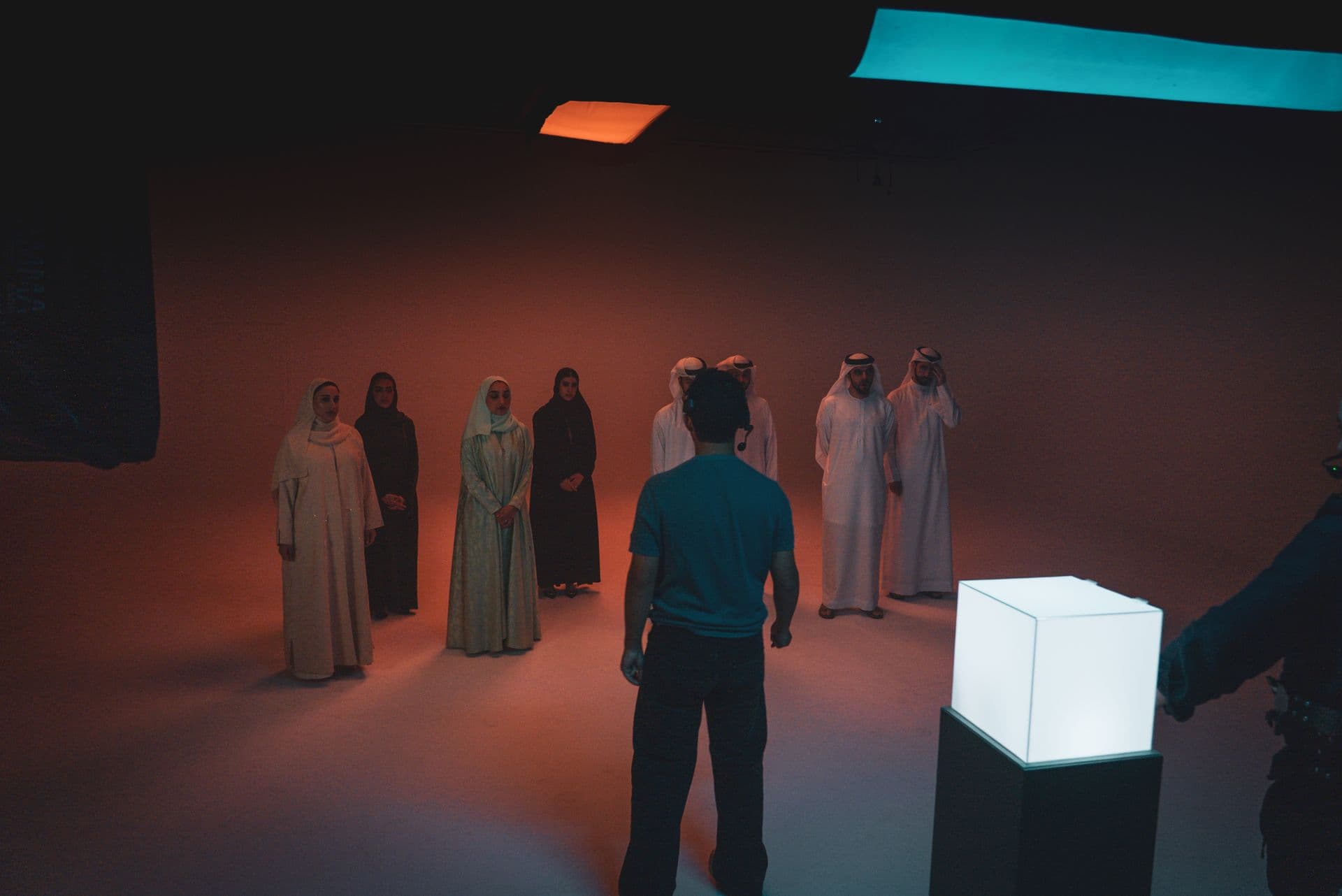



Key takeaways
- A ceremony screening needs a tight film, kept short because the program has fixed slots on either side and the room watches it live.
- A museum or exhibition loop is built to be entered and left at any point. It runs on a cycle, typically under ten to fifteen minutes in total, rather than as a single start-to-finish viewing.
- Broadcast and festival slots follow the commissioning platform's own format. The edit should be built to that duration from the first assembly.
- A subject too large for one film, such as a nationwide competition or a long-running body of knowledge, is often better served by a multi-episode series than by one extended cut.
- Sedrah Stories sets running time during the Discovery stage, before scripting begins, by confirming where the film will actually be shown.
How Long Should a Documentary Be? Length Follows the Screen, Not the Subject
How long should a documentary be when an institution commissions it? As long as the place where it screens allows, and no longer. A ceremony hall, a gallery wall, a broadcast slot and a social feed each set their own limit, and the film has to fit that limit before it can do anything else. At Sedrah Stories, we treat institutional documentary length as a decision about the screen and the audience in front of it, not about how much history the subject holds. A rich subject can still make a short film. A modest one can still carry a series.
The table below shows how venue shapes running time. Each case is covered in more detail further down.
- Ceremony or gala screen: Typical running time: Short, set by the program's slot; How the audience watches: Seated, live, cannot pause; What shapes the edit: A fixed slot in the program
- Museum or exhibition loop: Typical running time: Under 10 to 15 minutes total, built from short segments; How the audience watches: Standing, arriving and leaving at any point; What shapes the edit: Segments that make sense on their own
- Seated museum theater: Typical running time: Ideally 4 to 7 minutes; How the audience watches: Seated, at the start of a visit; What shapes the edit: Visitor attention before restlessness
- Broadcast or festival: Typical running time: Set by the platform; Academy Awards marks the short/feature line at 40 minutes; How the audience watches: Seated, by choice, often at home; What shapes the edit: The platform's own format and breaks
- Multi-episode series: Typical running time: Several episodes of a set length; How the audience watches: Over weeks or months; What shapes the edit: Episode count and a repeatable shape
- Social and behind-the-scenes: Typical running time: Under 3 minutes; How the audience watches: On a phone, scrolling; What shapes the edit: The first seconds and silent viewing
Ceremony and Gala Screens: Three to Seven Minutes
A ceremony is the least forgiving screen an institution will book. The film sits between speeches, an award, a performance or the arrival of a dignitary. Everyone in the room watches at once, and no one can step away. That is why the documentary running time for these occasions usually lands between three and seven minutes.
What a ceremony screening has to do in that room
A ceremony film is not there to explain everything. It is there to set a feeling and mark a moment. It reminds the audience why they have gathered, honors the people or the institution at the center of the evening, and hands the room back to the program on time.
That changes what goes in. A full chronology rarely survives. What survives is the single line of meaning the occasion exists to express: a founding, a milestone, a legacy carried forward. The research behind the film can be just as deep as for a longer piece. The difference is how much of it reaches the screen. When we plan a government anniversary documentary, the archive and interviews may support far more than seven minutes. The ceremony cut keeps only what the room needs.
Pacing a film for an audience that cannot pause it
A seated audience at a live event cannot rewind a name they missed or pause to read a date. So the film has to carry them. That means:
- One idea per sequence, held long enough to land.
- Titles on screen long enough to read in a large hall.
- Music and sound that build toward a clear close, so the room knows when to applaud.
- No dense on-screen text competing with narration.
Pacing matters more than detail here. A ceremony film that runs two minutes over its slot is remembered for the delay, not the story.
Museum and Exhibition Loops: Under Ten to Fifteen Minutes
A museum film is watched differently from almost any other documentary. Visitors arrive mid-sequence, stay for a while and leave before the end. Museum loop film length has to account for that; loop films for galleries are commonly kept under ten to fifteen minutes and play continuously.
Designing for walk-in, walk-out viewing
The cycle can run for several minutes, but the attention of a standing visitor is short. Exhibition design guidance for standing and gallery displays sets an ideal of 45 to 90 seconds per clip and a maximum of about two minutes before visitors risk walking away. A widely held rule of thumb among museum filmmakers puts the limit for standing viewers at around three and a half minutes in total.
Seated theaters inside a museum are different. The same design guidance suggests an introductory film there runs ideally four to seven minutes, and no more than ten before visitors grow restless. Dedicated theater programs can run longer still, and loop films for galleries are commonly kept under ten to fifteen minutes.
Loop structure versus a single narrative arc
A linear film builds from an opening to a resolution. A loop cannot rely on that, because most visitors will never see the opening. So we build loops as a chain of short chapters, each one complete on its own:
- Every segment opens with enough context to stand alone.
- Each segment closes cleanly, so a visitor who leaves takes away one whole idea.
- The order still rewards the visitor who stays for the full cycle.
- The last frame flows back into the first, so the repeat feels deliberate.
The result is a documentary that works for someone who watches ninety seconds and for someone who watches it all.
Broadcast and Festival Slots: Set by the Platform's Format
When a documentary is made for television or for festival submission, the platform decides the running time before a single frame is cut. Each broadcaster and festival sets its own duration requirement, and the edit has to match it exactly.
Matching the commissioning platform's own format
A broadcaster has a schedule to fill, with fixed slots, advertising breaks and continuity around each program. A film that misses the required duration by a few minutes may need re-editing before it can air. Festivals work in a similar way. For the Academy Awards, a documentary short is defined as running 40 minutes or less, including all credits, and a feature-length documentary must run more than 40 minutes. A film that lands exactly on the line falls into the wrong category.
So the target duration belongs in the edit from the first assembly, not imposed at the end. Cutting a long rough assembly down to its required length late in post-production usually costs structure, not just running time.
Structuring for a break or a chapter
Broadcast documentaries are often split by commercial breaks. Each part needs its own small arc and a reason to return. Even without breaks, a longer film benefits from clear chapters: a shift in place, period or voice that lets the audience rest before the next movement. We plan those turns at the scripting stage, so the film reads as one work with natural pauses rather than one long scroll.
When One Film Is Not Enough: Long-Format Series
Some subjects do not fit in one film at any length. They are too wide, too layered, or still unfolding. For these, the honest answer to "how long" is not a running time. It is an episode count.
When a subject needs more than one film
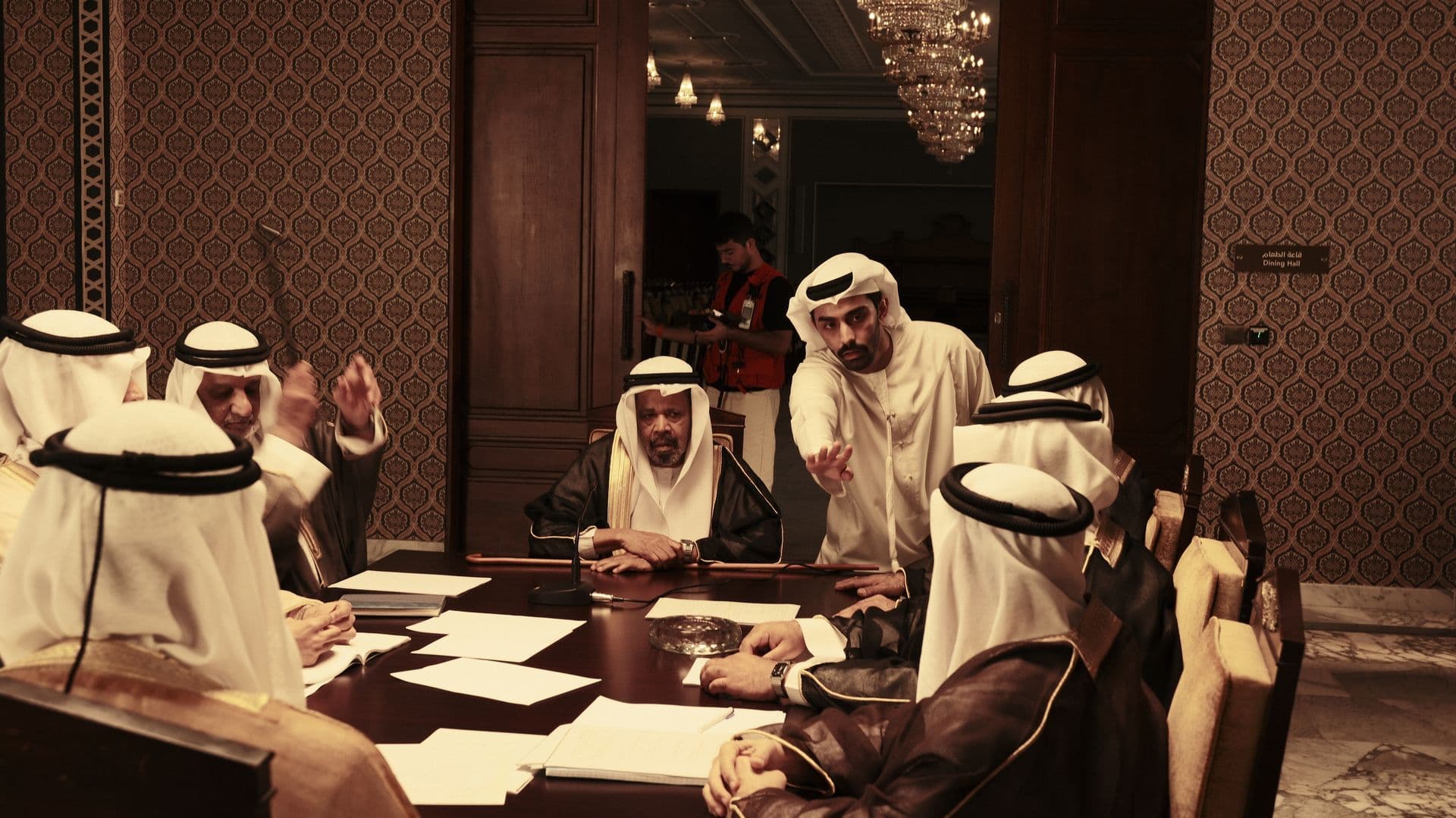
Scale is the first signal. Challenge 71 was a documentary on a competition among the UAE's top government achievers across all sectors. A subject of that breadth, with many participants and many fields, is the kind that strains a single running time and can give each strand its own room when divided.
Continuity is the second signal. Alwarq is an ongoing, long-format series that conveys knowledge in a light format by summarizing books, at a scale of 14 or more episodes. A body of knowledge like that has no natural final chapter. A series lets it keep growing without asking any single episode to carry the whole.
Episode count versus single running time
A series changes the planning question. Instead of fixing one duration, we fix a repeatable shape: a set episode length, a consistent opening, a recurring structure the audience learns to trust. That shape is what allows a series to run to many episodes without losing its identity.
It also changes the budget conversation. Research, visual language and recurring elements can be developed once and carried across episodes. If you are weighing a single film against a series, our guide to what a documentary series costs in the UAE sets out how that decision plays out.
Social and Behind-the-Scenes Cuts: Built for a Feed
Institutions rarely release a documentary on one screen alone. Alongside the main film, they now need short cuts for social channels, launch announcements and partner websites. These run far shorter than the main film, as the examples below show.
Cutting for a feed rather than a room
A feed is the opposite of a ceremony hall. The viewer has chosen nothing, can leave in a second and is often watching without sound. The opening frame has to hold attention, captions have to carry the meaning, and the cut has to make its point quickly.
Even large commissioning bodies now build these shorter formats into the brief. One UNESCO call for a documentary short film asked for a film of up to 14 minutes plus a 30 to 60 second teaser video as separate deliverables. Another UNESCO documentary project was commissioned in long and short versions, with nine short films of two to five minutes each, designed for both internet and TV screening. A UNESCO impact video brief specified three to five minutes in YouTube format.
Reusing the same research and footage
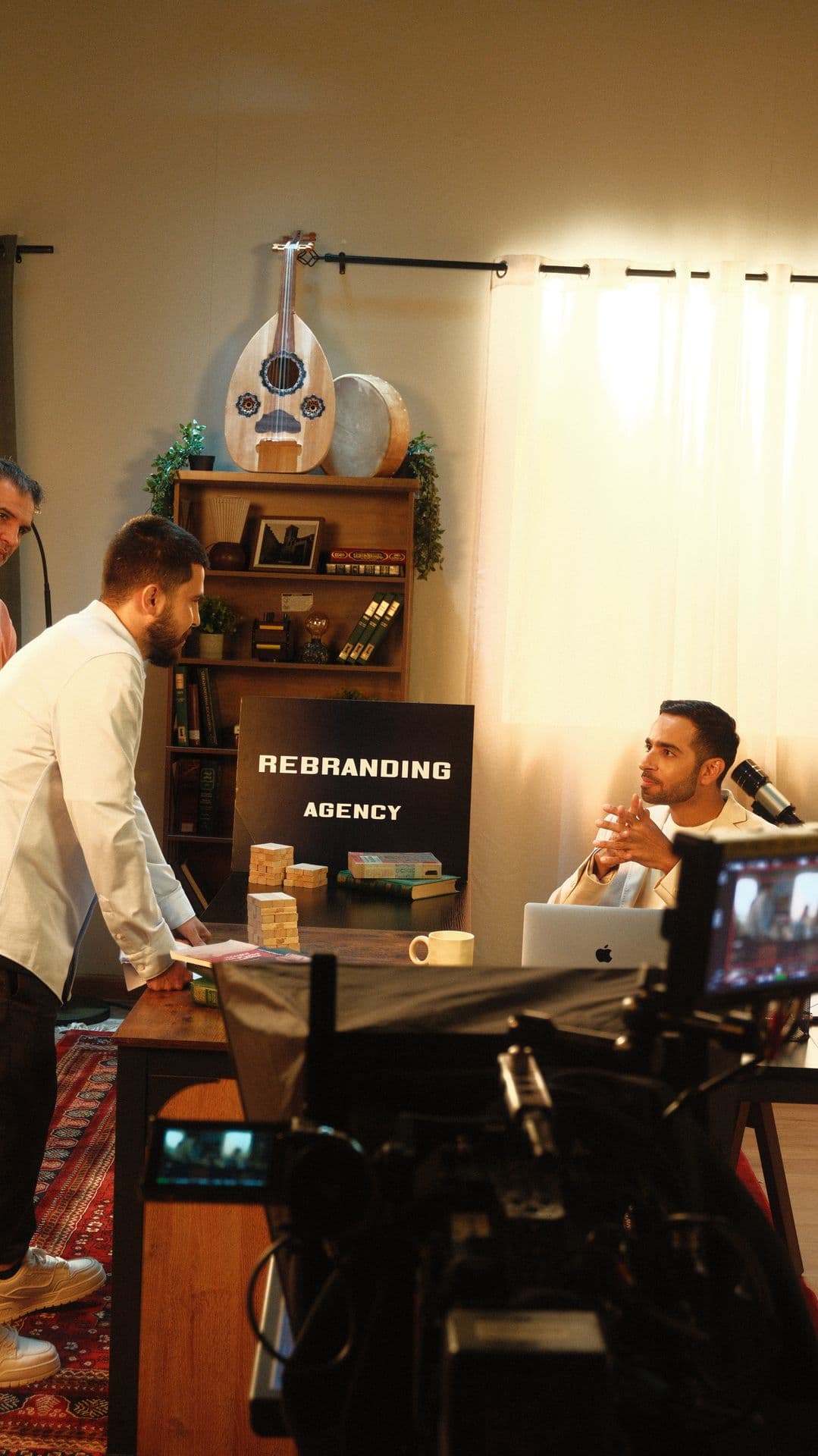
Short cuts should not be commissioned as separate productions. They come from the same research, interviews, archive and footage as the main film. When we know from the start that a teaser, a social cut and a behind-the-scenes piece will be needed, we plan coverage for them during production: a vertical frame here, a short self-contained interview answer there. The short versions then carry the same accuracy and the same visual standard as the film they point to.
How We Decide Length During Discovery
Every film we make goes through the same five stages: Discovery, Research, Scripting, Production and Post-production. Running time is settled in the first of them.
Why length is a Discovery question, not an edit-suite one
Length shapes everything that follows. It decides how much research reaches the screen, how many interviews the script can hold, how many shooting days the production needs and how the edit is structured. If running time is left until post-production, the film is cut to fit a slot it was never designed for.
So in Discovery we ask where the film will actually be shown. A ceremony on a fixed date. A gallery wall that loops all day. A broadcaster with its own format. A feed. Often it is more than one of these, and then we plan a main film and its shorter cuts together from the outset. Our guide to commissioning a heritage documentary walks through the stages in more detail. When the institutional documentary length is set early, the research is gathered for the right frame, the script is written to the right duration, and the film arrives ready for its screen.
Frequently asked questions
Can one documentary work for both a ceremony screening and a museum loop?
Rarely as the same cut. A ceremony film builds toward a single close for a seated audience, while a loop needs self-contained segments for visitors who come and go. The better approach is to plan both versions in Discovery and shoot material that serves each, so one production delivers two edits.
How long should a UNESCO nomination film be?
Follow the requirements set for the specific nomination file, and confirm the current rules with your national committee before production. As a reference point, UNESCO's Intangible Cultural Heritage process handles around 27 videos of about ten minutes each as the overall presentation of a nominated element, alongside roughly five videos of two to eight minutes showing community consent and support, and around nineteen videos of two to twenty minutes showing contribution to sustainable development. The ten-minute figure applies specifically to the overall presentation video, not to every video a nomination file requires. The running time for each should be fixed before scripting begins.
Does a longer documentary mean more research went into it?
No. Research depth and running time are separate measures. A five-minute ceremony film can rest on months of archive work and interviews, with most of that research shaping what is left out as much as what stays in.
What running time works best for a government anniversary film?
It depends on where the film premieres. If it screens at the anniversary ceremony itself, three to seven minutes usually fits the program. If it will also be broadcast or archived, a longer version can be planned alongside the ceremony cut from the same material.
How many episodes should a documentary series have instead of one long film?
Enough to give each strand of the subject its own room, and no more. A defined subject may suit a short run of episodes, while an ongoing body of knowledge can continue open-ended, as Alwarq does at 14 or more episodes. The episode count is best decided in Discovery, once the scope of the research is clear.
If you are weighing up where your film will actually screen, whether ceremony, museum, broadcast or feed, talk to Sedrah Stories and start a project built to that length from Discovery onward.