


Key takeaways
- Dialect errors, such as Modern Standard Arabic where a regional or Bedouin dialect is expected, are among the fastest ways a UAE heritage film loses credibility with its own audience.
- Dress, adornment and occasion must be checked against period, region and family status, never assumed from a single reference photograph.
- Place names and administrative boundaries in the UAE have changed over decades. The name in archive material may not match the name used today.
- Family and tribal references need sign-off from the people being filmed, not only from a researcher's notes, before a single frame is cut.
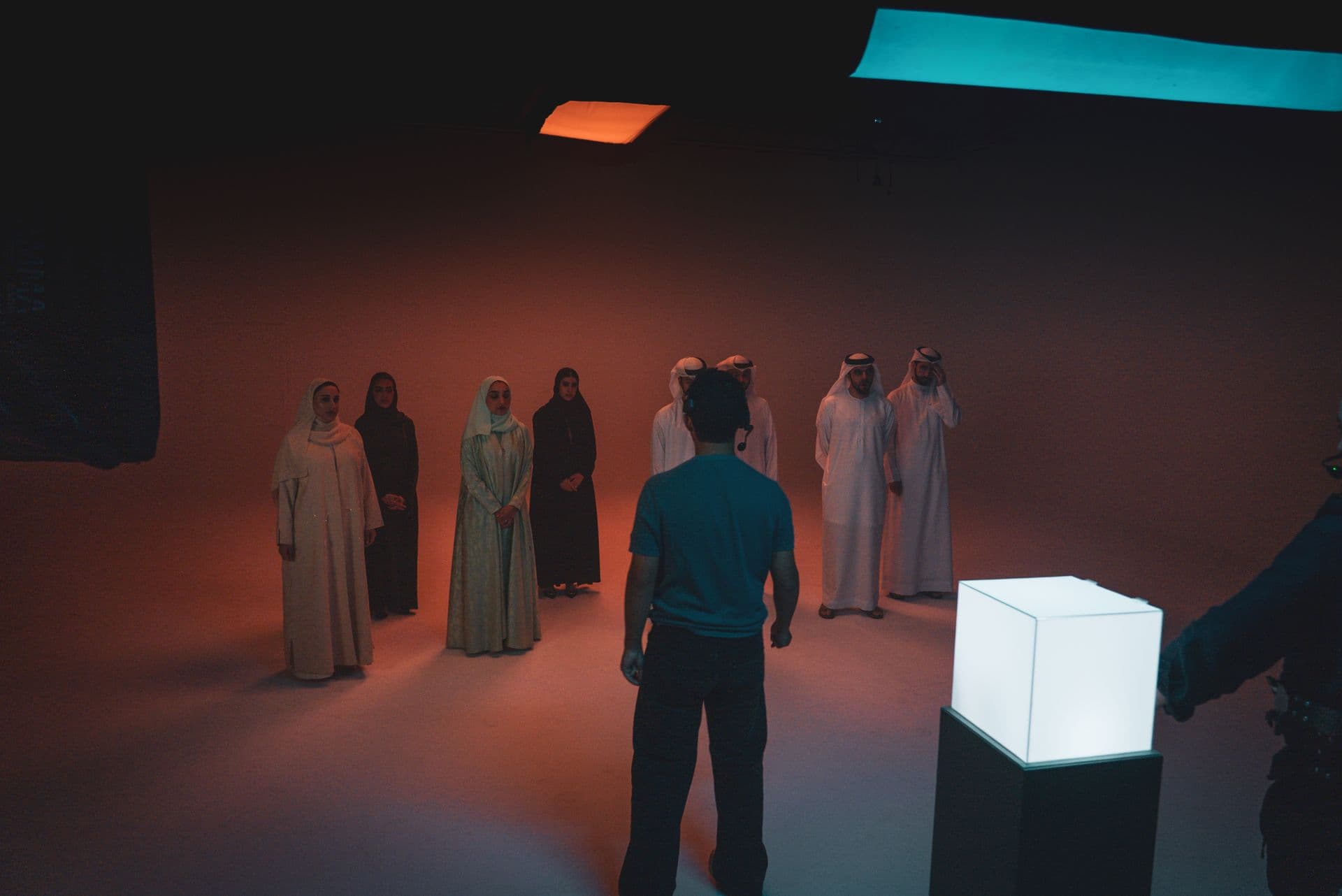
- Sedrah Stories treats this checking as part of the Research stage of its five-stage process, not as a fact-check bolted on after editing.
Accuracy in UAE culture and heritage film production comes down to four layers, all checked before filming: language, appearance, social relationships and facts. The dialect must belong to the speaker. Dress must match period, region and status. Family references must be confirmed by the families themselves. Every place name and date must be traced to more than one source. At Sedrah Stories, this checklist lives inside Research, the second of our five stages, so the questions are answered before a camera rolls. What follows is the list we work from, item by item.
Why Accuracy Checks Belong Before the Camera, Not After Editing
A heritage film is watched as a record. Its audience includes the people whose history it tells, and they notice everything. An error on screen becomes an error in memory.
That is why research-driven documentary production puts the hard decisions where they are cheapest to make: on paper, in conversation, before the crew arrives. A wrong word in a script costs a revision. A wrong word in a finished interview costs far more.
What Happens When Errors Surface After a Film Is Cut
Post-production can fix color and sound. It cannot fix substance. An elder interviewed in the wrong register cannot be redubbed without losing the very authenticity the film exists to capture. A costume from the wrong decade means a reshoot or a compromise. A disputed family reference can force the removal of a scene the whole story leans on.
Each late fix pulls the film away from what it set out to say. The edit starts serving the error instead of the narrative.
Where This Checklist Sits in a Five-Stage Process
Every film we make passes through the same five stages: Discovery, Research, Scripting, Production, Post-production. Discovery defines what the film must get right. Research verifies it. Scripting writes only what has been verified. Production captures it. Post-production assembles it.
Accuracy is not a sixth stage. It runs through Research and shapes everything after. If you are comparing partners, this is the first thing to ask about, and it is central to what to look for in a heritage preservation film company.
Dialect and Language: What to Verify First
Language is where an audience decides whether to trust a film. It takes a few seconds. For any UAE heritage documentary maker, this is the first layer to check and the hardest to repair later.
Regional Dialect Versus Modern Standard Arabic
Modern Standard Arabic has its place, often in formal narration. But elders, reenactments and characters rooted in a place speak the way that place speaks. Emirati speech differs between coast, mountain and desert communities, and between generations.
Those differences are not well recorded. Researchers note "a consensus on the lack of documentation of regional Emirati dialects, which are still threatened by linguistic homogenisation" (Project MUSE). A gap in the literature means verification has to come from people, not only from books.
The national context has sharpened too. On 24 November 2026, the UAE's National Identity Committee approved a National Identity in Media Content Guide and reviewed a Strategic Framework for Preserving the Emirati Dialect, which aims to safeguard the dialect as an integral component of national identity and ensure its continuity across generations (WAM).
What to verify:
- Who speaks, where they are from and which generation they belong to.
- Whether narration should be in Modern Standard Arabic, dialect or a deliberate mix.
- Vocabulary for objects, tools, boats, food and crafts, checked with a native speaker from that region.
- Reference recordings. The UAE National Library and Archives holds "over 800 audiovisual recordings" of Emirati storytellers and elders offering insights into local dialects and folk tales (Emerald).
Transliteration of Names and Terms
One name can be spelled five ways in English. Choose one and hold it across titles, subtitles, credits and press material. Families often have a preferred spelling of their own name; ask for it. Places usually have an official spelling; use it.
We build a style sheet during Research. Every name, term and place gets one agreed form before scripting begins.
Subtitling and Voiceover Review
Subtitles should be translated by someone fluent in the dialect, then reviewed by a native speaker from the same region. Literal translation flattens meaning. Proverbs and poetry need particular care.
Voiceover casting follows the same logic. The accent should belong to the story. For UNESCO files, subtitles are a technical requirement: the nomination must include an edited video of not more than ten minutes, subtitled in English or French if another language is used (UNESCO aide-mémoire).
Dress, Adornment and Occasion
Appearance carries information. On screen, it tells the audience when, where and who. A heritage preservation film company has to read that information correctly before it can film it.
Matching Dress to Period and Region
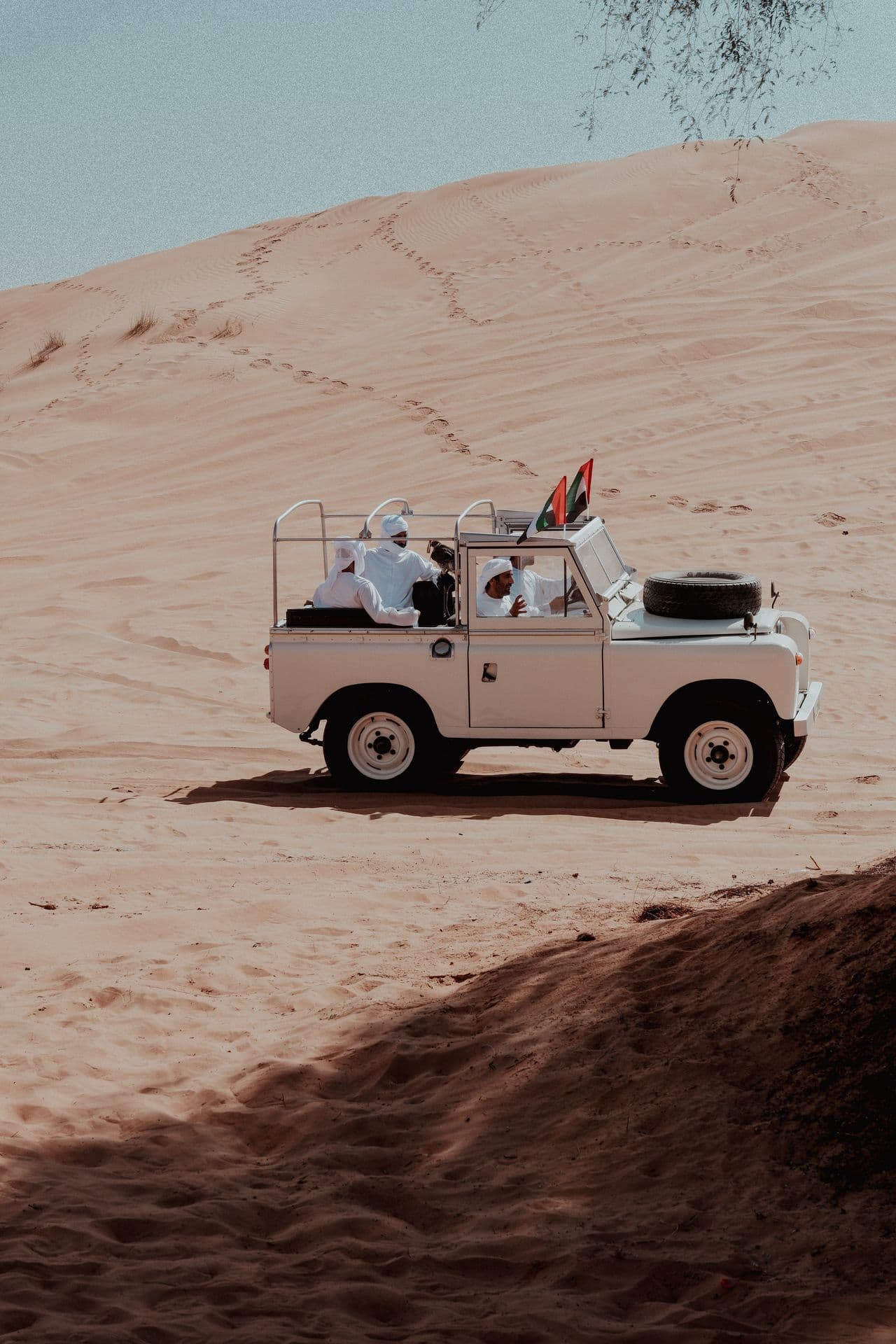
Dress changed across decades. Fabrics, cuts and colors on the pearl-diving coast differed from those in inland oases, and both shifted as trade and income changed. A single photograph shows one person on one day. It is evidence, not a rule.
Check dress against several sources: archive photographs, elder testimony, museum collections and the families concerned. The National Archives alone holds 6.7 million individual photographs and documents, with more being added (The National).
Jewelry, Adornment and Status Markers
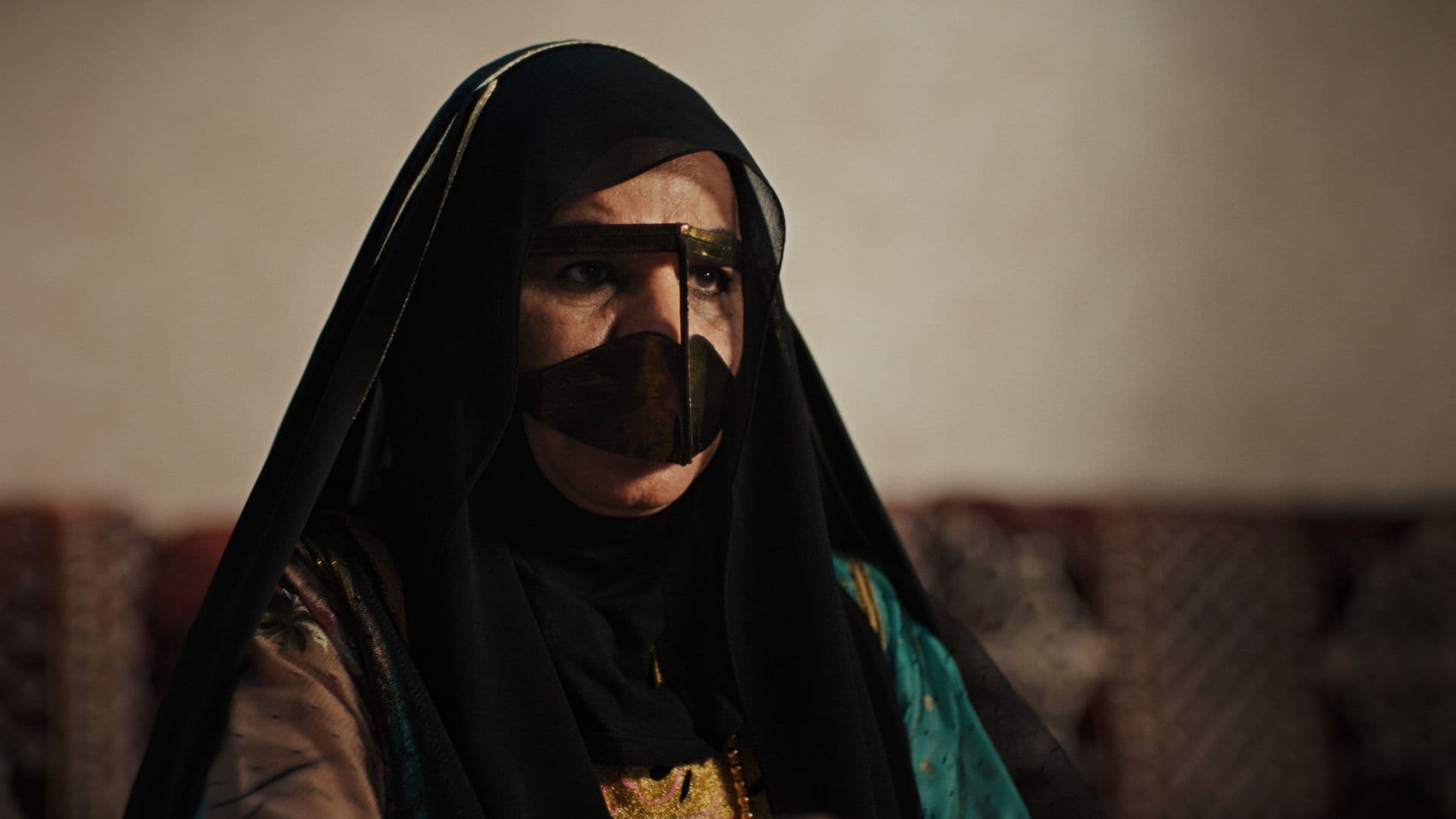
Gold, henna, the burqa face mask worn by some older women, a ceremonial dagger at the waist: each can signal age, marital status, region or family standing. Put the wrong piece on the wrong person and the frame says something untrue.
For cultural accuracy in film, list every adornment in the shot plan and record why it belongs to that character.
Occasion-Specific Dress Codes
Weddings, Eid, mourning, a majlis gathering and national occasions each carry their own expectations. National occasions add another layer. Current guidance on national identity content covers pillars including national pride and the preservation of national symbols, the Emirati family, history and collective memory, and heritage, customs and traditions (WAM). Flags, emblems and symbols are checked with the same care as costume.
Customs, Protocol and Family References
Social detail is the easiest to get wrong and the hardest to correct once filmed. In UAE culture and heritage film production, these details decide whether a community recognizes itself on screen.
Checking Customs and Etiquette On Screen
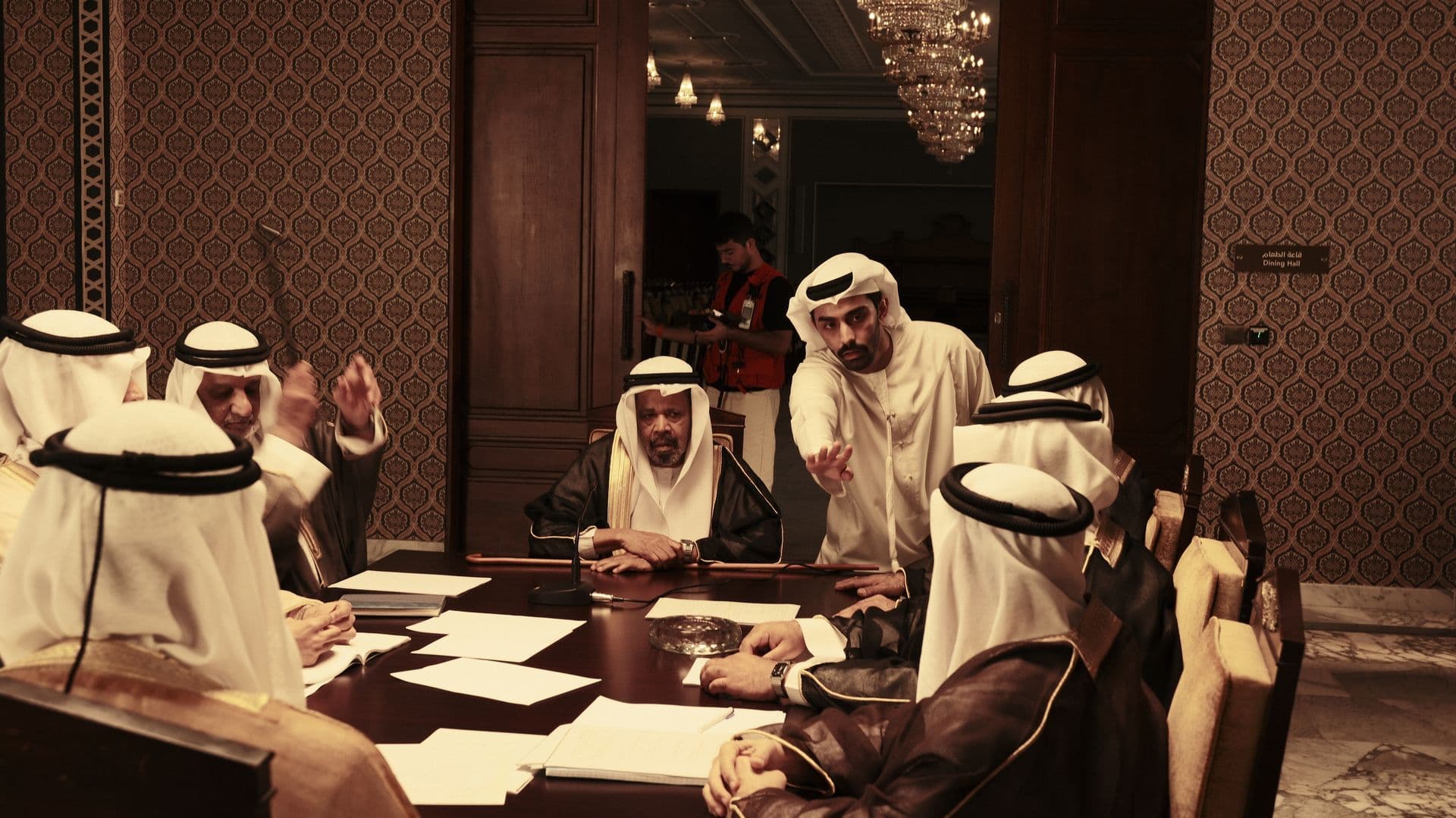
Small gestures carry weight. Who greets whom first. Where guests sit in the majlis. The order in which gahwa is served. Which hand offers and receives. Who appears on camera, and how.
Confirm each with a cultural advisor and with the hosts of every location. Write the answers into the script, so the crew is not improvising protocol on the day.
Family, Tribal and Lineage References
Lineage is personal and sensitive. A name placed in the wrong branch of a family, or a tribal affiliation stated loosely, can cause real offense. A researcher's notes are a starting point, never the final authority.
Oral history needs the same discipline. National efforts have recorded "about 1,000 oral interviews" with residents aged 70 and older to preserve the country's oral history (Gulf News). Testimony like this is precious. It is also memory, and memory should be read alongside documents.
Getting Sign-Off From the People Being Filmed
Before edit lock, the people named or represented should review every reference to their family: names, relationships, roles and dates. Share transcripts, not just the cut. Record the sign-off in writing.
For UNESCO files, consent is formal. Evidence of free, prior and informed consent must be provided in English or French as well as the community's language (UNESCO aide-mémoire). When choosing a partner, ask how they handle this; it belongs in any check of how to verify a production company's credentials.
Place Names, Dates and Historical Claims
The factual layer is where research-driven documentary production proves itself. A UAE heritage documentary maker works with names that have moved, dates that carry official weight and claims that deserve a second source.
Place Names That Have Changed Over Time
Before 1971, the region was known in British records as the Trucial States. Settlements have been renamed, merged or redrawn. Older records spell the same place in several ways. Boundaries between emirates have shifted over decades.
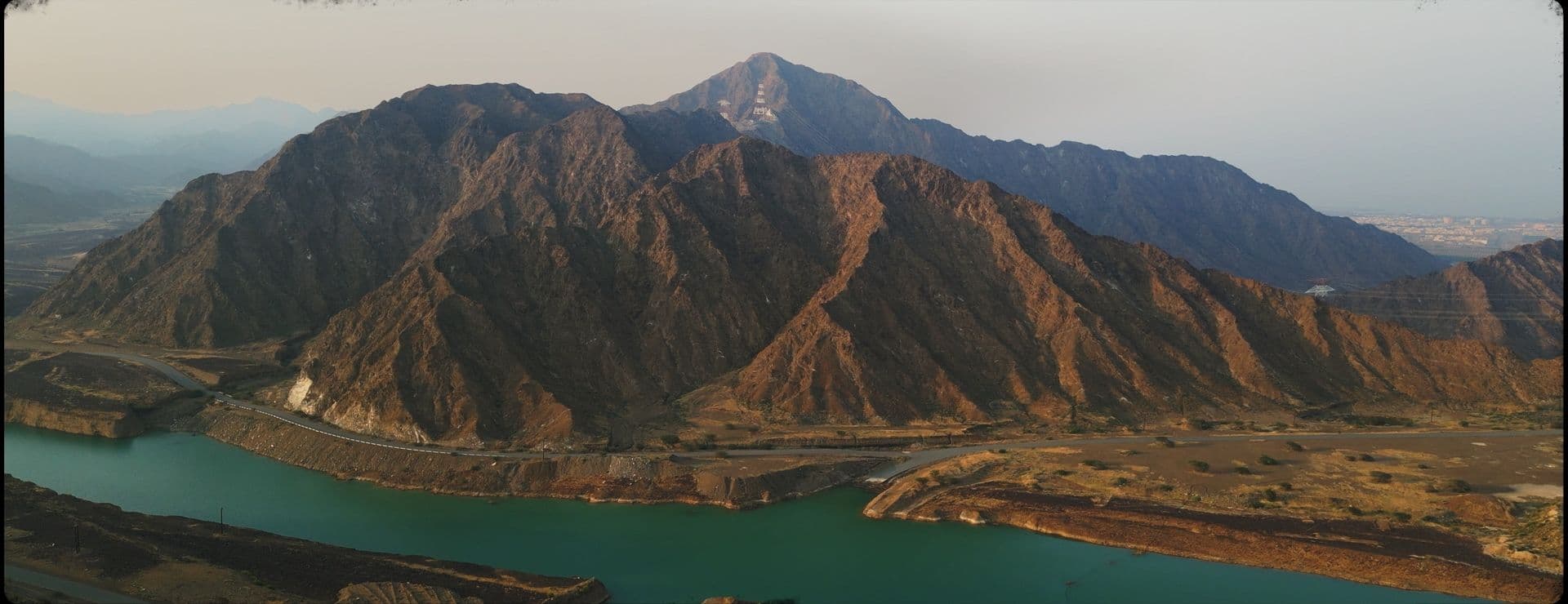
When a film is made for a formal file, its names must agree with the file. Wadi Wurayah is a documentary we made for Fujairah's UNESCO file, which was successfully nominated as human heritage. A film in that setting sits beside written documentation, and the place names on screen need to match it.
Dates, Occasions and Official Terminology
Occasions have official names and fixed dates. Use them exactly. The Pledge Day is our tribute to the country for Union Pledge Day, 18 July, shot 100% on film with no digitalization. On its page, research notes and references sit beside the frames they informed. That is the principle: every date and term on screen should point back to a reference.
Cross-Checking Historical Claims Against More Than One Source
Our working rule is two independent sources for any historical claim. Pair elder testimony with an archive document. Pair a published account with a family record.
Where sources disagree, the film should say so, or attribute the claim to its source rather than state it as settled fact. You can see the documentaries this process has produced.
The Pre-Filming Accuracy Checklist for UAE Culture and Heritage Film Production
- Dialect: What to check: Speaker's region, generation, register; Verify against: Native speakers, archive recordings; Who signs off: Language advisor; Stage: Research
- Narration: What to check: MSA, dialect or mix, decided deliberately; Verify against: Film's purpose and audience; Who signs off: Director, client; Stage: Discovery
- Transliteration: What to check: One spelling per name, term, place; Verify against: Family preference, official spelling; Who signs off: Researcher, families; Stage: Research
- Subtitles: What to check: Meaning, idiom, poetry; Verify against: Native speaker of the dialect; Who signs off: Language advisor; Stage: Post-production
- Dress: What to check: Period, region, fabric, cut; Verify against: Multiple photographs, elders, collections; Who signs off: Cultural advisor; Stage: Research
- Adornment: What to check: Status, age, marital meaning; Verify against: Elders, families; Who signs off: Cultural advisor; Stage: Research
- Occasion: What to check: Dress code and protocol for the event; Verify against: Hosts, national guidance; Who signs off: Client, advisor; Stage: Scripting
- Customs: What to check: Greetings, seating, serving order; Verify against: Hosts, cultural advisor; Who signs off: Hosts; Stage: Scripting
- Family references: What to check: Names, branches, roles, dates; Verify against: The families themselves; Who signs off: Families, in writing; Stage: Research
- Place names: What to check: Historical versus current name; Verify against: Archives, official sources; Who signs off: Researcher; Stage: Research
- Dates and terms: What to check: Official name and date of occasions; Verify against: Official sources; Who signs off: Client; Stage: Research
- Historical claims: What to check: Two independent sources; Verify against: Archives plus testimony; Who signs off: Researcher, client; Stage: Research
How to Use This Checklist During Discovery and Research
Open it in Discovery. Mark which rows apply to your film and name an owner for each. Close every Research row before scripting begins. Carry the sign-offs into Production, so the set has answers, not open questions.
If you are earlier in the process, read our guide on how to commission a heritage documentary in the UAE first.
Frequently asked questions
Who should be responsible for checking cultural accuracy on a documentary set?
The production company holds overall responsibility, but accuracy cannot sit with one person. A researcher, a language advisor and a cultural advisor each own their rows of the checklist. The client and the people being filmed give final sign-off on references that concern them.
How far in advance should dialect and dress research start before filming?
It should start in Discovery and be complete before scripting begins. Dialect advisors, costume sources and family reviewers all need time, and scripts written before verification usually need rewriting. The safest rule is simple: no shoot until the Research rows are closed.
What happens if a historical claim in a heritage film turns out to be disputed?
The film should not present it as settled. Attribute the claim to its source, or show that accounts differ. If the dispute surfaces late, re-edit or revise narration rather than leave an unsupported statement on screen.
Do UNESCO nomination films have stricter accuracy requirements than other heritage documentaries?
They have formal technical requirements that other films do not. The video must be edited to not more than ten minutes and subtitled in English or French if another language is used, and nominations that do not comply strictly with technical requirements are considered incomplete (UNESCO aide-mémoire). The film must also sit within a nomination that meets UNESCO's criteria, including community participation with free, prior and informed consent (UNESCO).
How do you verify family or tribal references without causing offense?
Ask the families directly, privately and early. Share exactly what the film will say, including transcripts, and invite corrections before anything is locked. Record their agreement in writing, and treat their version of their own lineage as the reference point.
Accuracy is decided long before the first frame. If you are planning a heritage or institutional documentary and want the research done properly before anyone picks up a camera, start a project with Sedrah Stories.