





Key takeaways
- For the institutional and heritage documentaries Sedrah Stories makes, distribution in the UAE usually means national broadcast, archive deposit or a nomination file, not a public streaming release.
- The right platform follows from the film's purpose. A UNESCO nomination film is made for an evaluation body. A broadcast documentary is made for the nation.
- UAE documentaries typically move along five paths: national broadcast, regional streaming platforms, the festival circuit, institutional archives and nomination files.
- Rights and confidentiality terms should be settled before a platform is chosen, not after the edit is locked.
- A short-film series and a single feature documentary call for different strategies. Decide format and platform together.
What "Distribution" Means for a Documentary Made in the UAE
In the UAE, documentary distribution usually follows one or more of five paths: national broadcast, regional streaming platforms, the festival circuit, institutional archives or a nomination file. Choosing between them starts with a single question: who must see this film, and why? Answer that first. Then confirm who owns the film and what must stay private. Only then pick the platform. At Sedrah Stories, we treat distribution as part of the research, not a decision that waits for the final cut.
For many commissioning institutions, "distribution" does not mean a premiere or a streaming page. A heritage film may be made for a ministry's archive. A tribute may air once, on a national occasion, and then live in an institutional library. A nomination film may be watched by a small panel of evaluators and no one else. Each of these is a real release. Each has its own audience, its own technical demands and its own rules about who may hold a copy.
This is why the platform question belongs at the start of a project. A film destined for an archive can run long and carry detailed testimony. A film for broadcast has to hold a general audience from the first frame. A film for a nomination file has to meet a specification written by someone else. The story is the same. The shape is not.
Why institutional films rarely follow a single release path
An institutional documentary often serves more than one audience over its life. It may premiere at a closed screening for leadership, air on national television for a public occasion, and then enter a permanent archive as a record. Each step can need a different cut, a different length, different permissions.
That layering is normal for heritage film release. It is also where problems begin if no one plans for it. Footage cleared for a private screening may not be cleared for broadcast. A contributor who agreed to an archive interview may not have agreed to public streaming. You can see how varied these paths are across our documentary work, where tributes, series and nomination films each end up in different places.
The Main Paths for Documentary Distribution in the UAE, Compared
Five paths cover most of what institutions in the UAE commission. They are not exclusive. Many films travel along two or three.
- National broadcast: Primary audience: The general public, often on a national occasion; Public visibility: High; Typical format: Broadcast-length feature or episodes; Main constraint: Fixed air dates and broadcaster standards
- Regional streaming platforms: Primary audience: Arabic-speaking audiences across the region; Public visibility: High; Typical format: Feature or series; Main constraint: Licensing terms that vary by platform, often with a fixed exclusivity period
- Festival circuit: Primary audience: Juries, critics, the film community; Public visibility: Moderate; Typical format: Feature or short; Main constraint: Premiere rules and festival eligibility
- Institutional archive: Primary audience: Staff, researchers, future generations; Public visibility: Low or restricted; Typical format: Any length, often a long cut; Main constraint: Storage, access policy and preservation
- Nomination file: Primary audience: An evaluation body; Public visibility: Restricted to the file; Typical format: Short film to a set specification; Main constraint: Strict technical and rights requirements
National broadcast suits films marking a shared moment. Regional streaming platforms in the UAE and the wider Gulf can bring a heritage documentary to a larger audience, under licensing terms that vary by platform and typically run for a fixed period, often with some exclusivity attached. The festival circuit lends a film critical standing but often asks for a premiere that has not already happened elsewhere. An institutional archive is the quietest path and, for many heritage films, the most important one. A nomination file is the most technical.
Public paths also carry regulatory steps. The UAE Media Council issues licenses for producing and distributing documentaries, and other authorities cannot issue those licenses without Council approval. A public screening needs its own permits, with a film screening permit set at Dh1,000 per film under the current fee schedule. Age classification is free of charge for local cinematic films, while foreign films cost AED 500. The stakes are real: the Media Council can impose administrative fines of up to AED 2 million for regulatory breaches. A path that looks simple on paper should still be checked against these requirements early.
Match the Platform to the Film's Purpose
Purpose decides everything else. Three project types show how differently the same craft can be put to work.
When the film supports a UNESCO or heritage nomination
A nomination film is not a broadcast documentary cut short. It is a piece of evidence. UNESCO sets the terms. For the Intangible Cultural Heritage lists, the video must run between five and ten minutes, with an English or French soundtrack or subtitles, extendable to twenty minutes only for nominations from four or more countries. It must be at least 720 pixels wide and sharp enough for full-screen viewing. It sits inside a larger file that also includes the ICH-02 nomination form, evidence of community consent and ten photographs.
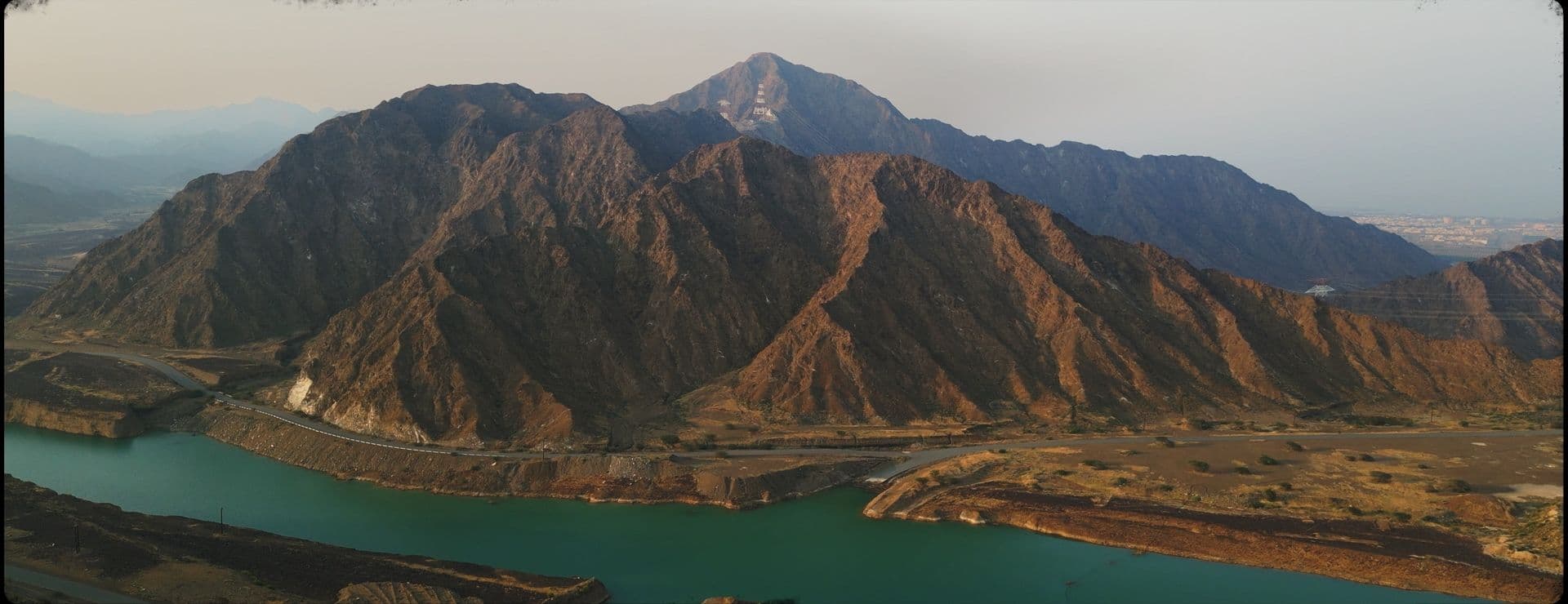
Here the platform is the file. The film's job is to show a living practice clearly enough for evaluators to understand it, and to reflect the consent of the communities who carry it. The Wadi Wurayah documentary was made for Fujairah's UNESCO file, which was successfully nominated as human heritage. If your institution is preparing a file, it is worth planning the film around that specification before the first interview is scheduled.
When the film marks a national occasion or institutional milestone
A government documentary tied to an occasion usually has a fixed date and a wide audience. National broadcast is the natural first home. Archive deposit is the natural second. The film needs to work for viewers who know nothing about the institution and for those who lived its history.
Challenge 71 was a documentary highlighting a competition among the UAE's top government achievers across all sectors. Films of this kind speak to the public and to the government community at once. The distribution plan should account for both: a version that holds a broad audience, and a record the institution can keep.
When the film follows a community or an ongoing story
Some documentaries follow people over time. The Harley Project is a documentary shoot following a motorcycle riding community: their workshop, their rides through the city and the desert, and the conversations in between.
Community films raise distinct questions. Contributors are private individuals, not institutions. Their consent shapes where the film can go. Stories like this often suit a series, festival screenings or a streaming release, because the audience is drawn to character rather than occasion. Permissions should be gathered with the widest likely release in mind.
Rights and Access Questions to Settle Before You Pick a Platform
Documentary rights in the UAE are rarely the exciting part of a project. They decide where the film can live. Three questions matter most.
Who owns the final film
Ownership should be written down before production begins. For a commissioned film, the institution often holds the finished work, but the details matter: who holds the raw footage, the interviews that did not make the cut, the music, the archival material licensed from third parties. Each of these can carry its own terms. A platform can only be offered what the owner is able to grant.
Nomination files make this concrete. UNESCO requires the video and photographs to be accompanied by a non-exclusive grant of rights giving UNESCO worldwide rights to use the materials. If any footage in the nomination cut was licensed on narrower terms, the grant cannot be signed. That has to be known while the film is being made, not when the file is due.
What confidentiality the institution requires
Government and semi-government films sometimes include locations, people or information that cannot be shown publicly. A confidentiality agreement may restrict the whole film or only parts of it. The answer changes the plan. A restricted film may go to an archive and a closed screening only. A partly restricted film may need a public cut and an internal cut. Knowing this early lets us shoot and structure the film so both versions hold together.
How long the distribution agreement lasts
Platform agreements have terms. A streaming license may run for a set period and may be exclusive within a territory. A broadcaster may hold first-air rights. A festival may require a premiere. Each of these limits what else the film can do during that time. Institutions should know how long each agreement runs and what happens when it ends, especially if the film is meant to serve as a permanent record.
How Format Affects Where a Film Can Go
Format and platform are one decision, not two. The choice between a single film and a series opens some doors and closes others. For a fuller look at the trade-offs, see our guide to choosing between a short-film series and a feature documentary.
Single feature documentaries
A feature documentary suits a single, defining story: a tribute, a history, a portrait of a place. It fits national broadcast on an occasion, the festival circuit and archive deposit. It carries weight. It also asks the audience for a long, uninterrupted commitment, which suits a premiere or a broadcast slot better than casual viewing.
Short-film series
A short-film series suits intangible culture, where many practices, crafts or voices each deserve their own space. Short episodes work well on streaming platforms and social channels, and in exhibitions or museum settings where visitors watch one piece at a time. A series also offers flexibility. One episode can be adapted for a nomination file while the others go to broadcast, provided the rights for each are cleared with that in mind.
A Step-by-Step Way to Decide
Every film we make follows the same method: research first, then the frame. The distribution decision runs through that process from the first conversation to the final cut. This is the sequence we follow.
Start with the film's purpose, not the platform
Define what the film must achieve. Preserve a practice. Mark an occasion. Support a nomination. Record an institution's history. Write it in one sentence. That sentence sets the length, the tone and the audience before any platform enters the conversation.
List who must see the film and when
Name every audience: leadership, the public, evaluators, researchers, communities. Attach a date or a window to each. A documentary release plan built this way shows which paths are essential and which are optional. It also shows whether one cut can serve everyone or whether you need several.
Confirm rights and confidentiality before production ends
Use a simple distribution checklist during research and production:
- Who owns the finished film and the raw material.
- Which footage, music and archive carry third-party terms.
- What contributors and communities have consented to.
- Which content is confidential, and to whom.
- Which licenses and permits each public path requires.
Every item should be answered while footage can still be shot or replaced.
Choose the platform, then plan the edit around it
With purpose, audience and rights settled, the platform choice is usually clear. Then the edit follows. A nomination cut is built to its specification. A broadcast cut is built for a general audience. An archive cut can keep the long testimony a public version cannot hold. The platform follows the purpose, as it did from the start.
Related: UNESCO nomination film specialist
Frequently asked questions
Can one documentary be distributed on more than one platform?
Yes, and many institutional films are. A documentary might air on national broadcast, enter an archive and appear in a nomination file in a shorter cut. What makes this possible is planning the rights and the versions before production ends, so each platform receives material it is cleared to use.
Do UAE institutions need a public release at all?
Not always. Many heritage and institutional films exist to preserve a record, support a nomination or serve internal audiences. A restricted archive or a closed screening can be the right outcome. The film's purpose, not a default expectation of publicity, should decide.
How long does licensing or permitting take once a platform is chosen?
It varies by permit type. For a documentary film production licence, the application is processed within three working days of submission, provided all conditions and requirements are met. Where a fee applies, such as age classification, payment is due within 21 working days or the application is cancelled. Screening, trailer and poster permits each carry their own process. Build these timelines into the schedule rather than treating them as a final step.
How does a UNESCO nomination file affect where a film can be shown?
The nomination video must meet UNESCO's specification and come with a non-exclusive grant of worldwide rights to UNESCO. Because the grant is non-exclusive, the institution can usually still use the film elsewhere, but every element in it must be cleared for that worldwide use. Any confidential or narrowly licensed material has to stay out of the nomination cut.
Who decides distribution rights for a government-commissioned documentary?
Usually the commissioning institution, according to the ownership terms agreed at the start of the project. Third-party material, contributor consent and platform agreements can all limit those rights. Public distribution also requires the relevant licenses and approvals under UAE media regulation.
Should heritage documentaries go on international streaming platforms?
It depends on the film's purpose and on what has been cleared. International platforms can carry a heritage story to a wide audience, but their terms may include exclusivity that conflicts with broadcast, festival or archive plans. Weigh the reach against those terms, and against whether the communities featured consented to that level of exposure.
If you are weighing up where a documentary should live before it is even shot, start a project with Sedrah Stories and we will build the distribution plan into the research from day one.