




Key takeaways
- Language shapes script structure, interview casting, narration recording and subtitling cost, so it has to be settled during Discovery, not after filming starts.
- A native bilingual cut with two full narration tracks reads as more credible to government and UNESCO reviewers than a single-language film with subtitles added at the end.
- Interviews belong in the contributor's native language wherever possible. Translating a conversation on camera changes its pacing and its tone.
- A subtitled, English-only film costs less to make but travels less far, because ceremony and exhibition audiences in the UAE are often primarily Arabic-speaking.
- Sedrah Stories, a documentary production company in the UAE, makes the language decision inside its five-stage methodology, during Discovery and Research, before a single page of script is written.
Why the Language Decision Comes Before a Single Frame Is Shot
Should your film be in Arabic, English or both? The answer depends on who watches it first and where it will be shown afterward. Arabic-first suits ceremonial and Emirati audiences. English-first suits international platforms. A native bilingual cut, with two complete narration tracks, suits a film that has to serve both. At Sedrah Stories, as a documentary production company in the UAE, we settle this question in the first of our five stages: Discovery, Research, Scripting, Production, Post-production. We do not leave it to the edit.
The reason is practical. Language is not a layer applied at the end. It decides which archives we read and which contributors we cast. It decides how long each narration line runs and how the cut breathes around it. Arabic and English sentences carry meaning in different orders and at different lengths, so a scene timed for one language rarely fits the other cleanly. Once picture is locked, the film is built around the rhythm of whichever voice it was cut to.
For an institutional documentary, the stakes are higher. A film made for a ministry, a foundation or a national occasion will be reviewed by people who read closely in both languages. A late change of language means reopening research, re-interviewing contributors and re-cutting scenes, so it is far cheaper to decide early. Every film goes through the same five stages: research first, then the frame.
Arabic, English or Bilingual: What Changes Across the Film
When you hire a documentary production company in the UAE, the language brief changes four parts of the work. The table below compares the three main approaches.
- Script: Arabic-first: Written in Arabic, usually Modern Standard Arabic for narration; English-first: Written in English; Native bilingual: Two scripts, structured together so both fit the same cut
- Interviews: Arabic-first: Contributors speak Arabic; English-first: Contributors speak English, or are subtitled; Native bilingual: Each contributor speaks their native language
- Narration: Arabic-first: One Arabic track; English-first: One English track; Native bilingual: Two full narration tracks, recorded separately
- Subtitles: Arabic-first: English subtitles if needed; English-first: Arabic subtitles if needed; Native bilingual: Subtitles only for interview passages
- Relative cost: Arabic-first: Moderate; English-first: Lowest; Native bilingual: Highest
- Best for: Arabic-first: National occasions, Emirati audiences; English-first: International festivals, foreign partners; Native bilingual: Mixed audiences, nomination files, long-life archives
Script and Narration
Narration is where the language shows most. For documentaries and formal factual work, Modern Standard Arabic is the usual register, while Gulf or Egyptian dialects tend to be reserved for entertainment programming. A heritage film narrated in MSA carries the weight of a formal record. A bilingual script is not a translation of one draft into another. We structure both versions at the same time, so a line about a date palm or a dhow lands on the same image in either language.
Interviews and On-Camera Voices
A contributor speaking their first language gives you their real voice: the pauses, the idioms, the memory arriving as they talk. Ask the same person to answer in a second language and the answers grow shorter and more careful. For a factual content production company in the UAE, this is the difference between testimony and a statement read for the camera.
Subtitles vs a Dual Narration Track
Subtitles translate what is said. A dual narration track lets the film speak directly to each audience. Subtitles work well for interview passages, where the original voice matters. They work less well for narration, which carries the argument of the film and asks the viewer to read for its full length.
Cost and Schedule Impact
English-first with subtitles is the lightest option. Arabic-first adds little if the team writes and records in Arabic natively. A bilingual cut adds a second script, a second narrator, a second recording session and a second round of review. If the film is headed for broadcast or theatrical release, dubbed and subtitled versions also need pre-exhibition review by the Media Regulatory Office, and that review time belongs in the schedule. For budget ranges, our guide to how much a documentary series costs in the UAE sets out the main drivers.
When a Native Bilingual Cut Beats Subtitles
A bilingual cut costs more. It pays for itself when the film has to speak with equal authority to two audiences at once.
National Occasions With Mixed Audiences
Emirati nationals make up roughly 11 to 12 percent of the UAE's population, so an audience at a national ceremony may include officials, families, diplomats and residents from many countries. The Arabic track honors the occasion and its hosts. The English track reaches everyone else without asking them to read through a tribute. There is also a policy direction to consider. A federal Arabic Language Law is being rolled out between 2026 and 2027, and the draft proposals include mandatory Arabic translation at public events conducted mainly in other languages. A film commissioned for a public occasion should already be ready for that standard.
UNESCO and International Nomination Files
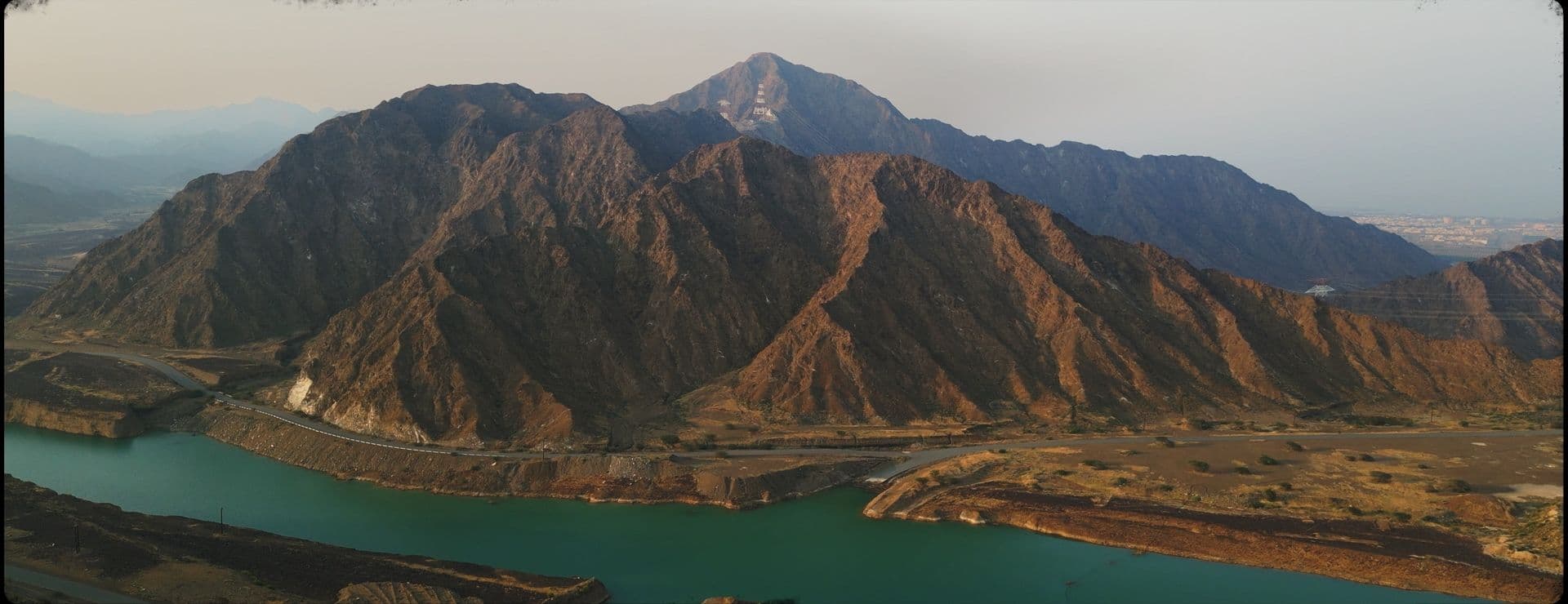
Nomination films are read by international reviewers, and they also represent a community at home. Wadi Wurayah is a documentary we made for Fujairah's UNESCO file, which was successfully nominated as human heritage. A film of this kind has to be understood by an international panel and still sound like the place it describes. A native narration track in each language, written from the same research, serves both readers better than a single version with subtitles fitted at the end.
Institutions With Arabic- and English-Speaking Staff
An institutional documentary often lives on long after its launch: in onboarding, at exhibitions, on internal channels. When the workforce is split between Arabic and English speakers, two narration tracks let every viewer hear the institution's story in their own language. That is a better result than one group watching while the other reads.
How Interview Language Shapes the Research Phase
When you hire a documentary production company in the UAE, ask where in their process the language gets decided. In ours, it is fixed during the first two stages and shapes everything that follows.
Choosing the Language Before Casting Interviewees
During Discovery, we agree with the client who the film is for. That decision tells us who to cast. An Arabic-first heritage film may lean on elders, craftspeople and historians who speak in Arabic. An English-first or bilingual film can include international scholars, conservationists or partners alongside them. If the language changes after casting, the contributor list often has to change too.
Researching in the Source Language
Research happens in the language the history was recorded in. Oral accounts, family archives, poetry and local records in the UAE are often in Arabic, and their meaning can shift in translation. We read sources in the original wherever possible, so the script rests on what was actually said rather than a summary of it. Our guide on how to commission a heritage documentary in the UAE covers how this research stage is scoped.
Scripting Once the Language Is Fixed
Only once the language is fixed do we write. For a bilingual film, both scripts are drafted against the same structure, so each scene has room for either narration. The client's reviewers then sign off on both versions before the shoot, not after.
Matching Language to the Occasion and the Audience
No single choice suits every project. The audience decides. You can see the documentaries we have produced to judge how different films are framed for different viewers.
Government and Institutional Audiences
Films made for government bodies speak first to Emirati officials and citizens, which points toward Arabic-first or bilingual treatment. All media individuals and institutions in the UAE must comply with national standards for media content, and the federal National Media Authority's own role covers publishing and linguistic review in Arabic, English and other required languages. Challenge 71, a documentary on a competition among the UAE's top government achievers across all sectors, is the kind of film where the government audience comes first, and the language should be chosen with that audience in mind.
Community and International Audiences
Where a film must travel beyond the country, to a UNESCO panel or an international festival, the second language carries as much weight as the first. Wadi Wurayah shows the type: a film for a nomination file that has to work for reviewers abroad and for the community it represents.
Public and Mixed Audiences
Exhibitions, museum screens and public ceremonies draw mixed crowds. Bilingual treatment is the safest choice here. If budget rules it out, Arabic narration with English subtitles usually serves a UAE public setting better than the reverse. Promotional cutdowns aimed at consumers have a separate rule: under Federal Law No. 15/2020, consumer advertisements must be made in Arabic, with other languages allowed in addition.
Questions to Ask a Documentary Production Company in the UAE Before You Commit to a Language Strategy
Before you sign off on a language approach, put these three questions to any partner you are considering. They work just as well when you are writing a documentary proposal for a UAE institution.
Who Is This Film For, First
Name the first audience: the ceremony hall, the reviewing panel, the staff, the public. The first audience sets the primary language. Every other audience is served by the second track or by subtitles.
Will It Be Reused in Another Setting Later
A launch film often ends up in an exhibition, an archive or an international submission. If later use is likely, plan the bilingual version now. Adding a second narration after the fact means working against a cut that was built for one language.
Who Is Approving the Narration Script
Find out who signs off on each language and when. A documentary company working on an institutional film should build both approvals into the Scripting stage, so neither track is reviewed in a rush during Post-production.
Frequently asked questions
Does subtitling cost less than a full bilingual narration track?
Yes. Subtitles need translation and timing. A second narration track needs a second script, a narrator, a recording session and its own review. The extra cost buys a film that speaks directly to both audiences instead of asking one of them to read.
Can a documentary be reshot in a second language after it is finished?
Narration can be rewritten and re-recorded, but the cut was timed to the original language, so scenes often need re-editing to fit. Interviews cannot be re-performed in another language without losing their authenticity. It is far better to plan both languages during Discovery.
Should interviews always be conducted in the interviewee's native language?
Wherever possible, yes. People speak with more detail, warmth and precision in their first language, and that is what makes testimony credible on screen. Subtitles can then carry the meaning to viewers who speak the other language.
How much extra time does a bilingual narration add to the schedule?
It depends on the length of the film and on how quickly both scripts are approved. The added steps are a second script draft, a second review, a second recording session and a second sound mix. For broadcast or theatrical release, regulatory review of dubbed and subtitled versions also needs time in the schedule.
Is Arabic narration required for documentaries made for UAE government bodies?
All media in the UAE must meet national content standards, and a federal Arabic Language Law is being rolled out between 2026 and 2027, with proposals for tighter Arabic requirements in official communications. Confirm the exact requirement with the commissioning body during Discovery. In practice, Arabic-first or bilingual narration is the safer choice for government audiences.
If you are weighing Arabic, English or a bilingual cut for your next film, start a project with Sedrah Stories and we will work through the language decision with you during Discovery.
Read next: How to Shortlist a Documentary Company for Cultural Films