




Key takeaways
- To hire a documentary editor in the UAE for a health or education institution, judge how they handle patient and student consent, not only how they handle footage.
- Plan multi-audience delivery (a public cut, an internal training cut, a donor or board cut) before the edit starts. Adding versions afterward costs time and can break consent.
- The five stages of Discovery, Research, Scripting, Production and Post-production decide how much usable, compliant footage reaches the edit suite.
- Ask every candidate what they do when a subject withdraws consent after filming. The answer shows whether they understand institutional risk.
What a Documentary Editor for an Institution Actually Does
When you hire a documentary editor in the UAE for a hospital, a health authority, a university or a school system, you are trusting someone with a public institution's reputation. At Sedrah Stories, we see the editor as the last guardian of three things: the story, the facts and the people on screen. A good institutional editor builds narrative from interviews and observation, checks every claim against the research, and protects the dignity of patients and students while delivering several versions for several audiences from one shoot. Technical skill gets an editor through the door. Judgment is the real job.
Beyond the Timeline: Narrative, Accuracy and Tone
Institutional documentary editing starts with structure. Which voice opens the film? Which moment carries the emotional weight? Where does the institution's mandate enter, and where does it step back so a human story can breathe?
Then comes accuracy. Every figure on screen, every job title and every historical reference must match the research file. An editor who treats captions as decoration will eventually publish an error under your logo.
Tone is the third layer. A film about a pediatric ward and a film about a national education reform both need restraint. Music, pacing and color grade all signal whether the institution respects its subject or is selling something.
Why This Differs from Corporate or Brand Video Editing
Brand editing serves a campaign. It rewards energy, speed and a clear call to buy. Institutional documentary editing serves a public record. It must survive scrutiny from regulators, families, staff and the press, sometimes years after release.
A brand editor asks whether a shot looks good. A documentary editor for an institution asks whether the shot is permitted, accurate and fair to the person in it. Those are different habits, learned on different kinds of projects.
Why Health and Education Institutions Need a Different Kind of Editor
Hospitals and schools film people at their most exposed: unwell, frightened, young or grieving. A general editor rarely anticipates how tightly that footage is regulated. Our guide to documentary production for health and education institutions covers the full production picture. Here we focus on the edit suite.
Patient and Student Privacy in the Edit Suite
In health settings, rules about filming patients are specific. Dubai Health Authority guidance requires separate written consent for photography and videography, taken apart from the consent for the procedure itself. Filming is also banned during surgery, under general anesthesia or in a procedure room when the purpose is promoting the facility or the professional. For patients under 18, written parental consent is mandatory before their image, video or statement is used in advertising.
Education carries its own weight. KHDA's protocols for Dubai private schools state that photographing pupils in vulnerable situations violates their privacy, and that taking photos during emergencies is prohibited. The legal exposure is real. Lawyers point to Article 44 of the UAE Cybercrimes Law, with at least six months in prison, a fine of Dh150,000 to Dh500,000, or both, where sharing a child's image is found to violate their privacy.
These examples come from Dubai. Each emirate has its own health and education regulators, so confirm the rules with the authority that governs your institution. Either way, the editor is often the last person to see a child's face in the background of a corridor shot. They have to notice it.
Representing a Public Mandate Accurately
A public institution speaks for more than itself. When a health authority describes a service, the public reads it as a commitment. When a ministry celebrates an achievement, citizens hold it to the claim.
Our documentary Challenge 71 highlighted a competition among the UAE's top government achievers across all sectors. Films like this sit in public view. Every name, every sector and every description of an achievement has to be right, because the film becomes part of how the country records its own progress.
The Consent and Compliance Layer a Generic Editor Will Miss
Compliance is not a checkbox at the end. It is a working layer inside the edit, as real as the soundtrack.
Tracking Consent Through Every Cut
Consent is narrower than most people assume. It covers only the subject and the period it was given for, so a clip approved for one campaign is not a library asset.
A disciplined editor keeps a consent log tied to clip IDs. For each person on screen, the log records:
- what they agreed to appear in
- which versions and platforms they cleared
- any time limit on the consent
- whether a parent or guardian signed
- any conditions, such as no full name or no face
When the editor pulls a shot, they check the log. When a new version is requested, they check it again.
What Happens When a Subject Withdraws Consent
People change their minds. A patient recovers and no longer wants to be seen as ill. A student graduates and asks to be removed. A competent editor has a plan before it happens:
- Confirm the withdrawal in writing and record its date in the consent log.
- Search every version, including trailers, cutdowns and social clips, for the person's image, voice and name.
- Check B-roll, wide shots and audio beds, where people often appear without being the focus.
- Re-cut affected scenes rather than relying on a blur, which may not meet the request or the regulation.
- Update archive masters so the footage cannot return in a future edit.
- Report back to the institution with a list of every change.
An editor who answers "we'll just blur them" has not thought this through.
Approval Chains for Sensitive Material
Health and education films usually pass through several reviewers: communications, legal, clinical or academic leads, and sometimes a regulator. The editor should know the order of that chain before the first cut. Sensitive scenes deserve their own review notes, so reviewers see exactly what they are approving and why.
Multi-Audience Versions: One Shoot, Several Cuts
Most institutions need more than one film from a single shoot. The public sees one version. Staff train on another. The board or donors see a third. These cuts share footage but serve different purposes, and each carries its own consent and approval questions.
- Public cut: Who sees it: Citizens, media, social platforms; What it must do: Tell one clear human story aligned with the mandate; Consent and approval points: Broadest consent needed; strictest review for minors and clinical scenes
- Internal training cut: Who sees it: Staff, faculty, clinicians; What it must do: Show process and practice in detail; Consent and approval points: Consent must cover internal use; may include procedural detail unsuitable for public release
- Donor or board cut: Who sees it: Trustees, partners, funders; What it must do: Show impact, scale and stewardship; Consent and approval points: Consent must cover this audience; figures must match audited or approved data
- Archive master: Who sees it: The institution's records; What it must do: Preserve the full record for future use; Consent and approval points: Store with the consent log; restrict reuse to what consent allows
Mapping Audiences Before the Edit Starts
Audience mapping belongs in Discovery, not post-production. If the training cut needs a clinician to explain a procedure step by step, that interview has to be filmed. If the board cut needs outcome data on screen, someone has to approve those figures early. Consent forms should name every intended version. Asking subjects later to extend their consent is slower and less certain.
Reusing Footage Without Diluting the Story
Each cut needs its own spine. A public film built from leftover training footage feels like a manual. A training film built from emotional public moments teaches nothing. A good editor builds each version around its audience's question, then pulls shared footage into that structure. The story stays true across all versions. The emphasis changes.
Questions to Ask Before You Hire a Documentary Editor in the UAE
Use these in vendor conversations and listen for specifics. Before the meeting, it also helps to know how to judge a documentary filmmaker's showreel, so you can connect the answers to the work.
Questions About Process and Compliance
- How do you track consent at the clip level during the edit?
- What do you do if a subject withdraws consent after filming?
- How do you handle minors, patients or people in vulnerable situations who appear in the background?
- How do you verify facts, names and figures before picture lock?
- How many review rounds do you plan for, and how do you document reviewer feedback?
- How do you plan and deliver multiple versions for different audiences?
- Where is footage stored during the edit, and who has access?
Questions About Past Institutional Work
- Which government, health or education bodies have you edited for?
- Can you show a public cut and describe, in general terms, how sensitive material was handled?
- Have you delivered films that went through a formal approval chain?
- Who on your team handles research, and how does the editor work with them?
How the Five-Stage Process Shapes the Edit
Every film goes through the same five stages: research first, then the frame. That order is what makes an institutional edit safe. You can see the approach across Sedrah Stories' documentary production work.
Research and Scripting Decide What the Edit Can Do
An editor can only cut what exists. If research has not confirmed the facts, the edit stalls while someone checks them. If the script has not mapped the audiences, the edit improvises versions from footage never meant for them.
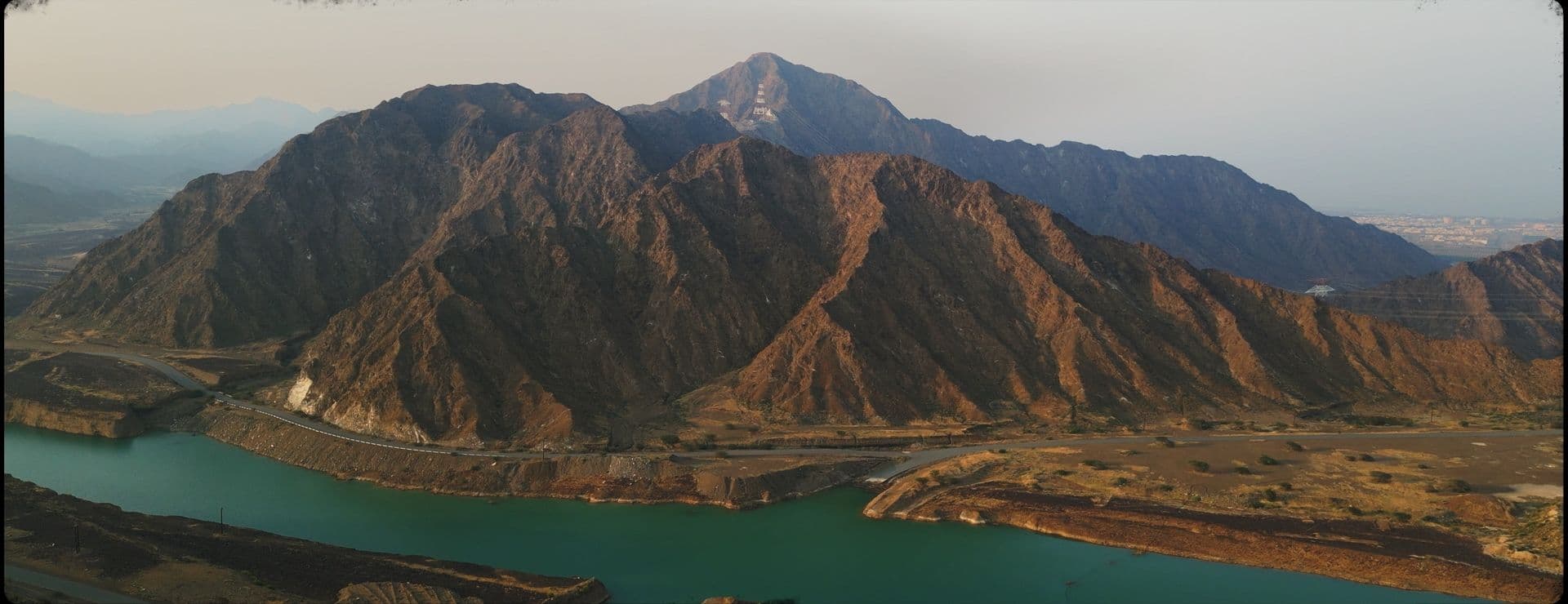
Our documentary for Wadi Wurayah was made for Fujairah's UNESCO file, which was successfully nominated as human heritage. A film made for a nomination file has to be accurate first. That standard applies equally to a hospital or a university. Research-driven documentary editing begins long before the timeline opens.
Scripting also affects the schedule. In Dubai, the filming permit typically takes 3 to 5 days, while script approval can take up to 25 business days. A script that is clear, compliant and ready on time protects the whole production.
Production Discipline Reduces Risk at the Edit Stage
Internal and training films still need permits. In Dubai, promotional videos, internal films and training videos all need a DFTC permit, whether filmed in public or in a private office. The application fee is a non-refundable AED 520, plus a location fee that depends on the shoot. Filming without permission carries a fine of AED 25,000.
On set, discipline means signed consent before the camera rolls, a log that matches each release to the person filmed, and a crew that knows which rooms and moments are off limits. When production runs this way, the editor receives footage that can be used. When it does not, the editor inherits problems that no cut can fix.
What to Prepare Before You Request a Quote
A clear request leads to an accurate quote and a faster start. Our guide on how to brief a documentary production company goes deeper. These are the essentials.
Documents and Approvals to Have Ready
- A short statement of purpose: what the film must achieve and for whom
- The list of intended versions (public, internal, donor or board, social)
- Your institution's existing consent forms and media policies
- Any guidance from your health or education regulator on filming
- Key facts, figures and archival material the film may draw on
- Locations, and whether they need permits or access approvals
- Target release dates, including any national occasion or event
Deciding Who Signs Off on the Final Cut
Name one final approver. Then name the reviewers who advise them: communications, legal, clinical or academic leads. Agree on how many review rounds each version gets and who resolves conflicting notes. A clear sign-off chain protects the film from endless revision and protects the institution from releasing something one department never saw.
Frequently asked questions
How long does it take to edit an institutional documentary in the UAE?
It depends on the film's length, the number of versions and the depth of the approval chain. Regulatory steps upstream also shape the schedule; in Dubai, script approval can take up to 25 business days. Planning versions and reviewers during Discovery is the most reliable way to keep the edit on time.
Who owns the footage after an institutional documentary is edited?
Ownership is set by the production contract, so agree on it before filming begins. Cover raw footage, project files, music licenses and archive masters. Even when the institution owns the footage, consent still limits how it can be reused.
Can one documentary shoot produce both a public film and an internal training film?
Yes, if both are planned from the start. The consent forms must name both uses, and the shoot must capture what each version needs, such as detailed process footage for training. Each cut then needs its own structure rather than recycled scenes.
What happens if a patient or student asks to be removed from a finished film?
The editor should confirm the request in writing, find every appearance across all versions and archive masters, and re-cut affected scenes. Blurring alone may not satisfy the request. The institution should receive a record of every change made.
Do UAE health and education institutions need a specific approval process before a documentary is released publicly?
Regulators set specific rules, and they vary by emirate. In Dubai, for example, health guidance requires separate written consent for filming patients, and KHDA sets protocols on photographing pupils. Most institutions also run an internal review through communications and legal before release.
If your institution needs an edit that respects consent, serves multiple audiences and still tells one true story, start a project with Sedrah Stories.
Read next: Hiring a Documentary Scriptwriter in the UAE: A Buyer's Guide